Tag Archives: poetry

Which “Mahdi” would you choose?

“It is He who has sent His Messenger with guidance and the world view that is based on the truth to manifest it over all other world views, although they who rely upon other than or associate partners with Allah dislike it.” (Qur’an 9:33)
﷽ 

It seems it has been a while since we touched on the subject of the Mahdi and Mahdism. In this post we touch upon the various recent, current and potential Mahdis.

Here is the rub: The Mahdi will never claim to be the Mahdi!

We will be having a look at potential Mahdis as well as those who have claimed to be Mahdi.
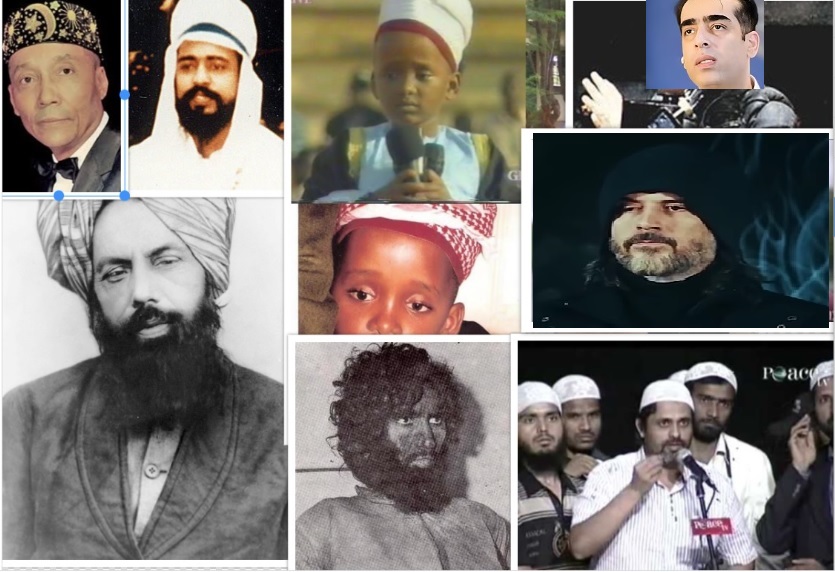
Potential Mahdi #1 Mohamed Amin Ourajdi.

An Algerian who has made claims to come from Morocco.
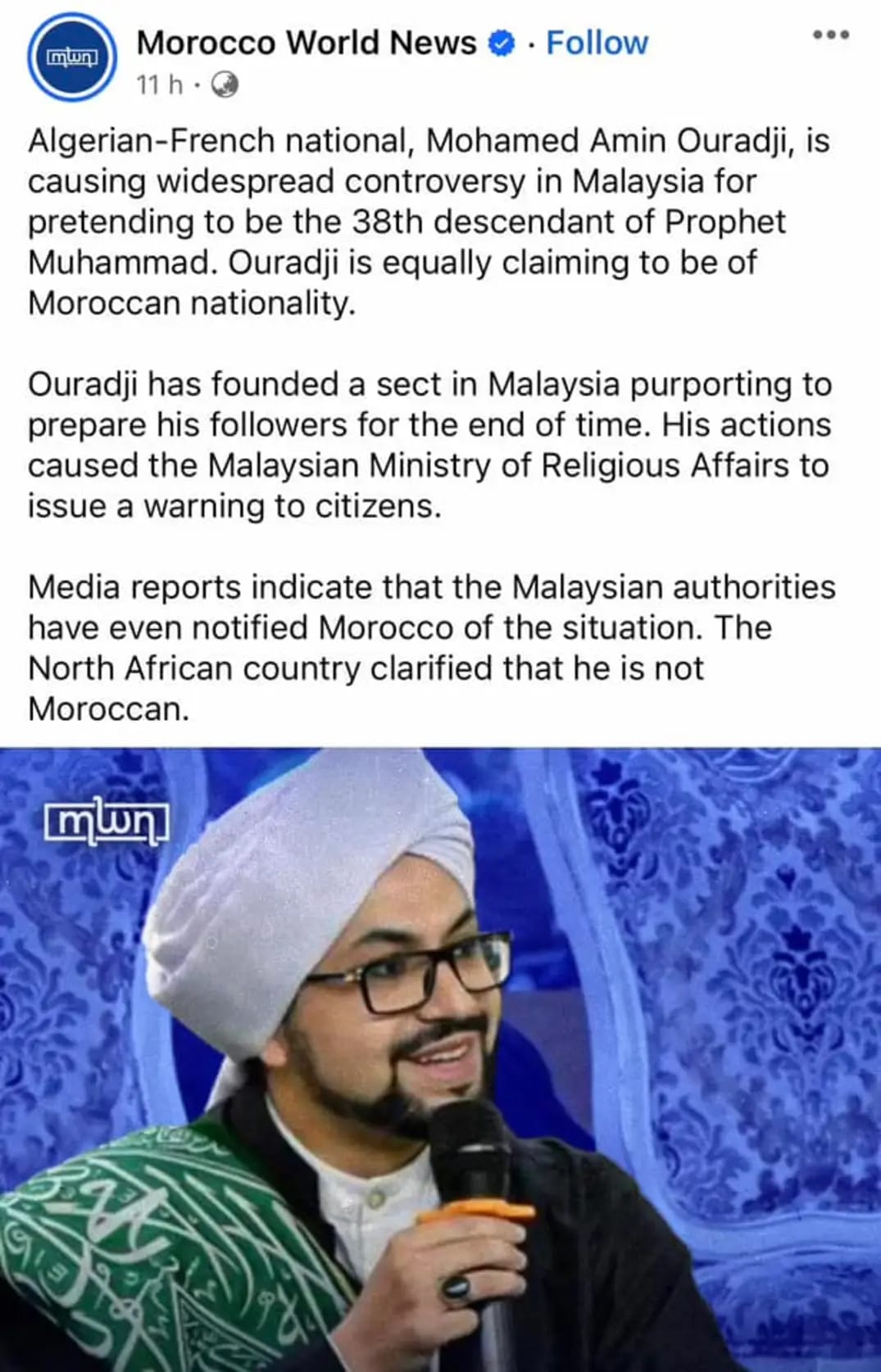
For more information: (https://www.moroccoworldnews.com/2024/02/361033/malaysia-algerian-claims-he-is-moroccan-descendant-of-the-prophet)

Now, for sure, he has not claimed to be the Mahdi, but has claimed to be the 38th descendant of the Blessed Prophet (saw).  A claim that has not been substantiated.  

The above article states: 

“The individual has no affiliation with the “Moroccan Chérif Idrissi” or any noble lineage, as he came to Morocco in 2014 to settle with his Moroccan wife,” the statement stresses.” 

Probably worth keeping an eye on this one.

Potential Mahdi #2  Muhammed Qasim Bin Abdul Karim. At first blush, he seems like a simple man. He comes across as someone who may be a teacher of electrical engineering at a college in Pakistan.

We do like his shoes! So let us go to a site that proclaims to speak on his behalf.

https://muhammadqasimpk.com/en/blog/complete-story-of-muhammad-qasim

One thing that stands out is his statement:

“Let me make it clear that I am a simple person and not religious. I am clean shaved. I did not use to pray regularly, and I didn’t pray Tahajjud (overnight prayer). I just tell the truth and I do not lie.” 

So he did not pray (past tense) regularly and now?  If anything, what Mr. Karim needs to do is to publicly denounce those AI-generated videos that seem to have Mufti Menk and others declaring Mr. Karim as the ‘Mahdi’.  That would at the very least gain him some credibility.

Now on to real claims of being the Mahdi with a special focus and attention upon Turkey.

Unfortunately, the only pushback against Mahdism in Turkey comes from the religion of the Qur’aniyoon. You have not seen any push back from Shi’i or Sunnis, because indeed they welcome such concepts.

Our dear brothers in Turkey. You do not need to be held hostage by the claims of the Shi’i or the Sunni anymore.  May Allah (swt) guide you and open your eyes on this matter! 

Mahdi claimant #1

Below is a debate between Hakk Rasul (Claims to be the Mahdi & the Return of Jesus) and Şaban Gül who says that he is Allah (swt)!

They debate and refute each other. 

The one on the Right (Şaban Gül) has followers, and they comment and say things like: “I witness Şaban Gül is Allah.”  

May Allah (swt) guide us and protect us from pervision of faith! 

The link is here: https://www.youtube.com/watch?v=LJ25jm839HY&t=25s

Mahdi claimant # 2
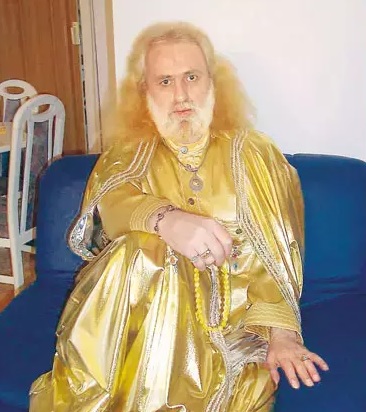
One of the major claimants to being ‘The Mahdi’ and one of the most well-known of these is Hasan Mezarcı, former Welfare Party Istanbul Deputy

Mahdi claimant #3

Another recent Mahdi claimant from Turkey. İskender Evrenesoğlu, the founder of the Mihr Sect, who died on November 19, 2019, also claimed to be the “Mahdi”. 

We have a soft spot for this one. This look is certainly quite distinct. This look just screams out at me: “I am the Mahdi!” Unfortunately, he died before he had a chance to battle the Dajjal and team up with Jesus (as).

Mahdi claimant #4

However, if seemingly sweet old men with giant Turbans don’t give you your Mahdi fix. How about a more diabolical & brooding Mahdi claimant? One that may give off more emo vigilante Batman Mahdi?

Muhammed Necati Şaşmaz is a Turkish actor, best known for playing the lead role in the T. V series Kurtlar Vadisi.

Mahdi claimant #5

But if you have a hankering for a real assertive and strong Mahdi, one that sports an 80s YMCA mustache all the while running around with automatic weapons, then look no further than Mehdi Tuncer Çiftçi from Izmit! Ready to annihilate Iran, Armenia, and that pesky nation, Greece, once and for all!

Behold!

One distinct advantage he has over the other Mahdis is that his followers claim you can clearly see his face in the Moon!

Dünyada olduğu gibi Türkiye’de de şimdiye kadar birçok kişi “Mehdi” iddiasında bulundu.

Bunlardan en bilineni eski Refah Partisi İstanbul Milletvekili Hasan Mezarcı.

Bir diğer isim ise “suç amacıyla örgüt kurmak ve yönetmek”, “cinsel saldırı” gibi suçlardan bin 75 yıl hapis cezasına çarptırılan Adnan Oktar.

19 Kasım 2019’da hayatını kaybeden Mihr Tarikatı’nın kurucusu İskender Evrenesoğlu da “Mehdi” olduğunu iddia etti.

Hatta Evrenesoğlu bir aşama ileri giderek kendisine vahiy geldiğini ve resul olduğunu da dillendirdi.

Fetullahçı Terör Örgütü/Paralel Devlet Yapılanması’nın (FETÖ/PDY) kurucusu ve lideri Fetullah Gülen’nin de “Mehdi” olduğu iddia edildi.

Son olarak Kurtlar Vadisi dizisinin “Polat Alemder” karakteriyle tanınan oyuncu Necati Şaşmaz’ın “seçilmiş insan” olduğunu anlattığı ses kaydının ortaya çıkmasıyla tekrar “Mehdilik” tartışması başladı.

Ses kaydının ortaya çıkmasıyla sosyal medyada “Bir bu eksikti”, “Necati Şaşmaz’da kendini Mehdi ilan etti” gibi birçok yoruma yer verildi.

Peki Islam’a göre “Mehdi” var mı? Kur’an-ı Kerim ve hadislerde “Mehdi” ifadesi geçiyor mu?

İlahiyatçılar, konuyu Independent Türkçe’ye değerlendirdi.

“Mehdi ile ilgili ayet ve sahih hadis yok”

Alimler ve Medreseler Birliği Genel Başkanı Molla Enver Kılıçarslan, Kur’an-ı Kerim ve ehlisünnet kaynaklarında sahih olarak kabul edilen İmam Buhari ve Müslim sahihinde “Mehdi” ile ilgili ayet ve hadisin geçmediğini söyledi.

Bazı hadis kitaplarında ise “Mehdi” ile ilgili yüzlerce hadis olduğunu söz konusu hadislerin muhaddisler tarafından zayıf görüldüğünü ifade eden Kılıçarslan, “Hadis otoriterlerinden olan İbn-i Hacer el-Askalânî tarafından, bu konuda birçok zayıf hadisin bir araya gelmesi bir çeşit tevatür olarak kabul edilmişse de diğer ulema “Mehdi” konusunu tartışmalı ve şüpheli görmüşlerdir” dedi.

Kılıçarslan’a göre akidevi bir mesele olmadığı için “Mehdi”nin gelişine inanmayana da inanç olarak hiçbir suçlama yapılamaz.

“Mehdi gelecek beklentisi içerisine girmek doğru değil”

Geçmişten günümüze meselenin suiistimale açık bir konu haline geldiğini ve tarihte “Mehdi” iddiasıyla birçok kişinin çıktığını/çıkacağını kaydeden Kılıçarslan, devamında şunları söyledi:

“Muslumanlar için önemli olan Kur’an ve sahih sünnetin bize gösterdiği yolda yürümek ve ondan ayrılmamaktır. Her Müslümanın üzerine düşen, İslami görevleri hakkıyla yerine getirmektir. Bu yolda olunduğu müddetçe ‘Mehdi’ gelirse zaten ona yaren olunur. Yok gelmezse, Yüce Rabbimizin bizden istemiş olduğu görevleri yerine getirmiş oluruz. Sonuç olarak Mehdi’nin gelmesi şeklinde bir beklenti içine girmek de doğru değildir.”

“Mehdilik inancı sonradan uydurulmuş hadislerden oluşturuldu”

İlahiyatçı Prof. Dr. Caner Taslaman da Kılıçarslan gibi Kur’an’da Mehdi’nin gelişiyle ilgili kesin bir şey olmadığı gibi buna işaret edecek küçük bir ifadenin bile geçmediği görüşünde.

“Mehdilik” inancının sonradan uydurulmuş hadislerden çıktığını ve uydurulmuş hadislerden inancın oluşturulduğunu aktaran Taslaman, “Bazı hadislerde Mehdi’nin Küfe, bazılarında Şam, kimisinde İstanbul, hatta bazılarında Mekke ve Medine’den çıkacağı söyleniyor. Birçok farklı bölge var. Ayrıca kimi hadisler burnunun küçük kimisinde ise gaga olduğu söylenir. Yani birbiriyle çelişkili birçok hadis var. Bu bile uydurulduğunun ispatıdır” değerlendirmesinde bulundu.

Hristiyan geleneğindeki Hz. İsa’nın gelişiyle ilgili uydurmanın Mehdi’nin gelişiyle ilgili uydurmayla birleştirildiğini ifade eden Taslaman, konuyla ilgili uydurma rivayetlerin genelde Hristiyan kaynaklardan geldiğini aktardı.

I would imagine that over time claims to being the Mahdi may become more wide spread especially as the clock runs down for the claim. The claim according to Sunni Islam.

https://primaquran.com/2024/01/28/what-will-ahl-sunnah-do-after-57-years-have-passed-and-no-mahdi

https://primaquran.com/2023/07/26/assistant-grand-mufti-of-oman-says-no-coming-of-mahdi-and-jesus-is-dead-and-will-not-return

https://primaquran.com/2022/10/04/hadith-on-imam-mahdi-in-the-light-of-ibn-khaldun

May Allah guide the Ummah!

May Allah forgive the Ummah!

4 Comments

Filed under Uncategorized

The Ibadi School, Group Dhikr, and Praise of The Blessed Prophet.

“Certainly you have in the Messenger of Allah an excellent example for him who hopes in Allah and the latter day and remembers Allah much.” (Qur’an 33:21)

“Allah and His angels send blessings on the Prophet: O ye that believe! Send ye blessings on him, and salute him with all respect.” (Qur’an 33:56)

﷽ 

Among the Ahl al-Haqq wa-l istiqama (The People of Truth and Straightness) you will find circles of learning where the righteous gather and recite poetry and other praise of the Blessed Prophet (saw). You will also find those doing collective dhikr (group remembrance and praise) of Allah (swt).

The difference between us and Sufi who do this are many. However, let us first start by what is common.

What is common is that anyone and everyone who does so insh’Allah does so in remembrance and praise of Allah (swt) declaring his absolute majesty and declaring Him (swt) free from imperfections.

What is common is a deep burning desire and love for the Blessed Prophet (saw) and a longing to be in his presence.

“O You who believe! Make much dhikr of Allah. And declare His innocence from imperfection
by morning and evening.” (Qur’an 33: 41)

On the authority of Abu Hurayra, the Messenger of Allah(saw) is reported to have said,

“Verily Allah has supernumerary angels who rove about seeking out gatherings in which Allah’s name is being invoked: they sit with them and fold their wings round each other, filing that which is between them and between the lowest heaven. When [the people in the gathering] depart, [the angels] ascend and rise up to heaven. He (saw) said, “Then their Lord asks them [about it], even though He knows better than they do how His slaves will respond. One says: “They declare Your innocence from imperfection. They declare Your greatness. They praise You. And, they declare Your majesty.” He (Allah) says: “Have they ever seen Me?” They say: “No! By Allah! They have not seen You!” Then He says: “What if they saw Me?”
They say: “If they saw You, they would be more intense in [their] service to You, more intense in praise of You, and more intense in glorification of You.” Then He says: “What do they ask of Me?” One replies: “They ask of You Paradise.” He says: “And have they seen it?” One replies: “No! By Allah, O Lord! They have not seen it!” He then says: “What if they had seen it?” They say: “If they had seen it, they’d be more intense in eagerness for it, more intense in seeking it, and greater in their desire for it.” He then says, “Then from what do they seek refuge?” They say: “From the Fire.” He says: “And have they seen My fire?” They say: “No! By Allah, O Lord! They have not seen it!” He then says: “And what if they had seen it?” They say: “If they saw it, they’d be most intense in flight from it, and more vehement in fear of it.” Then He says: “Then I make you all witness to that I have forgiven them.” Then an angel from the angels says: “But So-and-So is amongst them, who is not from them. He only came for some need he had!” He (Allah) responds: “They are those who sit, with whom the one who sits doesn’t suffer misfortune.”

Source: https://sunnah.com/qudsi40:14

If one was to ask the teachers of our ummah is it permissible to exercise the body? They would tell you that it is in fact encouraged.

If one was to ask the teachers of our ummah can we go jogging with friends? They would tell you that this is a good thing.

Seeing that ibadah (worship) is everything we do than this would become a form of collective ibadah.

However, when it comes to other collective acts of worship they suddenly frown upon it.

As regards remembering of Allah (swt) in a group this is of course done every time we do a congregational prayer and it is especially done on the Friday prayer.

As regards collective worship of Allah (swt) this has a precedent in the time of the Blessed Messenger (saw).

On the day of the Eid prayers, Muslims come together to recite the takbira. And the takbira is to say:
“Allahu Akbar Allahu Akbar Allahu Akbar! La Ilaha Illa Allah! Allahu Akbar Allahu Akbar! Wa lillahilHamd!”

This is one form of collective worship of Allah (swt).

During the Hajj there is the reciting the Talbiya. The talbiya, being the following:

“Labbayk Allahumma Labbayk! Labbaka La Sharika laka Labbak! InnalHamda wan-Ni’mata laka wal-Mulk! La Sharika lak!”

This is said in a group and it is a form of collective worship of Allah (swt).

Also, as an urf (or custom) among the Muslims when Muslims orators or speakers try to pump up the crowd, or even when a new Muslim enters into the guidance of Islam, you will often hear someone say, “Takbir” to which a crowd responds collectively, ‘Allahu Akbar’ and this too is a form of collective praise and worship of Allah (swt). It is group dhikr.

On the authority of Abu Hurayra, the Messenger of Allah said,

“No people gather together in one of the Houses of Allah, reciting the Book of Allah and studying it among themselves, except that sakeenah (tranquility) descends upon them, and mercy envelops them, and the angels surround them, and Allah mentions them amongst those who are with Him.”

Source: https://sunnah.com/nawawi40:36


So just as praying in the masjid has more rewards than praying in your home, so does praying in a group in your home have more rewards than praying as an individual.

Praying in a group in the masjid at the time the prayer is prescribed has more rewards. Praying in Mecca or Madinah has more spiritual weight than doing so outside.

So there is nothing wrong in our school in reciting poetry and showing abundance of love for the Blessed Prophet (saw).

We simply avoid access. Do not ascribe to the Prophet (saw) qualities which are only befitting Allah (swt). This is something that is impermissible.

Those who which to participate in group nasheed and group dhikr may do so. Where it becomes problematic is if it coupled with elements that are in clear violation of the sacred law. Where it becomes problematic is when such voluntary acts of group worship are made wajib (obligatory) upon others.

The school of Ahl al-Haqq wa-l istiqama does not have formal bayah (oath of allegiance) given to Shaykhs. Your oath of allegiance as a Muslim is slavehood to Allah (swt) and loyalty to the teachings of our Blessed Prophet (saw). We do not say of our teachers and shaykhs other than they are men whom Allah (swt) blessed with knowledge and piety. None of them control the universe, or the fates of others.

The idea of guilt tripping other Muslims if they do not attend such gatherings or making them feel less in their worship is outright impermissible.

Any group of Muslim brothers, or sisters who may wish to find a quite place along the beach with the ocean waves crashing down near by, or wish to find a quite place in the forest, to do dhikr alone or collectively may do so. Provided that no one is violating the sacred shari’ah. These gatherings do not need to take place like clock work every Thursday/Tuesday at this time on this day. No. They can be spontaneous.

Allah (swt) has made wajib upon us what he has made wajib upon us.

Often there are some groups with good intentions who make such gatherings wajib upon people, at certain timings and certain days, and the guilt trip individuals who do not do so even to the point of making threats or shunning such individuals. All of that is most unfortunate. You push people away from Allah (swt) when initially you invited them to Allah (swt).

The best form of worship is that which is done in private with out a single soul knowing. The only ones aware are yourself and Allah (swt).

“Call upon your Lord in humility and privately; indeed, He does not like transgressors.” (Qur’an 7:55)

“If you disclose your charitable expenditures, they are good; but if you conceal them and give them to the poor, it is better for you, and He will remove from you some of your misdeeds [thereby]. And Allah, with what you do, is [fully] acquainted.” (Qur’an 2:271) 

Most of all let every deed, act of worship rather done in private, in a group, secretly or openly be done solely and purely for the sake of Allah (swt).

Narrated Jundub:

The Prophet (saw) said, “He who lets the people hear of his good deeds intentionally, to win their praise, Allah will let the people know his real intention (on the Day of Resurrection), and he who does good things in public to show off and win the praise of the people, Allah will disclose his real intention (and humiliate him).

Source: (https://sunnah.com/bukhari:6499)

Ultimately Allah (swt) has made wajib what he has made wajib. This is what every Muslim is duty bound to follow. Other than this are voluntary acts of worship. One may prefer late night vigils of solitude and others a mellifluous gathering of voices and hearts crying out in unison for Allah (swt).

What ever the act of worship, may Allah (swt) make all of it for the sake of Allah (swt) alone, sincere, pure, blessed and a means to draw closer to Allah (swt) and forsaking the pitfalls of this world. May Allah (swt) help us to rectify ourselves and may Allah (swt) guide us to what is beloved to Allah (swt).

May Allah forgive the Ummah! May Allah guide the Ummah! May Allah bless the Ummah!

3 Comments

Filed under Uncategorized