“Whatever the Messenger gives you, take it. And whatever he forbids you from, leave it. And fear Allah. Surely Allah is severe in punishment.” (Qur’an 59:7)
“The Messenger believes in what has been revealed to him from his Lord, and so do the believers. They believe in Allah, His angels, His Books, and His messengers. “We make no distinction between any of His messengers.” And they say, “We hear and obey. Your forgiveness, our Lord! And to You is the final return.” (Qur’an 2:285)
﷽
Narrated ‘Ubaidullah bin `Abdullah:
Ibn `Abbas said, “When the ailment of the Prophet (saw) became worse, he said, ‘Bring for me (writing) paper and I will write for you a statement after which you will not go astray.’ But `Umar said, ‘The Prophet is seriously ill, and we have got Allah’s Book with us and that is sufficient for us.’ But the companions of the Prophet (saw) differed about this and there was a hue and cry. On that the Prophet (saw) said to them, ‘Go away (and leave me alone). It is not right that you should quarrel in front of me.” Ibn `Abbas came out saying, “It was most unfortunate (a great disaster) that Allah’s Messenger (saw) was prevented from writing that statement for them because of their disagreement and noise. (Note: It is apparent from this Hadith that Ibn `Abbas had witnessed the event and came out saying this statement. The truth is not so, for Ibn `Abbas used to say this statement on narrating the Hadith and he had not witnessed the event personally. See Fath Al-Bari Vol. 1, p.220 footnote.) (See Hadith No. 228, Vol. 4).
The first problem is that the hadith portrays the Prophet (saw) as someone literate enough to write something lengthy. This goes against the ‘ijma that it is well known that the Blessed Prophet (saw) was unlettered.
The second problem is that if it was something short, why couldn’t he have simply said it?
The third problem is as follows. Everyone would agree that by writing down he meant for others to transcribe his words. The Blessed Prophet (saw) had many more days ahead of him. Why not simply ask the people to reconvene and write down what he willed?
The fourth problem is that the Prophet (saw) said to them, :Go away (and leave me alone). It is not right that you should quarrel in front of me.” So, if he had the strength to make this statement surely he could have said what he needed to say, presuming it was short and to the point.
The fifth problem is that the hadith speaks ill of Allah (swt).
Today I have perfected your faith for you, completed My favour upon you, and chosen Islam as your way. But whoever is compelled by extreme hunger—not intending to sin—then surely Allah is All-Forgiving, Most Merciful.” (Qur’an 5:3)
Allah speaks the truth and in this case the hadith is batil (falsehood). The hadith is batil (falsehood) as indicates the faith has not been perfected.
The sixth problem is the statement attributed to the Prophet (saw) ‘Bring for me (writing) paper and I will write for you a statement after which you will not go astray.’ and the statement attributed to Ibn Abbas (ra): “It was most unfortunate (a great disaster) that Allah’s Messenger (saw) was prevented from writing that statement for them because of their disagreement and noise” have problems.
Why is it a problem? It does not preclude the possibility that everyone present there and not present there would all go astray. That would include Umar, Ali, Ibn Abbas, and whoever else was present. Without that alleged document, they were all (without exception) liable to go astray.
The seventh problem. What good is a written letter to an unlettered people?!
“It is He who sent among the unlettered [Arabs] a Messenger from themselves reciting to them His verses and purifying them and teaching them the Book and wisdom – although they were before in clear error.” (Qur’an 62:2)
We know that the Qur’an was transmitted orally. So what good does some document on a piece of paper with few witnesses do for a population that is mostly illiterate?
The eighth problem is that this is a strong argument for Christian missionaries or anyone else under the sun that Muslims do not have complete guidance.
The ninth problem is that it makes the Prophet (saw) as someone who did not submit to Allah (swt).
“O Messenger! Deliver what has been revealed to you from your Lord, for if you fail to do that, you have not fulfilled the task of His messengership. Allah will certainly protect you from the evil of men. Surely Allah will not guide the unbelievers.” (Qur’an 5:67)
So this is an admission that the Blessed Prophet (saw) did not submit to Allah (swt) fully.
Aisha (ra), a member of the household of the Blessed Prophet (saw) should know if there was anything pressing. She crushes such satanic innuendo with the following:
“She said: He who presumes that the Messenger of Allah saw) concealed anything from the Book of Allah fabricates the greatest lie against Allah. Allah says: “O Messenger, announce that which has been revealed to you from your Lord, and if you do not, then you have not conveyed His message. And Allah will protect you from the people. Indeed, Allah does not guide the disbelieving people.” (Al-Qur’an, Surat al-Ma’idah, 5:67).
The tenth problem is makes the Blessed Prophet (saw) as someone who wasn’t responsible or thinking carefully about his duties and role as a Messenger to mankind. If you have something so important to say, you do not wait until you are feeble and meek.
The eleventh problem is that if what is given was to be a matter of creed, we cannot take our creed upon the ahad. The lone narrator reports.
There are more that a well-trained eye can spot.
The issue with the sanad.
Narrated Yahya ibn Sulaiman: Ibn Wahb told me: Yunus informed me, from Ibn Shihab, from ‘Ubaidullah ibn ‘Abdullah, from Ibn ‘Abbas, who said:
The wording used by Ibn Shihab al-Zuhrī is: “عَنِ ابْنِ شِهَابٍ، عَنْ عُبَيْدِ اللَّهِ” — meaning “‘an” (from/on the authority of) , not “haddathanā” (he narrated to us) or “sami’tu” (I heard).
Why This Matters
Form
Meaning
Implication for Authenticity
haddathanā / akhbaranā
Explicit confirmation that the narrator heard directly from his teacher.
The transmission is muttaṣil (connected) and can be accepted if the narrators are trustworthy.
‘an (عن)
Ambiguous; could mean direct hearing, but could also mean through an intermediary or even from a written source without direct audition.
If the narrator is known to be a mudallis (one who conceals), ‘an is problematic unless it is proven he heard it directly.
However, there are additional problems for Shi’i when it comes to this.
It presents the Prophet (saw) as someone who was unaware that people would prevent him from writing these things down and, it is not acceptable for a Prophet to be unaware of it.
It is a tacit admission that it was not made clear that Ali should be the leader of anyone at Ghadir Khum.
It makes our faith one of esoteric secrecy in which the truth cannot be openly proclaimed but rather revealed via secret channels to a select few. More akin to a gnostic cult than an abrahamic faith.This ultimately explains the various disputes among the shi’i in their lines of succession which we discussed here: https://primaquran.com/2026/02/28/how-the-muslim-ummah-approach-the-shia-in-the-wrong-way/
It shows that if Ali was present he was disobedient as well. Since he obviously did not obey the Prophet (saw) at that moment either.
No one in that room felt that the order of the Prophet (saw) was worth fighting and dying for.
Ultimately, for the Shi’i to rely upon such things it does not make their case look strong.
“It is He who has sent down to you, [O Muhammed], the Book; in it are verses [that are] precise – they are the foundation of the Book – and others unspecific. As for those in whose hearts is deviation [from truth], they will follow that of it which is unspecific, seeking discord and seeking an interpretation [suitable to them]” (Qur’an 3:7)
Our faith has to be built upon that which is certain and foundational. It cannot be built upon ambiguity, uncertainty or matters that are not clear.
From Shaykh Ahmed Al Khalili (h) the Mufti of Oman.
Agakhanism/Nizarism is an absolute joke. A womanizing playboy, “Imam Kardashian” who marries models and drinks alcohol on his megayacht? Such a good Muslim leader he is! A few online Nizari apologists probably know more about their religion than their actual “imam” (and since he has the right to change laws to keep up with modernity, a couple of imams down the line, and we’ll probably see their jamaat legalizing same-sex marriages, smoking cannabis, etc.).
The Mustaalite branches are even smaller in numbers, more isolated than Agakhanis and live in their bubbles, suffering from a number of schisms. These branches are just dying off. And before they vanish, they may suffer a few more schisms on their way. Irrelevant. إن شاء الله, some of them join the jamaat of أهل الحق والاستقامة!
Zaydis are like Ibadis in sheer numbers, but geographically limited to Yemen and a few thousand in Saudi Najran geographically (unlike Ibadis who’re more distributed). Their monarchist imamate has been absent since the establishment of the unified Yemeni Republic. If this dormant imamate is ever revived, it will be purely spiritual (no political governance). Unless Yemen breaks up again. The Houthis are more about politics than religion, they want to control the entire country, and so they don’t claim to revive their imamate. Their Zaydi imamate is as pointless as that of the Twelvers. Twelvers at least have the excuse that their imam is wandering the Earth and waiting for some right conditions to leave the state of occultation. Zaydis just outright don’t care about their imamate anymore, no explanation whatsoever, no efforts to revive it.
As for Twelvers, brother, you have a slight misconception. I have a Twelver Shia Azeri friend, quite knowledgeable and religious.
I was surprised to learn from him that the Iranian regime departed quite a lot from “orthodox” Twelverism (in general fiqh and in aqeeda too, e.g. Sufi pantheism/وحدة الوجود, false unity between the Creator and His creation, أعوذ بالله, but I digress, here I’ll be talking about fiqh of governance specifically).
He told me that when Khomeini succeeded in overthrowing Pahlavi and declared his Islamic Republic, the vast majority of then-ayatollahs actually refused to recognize the regime of wali al-faqih (one ayatollah who did later did tawba and rejected it, was placed under house arrest and died).
Since the constitution required the most knowledgeable cleric to take over after Khomeini’s death, the regime got stuck because other ayatollahs rejected it. So they just changed the constitution to allow a mid-ranking cleric like Khamenei to take over. They put loyalty above proper religious credentials.
Some Twelver clerics opposed to Wilayat al-faqih still support the idea of some collective clerical rule (shura al-fuqaha). Because however knowledgeable a single cleric is, he is not infallible (unlike their alleged Mahdi), so to mitigate the potential impact (mistakes in ijtihad, etc.) of political/religious decisions, you should have a BENCH with SEVERAL governing clerics (and even then the political extent of their authority is debatable), not one-man dictatorship we see in Iran. Because having one-man rule is usurping the rights of their awaited Mahdi. So no single wali faqih/imam/caliph (he told me referring to Khomeini and Khamenei as imams is blasphemous, the title of imam is reserved for their 12 infallible imams). If Sunnis are supposed to have a caliph elected by their shura (أهل الحل والعقد), Twelvers may be ruled by their shura itself.
Some more radical Twelvers even go as far as claiming ANY Islamic governance (even by several clerics) is fake. Any such “Islamic” regime should be rejected as a taghoot. Because there are several narrations in their hadith collections which promote passivity (and the Khomeinist revolution of 1979 is thus contrary to their view, for they don’t believe in any Islamic political activity and any Islamic state except the state of Mahdi. Only he is infallible and can properly apply sharia, so until he comes, just enjoy your secular rule). Some narrations he cited:
Sort of “Shia Madkhalism”, you know. It’s a possible option for Usulis (depending on whether they perceive these narrations as reliable by isnad or not). And it’s a MUST for Akhbaris (who accept these alleged narrations from their imams without questioning isnad).
It was a very eye-opening experience. Wilayat al-faqih is a “makeshift” heteredox doctrine, a بدعة. If the Iranian regime falls, it will be utterly discredited. And since Twelvers have no other shot at Islamic governance (Iraq has a significant Sunni minority, almost a third of its population, Twelver Islamic state is unviable there, lest we see a new Da’esh from reactionary Sunnis. Azerbaijan is the same, huge Sunni minority + ruled by a secular post-Soviet pro-Israeli dictator. Bahrain is the same + ruled by an apartheid Sunni monarchy propped up by the Saudis), Islamic governance will be completely dead for them (whether it is Wilayat al-faqih or Shura al-fuqaha). They will end up in the same situation as Zaydis.
I hope it helps you understand the Twelverist perspective better. It’s not just Iran.
You know, the whole situation serves as an additional confirmation of Ibadism to me as the most valid Islam. The Qur’an clearly instructs not to divide:
And yet Shias are divided: many sects have died off, but Twelvers, Zaydis, several Ismaili branches still remain there, and Twelvers are further subdivided into 3 aqeedas: Usuli, Akhbari, Ihqaqi (and Usulis are subdivided into allies of “Iranian” Shiism with Wilayat al-faqih, wahdat al-wujood, irfan and everything related and its enemies from more orthodox Twelvers).
So did Sunnis, with a bunch of fiqh schools (some died off, but 4 survive, Hanafi, Shafi’i, Hanbali, Maliki + there are some small ultra-rare pockets for the 5th madhab, Zahiri + there are some Salafi/athari who don’t follow any particular madhab) and 3 aqeedas (Salafi/athari, Maturidi, Ashari. Maybe 4 if you count neo-Mutazilites). And don’t forget a truckload of Sufi orders.
Ibadis are the only Muslims who take this ayat seriously. One fiqh school, one aqeeda, no Sufism, no schisms, no nonsense. It’s just beautiful.
“O you who have believed, whoever of you should revert from his religion – Allah will bring forth [in place of them] a people He will love and who will love Him [who are] humble toward the believers, powerful against the disbelievers; they strive in the cause of Allah and do not fear the blame of a critic. That is the favor of Allah ; He bestows it upon whom He wills. And Allah is all-Encompassing and Knowing. (Qur’an 5:54)
“And thus We set some wrongdoers on some others because of what they used to commit” (Qur’an 6:129)
﷽
Seeing Sunni-Shi’i sectarian /political point scoring over Palestine is actually kind of sick and disturbing.
We wanted to be happy about the Houthis than we realized. Wait a minute. Palestine has been suffering even before Oct 7th.
Why the rocket attacks now?
Do those attacks really benefit Palestine as much as they help Iran? Does it really present some united front for Palestine as much as it helps Iran send a message to the United States?
When will Iran/Turkey send troops to help Palestine? Well, you see there is a conflict going on between Turkey/Azerbaijan on one side and Armenia/Iran are going to need those troops for when it turns into a hot war between the two.
We have Shi’i majority Iran who are allied with Christian majority Armenia and Christian majority Russia against their own brothers, Shi’i Azerbaijan.
Then we have Shi’a Azerbaijan, which directly gives oil to the Zionists.
Every time there is a flare-up against Iran, look at who shows up. Surprise! Hezbollah!
Iran needs that proxy militia for when the real geopolitical conflict comes between Iran/Saudi or Saudi/US/Zionist.
Can’t be spending those soldiers’ lives on the freedom of Palestine now, can we?
Hezbollah really ruined their image by allying with Bashar Al Assad.
To be fair, that whole situation was murky.
You had the al Nusra Front, which claimed to have split from Al-Qaeda. You had ISIS. You had Hay’at Tahrir al-Sham (HTS)-led coalition—formerly Al Nusra Front, and the Turkish-backed Syrian National Army (SNA) and the U.S. backed Kurdish-dominated Syrian Democratic Forces (SDF).
This does not at all justify the culpability of the Iranian government and Hezbollah for the crimes committed against the Sunni in that nation anymore than it justifies the culpability of Qatar or U.A.E. or Saudi Arabia in any support they gave towards Sunni extremists and the crimes committed towards the Shi’i there.
Let us not forget about Sudan, where we have Saudi Arabia, who supports the Sudanese Armed Forces (SAF) led by Abdel Fattah al-Burhan, while the United Arab Emirates (UAE) is the primary patron and supporter of the paramilitary Rapid Support Forces (RSF).
“O believers! Take neither Jews nor Christians as guardians-they are guardians of each other. Whoever does so will be counted as one of them. Surely Allah does not guide the wrongdoing people. (Qur’an 5:51).
We cannot quote the above ayat when it is convenient to do so against Saudi Arabia, United Arab Emirates, Kuwait, Jordan, Qatar and Bahrain and then forget the ayat the moment Iran sides with Christian Armenia against Shi’i majority Azerbaijan or seeks aid from Christian majority Russia.
If we are honest and consistent, there is probably no Muslim country that has not violated the above ayat in some shape or form.
What can we do?
First and foremost, pray! We make du’a for the Ummah. Especially in Ramadan.
Take every country that has a Muslim majority and target where they can assist and help the oppressed and where they can harm and hurt the oppressors.
We could start with places like the Sunni majority United Arab Emirates, and the Sunni majority Saudi Arabia asking them to not recognize the rogue terrorist state. To mention from the minbar and during the Friday prayers the suffering of our brothers and sisters. We can ask the Shi’i majority Azerbaijan not to supply oil to the Zionists.
Point scoring and sectarian point scoring at this time is no bueno.
Who do we support in the ongoing clashes between the Shi’i in Iraq? (Sadrist -Khomeinist)
After the 2003 US-led invasion, the Sadrist Mahdi Army and Iran-backed militias like the Badr Brigades were ostensibly allied. However, tensions over Iran’s growing influence erupted into open fighting. A key moment was the August 2007 clashes in Karbala, where fighting between the Mahdi Army and Badr Brigades killed 50 Shia pilgrims.
Escalation and Fragmentation: By 2006, factions that were more loyal to Iran than to Sadr, such as Asa’ib Ahl al-Haq (AAH), broke away from the Mahdi Army . These “Special Groups” continued to fight, targeting both US forces and Sadrists, solidifying the split between the nationalist and pro-Iran camps.
Recent Confrontations: The rivalry remains a central feature of Iraqi politics. In August 2022, following Sadr’s electoral success, huge battles broke out in Baghdad between the Sadrists and Iran-backed militias, shutting down the headquarters of AAH and Badr in several areas. Clashes continued into September 2022 in Basra. As recently as April 2023, Iraqi forces had to intervene to prevent all-out fighting between the sides in Baghdad.
Even more recently, with the assassination of Khamenei, the Grand Ayatollah Sistani, himself represented by his office, and the broader religious establishment in Najaf, expressed condolences but did not issue a call for holy war or urge Iraqis to fight for Iran. Their focus remains on the interests of Iraq and preventing their country from becoming a battleground.
What can you do for Palestine?
Continue to do whatever you are doing now.
Do not vote for politicians that have strong pro-Zionist stances. Continue to raise awareness. Continue to boycott products that support the Zionists. Continue to attend protests and pro-awareness demonstrations. By any means that you can send support (that is when they allow it to get through). Continue to write to the heads of state in the Middle East, as a citizen and voice your anger and frustration at what is happening. Put pressure on all Muslim majority countries not to support the Zionist entity with economic trade and/or recognition at all.
Remember Islam is NOT an anti-semetic religion. We do not hate Jewish people.
“O believers! Stand firm for Allah and bear true testimony. Do not let the hatred of a people lead you to injustice. Be just! That is closer to righteousness. And be mindful of Allah. Surely Allah is All-Aware of what you do.” (Qur’an 5:8)
“And thus We set some wrongdoers on some others because of what they used to commit” (Qur’an 6:129)
This verse can be used against ANYONE in the Middle East involved in doing injustice. Allah (swt) uses some zalim to punish other zalim.
Remember the Shi’i in Iran and throughout the Middle East are extremely vulnerable. They are in a state of major shock.
They lost the Yamani and the Khorasani while waiting for the Sufyani. They are in a state of shock. Many are feeling disillusioned, and so we should have empathy for them.
Likewise, many Sunnis feel very disillusioned with their own leadership. This could be the beginning of something wonderful for the Muslim Ummah.
Don’t get behind countries. As if there are good guys and bad guys. Ask Allah (swt) to support the Muslims wherever they may be. Ask Allah (swt) to support the believers wherever they may be.
“Surely, Allah does not change the condition of a people unless they change themselves. When Allah intends evil for a people, there is no way to turn it back, and for them there is no patron other than Him.” (Qur’an 13:11)
Whenever Allah (swt) opens any ideas or means to support them insh’Allah pursue that avenue as well! Above all else, remember them, remember the Rohingya, the Uigurs, the people of Congo and all oppressed people on this Earth. Remember them in your prayers and especially in Ramadan.
“Beware of a trial that will not only affect the wrongdoers among you. And know that Allah is severe in punishment.” (Qur’an 8:25)
“Oh Mankind! Behold, We have created you all out of a male and a female, and have made you into nations and tribes so that you might come to know one another. Truly, the noblest of you in the sight of Allah is the one who is most deeply conscious of Him. Behold, Allah is all-knowing, All-Aware.” (Qur’an 49:13)
﷽
There are many across the Islamic spectrum who claim superiority based upon lineage, family affiliation via blood ties, tribe or ethnicity.
This includes and is not limited to all Alids, Imami Shi’i, Zaydis, and the Sunni scholars this article will address in particular. Prepare to deal with the overwhelming force of the Qur’an, Sunnah, and basic 101 common sense logic.
By the way, the above-mentioned groups are glib when it comes to this issue anyway. You would think that if you claim superior merit based upon lineage, family affiliation via blood ties, tribe or ethnicity, that this would be the case for the whole of said lineage, family, tribe or ethnicity.
Yet, you have Hussein bin Talal, former Viceroy of Jordan who was married once to Toni Avril Gardiner & Lisa Halaby.
These names didn’t sound very Islamic, nor did they cater to the sensitivities of Arab superiority, to say, King Hussein and “Queen Toni” so she became: “Muna Al Hussein.”
Likewise, it didn’t sound very Islamic, nor cater to the sensitivities of those who believed in Arab superiority to say, King Hussein and “Queen Lisa,” so she became: Noor Al Hussein.”
Guess what happens to all these alid women, rather they are from the lineage of Hassan or Hussein? Well, very often they are confined to a life of bitter spinsterhood.
While the men get their pick of the entire planet (and often do pass up the supposed superior brand), the superior brand often get consigned to a life of Netflix, cats and spinsterhood.
What is the point of mentioning these things? Is it to shame these women? Did Toni Avril Gardiner & Lisa Halaby do something wrong by getting wooed and marrying a wealthy man? No, we pity these women (in the case of the Alid spinsters). They are simply victims of an unjust system and a flawed representation of Islam.
Remember how we are told that the Aga Khan is a descendant of the Blessed Prophet (saw) via Fatima(ra)? What does that even matter?
Andrew Ali Aga Khan Embiricos
A descendant of the Aga Khan, Andrew Embiricos made headlines in 2007 when his secret life as an amateur porn star was exposed. He was found to be posting a series of raunchy videos starring himself. It was said he contracted HIV and battled drug addiction.
The claim being refuted: That descent from the Prophet (saw) confers some inherent spiritual status, nobility, or moral excellence.
The evidence: Andrew Embiricos—a descendant of the Aga Khan, and thus tracing lineage to the Prophet through Fatima (ra)—lived a life dramatically contrary to Islamic teachings (pornography, drug addiction).
The rhetorical question: “What does that even matter?” — i.e., if this person has the lineage but not the righteousness, what value did the lineage actually provide?
Once again, you have acclaimed descendants of the Blessed Prophet (saw) passing over the women of the household for western women.
This entry is to soundly refute the unfounded and baseless assertions made by scholars from the Ahl Sunnah, in particular, Abū ʿAbdullāh Muhammed ibn Idrīs al-Shāfīʿī and Abu Zakaria Muhiy ad-Din Yahya Ibn Sharaf al-Nawawi. As well as Aḥmad ibn ʿAbd al-Ḥalīm ibn ʿAbd as-Salām Ibn Taymiyya al-Ḥarrānī whom we reference as Ibn Taymiyya.
You know it is rather tongue in cheek when many of these so-called ‘traditionalists’ lament about ‘the good ‘ole days’. Especially in the imaginary chess game of ‘Islam vs the West’. What a rather clever and sinister thing to do; rally the masses to throw off one oppressor only to clothe themselves in another tyranny.
So before we begin our refutationn let us take a look at what some from Ahl Sunnah have to say shall we?
Note: We are not quite sure if this is a troll site because there are numerous other articles here that are simply bizarre. However, there have been people within our tradition who have held some of the views that he posts. As regards this particular article, everything he says here checks out. It checks out, meaning he did not misquote any of the sources.
We are going to produce the totality of what is said here:
Recently I’ve noticed a trend among Arab Muslim families, especially those living in the West, where they allow their daughters to get married to non-Arab men.
Yes, it is true,I am not making this up.
How disgusting!
Yes, I know that it is not haraam to do so, but neither is rubbing feces on your face! Would you do that as well?
Brothers and Sisters, our deen is clear. It is recommended for people to marry someone who is their kafa’a (religiously suitable match), and non-Arab men are NOT a suitable match for Arab women.
This is well-established in our faith. Read, for example, my previous post about how Arabs are the most superior of all races. But if that isn’t enough, read what our worthy scholars have told us about this matter. We see the following regarding the kafa’a for marriage in the classic Shafi’i manual of Islamic law titled ‘Umdat as-Salik wa ‘Uddat an-Nasik (Reliance of the Traveller and Tools of the Worshipper):
والكفاءةُ في: النسَبِ والدِّينِ والحريةِ والصَّنعةِ وسلامة العيوبِ المُثْبِتَةِ للخِيار، فلا يُكافئ العجميُّ عربيةً، ولا غيرُ قُرَشيٍّ قُرشيَّةً، ولا غيرُ هاشميٍّ أو مُطَّلبيٍّ هاشميةً أو مطَّلبيةً، ولا فاسقٌ عفيفةً، ولا عبدٌ حرةً، ولا العتيقُ أو من مسَّ آباءَهُ رِقٌّ حرةَ الأصلِ، ولا ذو حِرفَةٍ دنيئةٍ بنتَ ذي حِرفةٍ أرفعَ، كخياطٍ بنتَ تاجرٍ، ولا معيبٌ بعيبٍ يُثْبِتُ الخِيارَ سليمةً منهُ، ولا اعتبارَ باليسارِ والشيخوخةِ، فمتى زوَّجها بغَيْرِ كُفءٍ بغَيرِ رضاها ورِضا الأولياءِ الذينَ هم في درَجتهِ فالنِّكاحُ باطلٌ، وإن رَضُوا أو رضيَتْ فليسَ للأبعدِ اعتراضٌ.
(Taken from the section of Kafa’a in the chapter of Nikaah in the text)
Translation: Kafa’a (Suitability in marriage for a female) is in the lineage (ancestry of the man), and in religiousness, and his being a free man (not a slave), and in his profession, and his being free of defects that can cause the annulment of the marriage. And the ajami (non-Arab) is NOT suitable for an Arab woman, and a non-Qurayshi is NOT suitable for a Qurayshi woman (Quraysh was the tribe of the Holy Prophet (S)), nor is a non-Hashimi or non-Muttalabi suitable for a Hashimi or Muttalabi woman (Hashimites are the members of the clan to which the Holy Prophet (S) belonged to, and Muttalabites are the descendants of the grandfather of the Holy Prophet(S)). Nor is an immoral man suitable for a virtuous woman, nor is a slave suitable for a free woman, nor is a freed slave or one whose ancestors were touched by slavery suitable for a (free) woman whose ancestors were free. Nor is a man of a lowly profession suitable for the daughter of someone with a noble profession, such as a tailor wanting to marry a tradesman’s daughter.
So we see that the following are NOT kafa’a (suitable for marriage) for women:
Non-Arab men for Arab women
Non-Qurayshi man for a Qurayshi woman
Non-Hashimi or non-Muttalabi for a Hashimi or Muttalabi woman
Sinful man for virtuous a woman
A slave or a freed slave for a free woman
A free man but one whose ancestors might have been slaves for a free woman whose ancestors were not slaves
A man with a lowly profession for a woman whose father has a noble profession
Brothers and Sisters, your deen is not a game. Do not ignore the instructions of our scholars who labored long and hard for our benefit and left us with such treasures. As for this book, you might be pleased to know that there exists a partial translation of this work in English as well, which you can read more about here and here. The translator included the Arabic text I’ve quoted above in the book (pages 523-524), but did not translate it into English. It seems that he is also one of these “modern Muslims” who stoops low to ingratiate the Western kuffaar by ignoring the teachings of our Muslim scholars.
So I warn you again, do not ignore your deen for the sake of worldly desires or to please the kuffaar Westerners, and keep your daughters and sisters away from non-Arab men, descendants of slaves, and those in lowly professions.
But that is only if you are Arab. If you do not belong to this superior race, then these conditions do not apply to you, so do with your women as you please.”
Prima Qur’an comments: We will respond to the above. They continue with:
“SubhanAllaah! What has the ummah come to when Muslims ban you for quoting Imam Nawawi! You’re right, Imam Nawawi has been very clear about this issue in his Minhaj. He says:
The characteristics of suitability (kafa’a) are the following: Absence of permanent (bodily) defects And freedom: The male slave is not suitable for a free woman. And the freed slave is not suitable for a woman who is free since birth (hurratun asliyyah).
And genealogy: The non-Arab male (A’jamiy) is not suitable for an Arab woman, nor is a non-Qurayshi male (suitable) for a Qurayshi woman, nor a non-Hashimi or non-Muttalibi male for a Hashimi or Muttalibi female. Rather the consideration of genealogy among non-Arabs is to be taken into account just as it is with Arabs. And virtuousness: An evil-doer man is not suitable for a virtuous/chaste woman.
And occupation (job/profession): A male with a lowly occupation is not suitable for a woman whose rank (in society) is higher than his. A sweeper, a cupper (or barber), a doorkeeper (or guard), a shepherd, a person who works at a bathhouse (hummaam) are not suitable for the daughter of a tailor. And a tailor is not suitable for the daughter of a merchant or clothier. And neither of those are suitable for the daughter of a scholar or judge.
Differences in ease of circumstances (wealth) are not considered (in suitability for marriage).
Defects in certain characteristics (of suitability) are not compensated by (excellence in) other characteristics. (As for men) A man cannot marry his minor (sagheer), son, to a slave woman, for this is dishonorable for the religion (madhab), but it is allowed for him to marry his son to a woman even if the remaining suitability conditions (mentioned above) do not match his.
From the beginning of Creation, humans of every race have been wondering which race is the most superior. Alhamdulillah, with the arrival of our Blessed Prophet (S), this question has been thoroughly answered to the satisfaction of all. For our Blessed Prophet (S) has said in this authentic narration:
Narrated Wathilah bin Al-Asqa’: that the Messenger of Allah (S) said: “Indeed Allah has granted eminence (istafa) to Isma’il [the ancestor of the Arabs] from the children of Ibrahim, and He granted eminence to Banu Kinanah from the children of Isma’il, and He granted eminence to the Quraish [the tribe of the Prophet(s)] from Banu Kinanah, and He granted eminence to the Banu Hashim [the clan of the Prophet(S)] from the Quraish, and He granted eminence to me from Banu Hashim.” http://sunnah.com/urn/634660
As well as in this authentic narration from Imam Muslim’s Saheeh:
Wathila b. al-Asqa’ reported: I heard Allah’s Messenger (S) as saying: Verily Allah granted eminence to Kinana from amongst the descendants of Isma’il [the ancestor of the Arabs] and he granted eminence to the Quraish amongst Kinana, and he granted eminence to the Banu Hashim amongst the Quraish, and he granted me eminence from the tribe of Banu Hashim. http://sunnah.com/muslim/43/1
And in a similar authentic narration from our Blessed Prophet (S), he said:
أنا محمدُ بنُ عبدِ اللهِ بنِ عبدِ المطلبِ ، إنَّ اللهَ تعالى خلق الخلْقَ فجعلني في خيرِهم ، ثم جعلهم فرقتَين ، فجعلَني في خيرِهم فرقةً ، ثم جعلهم قبائلَ ، فجعلني في خيرِهم قبيلةً ، ثم جعلهم بيوتًا ، فجعلني في خيرهم بيتًا ، فأنا خيركُم بيتًا ، وأنا خيرُكم نفسًا
(The Prophet(S) said): ‘I am Muhammad bin ‘Abdullah bin ‘Abdul-Muttalib. Indeed, Allah created the creation and made me from the best of them, and He then made them two groups (Arabs and non-Arabs) and made me from the best of them (the Arabs), then He made the tribes and made me from the best tribe, then He made the houses and made me from the best house. So I am the best house among them, and I am the best person among them.’”
This narration has been recorded and authenticated by Shaykh Albani in his Saheeh Jami` al-Sagheer, hadith number 1472 (the book (in Arabic) can be read here: http://www.alalbany.net/4314)
The following is the text from the scanned PDF of this text:
This narration has also been authenticated in the following texts:
Shaykh Albani also authenticated it (as narrated by Abbas bin Abd al-Muttalib) in his Takhreej Mishkat al-Masabeeh, hadith number 5689
Imam Ahmad bin Muhammad Shakir authenticated it in his Umdah at-Tafseer, volume 1, page 819
Imam Ibn Hajar al-Asqalaani said it is sound (Hasan) in his Al-Amaali al-Mutlaqah, page 70
Imam Ibn Hajar al-Haythami authenticated it in his Mujma` al-Zawa’id, vol 8, pg 218
Imam Ibn Katheer said it has a good (jayyid) chain in his Jami` al-Masaneed wal-Sunan, hadith #5933
Shaykh Amjad Rasheed of SunniPath.com has also clarified this matter for us:
It is obligatory on a Muslim to believe that Arabs are preferred over other nations because there is a proof for it. However, this is not one of the pillars of our religion such that if someone rejected this, they would be considered outside of Islam. But if one does reject this, one has sinned for not believing in it because it is an affirmed matter according to a clear rigorously authenticated hadith.
So, dear brothers and sisters, do not be deceived by the propaganda of the Westerners, who wish to debase the deen of Allaah because of their own racial inferiority. But what Allaah has elevated, no one can debase!
To close, I will leave you with this statement from Shaykh al-Islaam Ibn Taymiyyah in his IqtiDaa’ Siraat al-Mustaqeem, volume 1, page 419:
فإن الذي عليه أهل السنة والجماعة اعتقاد أن جنس العرب أفضل من جنس العجم عبرانيهم وسريانيهم رومهم وفرسهم وغيرهم وأن قريشا أفضل العرب وأن بني هاشم أفضل قريش وأن رسول الله صلى الله عليه وسلم أفضل بني هاشم فهو أفضل الخلق نفسا وافضلهم نسبا
Indeed it is the belief of the Ahlus-Sunnah wal Jama’ah that the race of Arabs is superior to the race of non-Arabs, the Hebrews (Jews), the Syrians (Arameans), the Romans (Europeans), the Persians, and others. And indeed the Quraysh [tribe of the Prophet (S)] is the most superior among the Arabs. And indeed the Banu Hashim [the clan of the Prophet (S)] is the most superior among the Quraysh. And indeed the Prophet, may the Blessings and Peace of Allaah be upon him, is the most superior of the Banu Hashim, for he is the most superior of all creation by his own self, and also the most superior among them because of his lineage (ancestry) PDF Scan of the above:
The Ibadi school refutes the claims of Arab superiority.
How the Ibadi school uses the Qur’ān, Sunnah, and manṭiq(logic).
Let’s get into it.
As far as preference and superiority are concerned. Allah (swt) has himself informed us that he has given preference to some people over others in various situations.
“Behold! The angels said: “O Mary! Allah has chosen you and purified you- chosen you above the women of all nations.” (Qur’an 3:42)
“O Children of Israel, remember My favor which I have bestowed upon you and that I preferred you over the worlds.” (Qur’an 2:122)
It is likely and even factual that there are people who are ‘superior’ to us in terms of mathematical knowledge, basketball skills, archery skills, typing speed, etc.
In fact, we know this to be the case. The opposite is also true. However, this has absolutely nothing to do with one’s ethnicity, family affiliation or tribal identity.
In fact, often when Allah (swt) does favour one group of people or an individual over the other with his blessings, they ‘repay’ Allah (swt) with blatant rebellion, defiance of his command or outright negligence.
An example would be the following verse:
“And on some of you Allah has bestowed more abundant means of sustenance than on others: and yet, they who are more abundantly favoured are [often] unwilling to share their sustenance with those whom their right hands possess, so that they [all] might be equal in this respect. Will they, then, Allah’s blessings [thus] deny?” (Qur’an 16:71)
How about the fact that Allah (swt) conditions his statements of praise? for example:
“You are the best of people, evolved for mankind, enjoining what is right, forbidding what is wrong, and believing in Allah. If only the People of the Book had faith, it would be best for them: among them are some who have faith, but most of them are perverted transgressors.” (Qur’an 3:110)
Why are they the best of people? They enjoin what is right and forbid what is wrong. Yet some of those people from the above-mentioned groups believe that those who are the ‘best of people’ betrayed the trust of the blessed Prophet (saw).
The station of people can change before Allah (swt). This should go without saying, as one can go from a sinner to one who is repentant. One who is far from Allah (swt) to one who is close to Allah (swt).
“Say: “O Allah! Lord of Sovereignty! You give power to whom You please, and You strip off power from whom You please: You endow with honour whom You please, and You bring low whom You please: In Your hand is all good. Verily, over all things You have power.” Qur’an 3:26)
“Lo! you are those who are called to spend in the way of Allah, yet among you, there are some who hoard. And as for him who hoards, he hoards only from his soul. And Allah is the Rich, and you are the poor. And if you turn away He will exchange you for some other folk, and they will not be the likes of you.” (Qur’an 47:38)
Allah (swt) not once gives anyone in the Qur’an some protected status based solely upon their lineage, family blood ties, tribe or ethnicity.
Let the Alids, Imami Shi’i, Zaydis, and the Sunni scholars bring their proofs and evidence.
On the contrary, this is what we find:
“So they say, “Never will the Fire touch us, except for a few days.” Say, “Have you taken a covenant with Allah? Allah will never break His covenant. Or do you say about Allah that which you do not know?” (Qur’an 2:80)
“But the Jews and the Christians say, “We are the children of Allah and His beloved (hibbaohu).” Say, “Then why does He punish you for your sins?” Rather, you are human beings from among those He has created. He forgives whom He wills, and He punishes whom He wills. And to Allah belongs the dominion of the heavens and the earth and whatever is between them, and to Him is the [final] destination.” (Qur’an 5:18)
“So when the Horn is blown, no relationship will there be among them that Day, nor will they ask about one another.” (Qur’an 23:10)
“O humanity! Be mindful of your Lord, and beware of a Day when no parent will be of any benefit to their child, nor will a child be of any benefit to their parent. Surely Allah’s promise is true. So do not let the life of this world deceive you, nor let the Chief Deceiver deceive you about Allah.” (Qur’an 31:33)
The English say: Blood is thicker than water. In Islam, we say: Faith is thicker than blood.
Believers, do not take your fathers and brothers for allies if unbelief is dearer to them than faith; those of you who do so are unjust. (Qur’an 9:23)
You will not find a people who believe in Allah and the Last Day having affection for those who oppose Allah and His Messenger, even if they were their fathers or their sons or their brothers or their kindred. Those – He has decreed within their hearts faith and supported them with spirit from Him. And We will admit them to gardens beneath which rivers flow, wherein they abide eternally. Allah is pleased with them, and they are pleased with Him – those are the party of Allah . Unquestionably, the party of Allah – they are the successful. (Qur’an 58:22)
“The Day when neither wealth nor children will be of any benefit. Only those who come before Allah with a pure heart.” (Qur’an 26:88-89)
So, basically, the ‘adab’ or the hierarchy when it comes to phenotypes, according to Ibn Taymiyya, Imam Al Shafi’i, The Imami Shi’i, Zaydis and Alids, are as follows:
So let us see if this pyramid that is championed by Ibn Taymiyya (Imami Shi’i, Shafi’i, Zaydi, Alids) stands up to scrutiny.
Allah (swt) not once gives anyone in the Qur’an some protected status based solely upon their lineage, family blood ties, tribe or ethnicity.
The best that any of them are going to bring forward is as follows:
“O wives of the Prophet, whoever of you should commit a clear immorality – for her, the punishment would be doubled two fold, and ever is that, for Allah, easy. And whoever of you devoutly obeys Allah and His Messenger and does righteousness – We will give her reward twice; and We have prepared for her a noble provision. O wives of the Prophet, you are not like anyone among women. If you fear Allah, then do not be soft in speech [to men], lest he in whose heart is disease should covet, but speak with appropriate speech. And abide in your houses and do not display yourselves as [was] the display of the former times of ignorance. And establish prayer and give zakah and obey Allah and His Messenger. Allah intends only to remove from you the impurity of sin, O people of the Prophet’s household, and to purify you with extensive purification. And remember what is recited in your houses of the verses of Allah and wisdom. Indeed, Allah is ever Subtle and Acquainted with all things.” (Qur’an 33:30-34)
Wives, women, her. The wives of the Prophet (saw) are all pure and purified. These verses, in their context, have absolutely nothing to do with any male relations of the Prophet (saw).
Allah (swt) gives instructions for how the wives of the Blessed Prophet (saw) are to become purified.
There is no ‘ismah or infallibility being imputed here and this is clear from the admonishment that Allah (swt) gives: “O wives of the Prophet, whoever of you should commit a clear immorality – for her, the punishment would be doubled twofold, and even is that, for Allah, easy.”
The purification is due to their being wives and proximity to the Blessed Prophet (saw) and not because of blood ties. Safiyya bint Huyayy (ra) is proof of this.
Whatever blessing is being conferred upon the wives of the Blessed Prophet (saw) the verses are absolutely silent about their descendants.
Similar to Allah (swt) doing this for the Blessed Virgin Mary (as)
“Behold! the angels said: “O Mary! Allah has chosen you and purified you- chosen you above the women of all nations.” (Qur’an 3:42)
Look again at point 4.
“Whatever blessing is being conferred upon the wives of the Blessed Prophet (saw) the verses are absolutely silent about their descendants.”
“Moreover, remember that Abraham was tried by his Lord with certain commands, which he fulfilled: He said: “I will make you an Imam to the Nations.” He pleaded: “And also (Imams) from my offspring!” He answered: “But My Promise is not within the reach of evildoers.” (Qur’an 2:124)
The Shi’i (Zaydi, Imami) would counter as follows: “My covenant does not include the wrongdoers.” This is a cornerstone of their argument. They use it to prove that an Imam must be free from wrongdoing (infallible). They would argue that Abraham, after passing his tests, was made an Imam, and then asked about his progeny. Allah’s response clarified that the Imamate would continue in his progeny, but only among those who are not wrongdoers. Therefore, they would say, the Imamate is a divinely bestowed position that runs in the purified lineage of Abraham, through Ismail, and ultimately to the Prophet Muhammed (saw) and his purified Ahl al-Bayt (Ali, Fatima, and their righteous descendants). The sinful descendants we mention are precisely the ones who are excluded from this covenant because they are wrongdoers.
This counter argument is also deeply flawed. It puts the carriage before the horse. We will not know which of the descendants are just. We can only know by observing their behavior through their lifetime.
This brings a crucial distinction between ontological reality (what something is) and epistemological access (how we know what it is).
If you notice Allah (swt) didn’t write a blank check for the descendants of Abraham. If you were made virtuous by being a descendant of a prophet, then Allah(swt) would have simply granted Abraham’s du’a; however, he did not. He made a caveat, “My promise is not within reach of the evildoers.”
Is this not interesting? Make Imams of me and my offspring!
In other words, I will grant your du’a to those who hold on to my commands and strive their utmost to be righteous servants.
What did these descendants of Prophet Ibrahim (as) get up to?
They cried, “Our father! We went racing and left Joseph with our belongings, and a wolf devoured him! But you will not believe us, no matter how truthful we are.” (Qur’an 12:17)
These Muwahid, The Ahl Bayt of Jacob (as), Sons of a Prophet lied to their father! Imagine telling your own father that his son (your own brother) was eaten by a wolf! Can you imagine the grief it would bring him?!
Allah (swt) tells us in very vivid language how severe was the grief and trauma of Jacob (as). The trauma that Prophet Jacob (as) went through on account of his progeny, the progeny of the Household.
“He turned away from them, lamenting, “Alas, poor Joseph!” And his eyes turned white out of the grief he suppressed.” (Qur’an 12:84)
A more recent example.
As mentioned above, Andrew Ali Aga Khan Embiricos is a more recent and widely known example, that if this person has the lineage but not the righteousness, what value does the lineage actually provide?
Allah (swt) has given us multiple examlpes of lineage not equating to piety or righteousness.
Cain killed his brother Abel. Both were descendants of the Prophet Adam (upon whom be peace). Yet, one was righteous and the other became the ‘first’ murderer. Such that Allah (swt) made an example of this particular incident throughout time.
“So his soul permitted to him the murder of his brother, so he killed him and became among the losers.” (Qur’an 5:30)
In reality, if you want to be technical, from the perspective that we all came from Adam, or are ‘Bani Adam‘—the children of Adam, we are in reality all descendants of the Prophets.
However, there has not been revealed in the Qur’an (the primary source for all Muslims) any indication that righteousness, piety, awareness of Allah, humility, humbleness, charity, chivalry etc. are traits that one acquires via genetics.
So let us take this group’s ideas that tend to be shared among the cabal that preaches supremacy on the basis of tribal affiliation.
“And the ajami (non-Arab) is NOT suitable for an Arab woman, and a non-Qurayshi is NOT suitable for a Qurayshi woman (Quraysh was the tribe of the Holy Prophet (saw), nor is a non-Hashimi or non-Muttalabi suitable for a Hashimi or Muttalabi woman (Hashimites are the members of the clan to which the Holy Prophet (saw) belonged to, and Muttalabites are the descendants of the grandfather of the Holy Prophet (Saw). Nor is an immoral man suitable for a virtuous woman, nor is a slave suitable for a free woman, nor is a freed slave or one whose ancestors were touched by slavery suitable for a (free) woman whose ancestors were free.”
Their first argument: and a non-Qurayshi is NOT suitable for a Qurayshi woman
Ibadi response: You can go and tell that to the Blessed Prophet (saw) whom married Zayd ibn Haritha al-Kalbi (ra) of a non-Qurayshi to Zaynab bint Jahsh (ra) a Qurayshi.
When there was some consternation from the family of Zaynab (ra) on the very point of tribal concerns the following verses were revealed:
“It is not fitting for a Believer, man or woman when a matter has been decided by Allah and His Messenger to have any option about their decision: if anyone disobeys Allah and His Messenger, he is indeed on a clearly wrong Path.” (Qur’an 33: 36)
So it does not matter what people think.
What matters is what Allah (swt) and his Messenger (saw) has given us.
No Qurayshi individual is praised by name in the Qur’an. This is a valid observation.
In fact, the only companion that is mentioned by name in the Qur’an just so happens to be a Non-Qurashi.
“And [remember, O Muhammed], when you said to the one on whom Allah bestowed favor and you bestowed favor, “Keep your wife and fear Allah ,” while you concealed within yourself that which Allah is to disclose. And you feared the people, while Allah has more right that you fear Him. So when Zayd had no longer any need for her, We married her to you in order that there not be upon the believers any discomfort concerning the wives of their adopted sons when they no longer have need of them. And ever is the command of Allah accomplished.” (Qur’an 33:37)
Where as the one Qurashi mentioned by name is done so in damnation and dishonour!
“May the hands of Abu Lahab perish, and he ˹himself˺ perish!” (Qur’an 111:1)
Their second argument: And the ajami (non-Arab) is NOT suitable for an Arab woman
Ibadi response: Yet here we have Bilal Ibn Rabah (ra) whom married Arab women. He married Halah bint Auf (Halal bint Awf) the sister of Abd al-Rahman ibn Awf. He married Hind Khaulaniyah (Hind bint Awf Al-Khazraji).
Their third argument: nor is a slave suitable for a free woman, nor is a freed slave or one whose ancestors were touched by slavery suitable for a (free) woman whose ancestors were free
Pay close attention to the status of the on in this verse before society and before Allah.
“And do not marry mushrik women until they believe. And a believing slave woman is better than a mushrik, even though she might please you. And do not marry mushrik men until they believe. And a believing slave is better than a mushrik, even though he might please you. Those invite to the Fire, but Allāh invites to Paradise and to forgiveness, by His permission. And He makes clear His verses to the people that perhaps they may remember.” (Qur’an 2:221)
In the scenario above the slave has a low status before the people. The free person has the high status before the people.
In both situations when a believer is to access who to give their son or daughter to for the continuation of their lineagethe believer is always superior to the unbelieverin every scenario.
They may even agree and say yes, yes, but the slave is not suitable for a believer that is free. Well, Allah (swt) didn’t qualify that at all. Allah (swt) shows us in the text above that, in a consideration of marriage, that a believing slave is better than a mushrik. Which does not disbar the free from marrying them, as the text itself would not make any sense.
Not withstanding the previous examples given. Coupled with the fact that none of these people who are obsessed with lineage give us clear text from the Qur’an or Sunnah to counter our evidence.
THE QUR’AN NEVER ONCES REFERENCES THE ARABS AS A QAWM (PEOPLE or NATION)
The Qur’an’s silence on “Arabs” as a distinct people (qawm) is striking precisely because the term existed and was used in pre-Islamic poetry and contemporary sources. The Qur’an could have addressed them as a qawm—but it doesn’t. This isn’t accidental.
When the Qur’an wants to address a people by their collective identity, it does so repeatedly:
“Children of Israel” (Bani Isra’il) — over 40 times
“People of Pharaoh” (Āli Fir’awn)
“People of Noah” (qawmi Nūh)
“People of ‘Ād” (qawmu ‘Ād)
“People of Thamūd” (qawmu Thamūd)
“People of Abraham” (qawmi Ibrāhīm)
“People of Lot” (qawmi Lūt)
“People of Shu’ayb” (qawmi Shu’ayb)
The contrast with “Children of Israel” is telling
Allah repeatedly addresses the Children of Israel, reminding them of their favored status and holding them accountable. The Qur’an could have similarly addressed “Arabs” or “Children of Ishmael”—but it doesn’t. Instead, the only ethnic/national group addressed as a collective with a shared genealogy is the Israelites.
This suggests the Qur’an is deliberately decenteringgenealogy-based collective identity for the new community, except as a point of reference to past nations.
“Arab” in the Qur’an is adjectival, not nominal
“arabiyyun” appears 11 times—always describing:
The Qur’an itself (lisanun ‘arabiyyun mubin)
Clear Arabic speech
Arabic judgment
The term describes a linguistic medium of revelation, not an ethnic identity that confers privilege. This shifts the frame: what matters is that the message was revealed in a particular language for accessibility, not that the people who spoke it are inherently superior.
You will not find the expression: “lisan al qawm al Arabi” in the Qur’an. Rather, the Qur’an uses the adjective arabiyy-un to describe the Qur’an and as a language. It does this 11 times.
“Had We made it a Quran not in Arabic, surely they would have said, “These verses should have been understandable! A non-Arabic (Quran) to one Arabic speaking? ” (wa’arabiyyun) Say, “It is guidance and healing (enabling healthy thought) for the believers!” As for those who do not believe, there is heaviness in their ears; it is an unperceivable object for them! (Thus it is as though) they are being called from a distant place.” (Qur’an 41:44)
“Indeed, We have sent it down as an (‘arabiyyan) Arabic Qur’an that you might understand.” (Qur’an 12:2)
What does this mean?
First, it is important to know that the Blessed Prophet (saw) himself is a descendant of Ishmael (Ismail). Ismail (as) is said to have had 12 sons. One of those are Kedar.
“These are the names of the sons of Ishmael, listed in the order of their birth: Nebaioth the firstborn of Ishmael, Kedar, Adbeel, Mibsam.” (Genesis 25:13)
Those who claim descent from Qahţān were called al-‘Arab al-Āribah (The Arabizing Arabs) while the descendants of Ismā’īl were called Al-‘Arab al-Musta’ribah (The Arabized Arabs). The Quraysh, the tribe of the Blessed Prophet Muhammed (saw) belonged to the class of Arabized Arabs and they were the Northern Arabs.
The Blessed Prophet (saw) comes from Ismail (as) whom is the progenitor of the musta’rab. This means they became Arab via adoption of the language and customs.
An eye opening and powerful reminder of those who put stock in one’s lineage. Interestingly, this also gives the meaning of what it is to be an Arab a broader range relating to adaptation and adoption and language culture and customs.
Think about the case of adoption. People in the former United States who adopt children from Cambodia or other places raise those children as their own. Those children will be raised learning to speak the English language and not Khmer. Culturally that child would be part of what ever cultural milieu is part and parcel of the family that adopted him/her; as well as the dominant society that surrounds them.
This totally undermines the kafa’a framework structurally
In discussions of marriage, كفاءة (kafāʾa) refers to compatibility or suitability between spouses (for example in religion, social standing, character, etc.).
If the Qur’an consistently avoids treating “Arab” as a qawm with inherent spiritual status, then building a marriage suitability system on that very category (al-‘arabiyyah vs. al-‘ajamiyyah) imports a framework the Qur’an itself doesn’t authorize. The kafa’a rules require “Arab” to be a meaningful religious-legal category. The Qur’an’s linguistic usage suggests otherwise.
So why does this matter?
We are pointing out that the classical jurists’ entire edifice of racial/ethnic hierarchy in marriage relies on treating “Arab” as a qawm with inherent spiritual weight. But the Qur’an—the primary source—doesn’t do that. It uses “Arab” adjectivally, for language. It uses “qawm” for peoples who receive prophets and face judgment.
This is textual evidence for a deliberate divine framing: your value isn’t in your ethnic identity but in your response to the message delivered in your tongue. We are defending what the Qur’an itself authorizes versus what categories later jurists imported.
Let’s take this statement of Ibn Taymiyyah:
“That the race of Arabs is superior to the race of non-Arabs, the Hebrews (Jews)…”
We can drop a precision guided nuke right on top of that statement with the following:
“Behold! The angels said: “O Mary! Allah has chosen you and purified you — chosen you above the women of all nations.” (Qur’an 3:42)
It is impossible for the Arabs to be above all people as this would include their women too. The Qur’an flat contradicts this assertion by asserting that the Blessed Mother Mary was above women of all nations.
This would mean that Arabs could not be de facto superior to Jews, because a Jewish woman is above all their women. Preferred by none other than Allah (swt)!
Not only this, but it is also not possible for the Quraysh or the Arabs to ever be superior to any other tribes of people who received Prophets and Messengers from Allah (swt) while they (the Quraysh and the Arabs — in general) were in a state of Jahiliyyah.
How anyone in their right frame of mind could argue this to be the case is truly beyond us!
Allah (swt) has reminded humanity of their lowly origins in the following verse:
“Surely We created man from a sperm-drop, a mingling, trying him; so We made him constantly hearing, constantly beholding.” (Qur’an 76:2)
The Blessed Messenger (saw) was brought into this world through conjugal relations.
Contrast that with the following:
“Behold! The angels said: “O Mary! Allah has chosen you and purified you — chosen you above the women of all nations.” (Qur’an 3:42)
Christ Jesus’ miraculous birth did not evolve the use of conjugal relations.
However, do we hold Christ Jesus (as) to be superior to the Blessed Prophet (saw)?
We do not.
Allah (swt) didn’t give the Blessed Messenger (saw) any sons. He gave other prophets many sons. However, Allah (swt) gave the Blessed Prophet (saw) Al Kawthar, the river of abundance. Which shows that this blessing supersedes the blessing of having children.
As mentioned above: Notice that Allah (swt) also admonished that those who given material wealth often squandered it over others.
“And on some of you Allah has bestowed more abundant means of sustenance than on others: and yet, they who are more abundantly favoured are [often] unwilling to share their sustenance with those whom their right hands possess, so that they [all] might be equal in this respect. Will they, then, Allah’s blessings [thus] deny?” (Qur’an 16:71)
Notice what Allah (swt) says to the children of Jacob
“O Children of Israel, remember My favor which I have bestowed upon you and that I preferred you over the worlds.” (Quran 2:122)
Yet, in the Bible we find:
” Thus says the LORD, which gives the sun for a light by day, and the ordinances of the moon and of the stars for a light by night, which divides the sea when the waves roar; The LORD of hosts is his name: if those ordinances depart from before me, says the LORD, then the seed of Israel also shall cease from being a nation before me forever. Thus says the LORD; If…the foundations of the earth [can be] searched out beneath, I will also cast off all the seed of Israel for all that they have done, saith the LORD.” Source: (Jeremiah 31:35-36)
Thus, being in favour with Allah (swt) is contingent.
“You are the best of people, evolved for mankind, enjoining what is right, forbidding what is wrong, and believing in Allah. If only the People of the Book had faith, it would be best for them: among them are some who have faith, but most of them are perverted transgressors.” (Qur’an 3:110)
This verse shows that being the ‘best of people’ is contingent upon: A enjoining what is right. B forbidding what is wrong
This verse cannot refer to Arabs (only) because there were and are many Arabs who are not-yet-Muslims. Many of them (Arabs) even killed those near and dear to the Blessed Messenger (saw).
“Lo! you are those who are called to spend in the way of Allah, yet among you, there are some who hoard. And as for him who hoards, he hoards only from his soul. And Allah is the Rich, and you are the poor. And if you turn away He will exchange you for some other folk, and they will not be the likes of you.” (Qur’an 47:38)
We also know, as the verse above and others like it show us that Allah (swt) only replaces with that which is better.
Again, Allah (swt) would not threaten the people of that time by being replaced by other folk if their status was not contingent upon obeying Him, following His commands and leaving that which He prohibited.
“Even if the one appointed over you is a mutilated Ethiopian slave whose nose and ears have been cut off, listen to him and obey, so long as he leads you according to the Book of Allah.”
Be prepared to be ruled over by people you used to own.
Be prepared to be ruled over by someone who you may even personally find uncomely or unsightly.
“The Messenger of Allah (saw), said: Be upright to the Quraysh as they are upright to you. If they do not do so, put your swords on your shoulders and annihilate their green crops. If you do not do so, then be wretched farmers and eat from the toil of your hands.”
Prima Qur’an Commentary on the above hadith: What does it mean to take the sword on the shoulders and to “annihilate their green crops” ? It means to “take their ni’ama” (take their blessings from them). Another meaning is to “waste their face,” i.e. annihilate them. To fight them because they are rejecting the orders of Islam. They become unjust. Just like the Prophet (saw) fought them when they rejected the truth.
As the Alids and the Ahl Bayt are from the Quraysh, the statement of the Blessed Prophet (saw) equally applies to them. If they are just to us, we are just to them. If they are not, we annihilate their green crops.
They are no better than anyone else.
So these (Alids, Imami Shi’a, Zaydis and those among the Sunnis) who claim superiority of this family or that tribe or this ethnic group is the same tired tune that was played by the Children of Israel before them.
The Quraysh tribe have something over the vast majority of the other tribes of the Earth. They put an embargo on the Blessed Prophet (saw). They killed many of his companions and loved ones. They treated him ill and more.
We can clearly see that Jews started to develop such doctrines themselves. In fact, the Talmud is filled with disdain for non-Jews.
It can be easy to be a member of the 12 tribes of Israel or, as Jews are the descendants of Judah and think that since they are ‘chosen’, they are somehow superior.
“But the Jews and the Christians say, “We are the children of Allah and His beloved (hibbaohu).” Say, “Then why does He punish you for your sins?” Rather, you are human beings from among those He has created. He forgives whom He wills, and He punishes whom He wills. And to Allah belongs the dominion of the heavens and the earth and whatever is between them, and to Him is the [final] destination.” (Qur’an 5:18)
Narrated by Abdullah ibn Umar:
When we were sitting with the Messenger of Allah (saw), he talked about periods of trial (fitnahs), mentioning many of them.
When he mentioned the one when people should stay in their houses, some asked him: Messenger of Allah, what is the trial (fitnah) of staying at home?
He replied: It will be flight and plunder. Then there will come a test which is pleasant. Its murkiness is due to the fact that it is produced by a man from the people of my house, who will assert that he belongs to me, whereas he does not, for my friends are only the God-fearing. (رَجُلٍ مِنْ أَهْلِ بَيْتِي يَزْعُمُ أَنَّهُ مِنِّي وَلَيْسَ مِنِّي وَإِنَّمَا أَوْلِيَائِيَ الْمُتَّقُونَ) Then the people will unite under a man who will be like a hip-bone on a rib. Then there will be the little black trial which will leave none of this community without giving him a slap, and when people say that it is finished, it will be extended. During it a man will be a believer in the morning and an infidel in the evening, so that the people will be in two camps: the camp of faith which will contain no hypocrisy, and the camp of hypocrisy which will contain no faith. When that happens, expect the Antichrist (Dajjal) that day or the next.
“Say: “O Allah! Lord of Sovereignty! You give power to whom You please, and You strip off power from whom You please: You endow with honour whom You please, and You bring low whom You please: In Your hand is all good. Verily, over all things You have power.” (Qur’an 3:26)
The following is such a powerful verse!
Oh Mankind! Behold, We have created you all out of a male and a female, and have made you into nations and tribes so that you might come to know one another. Truly, the (akramakum) noblest of you in the sight of Allah is the one who is (atqākum)most deeply conscious of Him. Behold, Allah is all-knowing, All-Aware.” (Qur’an 49:13)
Akram — embodies the high qualities of nobility, honour and dignity.
Atqa — The one most fearful of Allah. Most conscious of one’s duty to Allah (swt).
Allah is addressing all mankind with a common point of origin and a common denominator. All of mankind is addressed in the above verse. Allah (swt) did not automatically give the qualities of atqa to blood ties, tribe, or ethnic group. Never!
“Those who avoid the major sins and immoralities, save small faults. Indeed, your Lord is vast in forgiveness. He was most knowing of you when He produced you from the earth and when you were fetuses in the wombs of your mothers. So do not claim yourselves to be (tuzzaku) pure; He is most knowing of who fears (ittaqa) Him.” (Qur’an 53:32)
Do not ascribe purity to yourselves.
Allah is most knowing of who truly fears him.
Prima Qur’an Conclusion:
Dear reader, any impartial and fair-minded individual will recognize from the preceding discussion, along with the many Qur’anic verses cited, that the Ibadi arguments—supported by evidence from the Qur’an, the Sunnah, and historical precedent—provide a compelling refutation of the opposing view on this issue.
It is already challenging enough that many Muslim men and women are being denied an opportunity to marry another believer because they are from another tribe or have a particular social status.
The last thing we need is people trying to Judaize Islam with some false notion of superior lineage, clans and families.
Simple basic logic shows the self-refutation nature of such a stance. It’s not made wajib for men to marry the best of women, but the best of women can only marry the best of the men?
“Know than that the life of this world is but amusement, pomp, and mutual boasting among you and rivalry in respect of wealth and children; Here is a similitude: It is like the growth of vegetation after the rain, which delights the planter, but which then withers away, turns yellow and becomes worthless stubble. In the life to come there will be a terrible punishment, or God’s forgiveness and approval: the life of this world is nothing but means of deception.” (Qur’an 57:20)
“Oh Mankind! Behold, We have created you all out of a male and a female, and have made you into nations and tribes so that you might come to know one another. Truly, the noblest of you in the sight of Allah is the one who is most deeply conscious of Him. Behold, God is all-knowing, All-Aware.” (Qur’an 49:13)
﷽
We titled this article as: “The so-called descendants of the Prophet (saw” because the Prophet (saw) has no direct lineage. The Messenger of Allah (saw), has no continuous lineage because his male children (Qasim, `Abdullah, Ibrahim-Allah cover them in mercy) all died in infancy, his direct paternal line (nasab) ended.
In Islamic tradition, lineage (nasab) is primarily traced through the father.
Lineage is Through Males: In Islamic tradition, lineage (nasab) is traced through the father. Since all of the Prophet’s (saw) male children died young, his direct biological lineage ended.
Descendants are Through Daughters: The children of his daughters, like Hasan and Hussein, are correctly attributed to their father (Ali ibn Abi Talib). They are from the Prophet’s (saw) family (Ahl al-Bayt) but not his direct nasab.
Maternal lineage for determining Jewish identity (in rabbinic law). It is the sunnah of Rabbinic Judaism, where the lineage is traced through the mother.
Contrast with Islamic Law
In Islam:
Lineage (nasab) is traced through the father.
The identity of the mother is always known, but the legal lineage is attached to the father.
Summary of the Difference
Lineage (Nasab) is the direct paternal bloodline or ancestry. It is the formal, legal line of descent traced through fathers.
A Descendant is a person who is descended from a specific ancestor. This can be through either paternal or maternal lines. So when we say “so-called descendant” one would do well to keep this in view.
The critical distinction, is that in classical Islamic law, while someone can be a descendant of the Prophet (saw) through his daughters (like Hasan and Hussein), they are not considered part of his direct lineage (nasab) , because lineage is traced through the father. They are instead attributed to the lineage of their own father (Ali ibn Abi Talib).
Preservation of Lineage (Nasab)
In Islamic law, clear lineage (nasab) is considered one of the essential objectives of the law (from the maqāṣid al-sharīʿah). The Qur’an places strong emphasis on identifying people through their fathers:
It is a key argument on why Muslim men can have multiple wives but Muslim women cannot have multiple husbands.
“Call them by their fathers; that is more just in the sight of Allah.” (Qur’an 33:5)
In the framework of Qur’an 33:5, a person is called the “son of their father.” The Prophet(saw) has no biological sons, so he has no one who can be called “son of Muhammed” in that specific, legal sense
Allah granted our beloved Prophet (saw) Al Kawthar.
“Indeed, We have granted you abundant goodness. So pray and sacrifice to your Lord . Only the one who hates you is truly cut off.” (Qur’an 108:1-3)
Proof from the Qur’an: The article uses Surah Al-Kawthar (108:1-3) and its classical exegesis (Tafsir Ibn Kathir) to show that the Prophet’s (saw)contemporaries mocked him as “cut off” (abtar) due to having no surviving male heirs. Allah’s response was that it is the hater who is truly cut off. Allah’s response was not to say they were wrong in the assertion that the Blessed Prophet (saw) had no heirs.
From Tafsir Ibn Al Kathirasbāb al-nuzūl (أسباب النزول) The occasion for the revelation of Qur’an 108:1-3
The Enemy of the Prophet is cut off. Allah says, إِنَّ شَانِئَكَ هُوَ الاٌّبْتَرُ(For he who hates you, he will be cut off.) meaning, `indeed he who hates you, O Muhammed, and he hates what you have come with of guidance, truth, clear proof and manifest light, he is the most cut off, meanest, lowliest person who will not be remembered.
Ibn `Abbas, Mujahid, Sa`id bin Jubayr and Qatadah all said, “This Ayah was revealed about Al-`As bin Wa’il. Whenever the Messenger of Allah was mentioned (in his presence),he would say, `Leave him, for indeed he is a man who is cut off having no descendants. So when he dies he will not be remembered.’ Therefore, Allah revealed this Surah.”
Shamir bin `Atiyah said, “This Surah was revealed concerning `Uqbah bin Abi Mu`ayt.” Ibn `Abbas and `Ikrimah have both said, “This Surah was revealed about Ka`b bin Al-Ashraf and a group of the disbelievers of the Quraysh.” Al-Bazzar recorded that Ibn `Abbas said, “Ka`b bin Al-Ashraf came to Makkah and the Quraysh said to him, `You are the leader of them (the people). What do you think about this worthless man who is cut off from his people? He claims that he is better than us while we are the people of the place of pilgrimage, the people of custodianship (of the Ka`bah), and the people who supply water to the pilgrims.’ He replied, `You all are better than him.’ So Allah revealed,إِنَّ شَانِئَكَ هُوَ الاٌّبْتَرُ(For he who hates you, he will be cut off.)” This is how Al-Bazzar recorded this incident and its chain of narration is authentic.
It has been reported that `Ata’ said, “This Surah was revealed about Abu Lahab when a son of the Messenger of Allah died. Abu Lahab went to the idolators and said, `Muhammed has been cut off (i.e., from progeny) tonight.’ So concerning this Allah revealed,إِنَّ شَانِئَكَ هُوَ الاٌّبْتَرُ(For he who hates you, he will be cut off.)”
As-Suddi said, “When the male sons of a man died, the people used to say, `He has been cut off.‘ So, when the sons of the Messenger of Allah died they said, `Muhammed has been cut off.’ Thus, Allah revealed,إِنَّ شَانِئَكَ هُوَ الاٌّبْتَرُ(For he who hates you, he will be cut off.)” So they thought in their ignorance that if his sons died, his remembrance would be cut off. Allah forbid! To the contrary, Allah preserved his remembrance for all the world to see, and He obligated all the servants to follow his Law. This will continue for all time until the Day of Gathering and the coming of the Hereafter. May the blessings of Allah and His peace be upon him forever until the Day of Assembling. This is the end of the Tafsir of Surat Al-Kawthar, and all praise and blessings are due to Allah.
Notice that these people were well aware that the Blessed Prophet (saw) had daughters. “Leave him, for indeed he is a man who is cut off having no descendants.”
Claiming someone as your father who is not is an act of kufr.
It is reported on the authority of Abu Dharr that he heard the Messenger of Allah (saw) saying:
No person who claimed knowingly anyone else as his father besides (his own) committed nothing but infidelity, and he who made a claim of anything, which (in fact) did not belong to him, is not amongst us; he should make his abode in Fire, and he who labeled anyone with unbelief or called him the enemy of Allah, and he was in fact not so, it rebounded on him.
I heard the Prophet (saw) saying, “Whoever claims to be the son of a person other than his father, and he knows that person is not his father, then Paradise will be forbidden for him.” I mentioned that to Abu Bakra, and he said, “My ears heard that, and my heart memorized it from Allah’s Messenger (saw).
We do not hate man because of his lineage. Nor do we praise a man simply on the basis of his lineage.
This is very powerful. Because the legacy of the Blessed Prophet (saw) is not due to him having a great many descendants, because Allah (swt) took that from him. His legacy is a spiritual legacy. Whoever comes to Islam will find their thirst quenched. Whoever accepts the Blessed Prophet (saw) is not cut off but rather grafted in.
The people of Islam are not to be manipulated by someone who claims descent from such and such and so-and-so. Rather, the people of Islam are to be led by the most righteous, the most altruistic, the most just.
Narrated Abu Hurayrah:
“The Prophet (saw) said: Allah, Most High, has removed from you the pride of the pre-Islamic period and its boasting in ancestors. One is only a pious believer or a miserable sinner. You are sons of Adam, and Adam came from dust. Let the people cease to boast about their ancestors. They are merely fuel in Jahannam; or they will certainly be of less account with Allah than the beetle which rolls dung with its nose.”
Many in the Muslim ummah are aware of the weakening of the largest and most powerful Sunni Caliphate in Islamic history due to the Jewish infiltration of the Young Turks. However, one of the big lies circulating usually by those who are opponents of Salafiyyah and those whom they call the “Wahhabi” is that Muhammed Ibn Abdul Wahhab rebelled against the Ottoman Empire.
This is not true. He was never under the Ottoman Empire. The Najd area of the Arabian Peninsula was ruled by many different Arab tribes. It was not under Ottoman jurisdiction.
The real shocker is that the truth is as follows: the nail in the coffin of the Ottoman Empire, the final blow was dealt to it by a team up of the non-believing British Empire and self-proclaimed descendant of the Prophet Muhammed (saw), that man was Hussein bin Ali.
Those who actually did khuruj against their leaders were Ashari’i/Shafi’i/ and self-proclaimed descendants of the Blessed Messenger (saw) who had the whispering of Shaytan planted in their ears and hearts so that they would rebel against the Maturidi /Hanafi Ottomans.
This super-villain team up would consist of “Sharif” Hussein Bin Ali and Mr. Lawrence of Arabia.
Hussein Bin Ali fell for the ruse of the British. Which ended up being a catalyst for the chaos we see in many Muslim nations.
Likely, the British made certain promises to Hussein Bin Ali about replacing a Turkish Caliphate with an Arab one. A promise the British had no intention of keeping.
They are guardians/protectors/allies of each other.
Secret negotiations between the British and the French that culminated in the 1916 Sykes-Picot Agreement, which effectively re-portioned between them the entirety of the Ottoman Empire, and later by the Balfour Declaration , which assured British support for the establishment in Palestine of a national home for the Jewish people. Basically, the creation of Occupied Palestine is also known in some circles as ‘Israel’.
Hussein, however, apparently sufficiently convinced of British support, announced the launch of the Arab Revolt against the Ottomans in June 1916. With the British forces backing the Arab forces, they succeeded in dominating the Hejaz region of the Arabian Peninsula, Aqabah and Damascus.
In late 1918, Hussein’s son Faisal entered Damascus and began to set up an administration there in accordance with what he believed was his father’s understanding with the British. In March 1920, Greater Syria (Syria, Transjordan, Palestine and Lebanon) was proclaimed independent of rule by foreign powers and was declared a constitutional monarchy with Faisal as king, a move that directly challenged French interests there. At the Conference of San Remo in April 1920, it was France’s claims to Syria that were formalized, and Syria was placed under the French mandate. The decision (and Faisal’s capitulation to the terms of the agreement) sparked violent unrest that was met in July by French forces, which imposed an easy defeat and forced Faisal into exile.
For more information you can read about the Hussein-McMahon correspondence, the Conference of San Remo, and the Balfour Declaration. You get to read all about how the Muslims get dictated to by the non-Muslims on what land belongs to whom..
Three so-called great-great-grandsons of the Blessed Prophet (saw). One of them became a proxy of the British.
British Proxy Abd Allāh al-Awwal bin al-HusaynALI BIN HUSSEIN Fayṣal al-Awwal bin al-Ḥusayn bin ‘Alī al-Hāshimī
Two of these so-called descendants of Prophet Muhammed (saw), Faisal bin Al-Hussein bin Ali Al-Hashemi, and Ali bin Hussein had advised caution in cooperating with the British.
Another so-called descendant of the Prophet Muhammed (saw), Abdullah al-Awwal bin al-Hussein. Instead of helping his brother Faisal — a so-called fellow descendant of the Prophet (saw), against the French, he accepted an invitation from Winston Churchill for a “tea party.” He convinced Abdullah not to help his brother against the kuffar.
He advised cooperation with the British at the expense of fellow Muslims. He was richly rewarded with the help of the British and assisted by Lieutenant Colonel Frederick Peake and John Bagot Glubb.
They, of course, created the ‘Arab Legion’. For his loyalty to the non-Muslims and staying his hand, he was given what appeared to be “independence” in 1946 and proclaimed “King” Abdullah.
King Abdullah also supported the “Peel Commission”, which proposed that Palestine be split up into smaller Jewish states. In 1947, when Palestine was split in half, the British proxy “King” Abdullah was the only one in favour of it.
King Talal ibn ‘Abd Allah who was treated for “mental disorders” courtesy of the British in a hospital in Geneva.
The British proxy, “King” Abdullah, was assassinated and his son, Ṭalāl ibn ʻAbd Allāh was now the new ruler of the British proxy state of Jordan. That is, he was ruler for 13 months until he was forced to resign due to schizophrenia.
The good ‘ol trusty British diplomats assisted in hustling him out of the country for psychiatric treatment, and he was in a mental hospital in Geneva when he became king.
Allah (swt) knows best what they might have done to him in that hospital. Allah (swt) knows best what that poor soul went through growing up. The darkness that grips the enemies of Islam knows no boundaries.
Contrary to his wish to live in Saudi-ruled Hejaz after his abdication, Talal was sent to live the latter part of his life at a sanatorium in Istanbul and died there on 7 July 1972.
Al-Hussein ibn Talal “King” Hussein of the British Protectorate of Jordan.
Hussein was married four separate times and fathered eleven children, including King Abdullah II of Jordan and Princess Haya, WHO MARRIED THE RULER OF DUBAI.
1967 Six-Day War, which ended in Jordan’s loss of the West Bank. Some speculate that the war was staged so that Jordan could cede territory to occupied Palestine, known in some circles as “Israel.”
In 1970, Hussein expelled Palestinian fighters (fedayeen) from Jordan after they had threatened the country’s security in what became known as Black September.
The “King” renounced Jordan’s ties to the West Bank in 1988 after the Palestine Liberation Organization was recognized internationally as the sole representative of the Palestinians. Effectively leaving the Palestinians on their own.
“King” Hussein’s Marriage to Lisa Halaby.
It really is a surprise that those who believe that those who are descendants of the Blessed Messenger (saw) that somehow their lineage is superior to all other lineages, that out of all those so-called Sharifeen women that Al Hussein ibn Talal could marry, he set his sights on Toni Avril Gardiner. No one knows for sure how they met or who began the introductions. She went from London officer worker to “Queen” of Jordan.
You will find this anomaly time and time again. The anomaly of a “superior stock” of so-called Sharifeen men setting their sights on non-Muslim women. In South East Asia, it often frustrates these so-called Sharifeen women who are not even given a choice to marry non-Sharifeen Muslim men. Offering them instead to pursue a life of academics or live a life of spinsters.
Toni with Hussein gave birth to ʿAbd Allāh aṯ-ṯānī ibn al-Ḥusayn, also known as “King” Abdullah the second. They ended up getting a divorce in 1971.
Abd Allāh aṯ-ṯānī ibn al-Ḥusayn also known as “King” Abdullah the second.
Moving forward, “King” Abdullah II had married a third time and that wife died in 1977. Very soon after her death, he married an American, Lisa Halaby in 1978. No one knows for sure how they met or who began the introductions. She went from regular American girl to “Queen” of Jordan.
The Argument: Inconsistency, Not Bigotry
This is not an ad hominem attack.
We are not stating that “marrying a non-Muslim woman is always wrong and proves degeneracy.” Instead, we are using these marriages to expose a hypocrisy within the logic of lineage-based superiority.
Here is the structure of the argument.
The Claim: The Hashemites and their supporters base their social and political authority on the idea that they are part of a superior, blessed lineage—direct descendants of the Prophet Muhammed through his daughter Fatima and her husband Ali.
The Implication of the Claim: If this lineage is truly the source of their unique value and nobility, then it stands to reason that preserving and honoring this lineage would be of paramount importance. Marrying within this “blessed stock” would be the logical way to maintain its purity and centrality.
The Observed Action: We point to the repeated marriages of Hashemite kings (Hussein bin Ali’s sons, King Hussein, King Abdullah II) to women who are not only non-Hashemite but are, in fact, Western and non-Muslim (Toni Gardiner, Lisa Halaby) or from completely unrelated backgrounds.
The Charge of Inconsistency: The question is not “How dare a Muslim man marry a Christian?” It is, “If your very identity and claim to power is based on being a special, select group, why do your actions show such disregard for that group’s boundaries?” We simply say they are not believing in their own propaganda. They treat their lineage as a political tool to gain power over other Muslims, but they do not treat it as a sacred trust that requires them to marry within it to preserve it.
One of the major achievements of this fourth “Queen” of “King” Abdullah was her eschewing of the Khimar. Or the garment of piety and righteousness that is common among observant Muslim women. Lisa Halby, who now goes under the name of “Queen Noor”, was successful in showing young Muslim women all over the world that if she doesn’t think they need to wear the garment of piety and righteousness, then neither do you!
This is a tradition that has carried on with the new “King” of Jordan’s wife “Queen” Rania. The trend of looking sporty and fashionable in anything but the garment of piety and righteousness.
It was certainly the impact it had on many impressionable Muslim youths: “Wow! You mean Muslim women don’t have to wear a scarf!?”
So there you have it. The nail in the coffin of the Ottoman Empire was given by the so-called descendants of the Prophet Muhammed (saw). Those descendants, in turn, helped to parcel out the Muslim lands and territories, including occupied Palestine, known in some corners as “Israel”.
We also know that Princess Haya is married to the current ruler of Dubai (who has seemed indifferent towards occupied Palestine).
The so-called direct descendants of the Blessed Prophet (saw) are in reality normal people just like everyone else. They can attain to great heights of felicity and righteousness. Their acts of piety and goodness can be beyond awe-inspiring. They can also succumb to human frailties, their passions, lust, desires and ambitions like anyone else.
Some of them are righteous, worthy of al-walāya, and others are beastly, worthy of al-barā’a.
We will interact with and deal with the descendants of Ali based upon the apparent. We will not defer to them simply based on lineage. You can count us, and every thinking Muslim who takes the Qur’an and Sunnah as their source of guidance!”
We will share with you, dear researcher, dear truth seekers, one of the most dangerous books that you can ever read.
The (Hashemites) killed Muslims in the name of (Ahl al-Bayt) in a number greater than can be counted and Allah knows best.
(The Book of the Hashemite Tribe: A Thousand Years of Blood)
Say: “O Allah, Lord of all dominion! You give dominion to whom You will, and take away dominion from whom You will, and You exalt whom You will, and abase whom You will. In Your Hand is all good. Surely You are All-Powerful.” (Qur’an 3:26)
You may also be interested in reading the following:
“The believers are but one brotherhood, so make peace between your brothers. And be mindful of Allah so you may be shown mercy.” (Qur’an 49:10)
﷽
“The Prophet (saw) said: The people will soon summon one another to attack you as people when eating invite others to share their dish. Someone asked: Will that be because of our small numbers at that time? He replied: No, you will be numerous at that time: but you will be scum and rubbish like that carried down by a torrent, and Allah will take fear of you from the breasts of your enemy and last enervation into your hearts. Someone asked: What is wahn (enervation). Messenger of Allah (saw): He replied: Love of the world and dislike of death.”
We take the love of the world to mean all things related to the dunya. Chief among them is nationalism. The most effective divider of people. Raising one’s flag and songs above the brotherhood of Islam.
With the B-52 stratofortress now carpet bombing Iran, it is very clear that the Zionist entity and the Former United States feel confident that they own the skies over Iran. Their objective now is to continue to degrade the Iranian military. Having completely destroyed its navy capabilities and airforce. Iran has an unspecified number of missiles and drones. How long will they last? Every time they launch a volley of missiles, this lights up on radar and allows the Former United States and the Zionist entity to pinpoint their location and neutralize them.
Now our brothers and sisters in Iran and the Iranian people will experience the ‘freedom’ that these regimes present. Because of the successful volley of missiles Iran had managed to land on Zionist-occupied Palestine, this certainly incensed the Zionist leadership. “Burn it all to the ground!” You can imagine them saying to the Former United States. There may even be thought of using tactical nuclear weapons. Allah forbid!
May Allah have mercy on our brothers and sisters in Iran, Palestine, Sudan, Syria, Libya, Yemen, The Congo and all oppressed people all over the world! Amin.
The loss of lives, the destruction of people’s homes. Masjids and museums alike. Achievements in art and architecture. The idea is to destroy anything beautiful the Iranian people and their ancestors worked so hard to build.
It is even quite possible that the Zionists and the Former United States allowed a number of missiles to hit Saudi Arabia, Qatar, Bahrain and the U.A.E. as a way to say to them: “Imagine if that had been a nuclear weapon.” It is an excellent way to instill fear and ensure the continued dependence of those nations upon the Former United States and the Zionist entity.
We will present to you a map of Iran. We will take a look at the 31 provinces of Iran. We will be looking at the major ethnic groups and how the former United States and the Zionists will be taking every opportunity to sow division and discord. Unfortunately, we will also have to mention how some Muslim majority states will take advantage of the situation for various reasons.
The first major point is that Iran is the only majority Shi’i nation that is a geopolitical force in the whole region. Once its power is broken, the following is likely to happen. Shi’i geopolitical power is greatly diminished in the entire region.
The Zaydi Houthis will likely be isolated and crushed. Without the support of Iran, this is likely to happen. Hezbollah in Lebannon will likely be isolated and crushed. The centre of gravity for Shi’i Islam will no doubt shift to Iraq. Najaf will rise in importance depending upon what happens to Qom.
Unfortunately, it has to be said that many Sunni Muslims will be relieved by this if they’re not outright in a state of glee. In particular, the people and government of Syria as well as the United Arab Emirates are likely to feel a great deal of relief. Saudi Arabia as well, yet they will watch anxiously as events unfold. If a secular Iran rises that is supported and aided by the former United States and the Zionists, then Saudi Arabia becomes less relevant in the region.
This sets the stage for the coming Sunni civil war (insh’Allah for another article).
The Islamic Republic of Iran is currently comprised of 31 states or provinces. So now we will give a break-down of those provinces and states and see how the former United States and the Zionists may try and break them apart. This is speculation on behalf of our team. You are encouraged to do your own research investigation and conclusions.
The Azeris.
The areas in red are majority Azeri. They are a Turkic ethnic group who are majority Jafari 12er Shi’i. It is likely that Azerbaijan and its allies Turkey and the Zionist State may assist them in taking these territories.
Translation:
Representing nearly 30 million Azerbaijani Turks living in Iran, the South Azerbaijan Coordination Platform has addressed an official appeal to President Aliyev of Azerbaijan: ———— Dear Mr. President, As a result of the bombing of civilian infrastructure and residential areas in South Azerbaijan, innocent civilians are losing their lives. Women, children, and families are under serious threat. The humanitarian situation in the region is steadily worsening. At the same time, reports that certain armed Kurdish groups are attempting to move to establish control over Urmia and surrounding areas are deeply concerning. Such attempts place the Azerbaijani population in a multidimensional security threat and increase the risk of ethnic confrontation in the region. Our people do not want to experience another Karabakh tragedy in Urmia. The fate of none of our cities should end with occupation, destruction, or forced displacement. Dear Mr. President, Your international standing and your relations with regional actors, including the State of Israel, provide an important opportunity to influence the current situation through diplomatic means. We believe that, as always, the security of the Azerbaijani people and the protection of national interests remain your highest priority. We respectfully request that you undertake effective and urgent initiatives at the international level to defend our compatriots in South Azerbaijan and to prevent the bombing of the civilian population. Timely action can help prevent a larger catastrophe and the spread of terror in the region. We hope that the Azerbaijani state will stand by its compatriots and take the necessary steps to ensure peace and security. With deep respect, Supreme Council South Azerbaijan Coordination Platform Tabriz – South Azerbaijan
Hamadan, Qavin and Tehran all have heavy Azeri populations. But they are evenly split with the Persians. So this may depend upon how greedy Azerbaijan and its allies Turkey and the Zionist entity want to be.
The Kurdish Factor. The areas coloured in lavender are outright majority Kurdish.
Three provinces have Kurdish populations: llam, Kermanshah and the aptly named Kurdistan.
Kurdistan itself is a Sunni majority following the Shafi’i school. Whereas Kermanshah is the largest Kurdish-speaking city in Iran. Along with Llam, they are both Shi’i Kurds. The Kurdish resistance is a mixed bag of those who simply want autonomy and recognition of their culture and identity to those who want an independent country. They run the spectrum of left-leaning Marxists to deeply devoted practicing Muslims.
Khuzestan. The above are coloured in yellow. The majority ethnic groups are Arabs and Lurs. Khuzestan is a place to watch as it has Iran’s largest oil fields and therefore is a prize in any post-Iran breakup.
This area is key because of the “Ahvaz Sunni Resistance”: The Arab Struggle Movement for the Liberation of Ahwaz (ASMLA).
The Arab Struggle Movement for the Liberation of Ahwaz (ASMLA) . It is an ethnically Arab, predominantly Sunni separatist group .
Historical Background and Grievances.
The roots of the conflict are deep. Before 1925, the region was known as “Arabistan” and enjoyed a degree of autonomy . This ended when Reza Shah Pahlavi brought it under firm central government control, a move many Arabs saw as an “annexation” . The new government also implemented “Persianization” policies, suppressing the Arabic language and local customs.
Economic Marginalization: Despite Khuzestan producing a huge portion of Iran’s oil wealth (around 80-90% of onshore reserves), the local Arab population suffers from disproportionately high poverty rates, unemployment, and lack of development . The province has poor infrastructure, and the city of Ahvaz has been ranked as one of the most polluted in the world.
The ASMLA was established in 1999 with the ultimate goal of creating an independent state for Arabs in Khuzestan, which they call “Ahwaz“.
Activities: The group has an armed wing, the “Mohiuddin Al Nasser Martyrs Brigade,” and has claimed responsibility for numerous attacks on security forces and oil pipelines over the years
This Sunni resistance group is most likely armed by Saudi Arabia and other gulf states. Might we see another GCC country in the near future?
The Lurs. The areas coloured in light blue have a majority Lur ethnic population. Lorestan Chaharmahal and Bakhtiari, Kohgiluyeh and Boyer Ahmad, with Boyer Ahmad being the Lur homeland. It is hard to say if they would want their own homeland or would want to remain in Persia proper. No doubt, they figure in the equation when Khuzestan and the oil fields are brought into the equation.
The Baluchi
The provinces, coloured in dark orange and khaki brown, represent where they are a majority or a strong second ethnic presence. Sistan and Baluchistan and South Khorasan. The Baluchi are very strong Sunni Muslims. Mostly of the Hanafi school of jurisprudence.
Where does this get interesting?
The area that Iran borders with Pakistan is called Balochistan. Where Baluchi are the majority ethnic group. Unless anyone forgot, on the 16th of January 2024, Iran conducted a series of missile strikes in Pakistan. They claimed they were targeting Baloch separatist group Jaish ul-Adi in the Pakistani province of Balochistan. Pakistan in turn targeted the Balochistan Liberation Army and the Balochistan Liberation Front.
Many say there is a big ideological split between the aims and objectives of Baluchi in Iran and Pakistan. In Iran, because they were a minority, their adherence to Sunnism was a matter of preservation. Maybe it was a blessing in disguise. Whereas the independence aspirations in Pakistan are marked mostly by left-leaning and Marxist ideology.
Time will tell if Pakistan is headed for troubled waters.
Gilaks and the Turkomen. Regions are represented by the pink and brown colours. There is no immediate idea on where they land. Do Turkey and Azerbaijan try to carve out a northern corridor of Iran to connect the Turkic nations together? Who knows..
Persians. Persia proper. The area in the dark blue colour could represent a new Iran or a new Persia proper. South Khorasan may be split between the Persian and Baluchi people. Allah knows best.
Last satanic play by the Former United Statse and the Zionist entity before the complete break-up of Iran?
This satanic idea in reality means they would plan to strike the al Aqsa Masjid and then blame Iran!
Well, there is one play that has been spoken of in the open.
When all is said and done. Will the Zionist attack the desalination plants in Saudi Arabia, Kuwait and Oman and then blame Iran?
Guess who comes to the rescue with water? That’s right! The Zionist entity to further endear the people of the region to them.
May Allah have abundant mercy upon the Muslims of Iran, Iraq, Syria, Palestine, Lebanon, Turkey, Azerbaijan, Pakistan, Afghanistan, Kuwait, Qatar, Bahrain, U.A.E., Oman and Saudi Arabia.
Iran did what they could.
Turkey and Saudi Arabia prepare yourselves. You are likely next.
“And cooperate in righteousness and piety, but do not cooperate in sin and aggression.” (Qur’an 5:2)
﷽
From time to time we will come across a discussion or a question about this. First and foremost Al hamdulillah. Praise be to Allah (swt) who has made the people of truth and integrity to be able to pray behind any of the ahl qiblah.
Simply put: for our school the prayer is for Allah (swt) not any Imam or school. Praying behind a particular Imam does not show support for whatever is in the heart of that person. Praying behind any Imam of ahl qiblah shows obedience to the call to prayer and obedience to Allah (swt).
However, when it comes to Sunni Muslims, they seem to have views that run the gamut. This is to be understood especially in light of the fact that this so-called tent known as ‘Ahl Sunnah Wal Jammah’ is very, very divided itself.
The reality hits home when you realize that Sunni Muslims that are Māturīdī in theology, Hanafi in jurisprudence, that are Deobandi, make takfir against Sunni Muslims that are Māturīdī in theology, Hanafi in jurisprudence and Barelvi. Or that Sunni Muslims that are Ash’ari in theology and Hanafi’ in jurisprudence will often not pray behind an Imam, who is Ash’ari in theology and Shafi’i in jurisprudence, because of differences of opinion about how the prayer is to be performed. Do we practice ‘Raf al-yadayn’, saying Amin after Al Fatiha? Do we place the hands below the navel or above the chest? All these are issues that Ahl Sunnah Wal Jammah fights with each other about internally. Let alone those that are outside their paradigm.
The Tabligh Jamaat , arguably one of the best daw’ah groups (in our humble opinion), split into two groups. It created divisions (markazi and shooraee) so strong that both groups started building new Masjids for themselves. They will not pray behind each other’s Imams.
Sunni organizations Zaytuna, ISNA & ICNA had boycotted The Naqshabandi Haqqani Sufi Tariqa, Shaykh Nazim and the U.S. Supreme Islamic Council. All of whom are Sunni Muslims.
The Salafiyyah movement and the Muslim brotherhoodhave no love between them. The Salafiyyah movement itself is divided into the Sahwa movement, Halabi. Suroorees, Madhkali.
We think you get the point. So we in our school should not be surprised when we see that some of them say that they cannot pray behind us. That is because many of them, great swathes of them would not pray behind each other!
Those who call themselves Ahl Sunnah Wal Jammah are divided on the matter:
You have the more ignorant among them, like Shaykh Assim Al Hakeem, who says one cannot pray behind the Ibadi.
According to Shaykh Rabi Ibn hadi al-Madhkali praying behind the Ibadi would be valid.
So here is the view of Shaykh Rabi ibn hadi al-Madhkali, a Sunni Muslim who is Wahabbi in jurisprudence, and an Athari in theology, saying it would be no issue.
According to Shaykh Gibril Fouad Haddad praying behind an Ibadi would be valid.
So here is the view of Shaykh Gibril Fouad Haddad, a Sunni Muslim who is Shafi’i in jurisprudence, an Ash’ari in theology and a follower of the Nashqabandi Sufi Tariqa, saying praying behind an Ibadi is valid.
Darul Ifta, Darul Uloom Deoband, India say that praying behind an Ibadi is invalid.
So here is the view of Darul Ifta, Darul Uloom Deoband, Sunni Muslims who are primarily Hanafi in jurisprudence, and Māturīdī in theology who are saying praying behind an Ibadi is invalid.
Allah willing, We will update this page as we come across various fatwa from the federation of sects that refer to themselves as “Ahl Sunnah Wal Jammah” on this particular matter.
“It is He who has sent His Messenger with guidance and the world view that is based on the truth to manifest it over all other world views, although the mushrik make dislike it.” (Qur’an 9:33)
﷽
The subject of the Mahdi concerns Islamic Eschatology or what is known as end-time events.
First and foremost, it is important to understand that when one speaks of Mahdi, different schools and expressions of Islam have different ideas in mind.
Twelver Shi’a
In Twelver Shi’a theology, the Mahdi is the twelfth and final Imam, Muhammed ibn al-Hasan al-Mahdi, believed to be the direct descendant of the Blessed Prophet Muhammed(saw) through his daughter Fatima (ra). He is in occultation: He is hidden from public view by Allah’s will. He will re appear in some future eschatological event to restore justice.
Isma’ili Shi’a & The Qarmatians & Muhammed bin Isma’il
The person of Muhammed bin Isma’il caused a fracture early on, causing one stream that historians label the ‘Qarmatians’ and the other founding the Fatimid Caliphate.
The Qarmatian View.
Muhammed ibn Isma’il was not just the 7th Imam; he was the Qā’im (the Resurrector) and the Mahdi.
The Ismaili (Later Fatimid) View.
Muhammed ibn Isma’il was the 7th Imam.
He went into hiding (satr) due to Abbasid persecution.
The Imamate continued in his descendants.
They recognized a hidden line of Imams following him, which eventually culminated in Abdullah al-Mahdi Billah, who publicly declared himself Imam in 899 CE and founded the Fatimid Caliphate in 909 CE.
For this group, the Imam was always present on earth, whether concealed or manifest.
The Zaydi Shi’a
For Zaydis, the term “Mahdi” (the Guided One) is not exclusively reserved for a single, predestined, end-of-times figure. Instead, it is a title that can be applied to any rightly guided Imam from the Ahl al-Bayt who rises to establish justice.
There are times when they have referenced their Imams as such. For example: Al-Mahdi Li-Din Allah
While not a core dogma, Zaydi literature does contain some hadith about a future messianic figure from the Ahl al-Bayt, often referred to as “al-Qa’im” (The One Who Will Arise) or “al-Mahdi.”
Sunni View.
The dominant view and position among Sunni Muslims is that Mahdi is a figure believed to be the direct descendant of the Blessed Prophet Muhammed(saw) through his daughter Fatima (ra). He will appear in some future eschatological event to restore justice.
Again, this is the view of the vast majority of Sunni Muslims. As the articles in this entry will clearly demonstrate, there are many in the Sunni tradition that do not share this belief.
Ibadi View. The idea of a Mahdi is not something found in our sources. We have no belief in any coming Mahdi. If the coming of this figure is true, we hope Allah opens our eyes to it. However, it is not a theological principle with us nor something we believe in.
It should be noted to the reader and researcher. Often, the various schools of Islam will have what is known as Shaadh (شاذ) — The Irregular/Anomalous Opinion. These are views that are anomalous or isolated. The Ibadi school has such and other schools do as well. Yet, on the issue of the Mahdi, we have not even come across a shaadh.
We establish the following facts.
The Qur’an has no mention of any Imam Mahdi.
The Ibadi hadith collection has no mention of Imam Mahdi.
There is no hadith about Mahdi in the Al-Jami’i Al-Salih, otherwise known as the Musnad Al-Imam Al Rabii.
The silence of Bukhari & Muslim.
The two great Imams of Hadith, Bukhari and Muslim, neither of them mentions Hadith concerning Imam Mahdi. What’s interesting about this is that both of them are aware of narrations on the subject that meet their criteria, yet they did not include them.
The silence of the Muwatta of Malik ibn Anas.
There is no hadith about Mahdi in the Muwatta of Malik ibn Anas.
What will Ahl Sunnah In the next 56 years and no Mahdi? Witness the genius of Ibn al-Hajr al-Asqalani as he tries to make sense of the data.
The man whho the ‘Abdulla bin Zaid Al Mahmoud Islamic Cultural Center’ in Qatar is named after and former Qāḍī al-Quḍāt, and Athari -Salafi , tells us why there is no coming Mahdi.
Ali Erbaş Turkish Islamic scholar and president of directorate of religious affairs -diyanet in Turkey, believes Mahdi will not come and that Jesus (as) is dead. The Presidency of Religious Affairs (Diyanet) is Turkey’s highest official Islamic authority.
The great ibn Khaldūn al-Ḥaḍramī, Ashʿarī in theology, and Mālikī in jurisprudence. Writes in the Muqaddimah (Book 1, Chapter 3, section on the caliphate) about the weakness of the chains concerning narrations of Mahdi.
Shaykh Dr. Muhammed Bin Yahya Ninowy, a descendant of the Blesed Prophet Muhammed (saw) through the line of Imam al-Ḥusayn ibn ʿAlī ibn Abī Ṭālib, expreses his doubts about the Mahdi.
“So after the truth, what else can there be, save error? How then are you turned away?” (Qur’an 10:32)
﷽
We were alerted to a fascinating discussion recently between Shaykh Dr. Muhammed bin Yahya Ninowy and Tafhim Kiani on the subject: The Sunni Identity: Can Salafis Be Seen As Sunni Muslim? – Shaykh Ninowy
You may watch the very informative discussion here:
Before we comment further, we feel it is important to give some background information on Shaykh Dr. Muhammed bin Yahya Ninowy .Dr. Muhammed bin Yahya al-Ninowy is widely recognized as a descendant of the Blesed Prophet Muhammed (saw)through the line of Imam al-Ḥusayn ibn ʿAlī ibn Abī Ṭālib
Shaykh Ninowy was featured in ‘The Muslim 500’ as regards those who were deemed to exert a great deal of influence on the Muslim Ummah.
“Sheikh Dr Muhammad Al-Ninowy is a Syrian-American scholar, author, and medical doctor based in Atlanta, Georgia, whose lineage is traced back to the Prophet Muhammad (blessings and peace be upon him). In addition to a PhD in Islamic studies from the University of Georgia, he holds a Doctor of Medicine degree. He is the founding director of Madina Institute and Seminaries, The Center for Non-Violence and Peace Studies, and the charitable organization Planet Mercy, with campuses in the USA, Canada, the UK, South Africa, Malaysia, and Norway. Al-Ninowy also leads a school that follows the Sufism of Ahl-Al-Hadith. He was appointed by the Sultan of Malaysia in 2020 to serve as a member of the board of directors of the Islamic University. An upcoming book is: Nonviolence; a fundamental Islamic principle.”
In the above exchange, Shaykh Dr. Muhammed Al-Ninowy had some eye-opening statements concerning ahadith in relation to “The Mahdi.”
@1:19:33 “The hadith of the Mahdi is frankly in our Sunni tradition and also in the Shi’a tradition, but let’s say in the Sunni tradition there are one and half hadith that are ambiguous in my view. So, Sahih lilghairihi ghair sahih, the explicit are not authentic; and the authentic are not explicit. So, therefore you see, the earlier scholars did not even put it as part of the… did not put the Mahdi as part of the Aqaid.”
This is a welcome statement. It is welcomed because we can see more and more come to this realization.
Recently even Shaykh Hamza Yusuf made an interesting statement when he said:
The vast majority of Muslims believe in the second coming.
Which means there are Muslims who do not believe in the coming of Jesus (as)
Wonder which Muslims those are?
You can find Shaykh Hamza’s statement in an interview here;
Now, Shaykh Dr. Muhammed Al-Ninowy did have a little blurb about the Ibadi school in the above interview.
@1:16:05 “The Khawarij of today, the Ibadis.”@1:16:52 “Not as verbally violent anymore to be honest with you.” Their tradition is.”
He was rather mild. The important thing is that for him, we are Muslims. Albeit he is clearly in error in terms of understanding our history. We also have to keep in mind that it is claimed he is a descendant of Husayn, the son of Imam Ali, as well as being disciplined in the Shaadhili Tariqah. Thus, given his own admission (in the above interview) of Sufism and its connection to Imam Ali, you can’t expect Shaykh Ninowy to give away the store. Albeit we are hopeful that gaps in information are an opportunity to learn about the Ibadi school. He has access to the Arabic language and resources, and surely he will not be excused on the day of judgement.
“So after the truth, what else can there be, save error? How then are you turned away?” –(Qur’an 10:32).
One of our team members has met him before, and he does not strike us as a person who is egotistical or driven by winning points and debates.
May Allah (swt) continue to support Shaykh Ninowy when he strives to build bridges of mutual trust and cooperation throughout the world. Personally, we feel Muslims who attend his Masjid and his circles of learning are in good hands, and Allah (swt) knows best.
“And cooperate in righteousness and piety, but do not cooperate in sin and aggression.” (Qur’an 5:2)
﷽
The translation of the Arabic in the text above into English reads as follows:
“I asked my father about this picture, and he told me: This picture is of the Sultanate’s delegation from its various sects during the Islamic Unity Conference in the city of Mashhad. We entered to perform the Maghrib and Isha prayers at the Imam Reza Mosque, so the sheikh brothers asked for me to be an imam, so I indicated to them that Dr. Ali should come forward because the country and the mosque are from the Jafari school of thought.
Pictured above in the standing position are Muslims who follow the Zaydi, Ibadi, Hanafi, Hanbali, Shafi’i and Maliki schools, respectively. They are following the Imam of the Ja’fari school.
Hayya alas Salah means exactly that: Come to Prayer. It does not mean come to this or that group or sect. The Imam leads the prayer. You stand behind him as long as he is Ahl Qiblah. Simple.
If the Imam leading the prayer harbors things in his heart that are not good, those who follow him are free from it. The follower’s only obligation is to follow the Imam in the prayer, not in his view.
Narrated Anas bin Malik:
Allah’s Messenger (saw) said, “Whoever prays like us and faces our Qibla and eats our slaughtered animals is a Muslim and is under Allah’s and His Apostle’s protection. So do not betray Allah by betraying those who are in His protection.”
The title of the video: Praying behind Non-Ibadi -Shaykh Dr. Kahlan Al-Kharusi (h), the assistant Mufti of Oman.
The honorable Shaykh went to mention that we can pray behind any of the Muslims from the Ahl Qiblah.
So, basically the honorable Shaykh is telling us that the sect of the Imam does not affect our prayer. The only time it breaks the prayer is if the person (regardless of sect) is adding something that breaks the prayer and this is regardless if he is an Ibadi or not.
The title of this video is: Is it permissible to pray behind someone who recites a surah with Al-Fatihah silent prayer? -Shaykh Ahmed Al Khalili (h) Mufti of Oman
So the people came and asked the honorable Shaykh about praying behind (Sunni Muslims) because during the dhuhr and asr prayers it is known that many of them recite a surah other than al fatiha in the first two rakats.
So the honorable Shaykh replied it is not an issue at all. They have their evidence and we have our evidence.
In Ibadi school we recite surah after al fatiha in fajr, maghrb and isha. However, just like the last two rakats of isha and the last rakat of maghrib, likewise in the last two rakats of dhur and asr we do not recite anything other than al fatiha.
Here is a Sunni website that goes into some discussion on the matter:
The title of the video is: Praying behind an imam who recites prayers and performs the qunut.
The honorable Shaykh again says that this is not an issue for us. Our belief is that the Qunut was abrogated, and it is no longer part of the prayers. However, if we follow those who do it, it does not affect our prayers.
The actions of the Imam do not affect the prayers of those who pray behind him. That is unless he does an action where he adds extra rakat, shortens the prayer, forgets prostration.
If the actions of the Imam (that we differ on) affected the prayer of those behind them, then Sunni Muslims of various schools could not pray behind each other.
Salafis who follow Shaykh Bin Baz, who puts his hands on his chest after the ruku, could not follow the Salafis who leave their hands at their sides after the ruku and vice versa.
What about the beliefs of the Imam leading the prayer?
The title of this video is: What is the ruling on praying behind someone who believes in a vision?
This means those Muslims who believe we will see Allah (swt) in the afterlife?
So, as you can see, this is now not about fiqh but about the aqidah (the beliefs of the Imam).
This is a very strong fatwa by the honorable Shaykh. The people also asked: “What about those who say we do not pray behind the Ibadi?” The Shaykh responded: “We do the opposite.” We pray behind them if they become Imams for us. We will not be like them. We will do the opposite of their action.”
Be tranquil in your prayer.
We should be tranquil in our prayers. There is no action in our prayer that requires us to look to the left or the right until the termination of the prayer with taslim (salam).
Which, by the way, the mashur (majority) view in our school is that the prayer terminates with one taslim (salam) to the right. However, we have an opinion concerning doing two taslim (salam to the right and left) and we are encouraged, if we are an Imam in a majority Sunni area, to take the view of doing the two taslim. This is to avoid any fitna.
Prostration of Forgetfulness.
If this occurs before the Taslim, we follow the Imam in the prostration of forgetfulness.
So this is the way with us and our school and the path is spacious. Have tranquility when in your prayer, dear brothers and sisters. What is important is to ask ourselves after each prayer.
Was my prayer acceptable to Allah (swt)? Not concern ourselves with what the others are doing. Allah knows best and the help of Allah is sought.


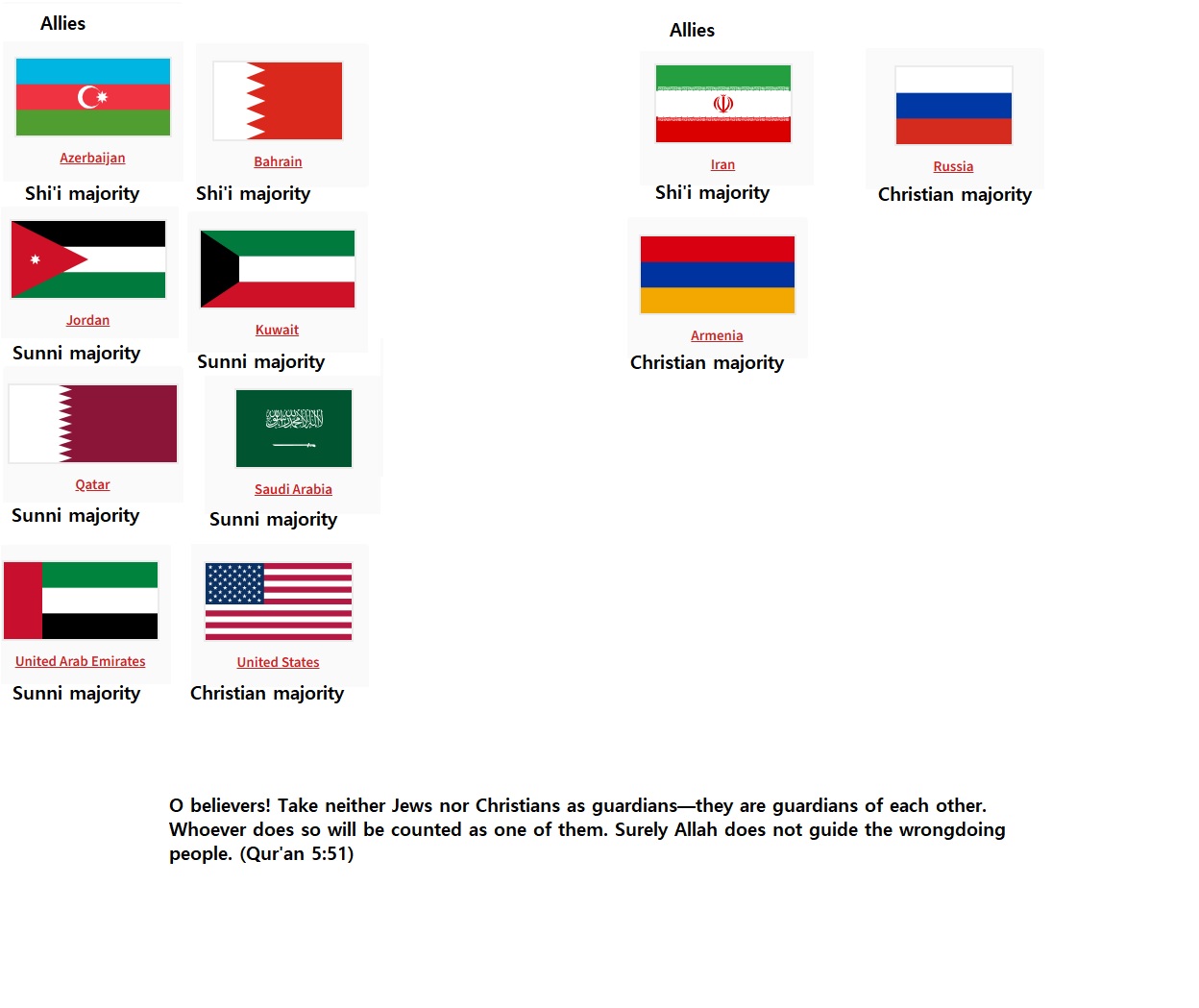

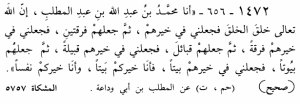
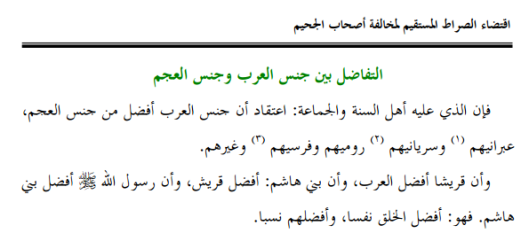
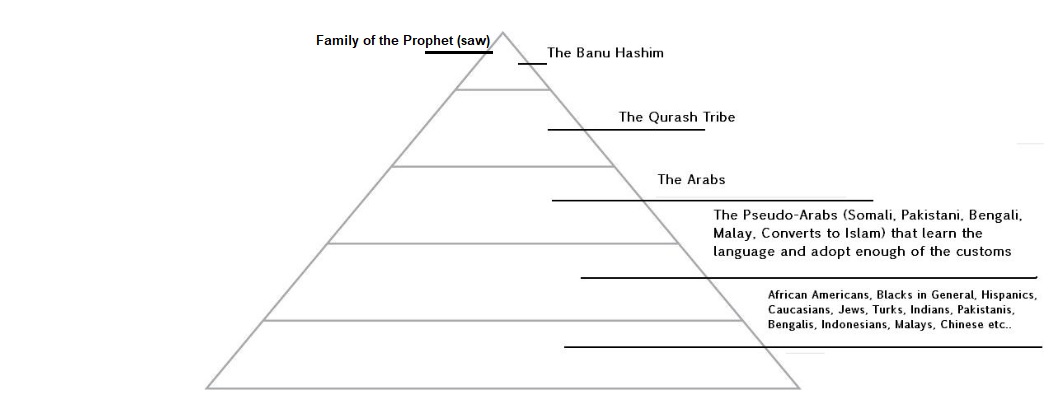
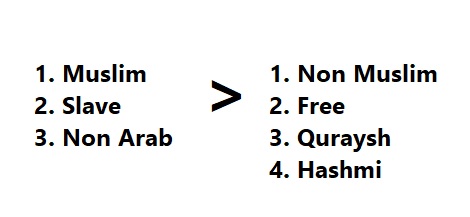

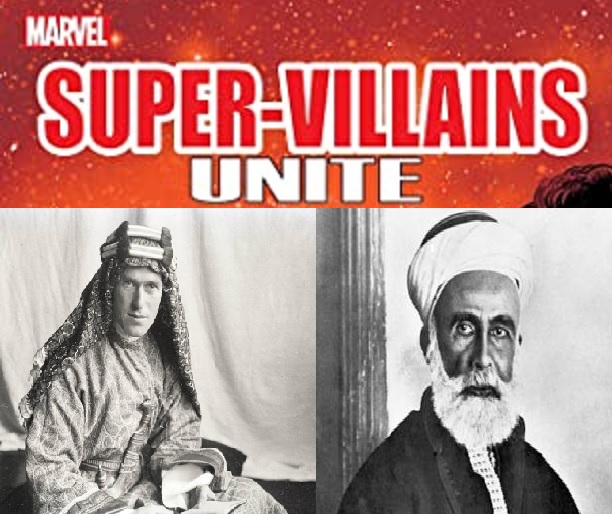
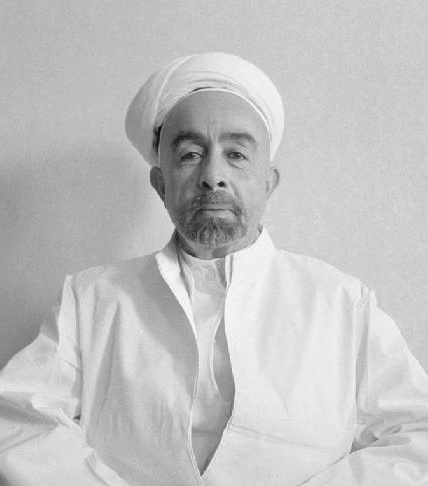
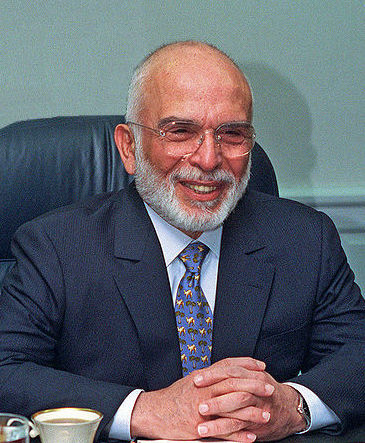
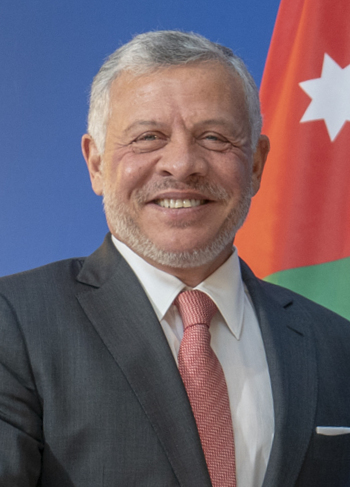
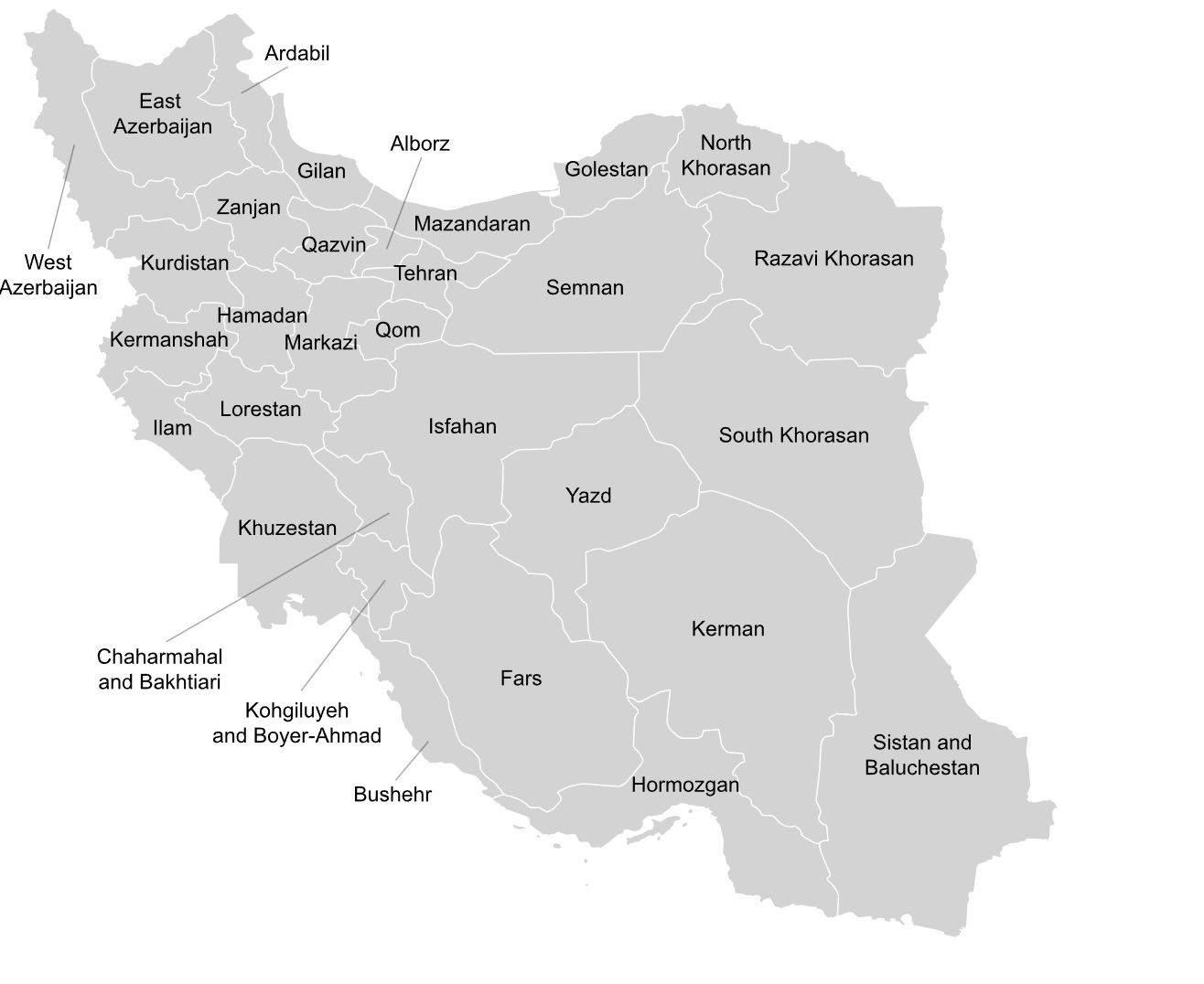
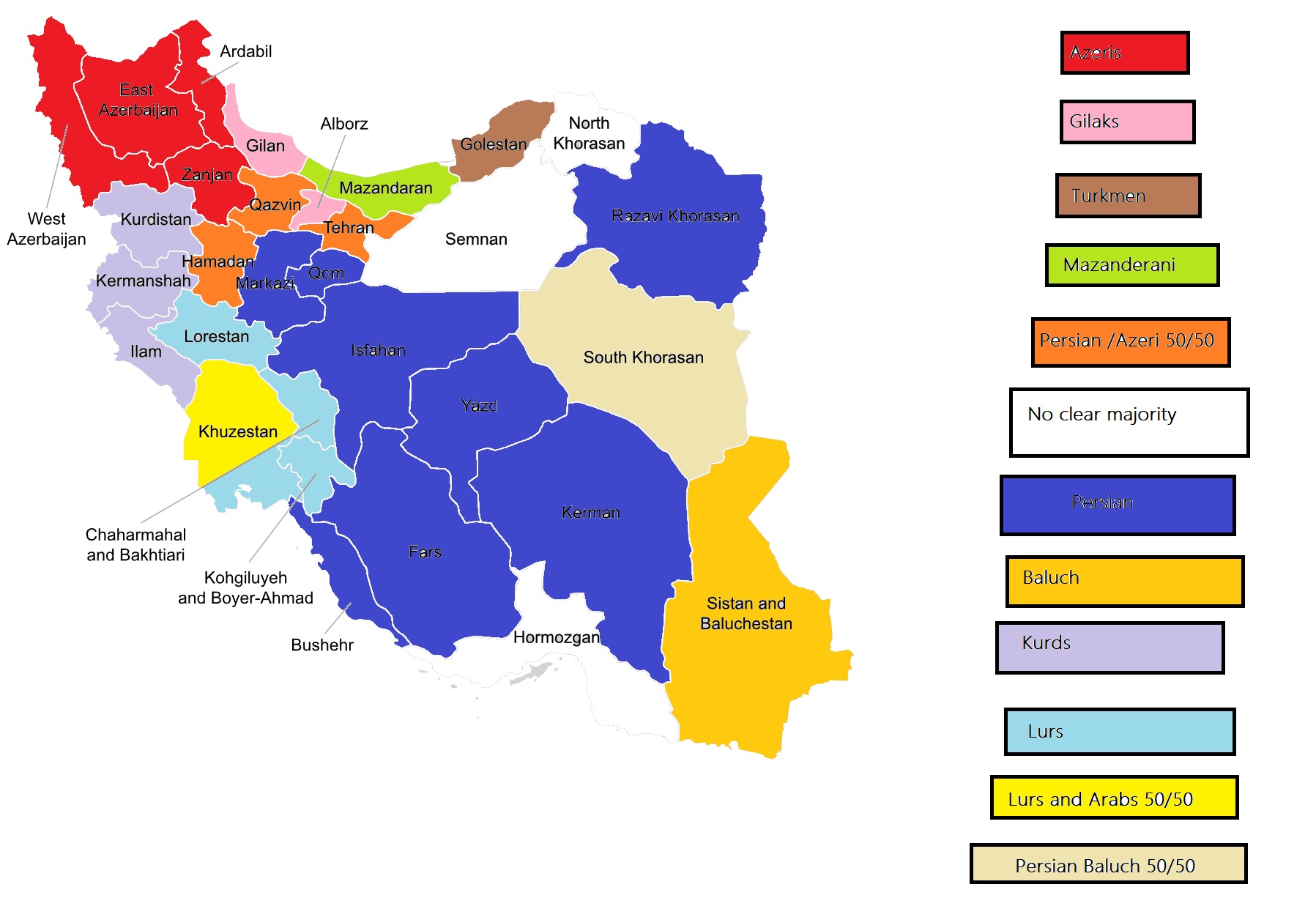
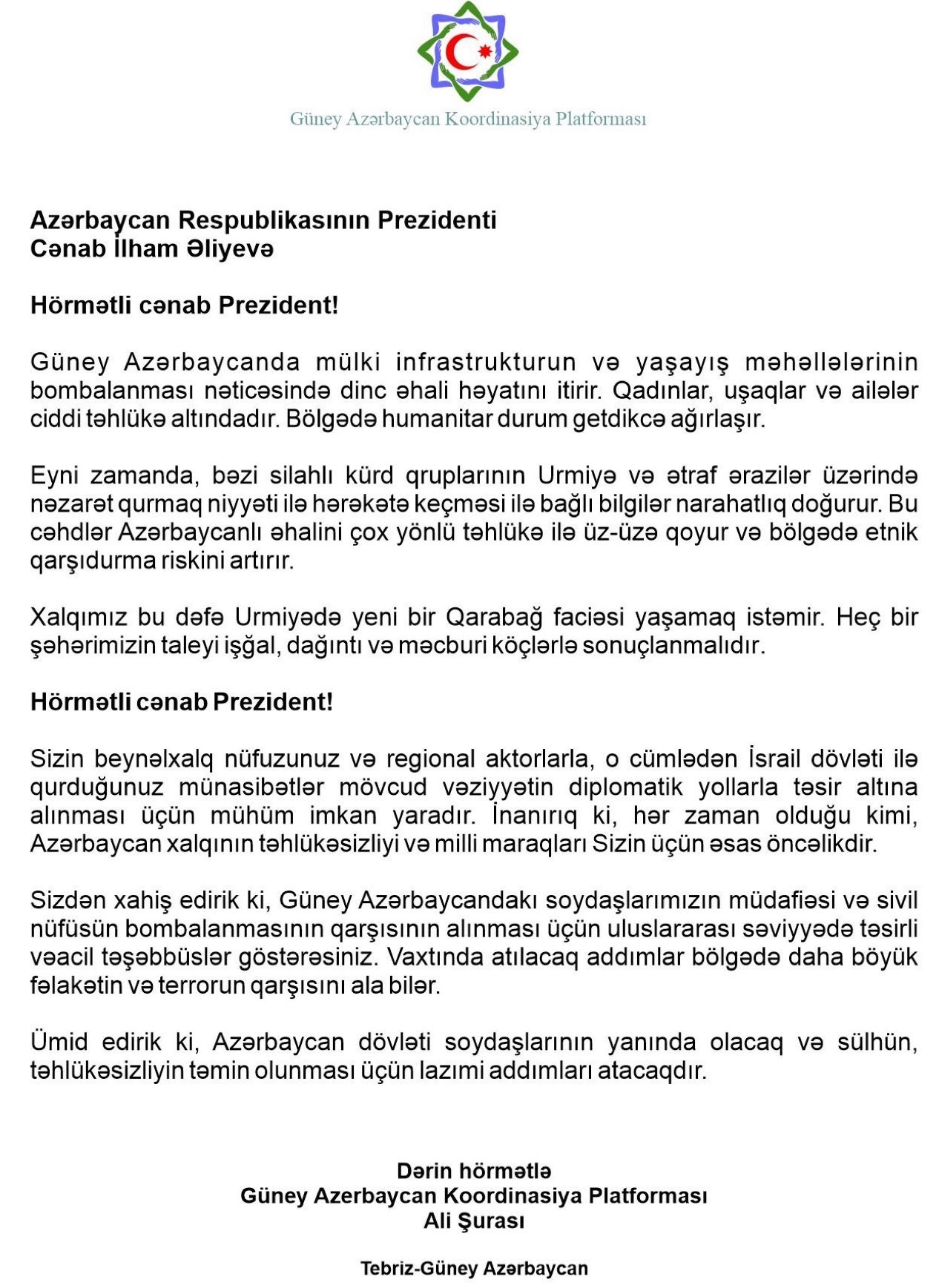
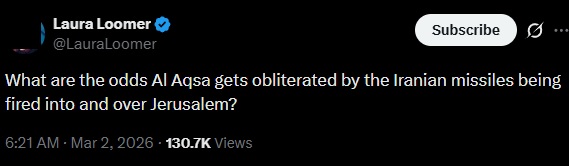


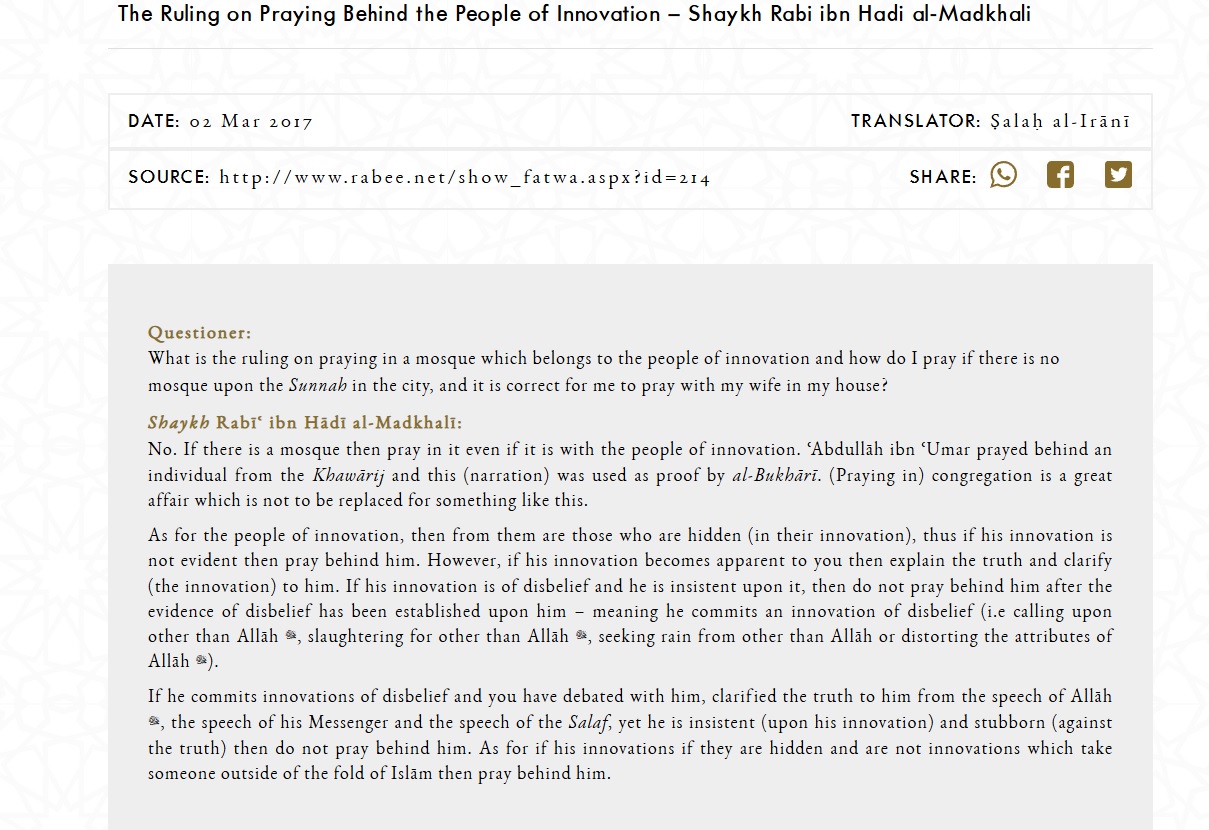
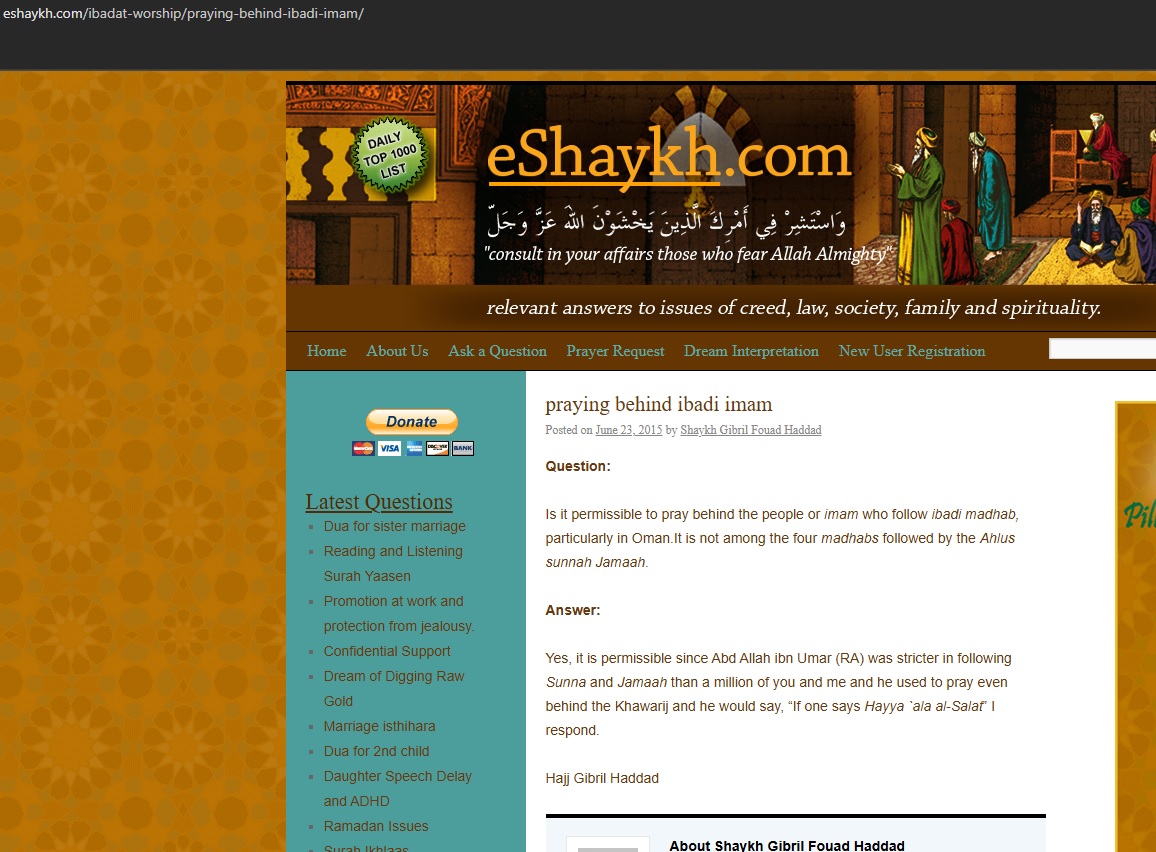
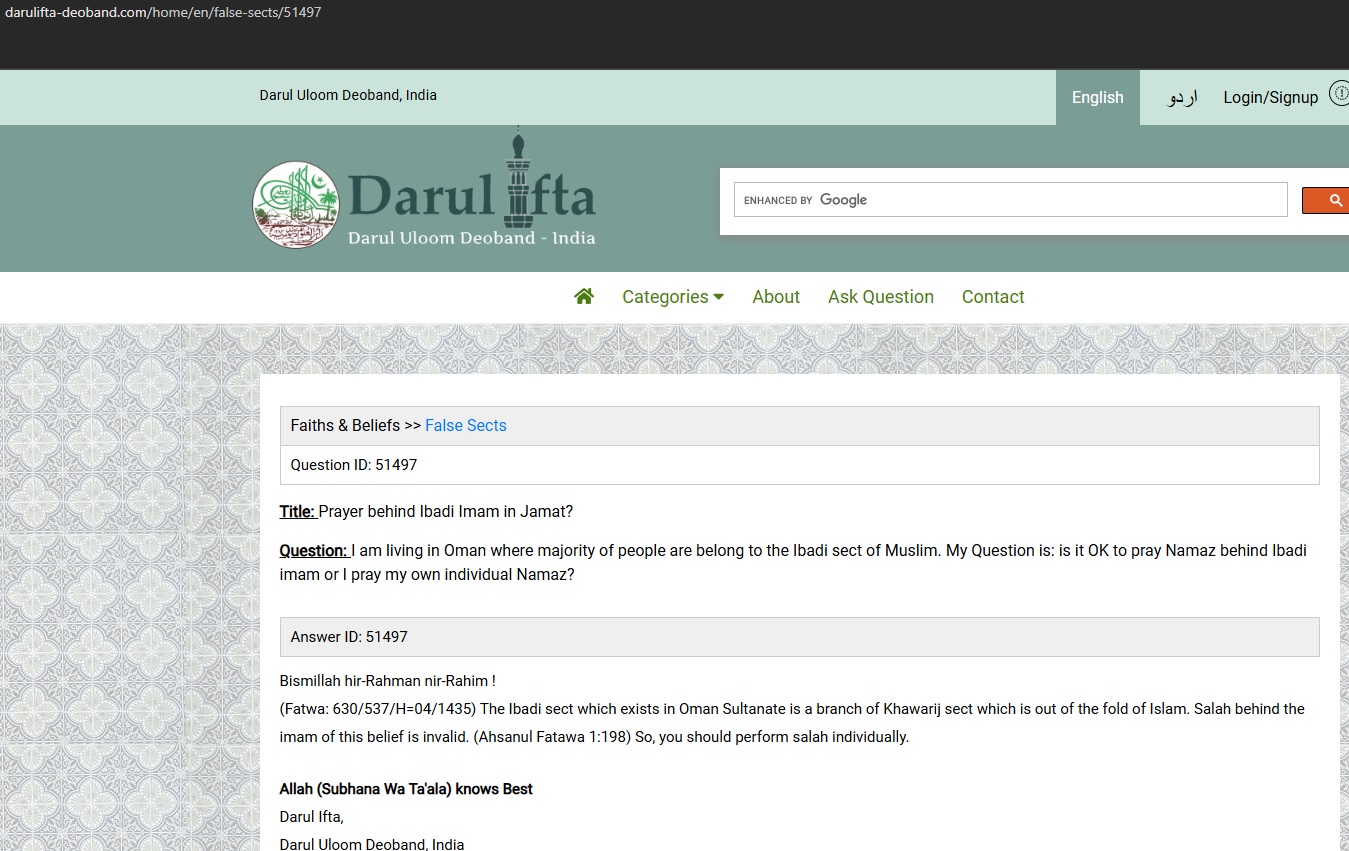

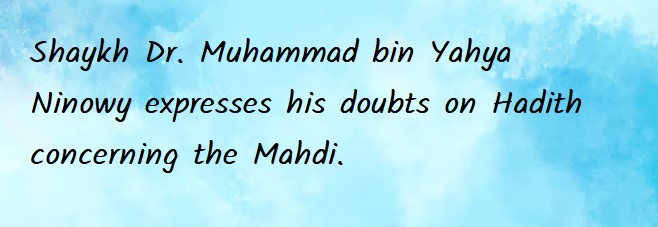


 Prima Quran