“And hold firmly together to the rope of Allah and do not be divided. Remember Allah’s favour upon you when you were enemies, then He united your hearts, so you—by His grace—became brothers. And you were at the brink of a fiery pit and He saved you from it. This is how Allah makes His revelations clear to you, so that you may be ˹rightly˺ guided.” (Qur’an 3:103)
﷽
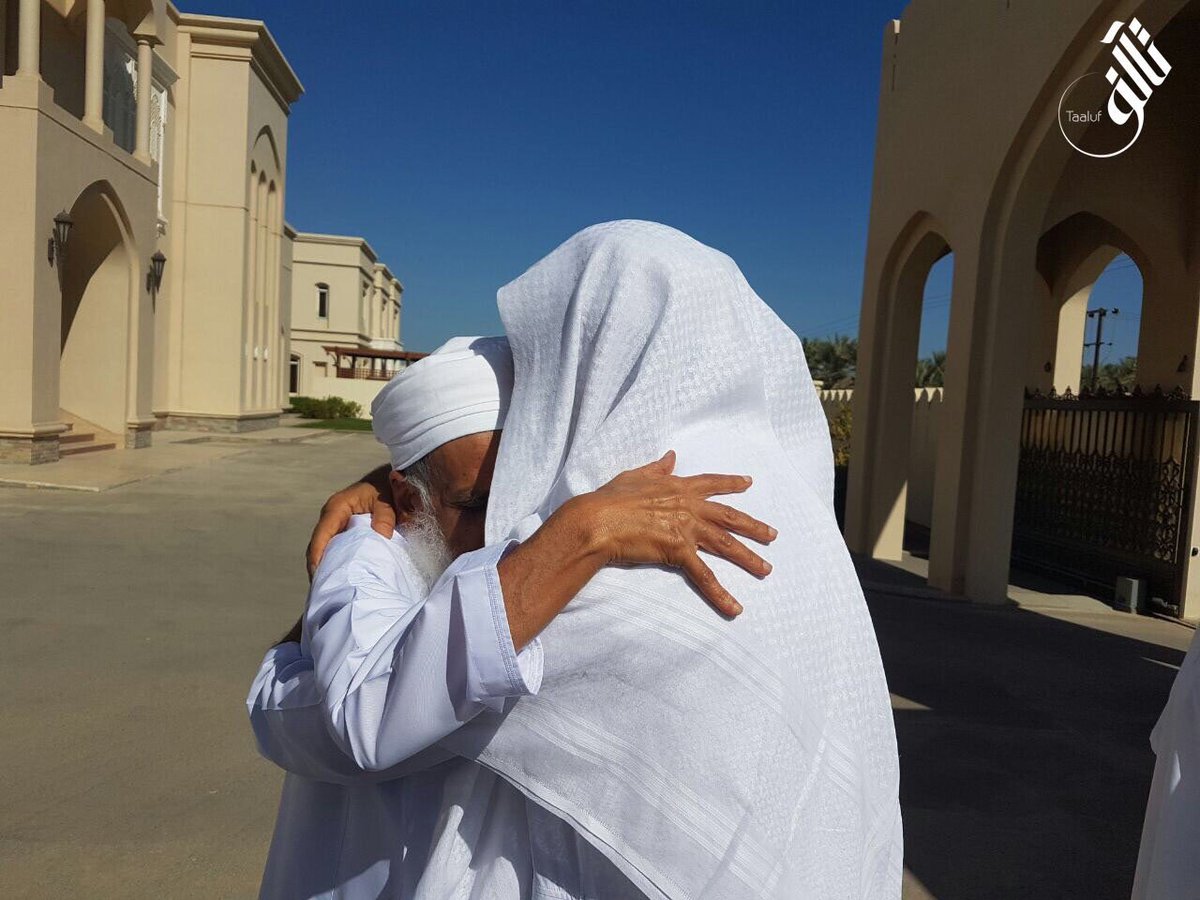
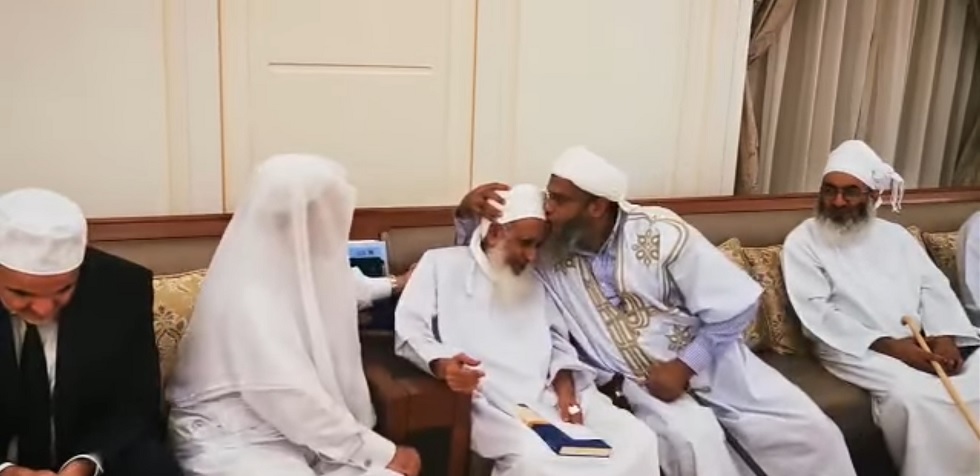
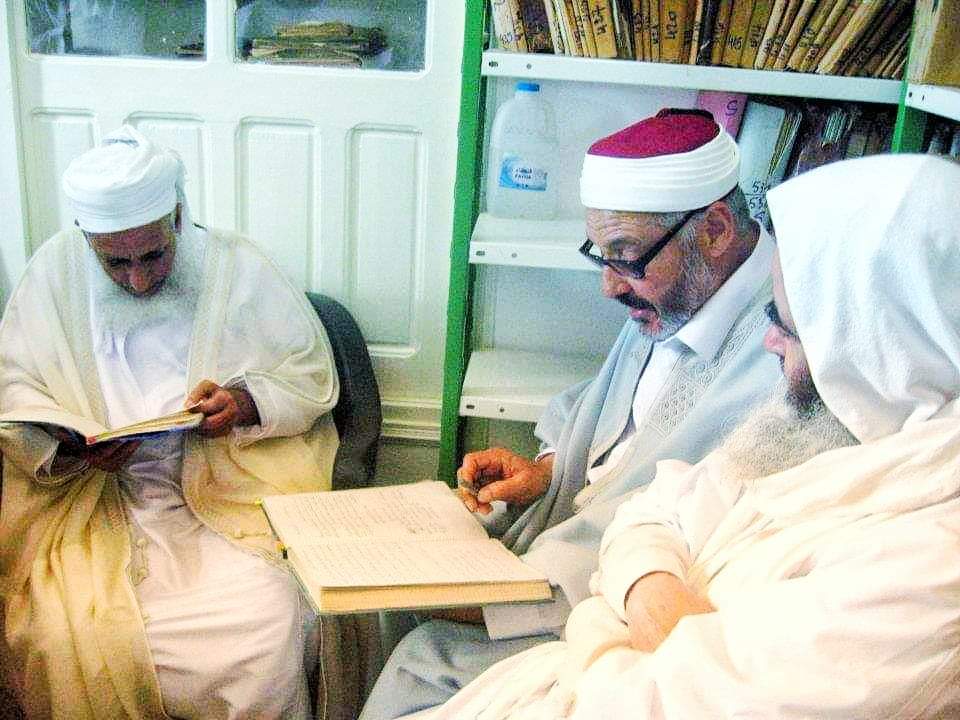
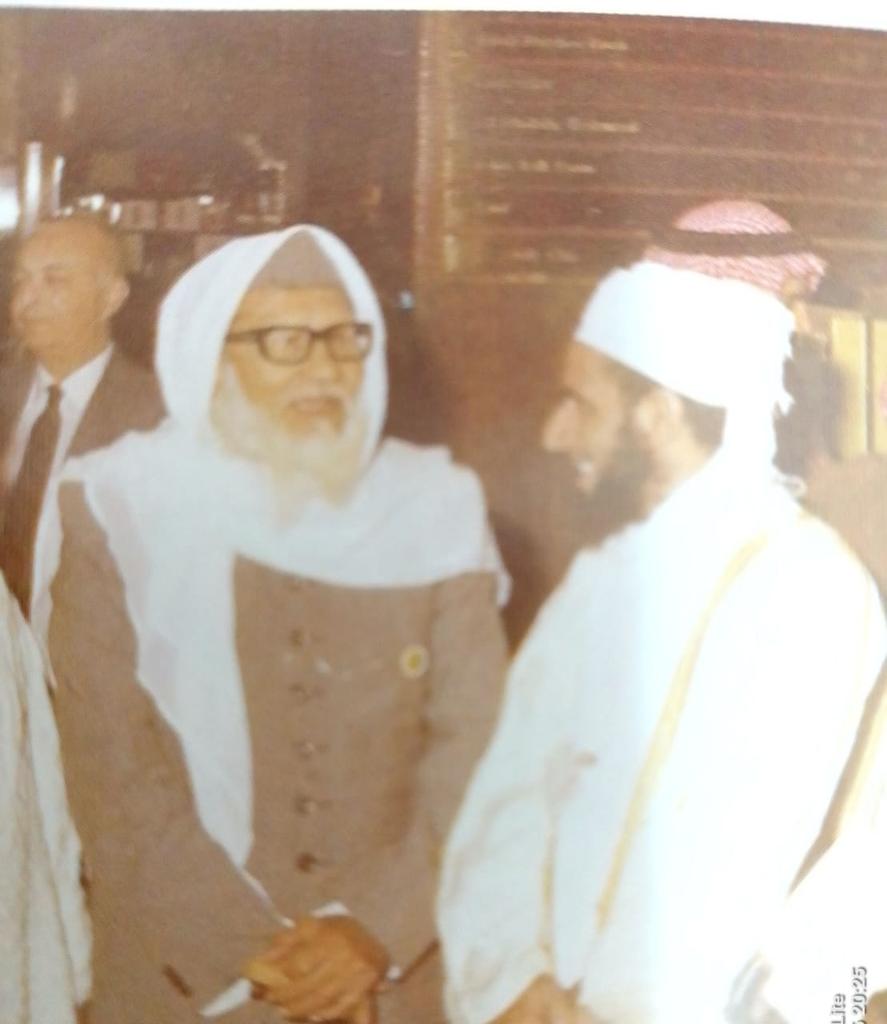
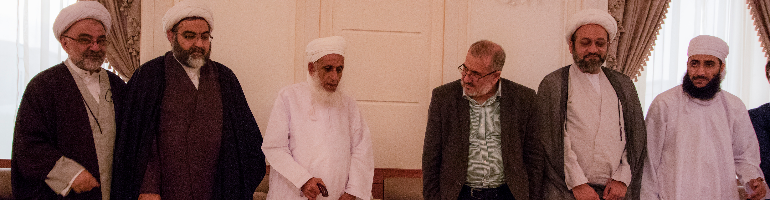
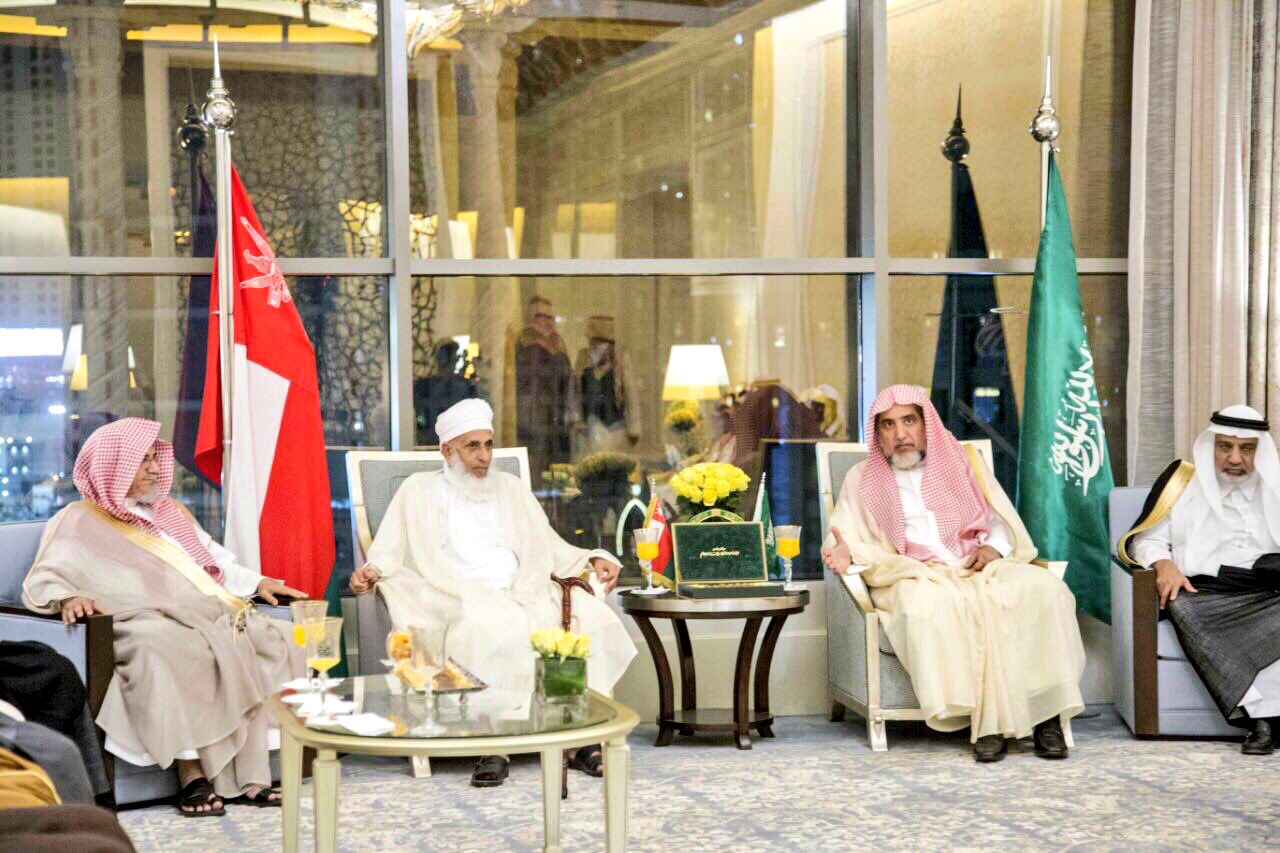
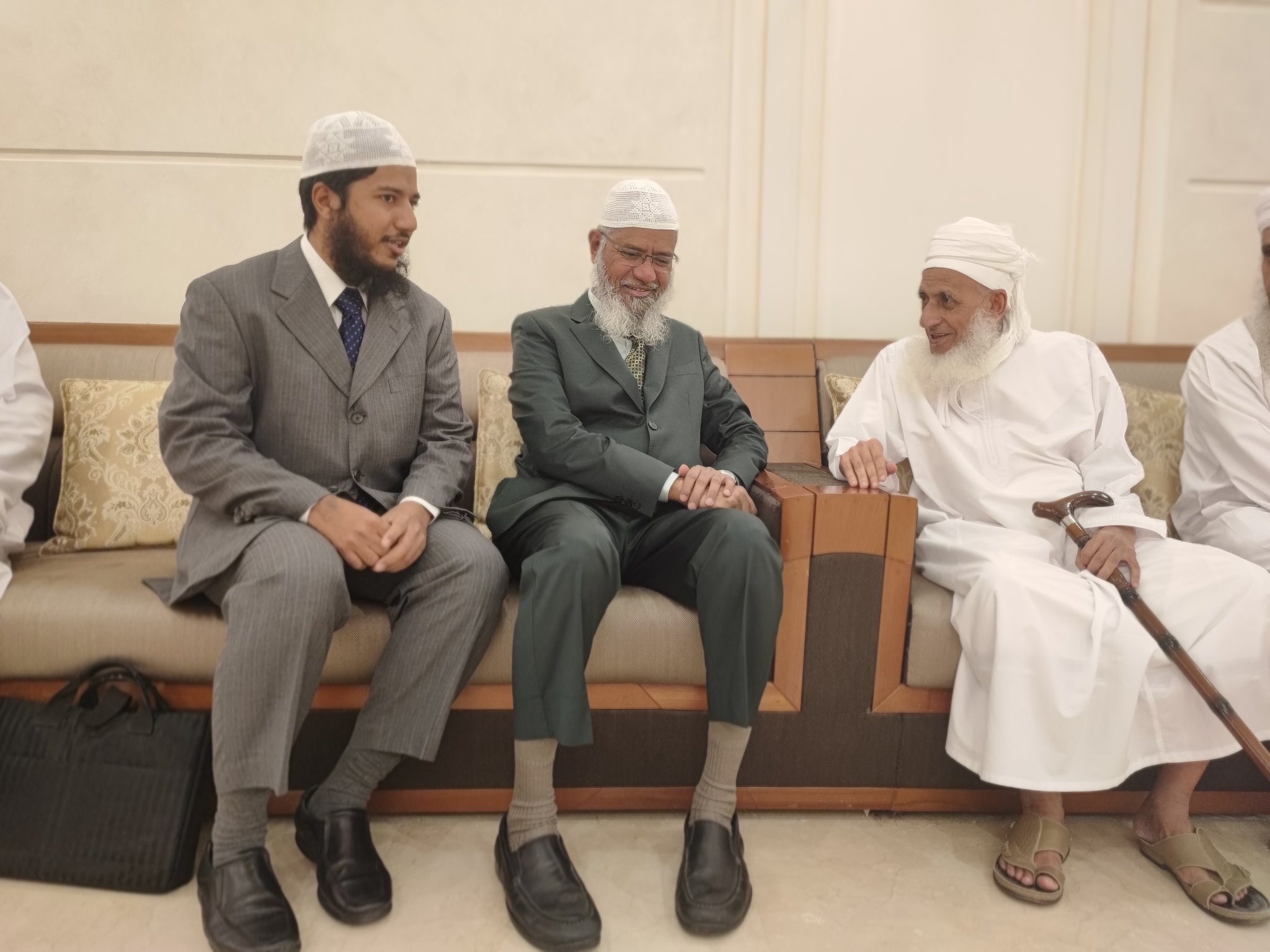
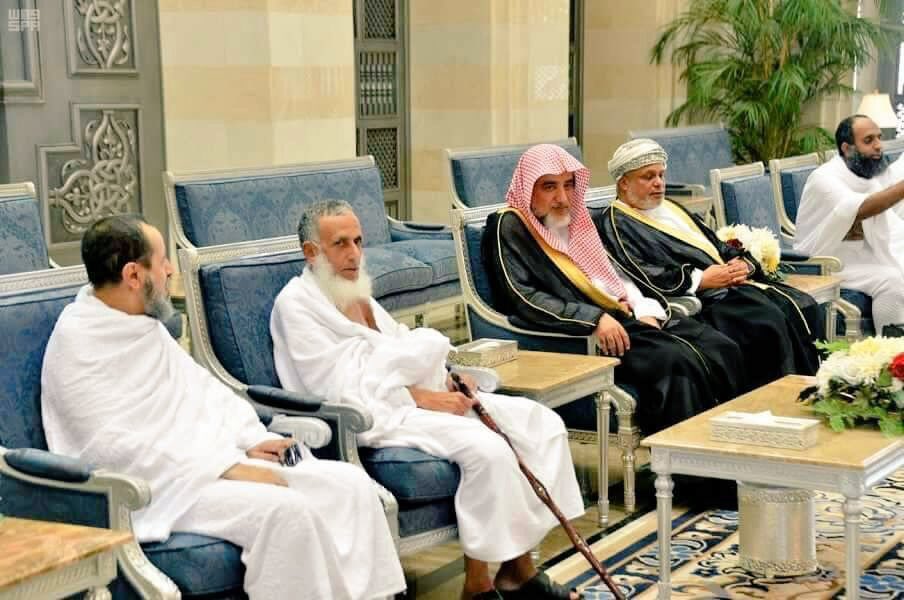
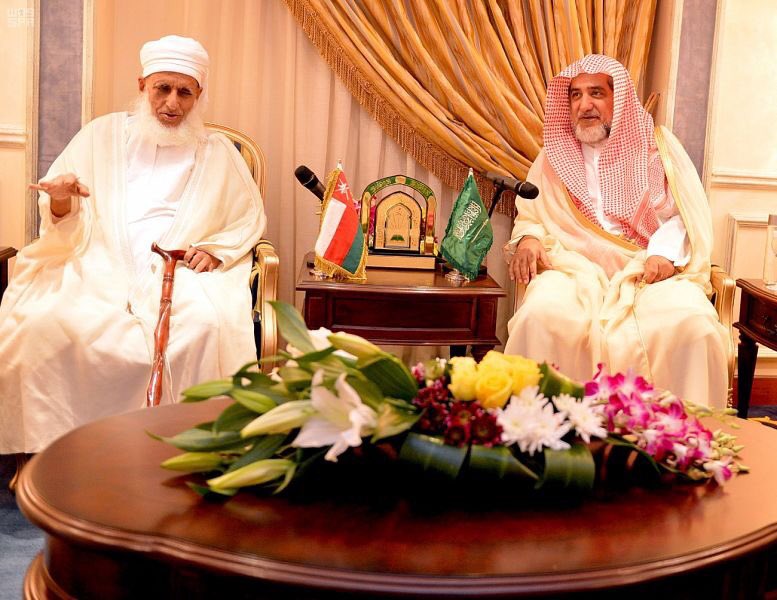
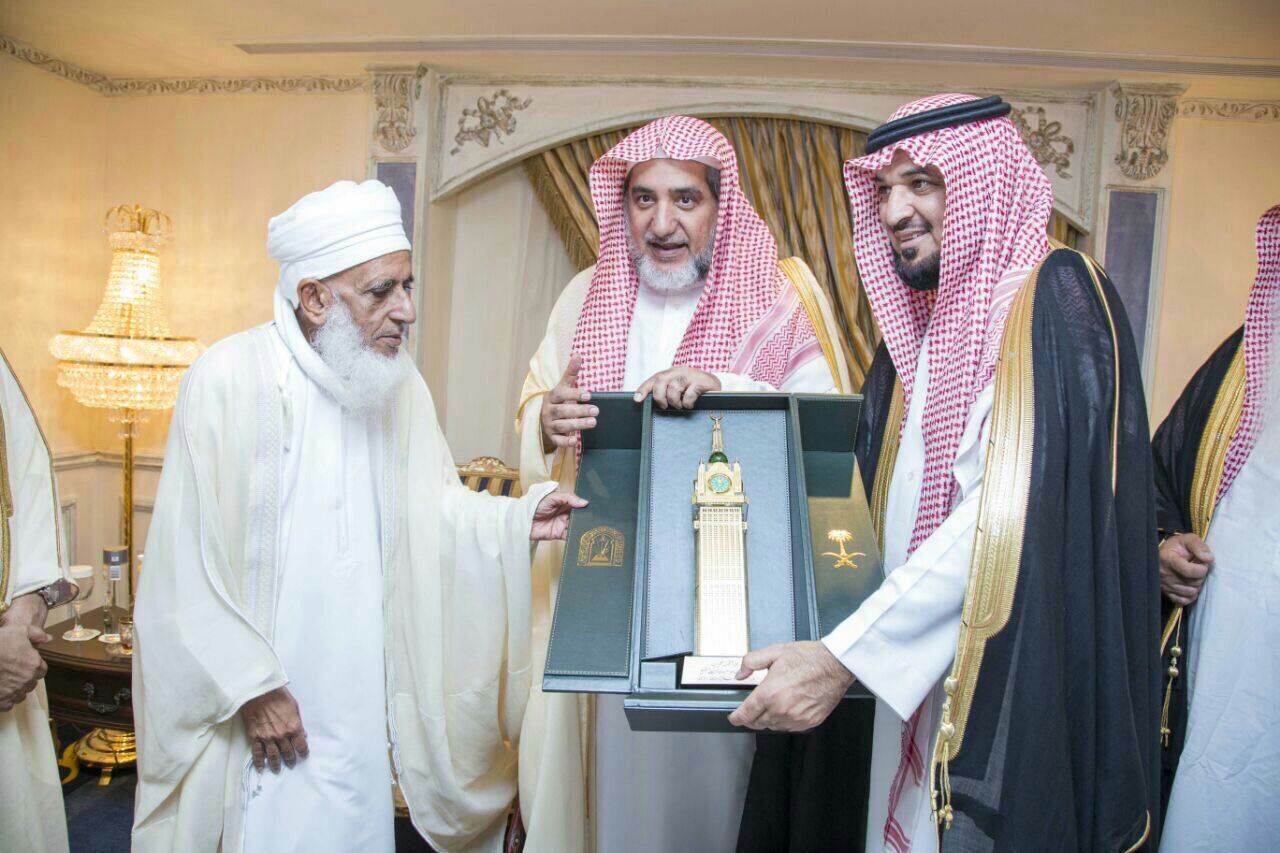
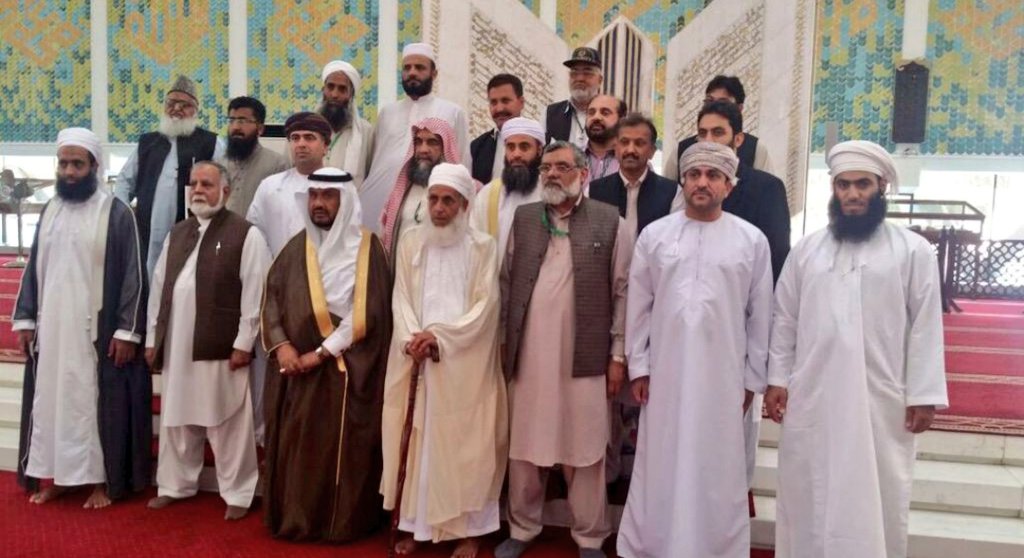
As they say a picture is worth a thousand words.
Like any school of Islam of course we believe that our school is upon haqq. Yet our scholars study and take from the works of the great scholars across all schools. That is because we firmly believe on this verse:
“He gives wisdom to whom He chooses, and whoever is given wisdom is blessed abundantly. But only insightful people bear this in mind.” (Qur’an 2:269)
We want more cooperation and harmony among the Muslim Ummah. We want Muslims to work together to solve the challenges confronting this Ummah.
ونحن لا نطالب العباد
فوق شهادتيهم اعتقاداً
فمن اتى بالجملتين قلنا
إخواننا وبالحقوق قمنا
إلا إذا ما نقضوا المقالا
أو أحدثوا في دينهم ضلالا
قمنا نبين الصواب لهم
ونحسبن ذاك من حقهم
And we do not obligate over servants[of Allah] over their shahada any belief. Whoever came with the two testimonies we say our brothers and we treat them with their rights, unless they break the religion; or they created in their religion an error. Than we will show the truth to them, and we will consider this their right.
Source: (From the poem كشف الحقيقة لمن جهل الطريقة for Imam Noor Al-Deen Al-Salemi) -May Allah have abundant mercy on him.
Sheikh Ahmad bin Hamad Al-Khalili أحمد بن حمد الخليليSheikh Ahmad bin Hamad Al-Khalili أحمد بن حمد الخليلي
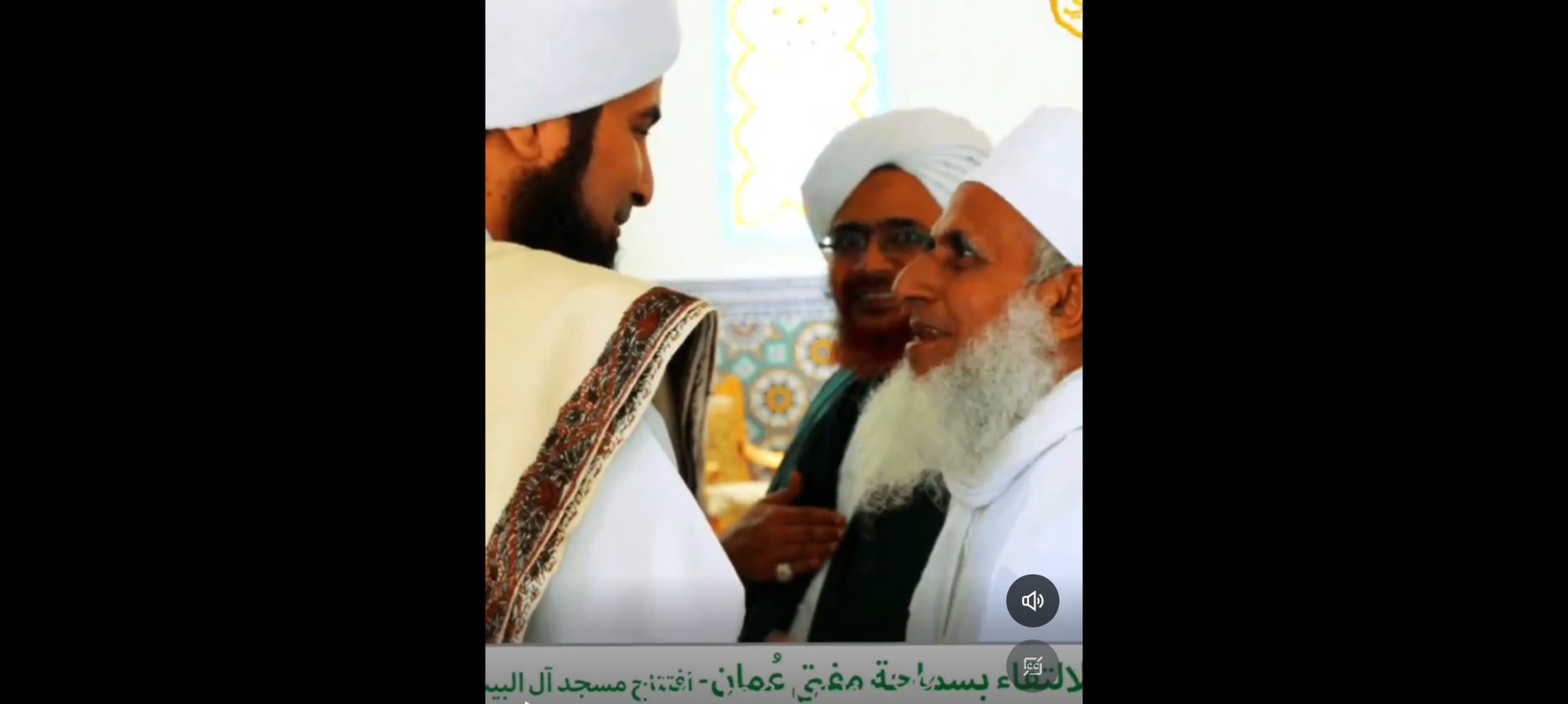
A special prayer meet was organised at Markazu Saquafathi Sunniyya for Sultan Qaboos Bin Said. Grand Mufti of India مفتي جمهورية الهند led the prayer and he requested all believers in India to pray for Sultan Qaboos Bin Said at Mosques and Madrasas.
Under the leadership of Umar bin Abdul-Aziz the Ibadi school sent a group of six great scholars, J’afer bin A’Simak, Abu AlHur Ali bin AlHusain Al’Anbri, AlHattat bin Kateb, AlHabab bin Kulaib, Abu Suyan Qanber AlBasri, and Salim bin Thakwan among other unnamed scholars,(May Allah have his mercy upon them all)
Non-Ibadi historians mentioned these delegates to Umar bin Abdul-Aziz though they said with their usual insinuation: “The Khawarij sent him a delegation”. However, they did not mention what happened between them and the Caliph Umar and his acceptance of all their suggestions about spreading justice and purging the country of the Umayyad tradition of cursing Ali from the pulpit. The Ibadi delegation said to Umar, “Muslims are cursing from pulpits in mosques, so this evil tradition must be changed”. Thus, Umar replaced it with the words of Allah:
“Indeed, Allah orders justice and good conduct and giving to relatives and forbids immorality and bad conduct and oppression. He admonishes you that you remember”, (Qur’an 16: 90)
May Allah (swt) guide the Ummah.
May Allah (swt) forgive the Ummah.
You may also be interested in reading the following:
This remains true as the people M’zab valley Algeria, Nafusa Mountains in Libya, Djerba Tunisia, have remained steadfast upon the Haqq. As well as the revival of the Qur’an and Sunnah via the Ibadi school among the Hausa, Tuareg, and Fulani peoples. Al hamdulillah!
It is hard to imagine how this paper granted Jason Van Riel a Master’s thesis. I have said it before and I will say it again. Universities are basically just handing credentials to people.
I can’t imagine writing about another people’s history, culture and religion and writing with the type of smug dismissiveness and pretention that Orientalist and others often write with.
It is simply gross.
1st Jason van Riel rides on the tired coattails of the Ibadis being Khawarij and worse yet, a sect from among the Khawarij; and even bigger blunder rest assured.
We can see this in his thesis where he states:
He asserts: “Ibāḍī Islam has its origins in the Khārijite sect that came into existence during the first fitna (37/657), the civil war…”
“although the Ibāḍīs were not Azraki they were still a Khārijite sub sect.”
“To ensure that Ibāḍī traders were not restricted in and around Sijilmasa, to the commercial and financial advantage of both the Rustamids and Midrārirds, the two ruling houses frequently intermarried with each other, even though they were of rival Khārijite sects.”
Calling groups of Muslims by the pejorative labels used by their opponents is anything but academic.
To support my position on why I believe universities almost feel obligated to confer credentials upon people because they paid their course fees will be readily seen. How on Earth does one read a paper like Jason Van Riel and not wonder what basis are his smug and dismissive comments made?
Here just some samples:
“Although it must be noted that only the Ibāḍī doctrine of “all-Muslim equality regardless of social or ethnic origin” was what the Berbers cared for, they had very little interest in any of the other aspects of Ibāḍīsm and Khārijism.”
For example if I am reading his paper I would press him. Van Riel on what basis did you draw this conclusion?
“The control and maintenance of these trade routes was an important source of income for these Berber tribes, either through the levying of tolls or through the blackmail of merchants travelling the roads under their control.”
Again you have to wonder where Van Riel has basis for this. Why would you need to blackmail travelers via trade routes that are mutually beneficial for all involved?
Does it not occur that if trade routes are the subject of blackmail they become troublesome?
“And even though the Arab chroniclers would want to have the their readers believe that the local rulers of Bilād al-Sūdān were Muslim (and converted in a most spectacular fashion) they were in most cases Muslim in name only.”
This is the type of comment that a non serious person would make. This is where if I were grading Van Riel’s paper I would ask him why does he need to muse on the intentions and sincerity of people’s conversion to Islam? If he said it was perhaps possible that some were not sincere that maybe possible.
However, to assert : “They were in most cases Muslim in name only.” It is really hard to see this as unacademic disdain.
However it is perfectly fine for orientalist and so called historians to “fill in the blanks” so to speak.
We read:
“One of the main concerns that this thesis faces is a lack of available sources, and this will be explained – along with an elaboration of the available sources – in the next section. In my opinion it is important for scholars to be creative when they face a lack of sources, as this does not entail that historical events did not occur. In combination with this I also strongly believe in Karl Popper’s criterion of falsifiability whereby “only if I can say how my theory might be refuted, or falsified, can I claim that my theory has the character of an empirical theory.”
This is very cringe.
Then Van Riel also states:
“Even if these sources can be located, the families owning them are wary of outsiders digging through their, sometimes centuries old, papers for fear of “secrets” being divulged.“
He doesn’t care to elaborate what these “secrets” might be. Just another off the cuff comment that strikes one as truly bizarre. In fact, this would have been a perfect opportunity for Van Riel to make another smug remark about other cultures by saying something along the lines of:
“Given the poverty that many people face in these countries, historians should seize the opportunity as locals would only be too willing to hand over parchments for a paltry sum!”
Surprised he didn’t!
Van Riel states:
The main problem with Lewicki’s work is that his articles tend to focus on a single category and, more importantly, Lewicki is considered to have approached Ibāḍī documents uncritically. Or as E. Savage puts it: “Curiously, Lewicki never takes up the theme of the historiographic context of his Ibāḍī sources but appears to have accepted them a priori as historical.”
Huh?! The treachery of it all! Imagine! Allowing a people to present their own history and narrative!
The orientalist must always approach and other the ‘other’ as being dishonest, having a motive and or an agenda. Did it not occur to Van Riel that even Ibadi opponents acknowledge our honesty and transparency.
Kitman is one thing when needed. Yet, lying is a major sin. We do not play with fire!
So that is my critique. I did find the thesis informative over all.
These are some notable bits of information.
“Even though Ibāḍī merchants were not the first Muslims to reach Bilād al-Sūdān, they did end up staying to ensure that the trans-Saharan trade became a constant source of gold and slaves for the north and salt and other general trade goods for the south.”
“It is generally believed that in pre-Almoravid times the majority of Muslim merchants in Bilād al-Sūdān, those who originated from the Maghreb, were Ibāḍī.”
According to Professor T. Lewicki’s research the Ibāḍī merchant-shayks where very active missionaries who tried to convert the pagan populace in Bilād al-Sūdān to Ibāḍīsm. And Lewicki continues by stating that these Ibāḍī merchant-shayks represented “the only form of Islam in West Africa, until the Almoravids brought their Sunni-Islam.”
“The reason why it is generally accepted that the kings of Ghana were converted to Ibāḍī Islam was because of the combination of Ibāḍī architecture used for the Grand Mosque of Gao, the capital of Ghana, and because of the historically close ties between Gao and Tahert, since the 2nd/8th century, that still existed when the kings of Ghana converted to Islam.”
“After the rulers of Ghana were defeated by the Almoravids and forced to convert to Sunni Islam (Malikite Islam), halfway through the 5th/11th century, Tādmekka became one of the many towns in the western part of Bilād al-Sūdān that was cleansed of all Ibāḍī influences
“Because many prominent Ibāḍī ‘ulamā’ had left Basra for either Oman or the Maghreb, its Ibāḍī community went through a period of intellectual decline which ultimately meant that it lost its position as the most important center of theology and jurisprudence in the Ibāḍī world.”
“It was not long before Ibāḍī merchants could be found all the way from the Maghreb to India, and it is even alleged that Ibāḍī merchants were amongst the first to set up business ventures in China.”
“They made not a just estimate of Allah such as is due to Him. ” (Qur’an 39:67)
﷽
So Shaykh Uthaymeen was asked about Allah’s blanket.
The questioner says, can we say it is a metaphor?
Uthaymeen is agitated. “Will you say to Allah on judgement day that he doesn’t have a blanket?!”
If you want to perfect your aqidah (your creed) in accordance with this bizarre sect then if it is affirmed that Allah (swt) has a blanket are you going to deny this?!
You may also be interested in reading the following:
“Hikmetle ve güzel öğütle Rabbinin yoluna çağır ve onlarla en güzel biçimde mücadele et. Kuşkusuz Rabbin, işte yolundan sapanları en iyi bilen O’dur ve O, yola gelenleri de en iyi bilendir.” (Qur’an 16:125)
﷽
İslam Mezhepleri Tarihi – İbadilik – DPÜ İslami İlimler Fakültesi
Yrd. Doç. Dr. Abdullah İbn Said AL-MAMARİ “İbadilik ve Günümüzdeki Durumu”
Bunlar kardeşimiz tarafından Türkçe’ye çevrilmiş bazı videolar. Allah onu korusun
“Kabirlerde Kuran okunur mu? – Şeyh Kahlan el-Kharousi cevaplıyor”
Ölmüş olan bir kimse için kesin olarak cennetliktir veya cehennemliktir diyebilir miyiz?
“Tağut kimdir ve nedir? – Şeyh Raşid bin Seyf el-Rabi açıklıyor”
“Cennet sadece Ibadiler için mi? – Şeyh Salim bin Khalfan açıklıyor”

























 Prima Quran