Tag Archives: baraah

Walayah & Bara’ah & Wuqoof or Association & Shunning and Pausing in the Ibadi school

“Your only friends (waliy) are Allah, His Messenger, and fellow believers—who establish prayer and pay alms-tax with humility.” (Qur’an 5:55)

﷽ 

While many in our Ummah talk about the importance of ʿaqīdah (correct belief), one of the most important—and neglected—topics is the one I am about to address, in shā’ Allāh.

It is the lack of proper understanding and application of these principles that has left the Muslim Ummah, as well as many Muslim communities and individuals, in ruin.

Encouraging and inviting others to good is the hallmark of true believers in any sincere faith, while obstinate rebellion and persistence in it portend a ruinous end.

“You are the best community ever raised for humanity—you encourage good, forbid evil, and believe in Allah. Had the People of the Book believed, it would have been better for them. Some of them are faithful, but most are rebellious.” (Qur’an 3:110)

In many instances, we have become people who abandon the call to encourage good out of fear of ridicule and mockery. Yet, one should welcome such trials, for patience in the face of ridicule and mockery is the Sunnah of the Prophets (upon them all be peace).

On the other side of the spectrum are Muslims who mean well but whose approach is often filled with vitriol. Through their lack of manners, they end up pushing people away from the truth. May Allāh guide us.

Perhaps the English-speaking world’s first encounter with these concepts was through Professor Valerie J. Hoffman’s notable translation work, The Essentials of Ibāḍī Islam. I found the section on Walāyah & Barā’ah to be more suited for an advanced audience. Her choice to begin with Al-ʿAqīdah al-Wahbiyyah—by the esteemed scholar and Sufi Shaykh Nāṣir b. Sālim b. ʿUdayyam al-Rawāḥī (raḥimahullāh)—was an interesting one.

However, more than a decade has now passed, and as I am sure Professor Hoffman realized while in Oman, views are shifting. Thus, when one reads The Essentials of Ibāḍī Islam, the impression is that since the book quotes authoritative sources, it must represent current trends—though this is not necessarily the case.

Moreover, many of these teachings are ingrained in children from a young age. In fact, it is wājib (obligatory) upon reaching maturity to learn these matters. Nevertheless, Allāh (subḥānahu wa taʿālā) does not let any good deed be lost. Surely, she has her reward with her Lord.

The objective of this article, then, is to provide an overview of this fundamental teaching, so deeply ingrained in our school of Islam. Everything we do should be for the sake of Allāh (swt).

The Blessed Prophet (saw) said:

“If anyone loves for Allāh’s sake, hates for Allāh’s sake, gives for Allāh’s sake, and withholds for Allāh’s sake, he will have perfected his faith.”
Source: (https://sunnah.com/abudawud:4681)

The English say: “Blood is thicker than water.”
In Islam, we could say: “Faith is thicker than blood.”

Walayah, Bara’ah, and Wuqoof

1. What Do These Terminologies Mean?

Walayah (Affiliation):
To befriend someone for the sake of Allah—by following the Qur’an and Sunnah. This includes:

  • Praying for their entry into Paradise.
  • Speaking well of them.
  • Taking an interest in their well-being.
  • Maintaining contact, assisting them, and upholding friendship.

Proofs for Walayah from the Qur’an:

  • “The believers, men and women, are allies (awliyā’) of one another. They enjoin good, forbid evil, establish prayer, give zakāh, and obey Allah and His Messenger. It is they who will receive Allah’s mercy. Surely, Allah is Almighty, All-Wise.” (Qur’an 9:71)
  • “Know that there is no deity except Allah, and seek forgiveness for your sins and for the believing men and women.” (Qur’an 47:19)
  • “Muḥammed is the Messenger of Allah, and those with him are firm against the disbelievers yet compassionate among themselves.” (Qur’an 48:29)
  • “Cooperate in righteousness and piety, but do not cooperate in sin and aggression. And fear Allah; indeed, Allah is severe in punishment.” (Qur’an 5:2)
  • “Believers, do not take your fathers and brothers as allies (awliyā’) if they prefer disbelief over faith. Whoever does so is unjust.” (Qur’an 9:23)
  • “Ibrāhīm’s plea for his father’s forgiveness was only because of a promise he had made. But when it became clear that his father was an enemy of Allah, he disassociated from him. Indeed, Ibrāhīm was tender-hearted and forbearing.” (Qur’an 9:114)
  • “You will not find those who believe in Allah and the Hereafter loving/showing affection to (yuwadduna) those who oppose Allah and His Messenger—even if they are their fathers, sons, brothers, or kin. For such believers, Allah has inscribed faith in their hearts and strengthened them with His spirit. He will admit them into Gardens beneath which rivers flow, where they will abide forever. Allah is pleased with them, and they are pleased with Him. They are the party of Allah, and it is they who will succeed.” (Qur’an 58:22)

Bara’ah (Dissociation):
To disassociate from someone for the sake of Allah—due to their major sins, persistence in minor sins, or ingratitude toward Allah through their actions or negligence. This means:

  • Distancing oneself from such a person.
  • Being released from the obligations owed to them as a believer (similar to being freed from a debt).

Proofs for Bara’ah from the Qur’an:

  • “Whoever allies themselves with them (disbelievers) is indeed one of them.” (Qur’an 5:51)
    • This indicates that whoever befriends a disbeliever (mushrik) or hypocrite becomes like them.
  • “Do not ally yourselves with a people with whom Allah is angry.” (Qur’an 60:13)
    • Major sinners are among those with whom Allah is angry.
  • Let not the believers take disbelievers as allies instead of believers.” (Qur’an 3:28)
  • Those who believed, emigrated, and struggled in Allah’s cause with their wealth and lives—and those who sheltered and aided them—are allies to one another. But as for those who believed yet did not emigrate, you owe them no alliance unless they emigrate. However, if they seek your help in religious matters, you must assist them—except against a people with whom you have a treaty. Allah is All-Seeing of what you do.” (Qur’an 8:72)
    • This verse shows that even believers who failed to emigrate were denied full walāyah until they corrected their stance.
  • This is a declaration of disassociation from Allah and His Messenger to the polytheists with whom you had treaties.” (Qur’an 9:1)

General Guidelines for Bara’ah:
Bara’ah applies to individuals whose misdeeds are known, falling into two categories:

  • (A) Those who commit major sins (kabā’ir).
  • (B) Those who persist in minor sins.

Conditions for Applying Bara’ah:

  1. Confession: The person admits to their sin.
  2. Personal Witness: You see them commit major sins or persist in minor sins.
  3. Testimony of Two Just Witnesses.

Wuqoof (Reservation/Suspension of Judgment):
To pause, evaluate, and refrain from hasty judgment. It means:

  • Slowing down.
  • Assessing carefully.
  • Remaining ambivalent when uncertain.

Evidence for Wuqoof:

  • Ḥadīth: Mu‘ādh ibn Jabal reported that the Blessed Prophet (saw) said when sending him to Yemen:
    “Do not judge or decide except based on what you know. If you are uncertain about a matter, wait until you understand it fully, or write to me concerning it.”
  • Source: (https://sunnah.com/ibnmajah:55)
  • Although some scholars consider this ḥadīth weak, it is supported by the Qur’an.
  • “Do not follow what you have no knowledge of. Indeed, the hearing, sight, and heart—all will be questioned.” (Qur’an 17:36)

Human Affairs Fall into Three Categories:

  1. Clearly Right: Follow it.
  2. Clearly Wrong: Avoid it.
  3. Unclear/Doubtful: Leave it to Allah.

The Three Types of Walayah

  1. Walayah al-Haqiqah – The real friendship. This is a matter of theology.
  2. Walayah al-Dhahir – The apparent friendship. This is a matter of jurisprudence.
  3. Walayah al-Jumlah – The general or common friendship. This is a matter of jurisprudence.

The Three Types of Bara’ah

  1. Bara’ah al-Haqiqah – The real dissociation. This is a matter of theology.
  2. Bara’ah al-Dhahir – The apparent dissociation. This is a matter of jurisprudence.
  3. Bara’ah al-Jumlah – The general or common dissociation. This is a matter of jurisprudence.

Walayah al-Haqiqah – The Real Friendship with Allah

What does it mean to have real walayah with Allah ?

It means Allah (swt) is the ultimate Judge and knows the innermost details of every human being. He knows best who will die upon true faith. The only forms of walayah we as human beings can have with each other are dhahir (apparent) and jumlah (general).

Is There Any Proof from the Qur’an for This?

“Invite to the way of your Lord with wisdom and good instruction, and argue with them in a way that is best. Indeed, your Lord is most knowing of who has strayed from His way, and He is most knowing of who is [rightly] guided.” (Qur’an 16:125)

“The decision is only for Allah, He declares the truth, and He is the Best of judges.” (Qur’an 6:57)

Is there any other proofs?

‘Abdullah bin ‘Utbah bin Mas’ud reported:

I heard ‘Umar bin Al- Khattab (ra) reported saying: “In the lifetime of Messenger of Allah (saw) some people were called to account through Revelation. Now Revelation has discontinued and we shall judge you by your apparent acts. Whoever displays to us good, we shall grant him peace and security, and treat him as a near one. We have nothing to do with his insight. Allah will call him to account for that. But whosoever shows evil to us, we shall not grant him security nor shall we believe him, even if he professed that his intention is good.”

Source: (https://sunnah.com/riyadussalihin:395)

Walayah al-Haqiqah – Those in the Real Friendship with Allah are as follows:

The first and most obvious examples are those preserved from sin or died having all sins forgiven:

  • Angels
  • Prophets
  • Messengers of Allah

1. Eve & Adam (upon them peace), the Mother & Father of Mankind

“They said, ‘Our Lord, we have wronged ourselves, and if You do not forgive us and have mercy upon us, we will surely be among the losers.'” (Qur’an 7:23)

2. Aisha (ra), the Mother of the Believers

“The Prophet is more worthy of the believers than themselves, and his wives are their mothers…” (Qur’an 33:6)

3. The Angels

“O you who have believed, protect yourselves and your families from a Fire whose fuel is people and stones, over which are [appointed] angels, harsh and severe; they do not disobey Allah in what He commands them but do what they are commanded.” (Qur’an 66:6)

4. The Believers Persecuted by the People of the Trench

“Indeed, those who have believed and done righteous deeds will have gardens beneath which rivers flow. That is the great attainment.” (Qur’an 85:11)

5. The People of Jonah

“Then has there not been a [single] city that believed so its faith benefited it except the people of Jonah? When they believed, We removed from them the punishment of disgrace in worldly life and gave them enjoyment for a time.” (Qur’an 10:98)

6. Those Who Repented from Sorcery in the Time of Musa (as)

“But whoever comes to Him as a believer, having done righteous deeds—for them will be the highest ranks: the Gardens of Eternity, beneath which rivers flow, wherein they will abide forever. And that is the reward of one who purifies himself.” (Qur’an 20:75-76)

7. Habib the Carpenter

“Because of this, Allah has forgiven me and placed me among the honored ones.” (Qur’an 36:27)

8. The Unnamed Believer from Pharaoh’s Family

“And a believing man from Pharaoh’s family, who concealed his faith, said, ‘Would you kill a man for saying, “My Lord is Allah,” while he has brought you clear proofs from your Lord? If he is lying, then upon him is [the consequence of] his lie; but if he is truthful, there will strike you some of what he promises you. Indeed, Allah does not guide one who is a transgressor and a liar.'” (Qur’an 40:28)

9. Those Whose Eyes Overflowed with Tears

“And when they hear what has been revealed to the Messenger, you see their eyes overflowing with tears because of what they have recognized of the truth. They say, ‘Our Lord, we have believed, so register us among the witnesses. And why should we not believe in Allah and what has come to us of the truth? And we aspire that our Lord will admit us [to Paradise] with the righteous people.'” (Qur’an 5:83-84)

There are many other examples. What is required of us is to show walayah to those whom Allah (swt) has described in the Qur’an as righteous—those who follow His commands and are among the people of happiness—whether they are mentioned by name, by kunya, or by their attributes.

Barā’ah al-Ḥaqīqah – The Real Dissociation

What does the real  barā’ah with Allah (swt) mean?

This means Allah (SWT) is the ultimate Judge and knows the minutiae of every human being. He knows best those who will die as mushrikūn (polytheists) or as ingrates. The only possible barā’ah (dissociation) we, as human beings, can have with one another is ẓāhir (apparent) and jumla (general).

Are There Any Proofs from the Qur’an for This?

“Call unto the way of thy Lord with wisdom and fair exhortation, and reason with them in the better way. Lo! Thy Lord is Best Aware of him who strays from His way, and He is Best Aware of those who go aright.” (Qur’an 16:125)

“The decision is only for Allah, He declares the truth, and He is the Best of judges.” (Qur’an 6:57)

Is there any other proofs?

‘Abdullah bin ‘Utbah bin Mas’ud reported:

I heard ‘Umar bin Al- Khattab (ra) reported saying: “In the lifetime of Messenger of Allah (saw) some people were called to account through Revelation. Now Revelation has discontinued and we shall judge you by your apparent acts. Whoever displays to us good, we shall grant him peace and security, and treat him as a near one. We have nothing to do with his insight. Allah will call him to account for that. But whosoever shows evil to us, we shall not grant him security nor shall we believe him, even if he professed that his intention is good.”

Source: (https://sunnah.com/riyadussalihin:395)

– The Real Dissociation: Those Truly Cut Off from Allah (swt).

1. Iblis, The Open Enemy of Mankind.

“Satan is indeed a sword enemy to humankind.” (Qur’an 17:53)

2. Hāmān, The Supporter of Pharaoh:

“So We seized him and his hosts, and cast them into the sea, while he was blameworthy.” (Qur’an 51:40)

3. Qārūn (Korah):


“So We caused the earth to swallow him and his dwelling-place. Then he had no host to help him against Allah, nor was he of those who can save themselves.” (Qur’an 28:81)

4. Pharaoh:


“Go you to Pharaoh, for he has indeed transgressed all bounds.” (Qur’an 20:24)

5. Al-Namrūd (Nimrod):


“Have you not considered the one who argued with Abraham about his Lord [merely] because Allah had given him kingship? When Abraham said, ‘My Lord is the One who gives life and causes death,’ he said, ‘I give life and cause death.’ Abraham said, ‘Indeed, Allah brings up the sun from the east, so bring it up from the west.’ So the disbeliever was overwhelmed [by astonishment], and Allah does not guide the wrongdoing people. (Qur’an 2:258)

6. The wives of Noah and Lot:


“Allah presents an example of those who disbelieved: the wife of Noah and the wife of Lot. They were under two of Our righteous servants but betrayed them, so they did not avail them from Allah at all, and it was said, ‘Enter the Fire with those who enter.'” (Qur’an 66:10)

Even if any of these individuals appeared to do good in the eyes of people, Allah (swt) knew their ultimate fate. Thus, this is barā’ah ḥaqīqah (the true dissociation).

The example of Abu Lahab Flawed Argument Regarding Abu Lahab

Some Muslims use a flawed argument about Abu Lahab to prove the truth of the Qur’an, saying: “If Abu Lahab had taken the shahādah, it would have made the Qur’an false.”

This is incorrect. The words of Allah (swt) are absolute truth, whereas Abu Lahab’s actions (if he had ever claimed faith) would have been deception. Allah (swt) has already decreed his fate. He is the very definition of one being in barā’ah ḥaqīqah (the true dissociation), being truly cut off.

The inverse is also true: If Allah (swt) states in the Qur’an that someone will enter Paradise, and that person commits sins, it is because Allah knows they will sincerely repent. Thus, their ending is good.

The established principle regarding spiritual guardianship (wilayah) is that one who possesses true guardianship never loses it regardless of sins committed – we are certain they will die repentant. Thus, we reject their wrong actions while maintaining connection to their essential spiritual station. 

This is why Imam Abu Sa’id al-Kudmi (May Allah have mercy on him) said: ‘We accept no falsehood from the blessed, nor reject any truth from the wretched.’

The examples of Adam (as) and Ayesha (ra)

The case of Adam (as).

We believe in the true spiritual guardianship (Walayah al-Haqiqah) of our father Adam (as), while Allah explicitly states in Scripture that he disobeyed and erred, then sought forgiveness and repented. We affirm his true guardianship while disassociating from his wrong action – his expulsion from Paradise being the consequence of his sin, constituting a divine punishment.

“And Adam and his wife ate of it, and their private parts became apparent to them, and they began to fasten over themselves from the leaves of Paradise. And Adam disobeyed his Lord and erred.” (Qur’an 20:121)

The case of the mother of the believers (Ayesha).

Ayesha (ra) fought against Ali. Ali is regarded as the Imam of the Muslims. This is true for the Imami Shi’i, Zaydi, Ibadi and most of Sunni Islam. Only a small (and rising faction) among them bring it into question.

“And if two groups from among the believers fight, effect reconciliation between them, but if one of them wrongfully oppresses the other then fight against the one which has wrongfully oppressed, till it returns to Allah’s command, then if it returns effect reconciliation between them with justice and act equitably, Allah certainly likes those who are equitable.” (Qur’an 49:9)

The amr of Allah belonged with Ali. Ayesha (ra) opposed him and later repented. We also know this because she (Ayesha) -may Allah be pleased with her is in the real spiritual guardianship (wilayat al-haqiqah).

Narrated Abu Maryam `Abdullah bin Ziyad Al-Aasadi:

“When Talha, AzZubair and `Aisha moved to Basra, `Ali sent `Ammar bin Yasir and Hasan bin `Ali who came to us at Kufa and ascended the pulpit. Al-Hasan bin `Ali was at the top of the pulpit and `Ammar was below Al-Hasan. We all gathered before him. I heard `Ammar saying, “`Aisha has moved to Al-Busra. By Allah! She is the wife of your Prophet in this world and in the Hereafter. But Allah has put you to test whether you obey Him (Allah) or her (`Aisha).”

Source: (https://sunnah.com/bukhari:7100)

So even though Aisha (ra) is acknowledged by Ammar bin Yasir (ra) to be the ‘wife of the Prophet in this world and in the Hereafter‘ he was not about to leave the commands of Allah (swt).

Whoever violates these divine limits must face the prescribed punishment, even if they possess true spiritual guardianship (wilayat al-haqiqah).

The Believers’ Stance Toward Those in Barā’ah Ḥaqīqah

The believers must dissociate from those whom Allah (swt) has mentioned in the Qur’an as sinners or those promised punishment—whether they are mentioned by name, kunya, or attribute (e.g., Iblīs, Abu Lahab, his wife, etc.).

A Point of Reflection: Islam’s Theological Consistency Over Christianity in This Matter

Christians believe they are saved from Hellfire simply by uttering a confessional statement, being baptized, performing miracles, or doing meritorious acts. Yet, Christians from every denomination have seen members of their own churches abandon faith, convert to other religions, or reject Allah altogether.

This proves their salvation is ẓāhir (apparent), not al-ḥaqīqah (the true reality). True salvation is known only to Allah (swt).

Walayah al-Dhahir – The Apparent Friendship

These are the six basic rights that a Muslim owes to another Muslim.

Abu Hurairah reported Allah’s Messenger (saw) as saying:
“Six are the rights of a Muslim over another Muslim.”
It was said to him: “O Allah’s Messenger, what are these?”
He replied:

  1. When you meet him, greet him.
  2. When he invites you, accept his invitation.
  3. When he seeks your counsel, advise him.
  4. When he sneezes and says, ‘Alhamdulillah,’ respond with ‘Yarhamuk Allah’ (May Allah have mercy on you).
  5. When he falls ill, visit him.
  6. When he dies, accompany his funeral.

Source:  (Sahih Muslim 2162b)

There are, of course, other obligations Muslims have toward one another.

It was narrated that ‘Abdullah bin ‘Amr said:
“I heard the Messenger of Allah (saw) say: ‘The Muslim is the one from whose tongue and hand the Muslims are safe, and the Muhajir is the one who forsakes (Hajara) what Allah has forbidden.’”

Source: (Sunan an-Nasa’i 4996)

Walayah al-Dhahir

This means to show walayah (loyalty/friendship) to anyone you see following the commandments of Allah—whether from the Qur’an or Sunnah—regardless of whether:

  • You have personally observed their piety, or
  • They are widely known for their piety.

(This applies only if there is no contradiction in their reputation. For example, if you visit two towns and find that in the first, he is known for piety, but in the second, he is known for dishonesty in business, then you must pause and withhold judgment—perform wuqoof (reservation, assessment)—or make a decision based on the testimony of two just witnesses.)

Conditions for Accepting Testimony (Shahada) in Walayah

For a walayah testimony to be valid:

  1. The two just witnesses must be in walayah with each other.
  2. The questioner must be in their walayah.
  3. They must be in the walayah of the questioner.
  4. The person in question must be in their walayah.
  5. Their testimonies must agree.

(If one witness says, “He is in my walayah,” while the other says, “He is in my bara’ah (disassociation),” then you must perform wuqoof—pause, reevaluate, and withhold judgment.)

Important Points: What If a Wali Commits a Sin?

Is there any sin worse than shirk (worshipping other than Allah)?
Yes—one can imagine a sin graver than polytheism, worse than all major sins: despairing of Allah’s mercy and forgiveness.

Allah says:
“Say, ‘O My servants who have transgressed against themselves [by sinning], do not despair of Allah’s mercy. Indeed, Allah forgives all sins. Truly, He is the Forgiving, the Merciful.’” (Qur’an 39:53)

“Never give up hope of Allah’s mercy, for none despairs of Allah’s mercy except the disbelieving people.” (Qur’an 12:87)

According to al-Diya’:

  • If one person calls a wali to repent, and he does so, then everyone else should maintain their affiliation with him.
  • It is unjust to dissociate from someone who has repented, as the door of repentance is always open.

No one has the right to say:

  • “Allah did not accept his repentance” (because this is unknowable),
  • “I do not accept it” (as no one can arrogate Allah’s role),
  • “When he sinned, his immorality was clear, so I assume he will sin again” (because dissociation cannot be based on mere speculation).

So be careful!

Bara’ah al-Dhahir

Bara’ah al-Dhahir is to disassociate from whoever you see disobeying the commandments of his Lord—whether from the Quran or Sunnah. If a waliy (ally) commits a major sin, he must be asked to repent. This applies if:

  • You witness the sin yourself,
  • The person admits to it,
  • The sin is infamous (without khilaf, i.e., no legitimate dispute—e.g., Epstein), or
  • There is testimony (shahada) from two just individuals confirming the sin.

Conditions for Accepting the Testimony (Shahada) of Bara’ah:

  1. The two just witnesses must be in walayah (loyalty) to each other.
  2. The questioner must be in their walayah.
  3. They must be in the walayah of the questioner.
  4. The one being asked about must be in their bara’ah (disavowal).
  5. The testimony must be in agreement.

If there is khilaf (dispute), then one must practice wuqoof (reservation—stopping, evaluating, suspending judgment, and remaining ambivalent).

What Should You Do If You Witness a Major Sin?

(Note: Not all major sins are equally known; ignorance is not an excuse for well-known sins.)

Example: Someone eats during Ramadan while it is still daytime.

  1. First, make excuses for them—perhaps they were sick, excessively hungry (fearing death), etc.
    • “O you who have believed, avoid much [negative] assumption. Indeed, some assumption is sin. And do not spy or backbite each other. Would one of you like to eat the flesh of his brother when dead? You would detest it. And fear Allah; indeed, Allah is Accepting of repentance and Merciful.” (Quran 49:12)
  2. If they repeat the sin, investigate privately and remind them gently.
    • And remind, for indeed, the reminder benefits the believers.” (Quran 51:55)
  3. If they have no excuse, teach them with proofs.
    • It is obligatory to call all sinners to repentance.
    • Failure to do so:
      • For a major sin: Makes one a hypocrite.
      • For a minor or unclear sin: Is itself a sin (according to the strongest opinion in our school).
  4. If they refuse to repent, ask them to make tawba (repentance).
    • There is khilaf on how many times:
      • Some say once,
      • Others say three times in three days,
      • Others say five times after each obligatory prayer (fareeda).
    • During this period, the person is in wuqoof with you personally—neither in walayah nor bara’ah (if they were in walayah, it would be general loyalty; if in bara’ah, general disavowal).
  5. Declaring Bara’ah:
    • There is khilaf on whether to declare bara’ah directly:
      • Some say you must,
      • Some say no,
      • Some say it depends on whether it will deter them from sinning.
    • Example: You say, “You are in the bara’ah of the Muslims, and whoever is in the bara’ah of the Muslims is also in the bara’ah of Allah (swt and His Messenger (saw).”
      • If they respond dismissively (“What does that mean?” or “So what?”), explain the severity.
    • If you believe declaring bara’ah will not stop them, you are not obligated to declare it.

Only after completing these steps do you perform bara’ah upon them.

Walayah al-Jumlah

Walayah al-Jumlah: General Wilayah (guardianship/loyalty) with mankind, jinn, angels, and all believers—past, present, and future—until the Day of Judgment. In other words, you maintain walayah (allegiance) toward all those who are in the walayah of Allah (swt). And those who are in Allah’s (swt) walayah are those whom Allah knows as the people of Jannah (Paradise).

Bara’ah al-Jumlah

Bara’ah al-Jumlah: General disassociation (bara’ah) from mankind, jinn, and all disbelievers—past, present, and future—until the Day of Judgment. In other words, you disassociate from whoever is in the bara’ah of Allah (swt), meaning those whom Allah (swt) knows as the people of the Hellfire.

Point of Difference Regarding Bara’ah al-Jumlah / Walayah al-Jumlah in Relation to Angels and Jinn

As previously mentioned in the discussion on Walayah al-Haqiqah, the angels are believers and do not rebel against Allah (unlike what Christians believe).

When it comes to the jinn, we must remember the following:

“Say: It has been revealed to me that a group of the jinn listened and said, ‘We have heard a wonderful recitation, guiding to the right way, so we have believed in it, and we will not associate anyone with our Lord.’” (Qur’an 72:1-2)

Whoever completely disassociates from all jinn is a munafiq (hypocrite), and whoever disassociates from all jinn is an unbeliever, because he has rejected those whom Allah (swt) has affirmed as believers.

Wuqoof

Wuqoof means to stop, pause, slow down, assess, evaluate, suspend judgment, or remain ambivalent. It applies to everyone you do not know—you should not judge them to be in walayah (allegiance) or bara’ah (disavowal).

It is obligatory because walayah and bara’ah are matters of aqidah (creed), so they cannot be based on doubts or probabilities. They must be founded on certain evidence.

The Rulings and Conditions for Wuqoof

  1. Wuqoof applies to a person in your walayah who does something ambiguous. It does not apply to those in your bara’ah—there is no wuqoof for them.
  2. Wuqoof is temporary, lasting only until the individual’s status becomes clear.
  3. We do not declare walayah based on a single good deed. However, we do declare bara’ah based on a single sin—after presenting the evidence to the person, calling them to repentance (istitaba), and declaring bara’ah if they persist.

Types of Wuqoof

  1. Wuqoof in Religion (Wuqoof Deen)
    • This applies to someone whose condition is unknown.
    • It is obligatory and a religious duty because it is impermissible to declare walayah or bara’ah for them without certainty.
  2. Wuqoof of Opinion (Opinion Wuqoof)
    • This applies to someone in your walayah who does something you are unsure how to judge.
    • It also applies if it is confirmed that they did something that would necessitate bara’ah.
    • You pause judgment until you fulfill the conditions for declaring bara’ah (as mentioned above).
  3. Wuqoof Due to Uncertainty (Questionable Wuqoof)
    • This occurs when someone does something whose ruling you do not know.
    • You pause judgment until you research the ruling of their action.
    • Once you know the ruling, you first fulfill the conditions for bara’ah (if applicable).
  4. Wuqoof in Conflict (Problematic Wuqoof)
    • This applies when two people in your walayah do something, and you cannot determine who is right or wrong.
    • You pause judgment on both until the truth becomes clear.
  5. Wuqoof Due to Doubt (Doubtful Wuqoof)
    • This occurs when you doubt the walayah of someone who is already in your walayah, while others do not share this doubt.
    • Removing them from walayah based solely on this doubt is forbidden according to Imam Al-Salimy (may Allah have mercy on him), because it is based on uncertainty.
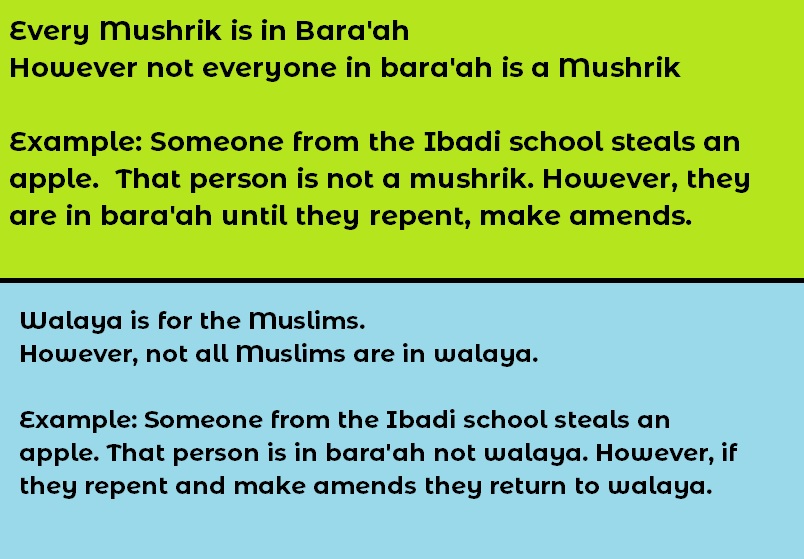
ʿilm al-ẓāhir & ʿilm al-ghayb

Why it is important to differentiate between ʿilm al-ẓāhir (the knowledge of the seen) and ʿilm al-ghayb (the knowledge of the unseen).

The former is what we, as human beings, are required to base our judgments upon, whereas the latter is exclusively attributed to Allah. On this basis, if a person commits a wrongful act but his intention was good, we—as people limited to knowledge that does not extend beyond the visible world—are commanded to judge based on what is apparent.

This is why you can have courts that give a verdict that a person is guilty but latter found to be innocent. In the afterlife such errors in judgement are impossible.

The Messenger of Allah (saw) said: “I have not been commanded by Allah to search the hearts of people or to cut open their bellies.”


Source:  (Sahih al-Bukhari 4351)

So, unless Allah (swt) informs the Blessed Prophet (saw) about a matter he too judges based upon the apparent.

Furthermore, it was narrated that ʿUmar ibn al-Khaṭṭāb (ra) said:

The Messenger of Allah (saw) said:
“Actions are but by intentions, and every person will have only what they intended. Whoever emigrated for the sake of Allah and His Messenger, then his emigration was for Allah and His Messenger. But whoever emigrated to attain some worldly benefit or to marry a woman, then his emigration was for that which he intended.”


Source: (Sunan an-Nasa’i 3437)

Again this should be a clear reminder to all of us that our judgement is based upon the Dhahir or apparent. Where as the judgement of Allah (swt) is based upon the Ḥaqīqah or reality.

The Companions – The Sahaba

We affirm our allegiance to all the Companions except those who clearly committed grave sins during the turmoil (al-fitan) that arose among them. We also affirm our allegiance to those who suspend judgment concerning them because they are unable to discern the truth, as it is obligatory for those who lack understanding to withhold judgment—unless it becomes clear that someone is capriciously suspending judgment after having recognized the truth.

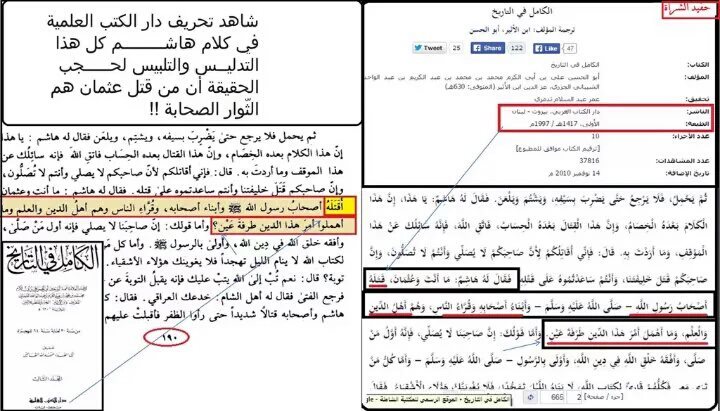
We do not suspend judgment concerning those who were aware of the actions of ‘Uthman and ‘Ali and were present when they committed reprehensible acts—unless they considered wrong to be right or right to be wrong, for such a stance is intolerable.

Walayah with Allah

Regarding our friendship and guardianship with our Creator, it consists of willing surrender—obeying His commands and avoiding what He has forbidden.

Allah’s Walayah with Us

What do we receive in return for our willing surrender? In reality, Allah (swt) owes us nothing. Yet, by His grace, we are granted His promise of guidance, support, and protection:

“As for those who accept guidance, Allah increases them in guidance and blesses them with righteousness.” (Qur’an 47:17)

“So, surely with hardship comes ease. Surely with hardship comes ease. So when you have finished, strive, and to your Lord direct your longing.” (Qur’an 94:5-8)

“Say, ‘Nothing will befall us except what Allah has decreed for us. He is our Protector.’ So in Allah let the believers put their trust.” (Qur’an 9:51)

“Do not grieve or despair; Allah is certainly with us.” So Allah sent down His serenity upon the Prophet, supported him with unseen forces, and made the word of the disbelievers inferior while the Word of Allah remained supreme. And Allah is Almighty, All-Wise.” (Qur’an 9:40)

It is astonishing that some outsiders believe our faith is solely about flogging, stoning, and amputations. In truth, we have a tightly integrated system of disavowal and reconciliation, of repentance and restored bonds, of friendship and necessary detachment.

When Muslims apply this to their lives, it becomes the spiritual equivalent of Japanese minimalism. You should seek the company of those who prioritize obedience to Allah and His Messenger—those aligned with devotion, not rebellion.

Once we realize that walayah (loyalty) and bara’ah (disavowal) extend beyond humans to the Jinn and the unseen world, we will step back and declutter our lives. We will recognize darkness—and its temptations—for what they truly are.

For example: The desire to go to a particular concert—but wait, who or what is truly inviting me? What forces are pulling me in that direction? Are they forces I should align with—those that nurture my spiritual growth—or forces I must reject?

As our Creator reminds us:

“Surely Satan is your enemy, so treat him as an enemy. He only invites his followers to become dwellers of the Blaze.” (Qur’an 35:6)

Satan has already declared bara’ah against us. The question is: Have we declared it against him and his minions?

May Allah guide the Ummah! May Allah forgive the Ummah!

Leave a comment

Filed under Uncategorized

The Ibadi’s disavow Uthman, Muaviya and Ali….about that.

“That was a nation which has passed on. It will have what it earned, and you will have what you have earned. And you will not be asked about what they used to do.” (Qur’an 2:133-134)

“And those who came after them say: “Our Lord! Forgive us, and our brethren who came before us into the Faith, and leave not, in our hearts, rancor (or sense of injury) against those who have believed. Our Lord! You are indeed Full of Kindness, Most Merciful.” (Quran 59:10)

﷽ 

So some of those who claim they are upon the way of the Salafiyyah go rampaging through the books and works of our scholars. They will find among them those who disavow Uthman or those who disavow Muaviya or those who disavow Ali. We will bring evidence from the books of the scholars from our brothers from among the Ahl Sunnah to show you the double standards of their claims.

“Look you see these Ibadites! They disavow certain ones from among the companions! They were all loved by each other and we love them all too! We would never say such things about the companions!”

About that…

It is from the Sunnah to disavow any Muslim (including a companion) when they commit a sin.

First and foremost to disavow any Muslim when they commit a sin is from the Sunnah of the Blessed Prophet (saw). This includes the companions.

Narrated Salim’s father:

The Prophet (saw) sent Khalid bin Al-Walid to the tribe of Jadhima and Khalid invited them to Islam but they could not express themselves by saying, “Aslamna (i.e. we have embraced Islam),” but they started saying “Saba’na! Saba’na (i.e. we have come out of one religion to another).” Khalid kept on killing (some of) them and taking (some of) them as captives and gave every one of us his Captive. When there came the day then Khalid ordered that each man (i.e. Muslim soldier) should kill his captive, I said, “By Allah, I will not kill my captive, and none of my companions will kill his captive.” When we reached the Prophet, we mentioned to him the whole story. On that, the Prophet (saw) raised both his hands and said twice, O Allah, I disavow before You what Khalid has done.” ‏ اللَّهُمَّ إِنِّي أَبْرَأُ إِلَيْكَ مِمَّا صَنَعَ خَالِدٌ

Source: (https://sunnah.com/bukhari:4339)

‏ اللَّهُمَّ إِنِّي أَبْرَأُ إِلَيْكَ مِمَّا صَنَعَ خَالِدٌ- allahuma ‘iiniy ‘abra ‘iilayk mimaa sanae khalid

Remember you cannot unsee what you are about to see and you will be held accountable.

Narrated Jarir:

The Prophet (saw) said to me during Hajjat-al-Wida`: Let the people keep quiet and listen. Then he said (addressing the people), “Do not (become infidels) revert to disbelief after me by striking the necks (cutting the throats) of one another (killing each other).

Source: (https://sunnah.com/bukhari:121)

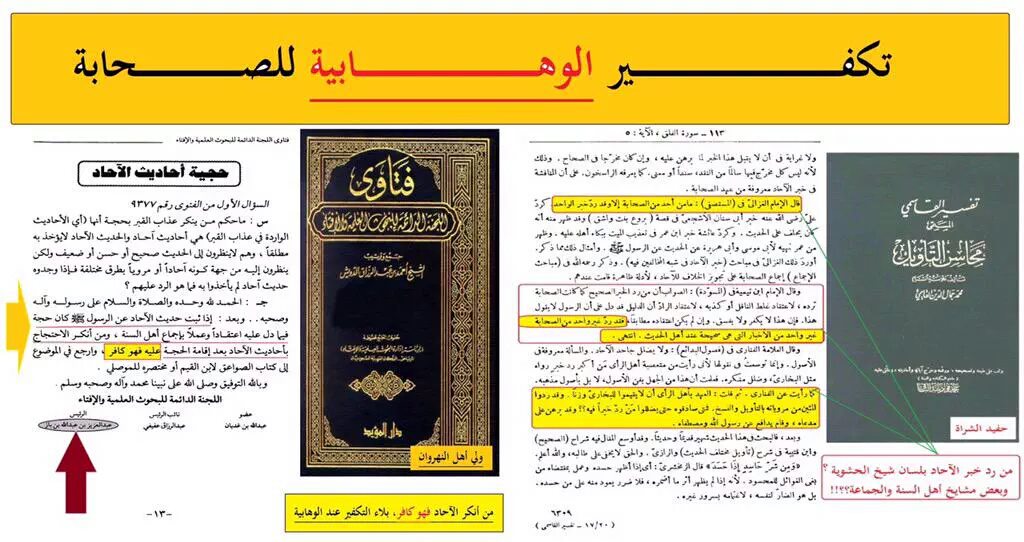
Salih Al-Sheikh, in his explanation of the Tahawi creed, said that the fighting companions fell into minor disbelief, and they entered into the characteristics of disbelief!

Al-Albani says that the fighting companions after the Messenger of Allah have no refuge from calling them infidels!

In the statement of Al-Tahawi: (And their hatred is disbelief and hypocrisy and slander):
Firstly: It includes the disbelief of the Companions:

  • A) If the hatred is due to religion or anger, as we have detailed, then the disbelief here is major disbelief.
    • B) If the hatred is for worldly reasons—as may occur due to fierce rivalry or hatred for worldly matters—then this is minor disbelief and does not reach the level of major disbelief. For this reason, the Prophet said:
    • “Do not revert to disbelief after me by hating one another?!”

(1) Narrated by Al-Bukhari (17), Muslim (74), Al-Nasa’i (5019), and others (30/134), from Anas bin Malik, may Allah be pleased with him.
(2) Narrated by Al-Bukhari (1116), Muslim (66), Abu Dawood (4186), Al-Nasa’i (4216), and Ibn Majah.

Sheikh Saleh Al-Sheikh

The fighting among the Companions after the Prophet (peace be upon him) is minor disbelief, not major disbelief.
And now, whoever declares the Companions to be disbelievers, even if it is minor disbelief.

Explanation of the Theological Punishment

The fact that some Companions fought one another involves characteristics of disbelievers, which is why he said: “Do not revert to disbelief after me.” There is no doubt that the motive behind this may be hatred.

In Al-Sharh al-Wafī ‘alā ‘Aqīdat al-Tahāwiyyah” (الشرح الوافي على عقيدة الطحاوية), a well-known commentary on “Al-‘Aqīdah al-Tahāwiyyah”—a foundational text on Sunni creed attributed to Imam Abu Ja’far al-Tahawi (d. 321 AH)

It states that the Companions fight each other. It may be lesser kufr, or it may be greater kufr (i.e. polytheism) and that depends on the level of hatred!

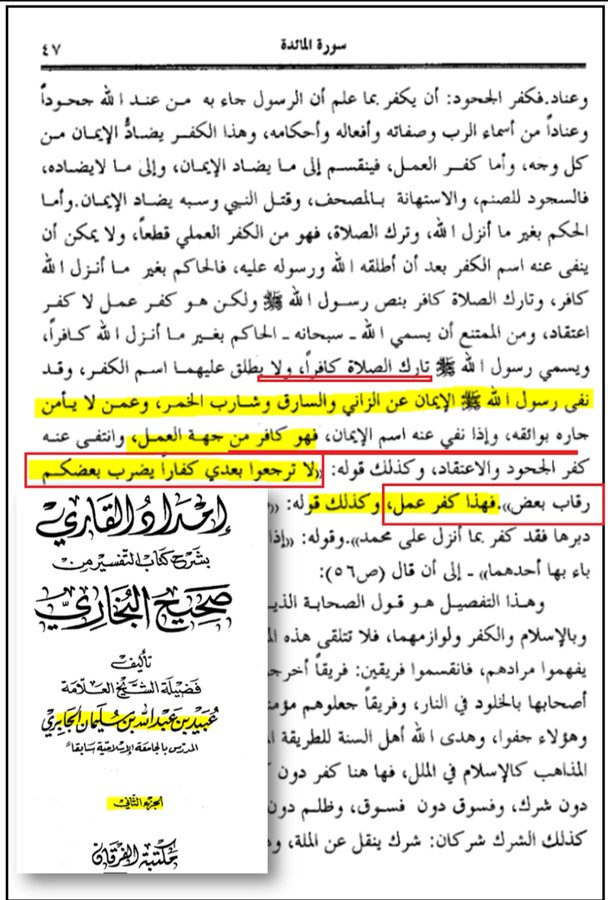
Shaykh ‘Ubayd bin ‘Abdullah al-Jabri (عُبَيْد بن عبد الله الجابري), a contemporary Salafi scholar from Saudi Arabia, and his book “Imdād al-Qārī bi Sharḥ al-Bukhārī” (إمداد القاري بشرح البخاري), which is a commentary on Sahih al-Bukhari states that the fighting companions fell into blasphemy!

Then it is said, “and we consider it good,” because it indicates that love for them (the Companions) is sound in religion and is a means of drawing closer to Allah through adherence to sincerity and truthfulness in faith. Naturally, “and we declare them free from blame,” and “we consider it good”—all these are not the same. The methodology in loving the Companions is refined, and their status is measured by their sound companionship, righteousness, and understanding of their elevated rank.

Similarly, it is stated, “and we declare them disbelievers”—an additional clarification: “and we affirm.” Hatred toward the Companions is firmly established—whether the hatred is due to religion or personal malice, in which case it constitutes major disbelief. If the hatred is for worldly reasons, as may arise from fierce rivalry or worldly motives, then it is minor disbelief and does not reach the level of major disbelief. Hence, the Prophet (peace be upon him) said: “Do not revert to disbelief after me by striking one another’s necks!”

The fact that some Companions fought one another involves falling into the traits of disbelievers, which is why he said: “Do not revert to disbelief after me.” It is most accurate to say that the motive behind this was hatred and disbelief, because fighting is accompanied by elements of hatred. However, given the mutual relations among the Companions (where some may not have loved others until death, and hatred may exist without clear justification), this disbelief may be minor or may vary based on the nature of the hatred (with further elaboration).

Because the intent is to derive from this the preservation of the religion, the safeguarding of Islam among the people, and striving in the Sunnah with true jihad—as the Companions did under the Messenger of Allah (peace be upon him). Yet, some later turned into opponents of the Companions and aligned with the disbelievers. Allah described them: “The hypocrite men and hypocrite women are of one another…” (Surah At-Tawbah: 67).

The intent may be major ideological hatred, depending on the condition of the heart, or practical hatred, based on the type of love or its absence, or the type of hatred and its cause. “And we affirm,” and regarding their transgression—this is specific to the one who harbors it and the gravity of the matter. For Allah (Exalted and Majestic) commanded some of them (or the lesser among them) to “be patient,” meaning He commanded some to endure and restrain themselves from those who wronged them, even if they had the power to retaliate. This indicates that whoever swore allegiance (to the truth) had knowledge and insight in this matter.

Shaykh Ibn al-Qayyim Yusri al-Sayyid Muhammad and his work “Jāmi’ al-Fiqh” (جامع الفقه) by Lisr al-Sayyid: States that the fighting companions had fallen into disbelief by their actions.

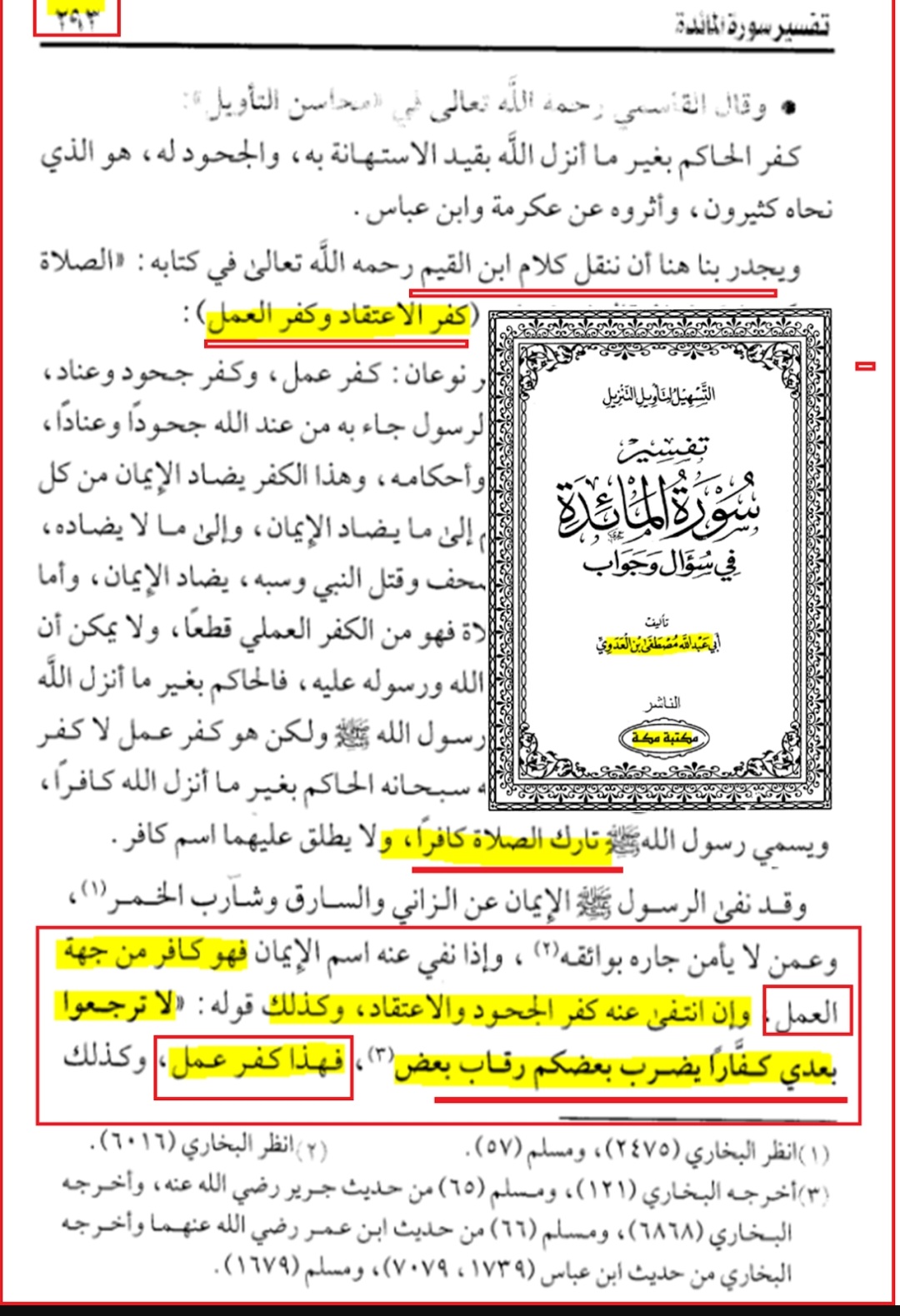
The Disbelief of Denial and Stubbornness

The disbelief of denial (كفر الجحود)-kufr al juhud occurs when someone knowingly rejects what the Messenger (peace be upon him) brought from Allah—whether it pertains to Allah’s Lordship, His attributes, His actions, or His rulings—out of sheer arrogance and obstinacy. This type of disbelief completely contradicts faith in every aspect.

As for practical disbelief by actions (كفر العمل), kufr al amal it is divided into two categories:

  1. That which contradicts faith entirely—such as prostrating to idols, disrespecting the Quran, or killing a prophet.
  2. That which does not entirely negate faith—such as ruling by other than what Allah has revealed or abandoning prayer.

However, ruling by other than what Allah has revealed and abandoning prayer are undoubtedly forms of practical disbelief. It cannot be denied that these carry the label of “disbelief” (كفر) after Allah and His Messenger have explicitly applied it. Thus:

  • “Whoever rules by other than what Allah has revealed is a disbeliever.”
  • “Whoever abandons prayer is a disbeliever,” as stated in the explicit texts of the Prophet (peace be upon him).

The Disbelief of Denial and Belief, and His Saying:

“Do not revert to disbelief after me, striking one another’s necks…”
This refers to practical disbelief (كفر عمل). Similarly, his saying:
“Whoever does so intentionally has disbelieved in what was revealed to Muhammad.”
And his saying: “If one of them has indeed earned it…”

This detailed classification is the position of the Companions regarding the relationship between Islam and disbelief. Do not think that they did not understand the implications—rather, they divided into two groups:

  1. A group that considered such people to be eternally in Hellfire.
  2. A group that regarded them as sinful believers (not complete disbelievers).

Allah has guided Ahl al-Sunnah to the moderate path, where:

  • There is disbelief (كفر) that does not reach polytheism (شرك).
  • There is sin (فسق) that does not amount to disbelief.
  • There is oppression (ظلم) that does not constitute apostasy.

(Page: 5)

“Whoever rules by other than what Allah has revealed is a disbeliever.” It is on this basis that many of the salaf had broke ranks with Ali’s decision for arbitration. As the text is explicit fight until. In that sense Ali would have committed  (كفر العمل), kufr al amal.

Shaykh Muṣṭafā bin al-ʿAdawī (مصطفى العدوي ) mentioned that the fighting companions are falling into kufr al-Amal!

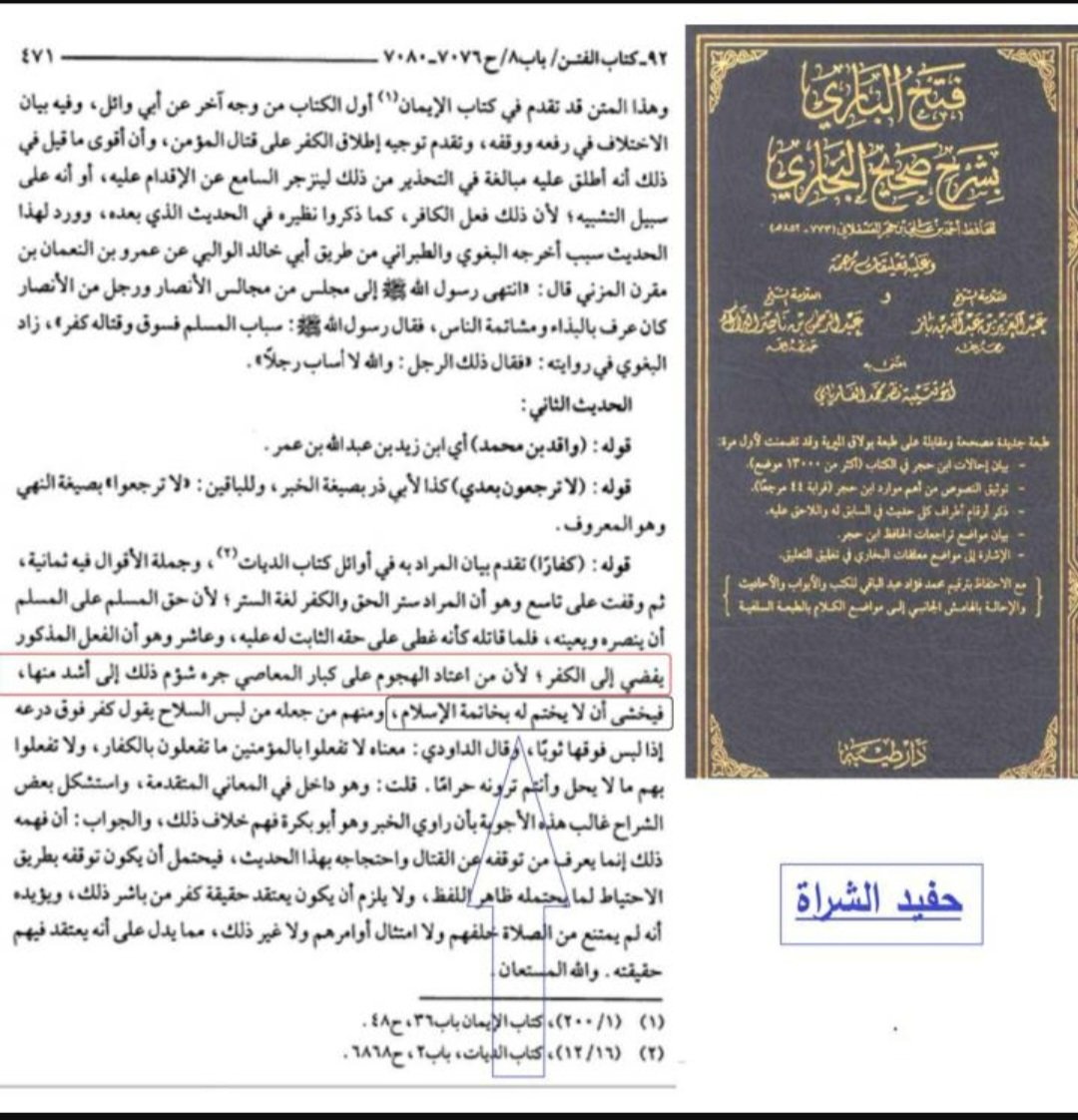
“Fatḥ al-Bārī bi Sharḥ Ṣaḥīḥ al-Bukhārī” (فتح الباري بشرح صحيح البخاري), the legendary commentary on Ṣaḥīḥ al-Bukhārī by Imam Ibn Ḥajar al-‘Asqalānī (d. 852 AH) that the companions are considered to be upon blasphemy And that the misfortune of disobedience may lead to greater sins, and it is feared that he will not be sealed with the seal of Islam!

One will note that the warning of the Blessed Messenger (saw) was do not revert to disbelief.

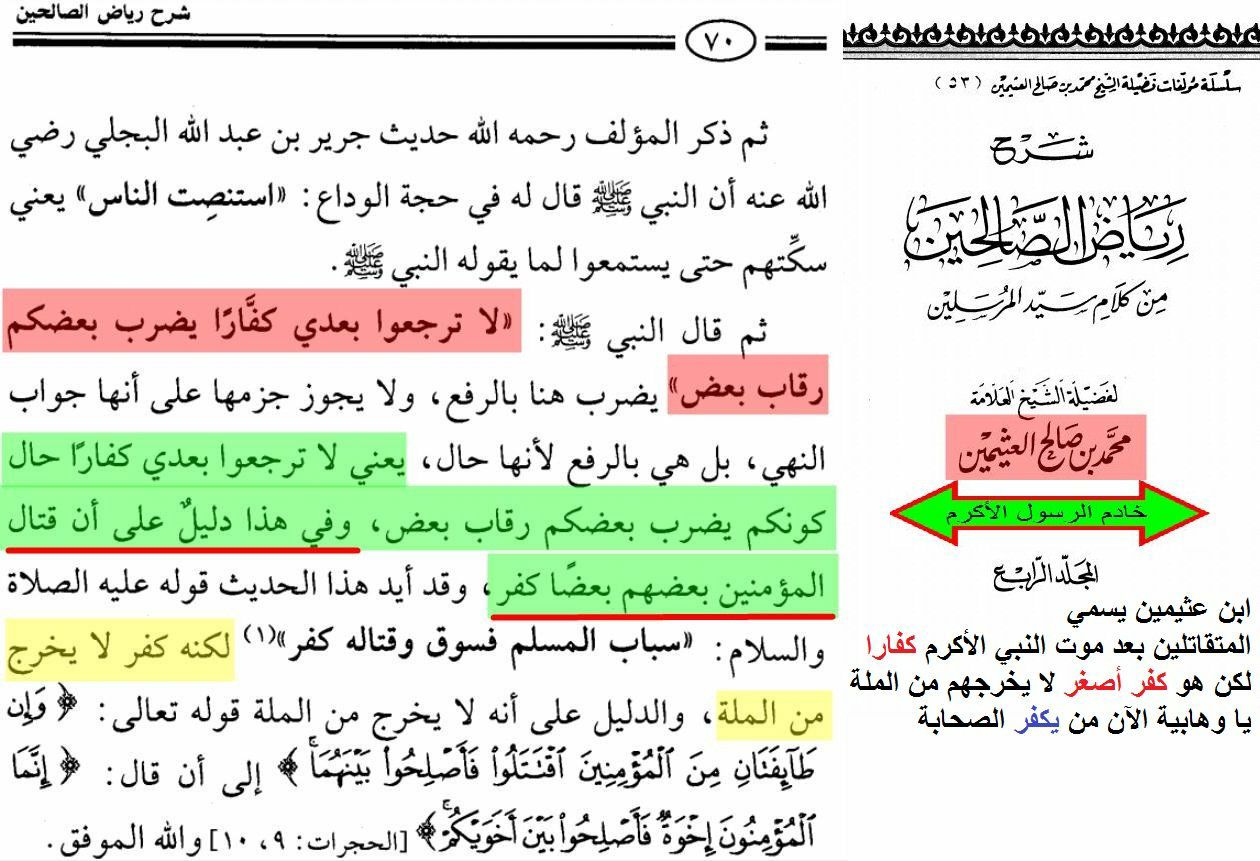
Shaykh Ibn al-Uthaymeen says that the Companions fighting each other is considered kufr, but it does not expel one out of the religion!

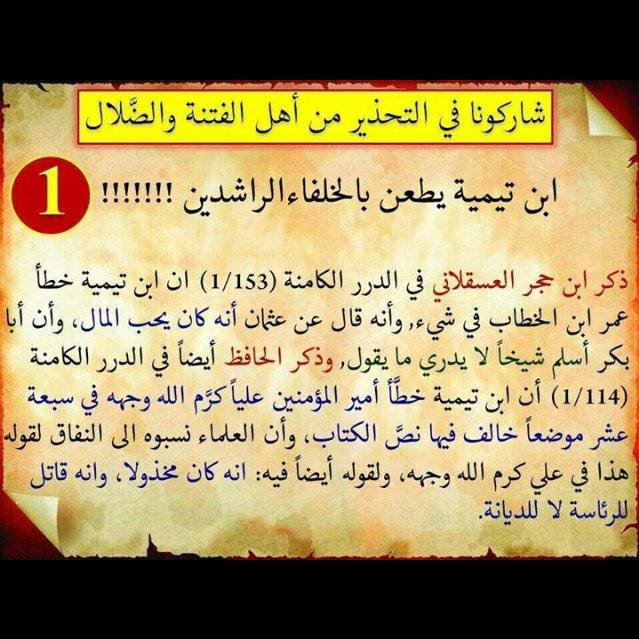
Ibn Taymiyyah says that the companions who fought each other are called infidels, and it is a restricted designation!

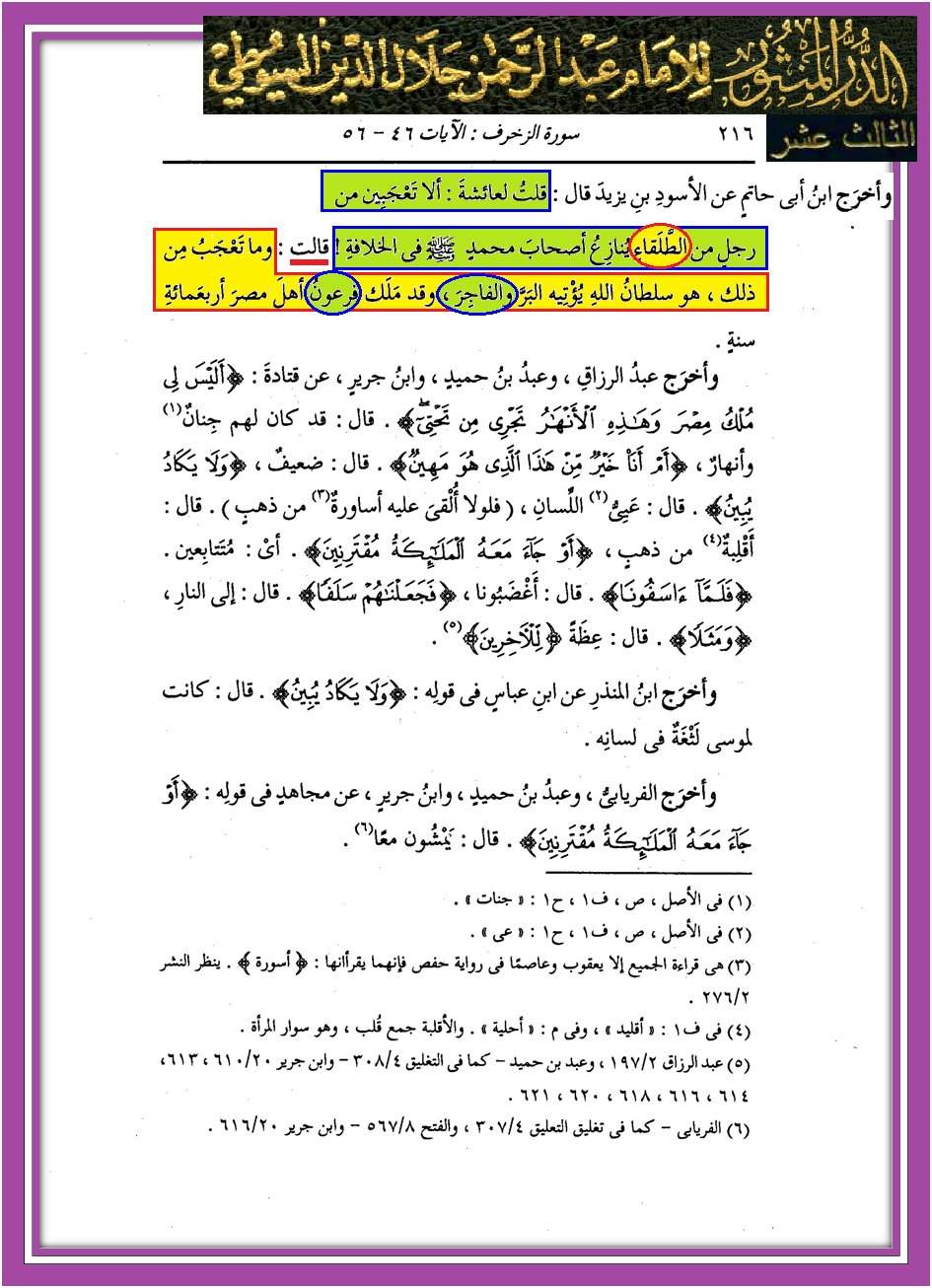
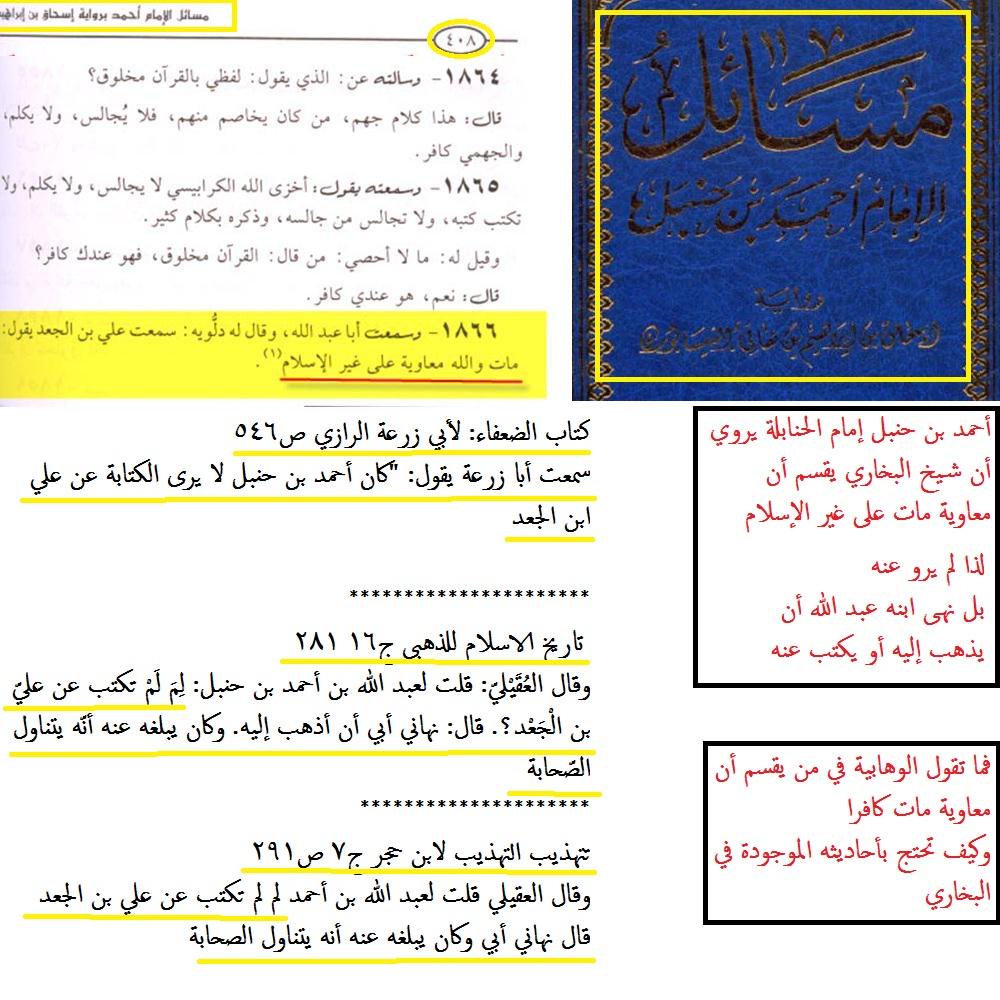
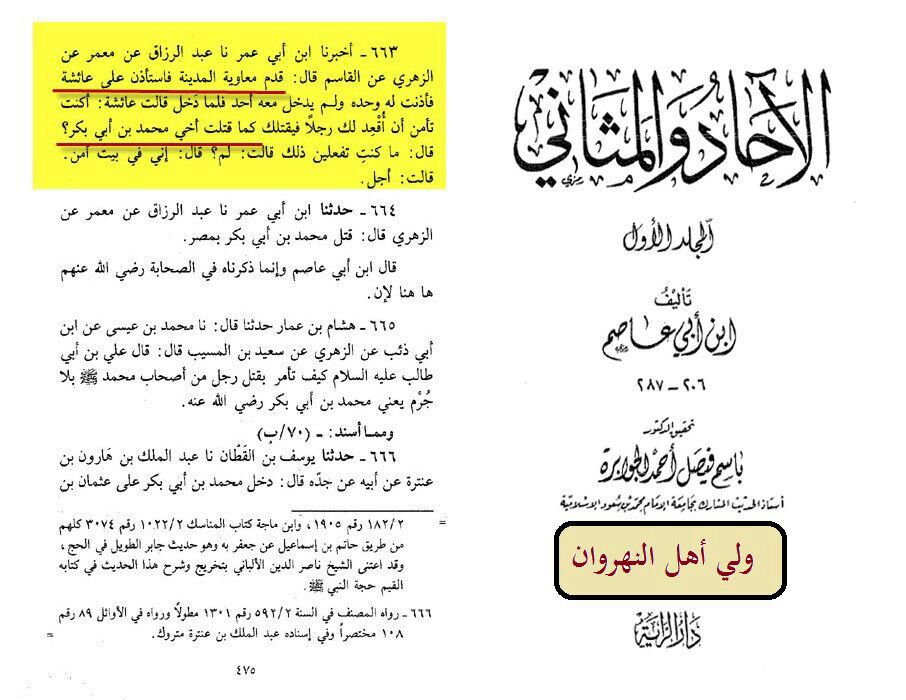
It was stated in the book, The Masa’il of Imam Ahmad (مسائل الإمام أحمد)  that the Sunni hadith scholar: Ali bin Al-Jaad says that Muawiyah died upon other than Islam!!!

The Salafiyah will end up declaring all the Companions to be unbelievers altogether, according to their claim that whoever rejects the Hadith of Ahad is an infidel! Shaykh Al-Ghazali says that none of the companions accept this!

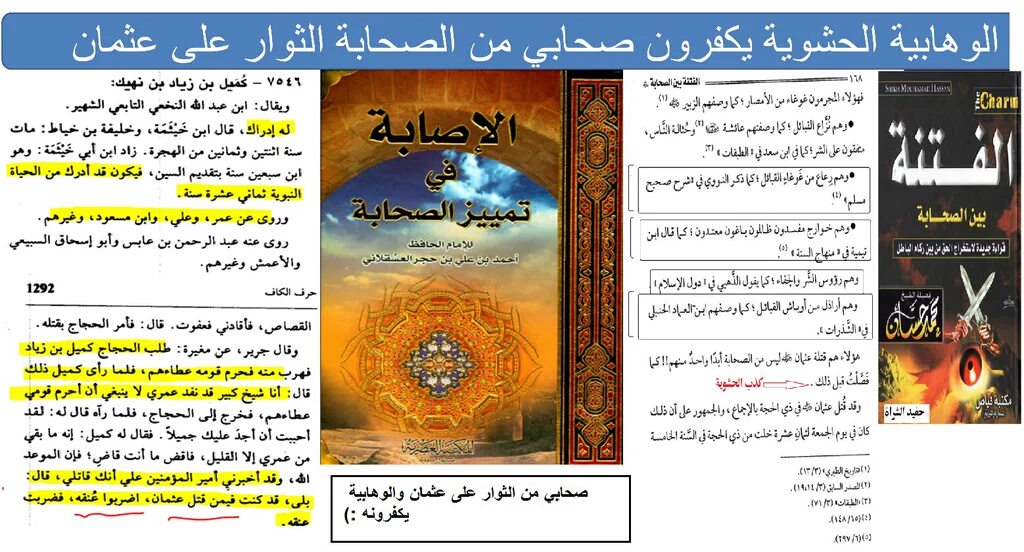
Salafiyah have declared one of the companions who rebelled against Caliph Uthman to be an infidel!

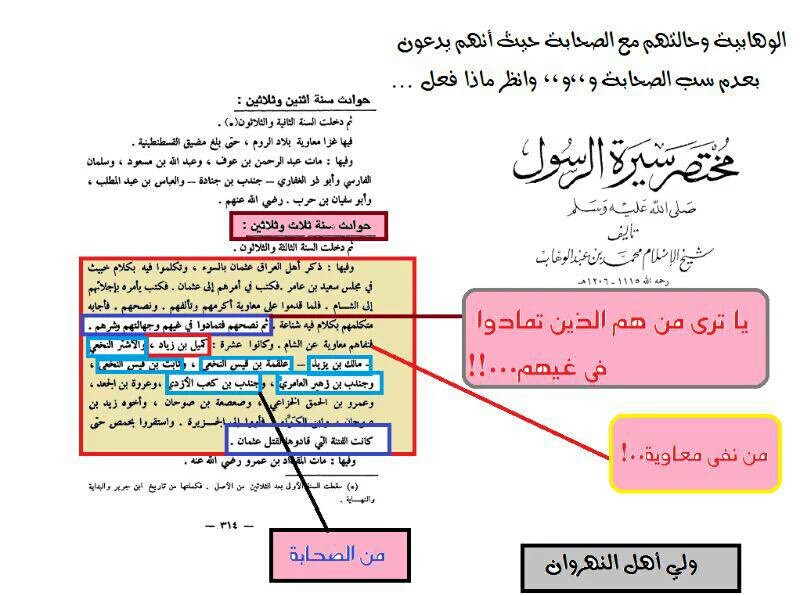
Muhammed bin Abd al-Wahhab describes a group of the Companions as ignorant, evil and rebellious!

Ibn Taymiyya in his book Kitaab Al-‘Arsh (كتاب العرش), says that the Companions did takfir upon one another and this is well known!

Ibn Taymiyya, in his book Iqtidaa al-Sirat al-Mustaqeem Mukhaalafat Ashaab al-Jaheem (اقتضاء الصراط المستقيم مخالفة أصحاب الجحيم) criticizes the honorable companion Abdullah bin Umar (ra), who is one of the strongest people in following the Sunnah of the Messenger of Allah! That Abdullah bin Umar (ra) committed bid’ah!

Muhammed bin Abd al-Wahhab had strong criticism for a number of the companions!

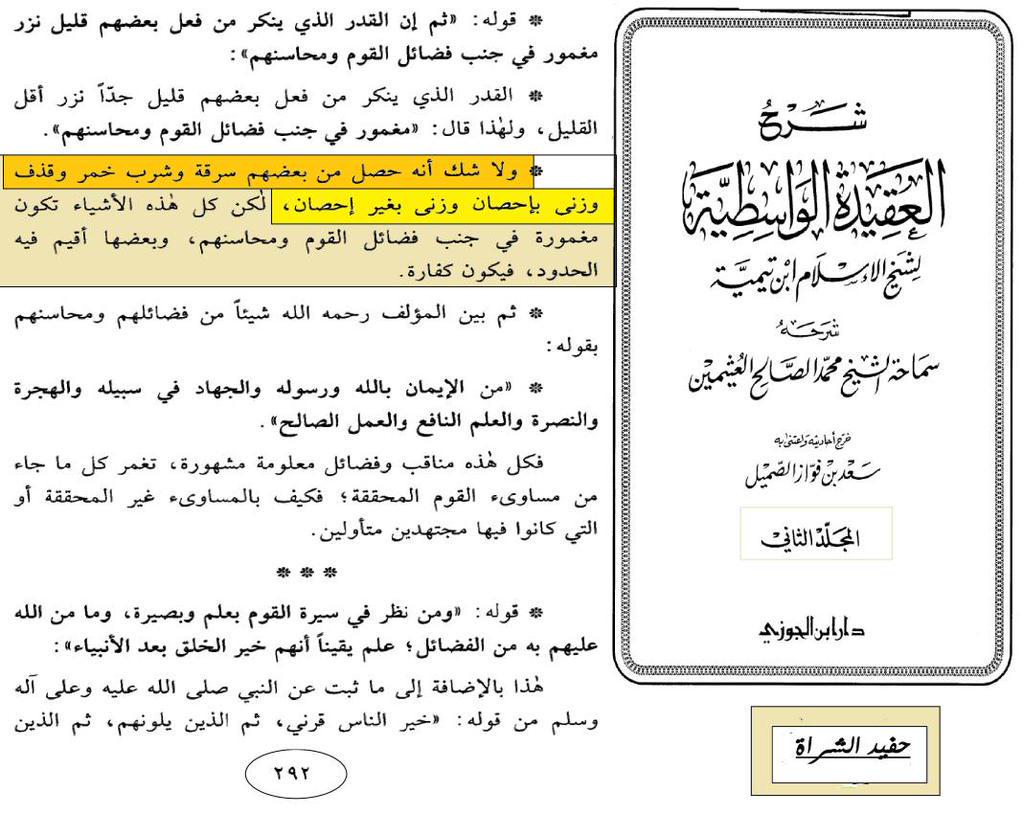
“Sharh Al-‘Aqeedah Al-Wasitiyyah” (شرح العقيدة الواسطية), the explanation of Ibn Taymiyyah’s famous creedal work, authored by Shaykh Muhammed ibn Salih al-Uthaymeen.

Uthaymeen states:

“Undoubtedly, some of them committed theft, drank alcohol, engaged in slander, or even committed adultery (whether punishable by hadd or not). Yet, all these misdeeds are overshadowed by their overwhelming virtues and merits. Some of these sins were met with legal punishments (hudud), serving as expiation (kaffarah).”

The misdeeds committed by a few among them are exceedingly few and negligible, which is why the author states: “They are drowned out by the virtues and merits of these people.”

However, if they committed adultery, or theft then they committed acts of kufr ni’mah or what others say is: kufr al amal

If Uthaymeen says the companions committed acts of kufr no one bats an eye. A scholar from the Ibadi schools it and suddenly the emotions overcome the senses.

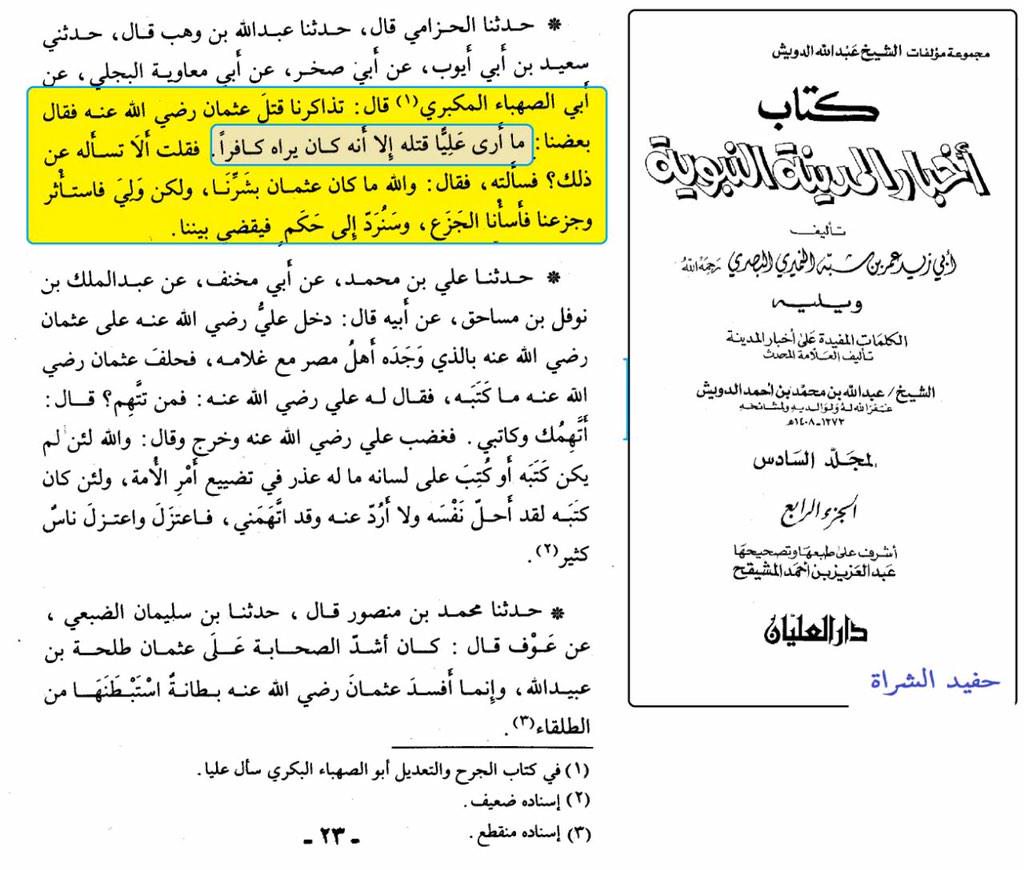
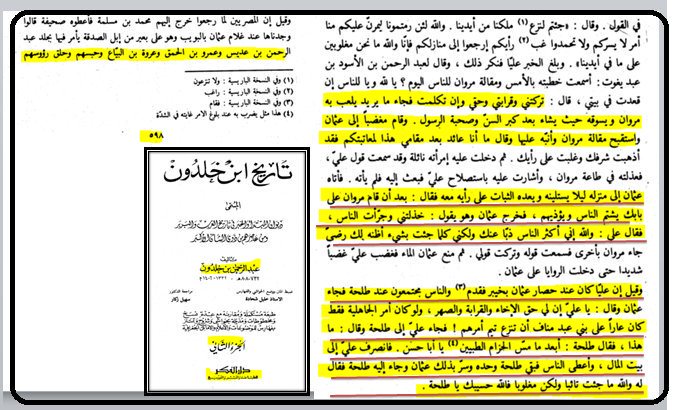
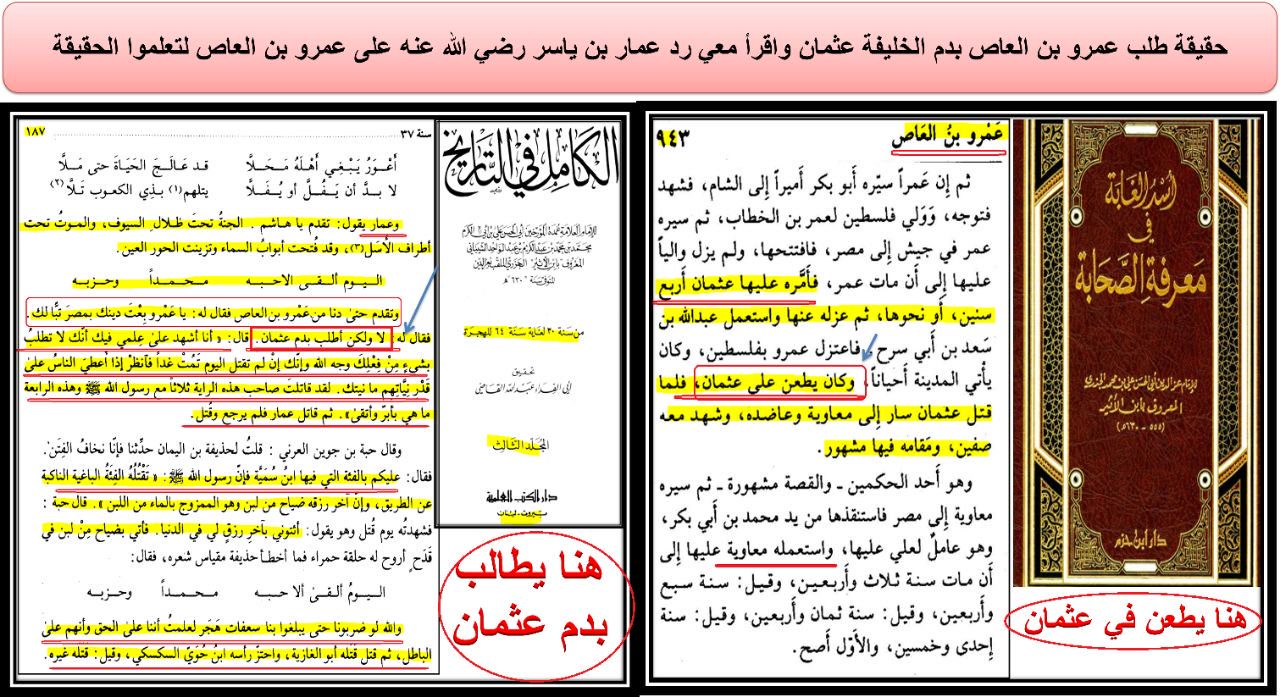
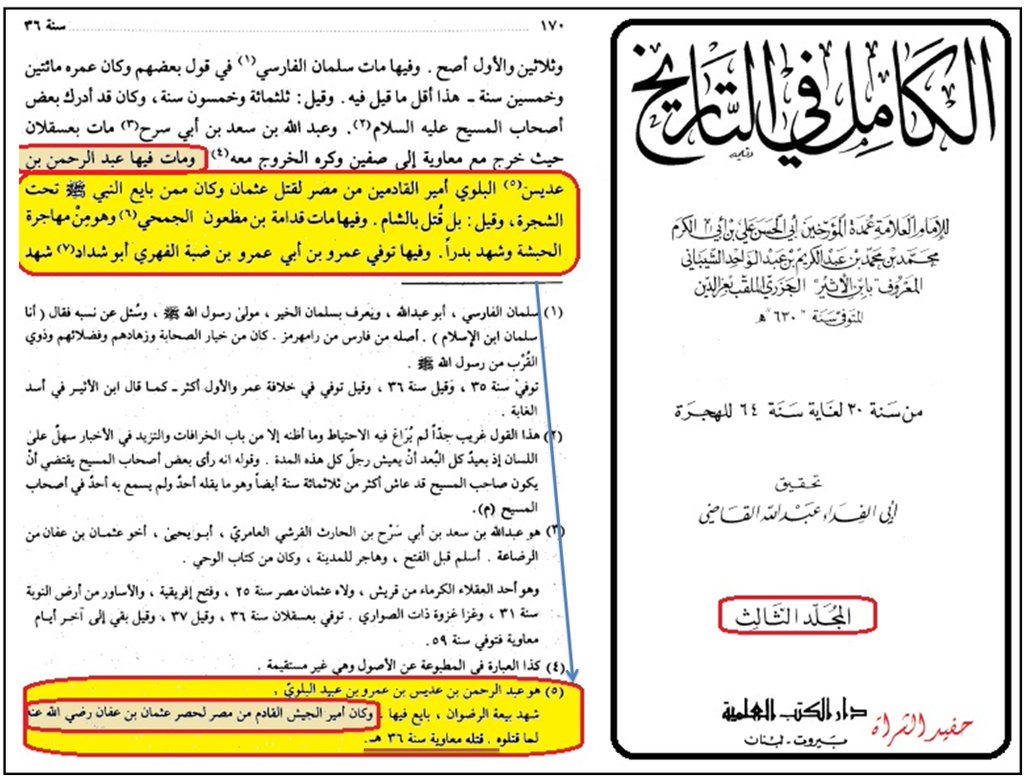
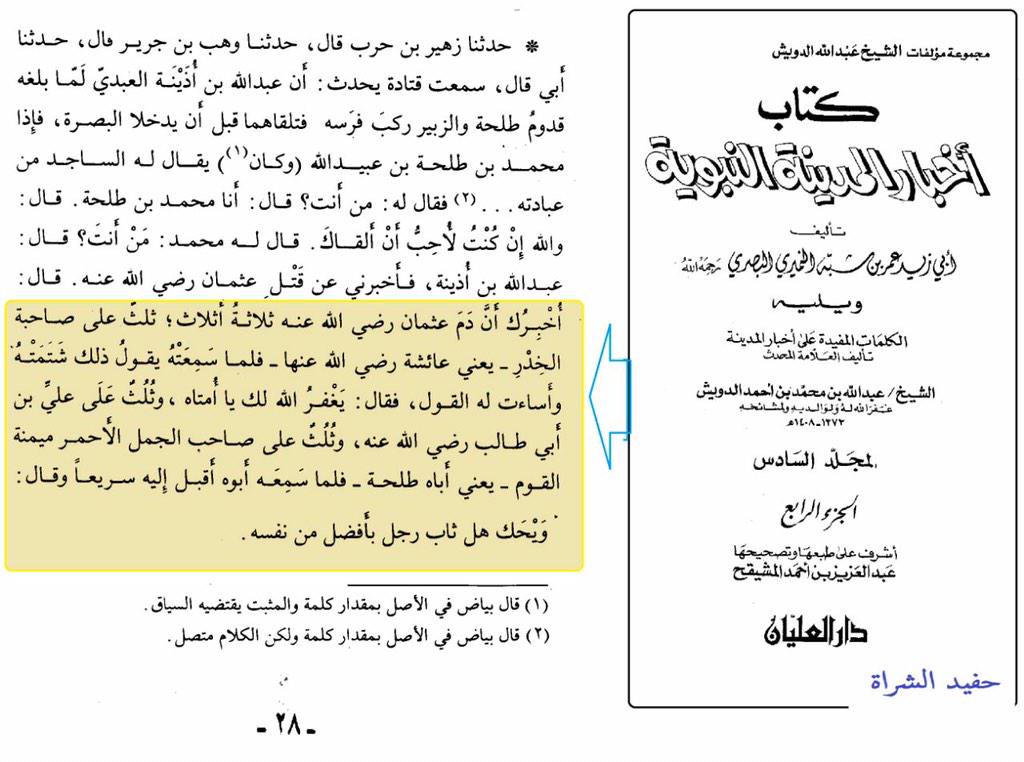
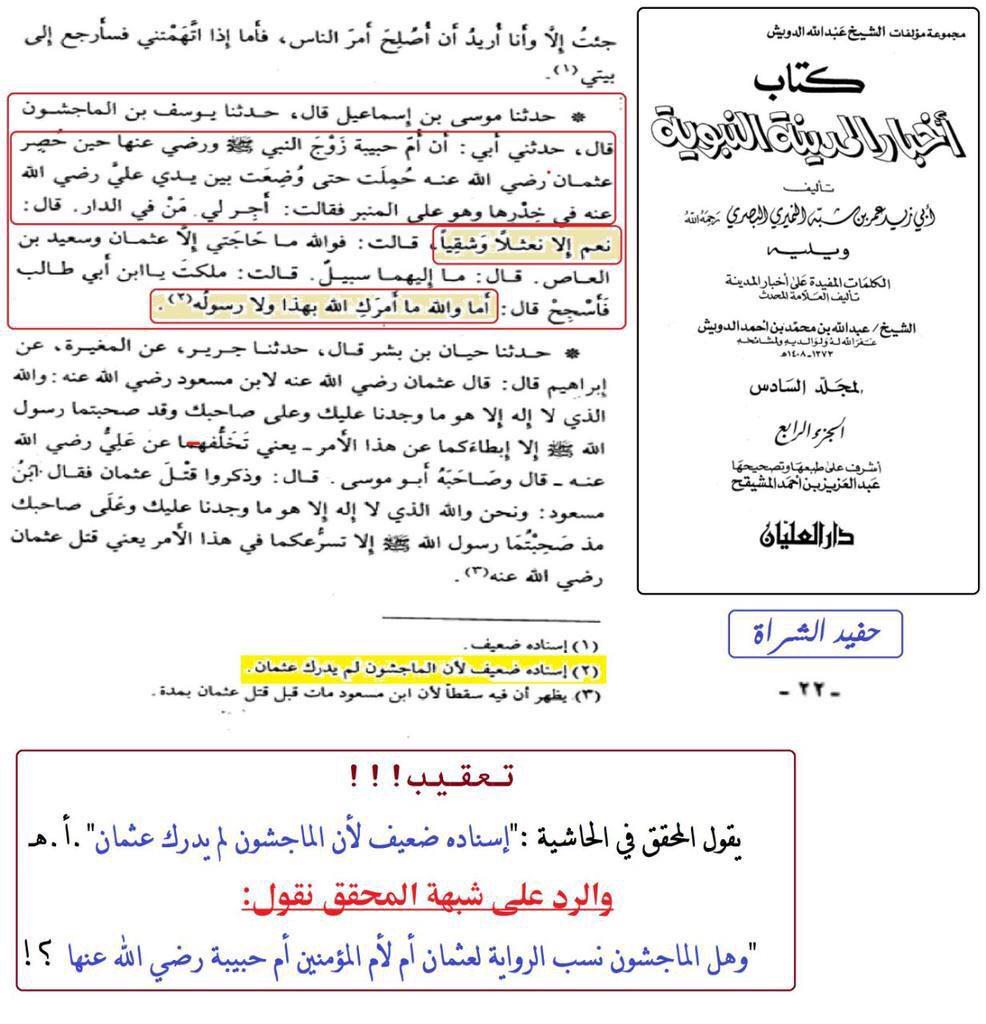
What about this? It was mentioned in the book Akhbār al-Madīnah al-Munawwarah (أخبار المدينة المنورة) that the blood of Uthman is divided into three. A third on the mother of the believers Aisha (ra), and a third on Talha, and a third on Ali bin Abi Talib! That darkness was over each of them!

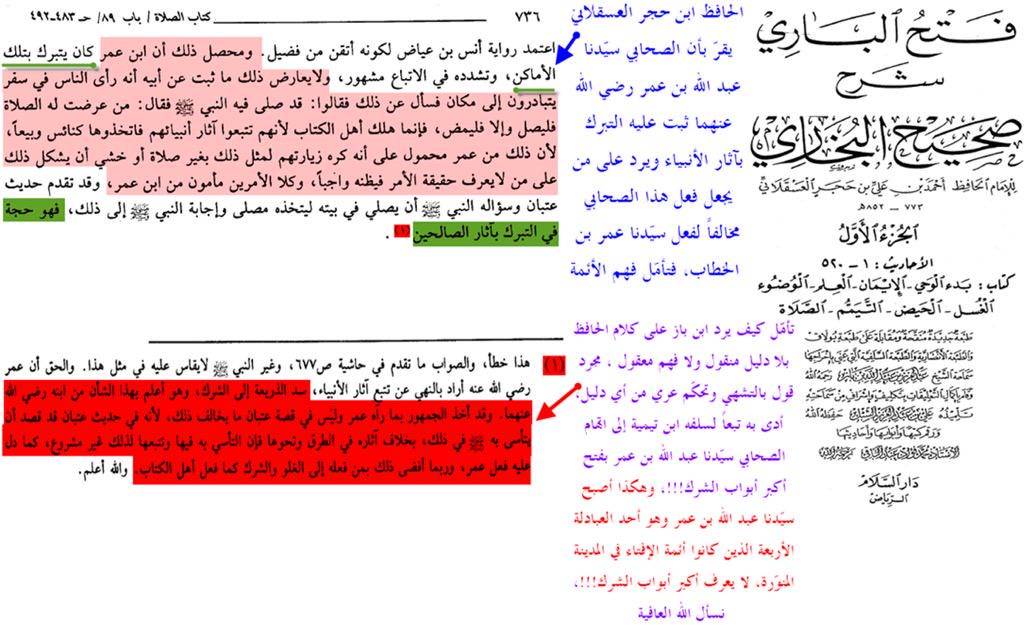
Ibn Baz responds to Ibn Hajar and claims that the act of the companion Abdullah bin Umar in seeking blessing from the relics of the saints (tabarruk) leads to polytheism. And here Ibn Baz declared himself more knowledgeable than the great companion Abdullah bin Umar!

Shaykh Ibn Al-Uthaymeen once again says that the Companions are not all just, so whoever is known for an insult is not just! Some of them committed theft, drank wine, committed fornication while married and some outside of marriage!

An explicit accusation and takfir without hinting that Ali did not kill Uthman except that he considered him an infidel!

Narration 1:

Narrated by Al-Humaidi:
Abdullah ibn Wahb reported from Sa’id ibn Abi Ayyub, from Abi Sakhr, from Abi Mu’awiyah al-Bahili, from Abi al-Sahba’ al-Mukabbar (1), who said:
“We discussed the killing of Uthman, and some of us said: ‘I believe Ali killed him only because he considered Uthman a disbeliever.’ I said: ‘Should we ask Ali about this?’ So they asked him, and he replied: ‘By Allah, Uthman was not the worst among us. But he ruled, became arrogant, and we acted poorly in our impatience. Matters escalated until judgment was passed between us.'”

Narration 2:

Narrated by Ali ibn Muhammad, from Abi Mukhtalif, from Abdulmalik ibn Nawfal ibn Musahiq, from his father, who said:
“Ali entered upon Uthman after the people of Egypt found a letter with his servant. Uthman denied writing it, so Ali asked: ‘Whom do you accuse?’ Uthman replied: ‘I accuse you and my scribe.’ Ali became angry, left, and said: ‘By Allah, if he did not write it—or if it was falsely attributed to him—then he bears no blame for the Ummah’s turmoil. But if he did write it, he has brought this upon himself. Yet, I will not abandon him despite his accusation.’ Many people then withdrew their support .”

Narration 3:

Narrated by Amr ibn Mansur, from ibn Sulayman al-Dab’i, from Awf, who said:
“Among the Companions, Talhah ibn Ubaydullah was the most severe against Uthman, but he later regretted his stance due to delays in justice.”

Ibn Taymiyya in Majmū’ al-Fatāwā (مجموع الفتاوى)  mentioned that the Companions fought and cursed each other and declared each other infidels, and their statements concerning this is well known!

“Moreover, the early predecessors (Salaf) erred in some of these matters—major figures among them—yet they were not excessively criticized for it.” For example:

  • Some Companions denied that the Blessed Prophet (saw) could hear the call of the dead (e.g., at Badr).
  • Others denied that a woman could have a ghayrah (rightful jealousy) over her husband.
  • Some disputed whether the Blessed Prophet (saw) saw his Lord (during the Mi’raj).
  • There were disagreements among them about the caliphate and the superiority of certain individuals—well-known debates.
  • Some engaged in fighting one another, while others cursed certain figures—explicit statements are documented.

Similarly, the judge once mentioned a recitation of the Quranic verse ‘Bal ‘Īdu’ (بل عيد) [instead of ‘Bal ‘Īdu’ (بل عيد)] and claimed, ‘Allah does not cause hardship.’ When this reached Ibrahim al-Nakha’i, he said: ‘He has innovated! ‘Abdullah [ibn Mas’ud] was more knowledgeable than him and recited it correctly.’ Here, a confirmed recitation was denied, and an attribute affirmed by the Quran and Sunnah was rejected—yet the Ummah still regards him as one of its imams.

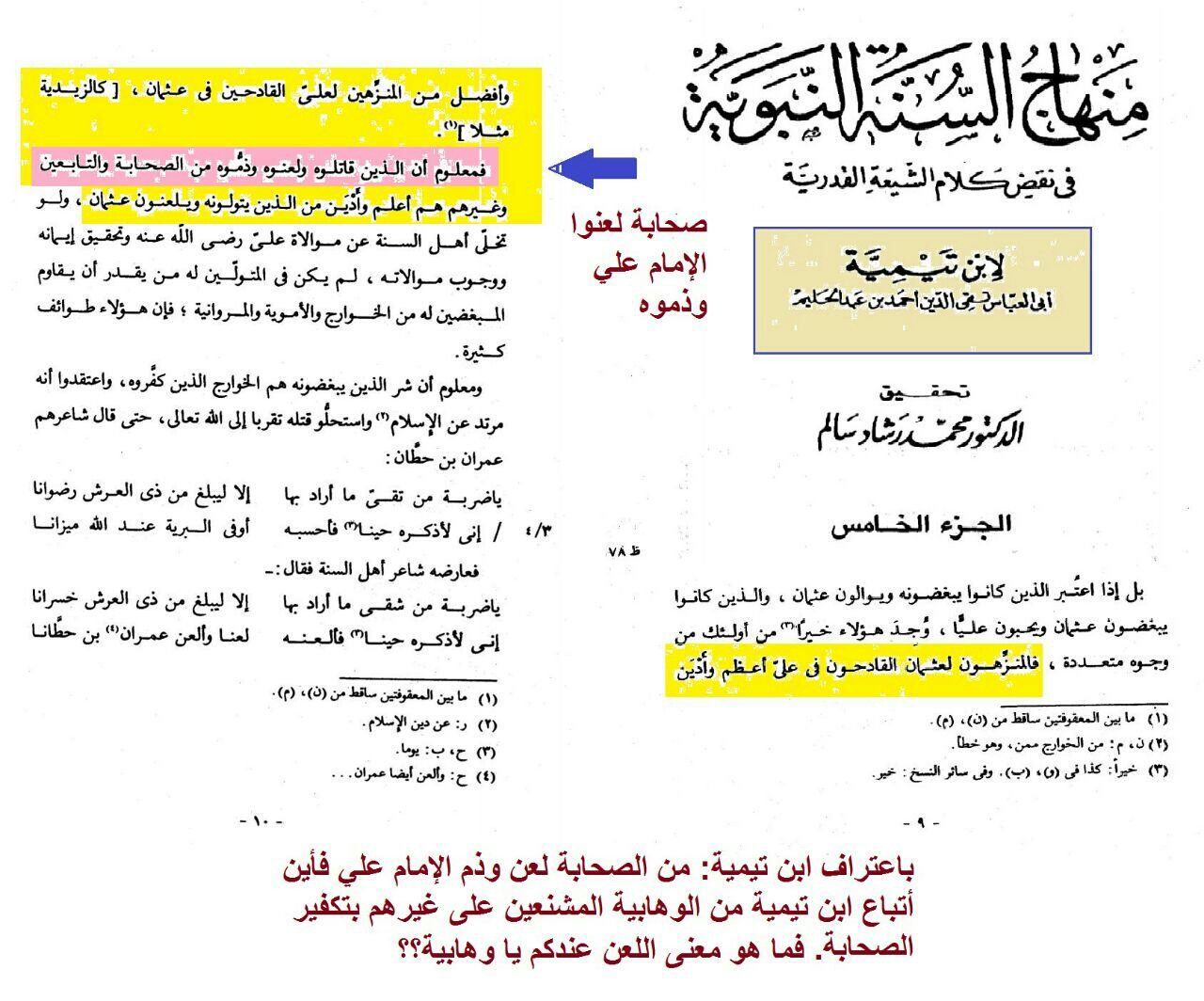
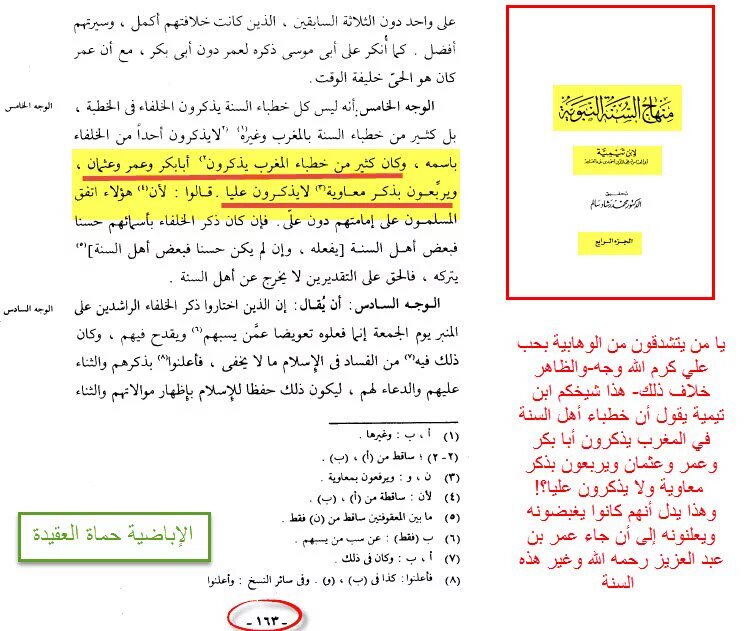
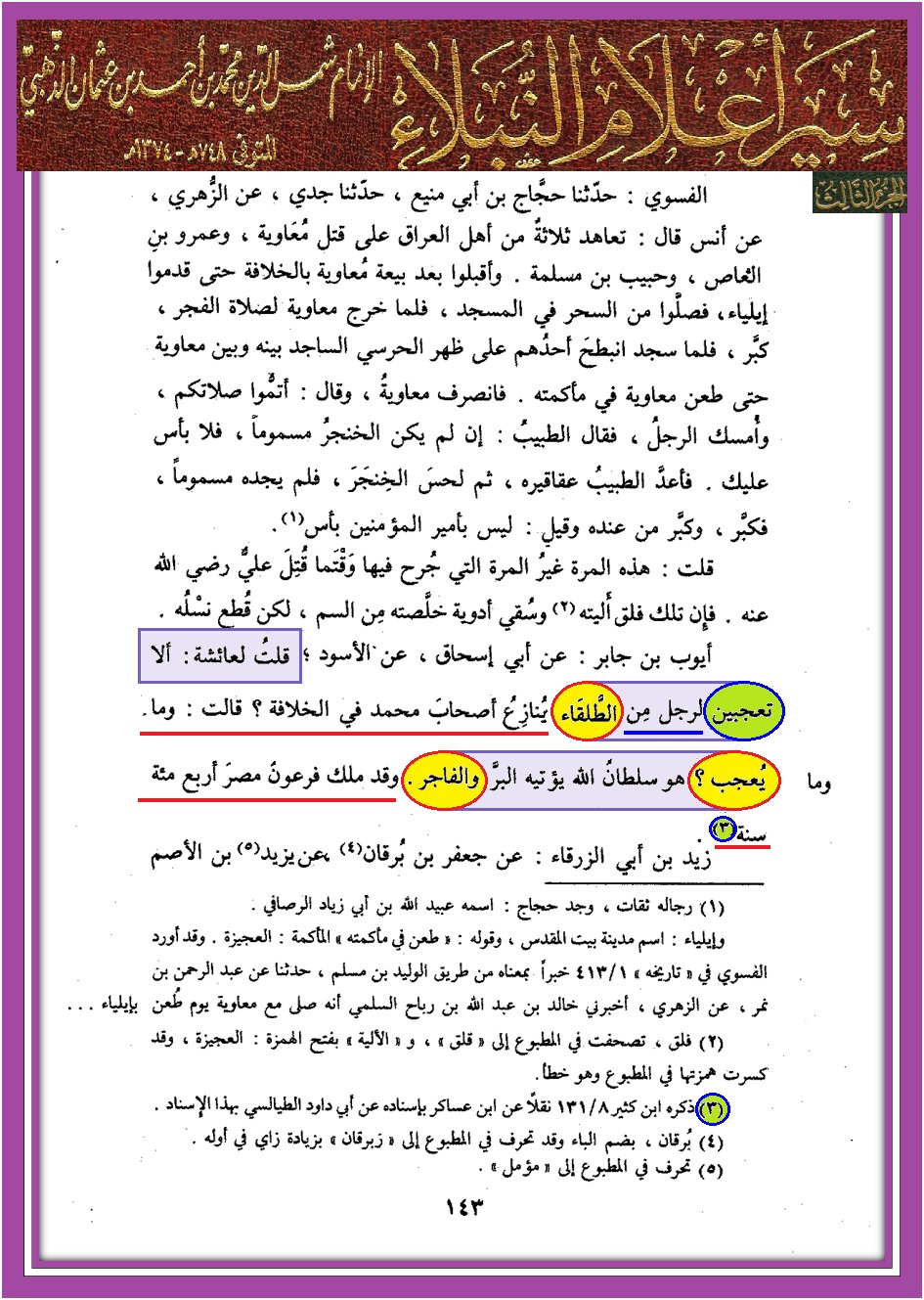
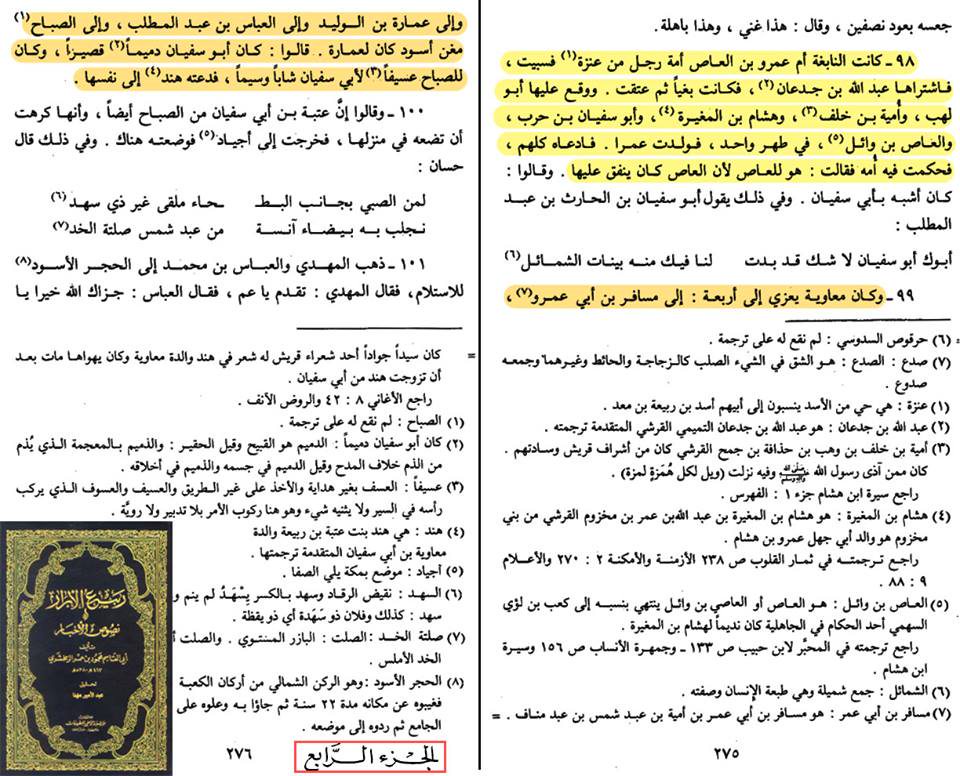
Some criticized Ibn Taymiyya for affirming that certain Companions cursed others—explicitly referring to Mu’awiyah, ‘Amr ibn al-‘As, and those like them who cursed Ali from the pulpits.

This is documented in Tarikh al-Tabari and Al-Sunnah by Ibn Abi ‘Asim.

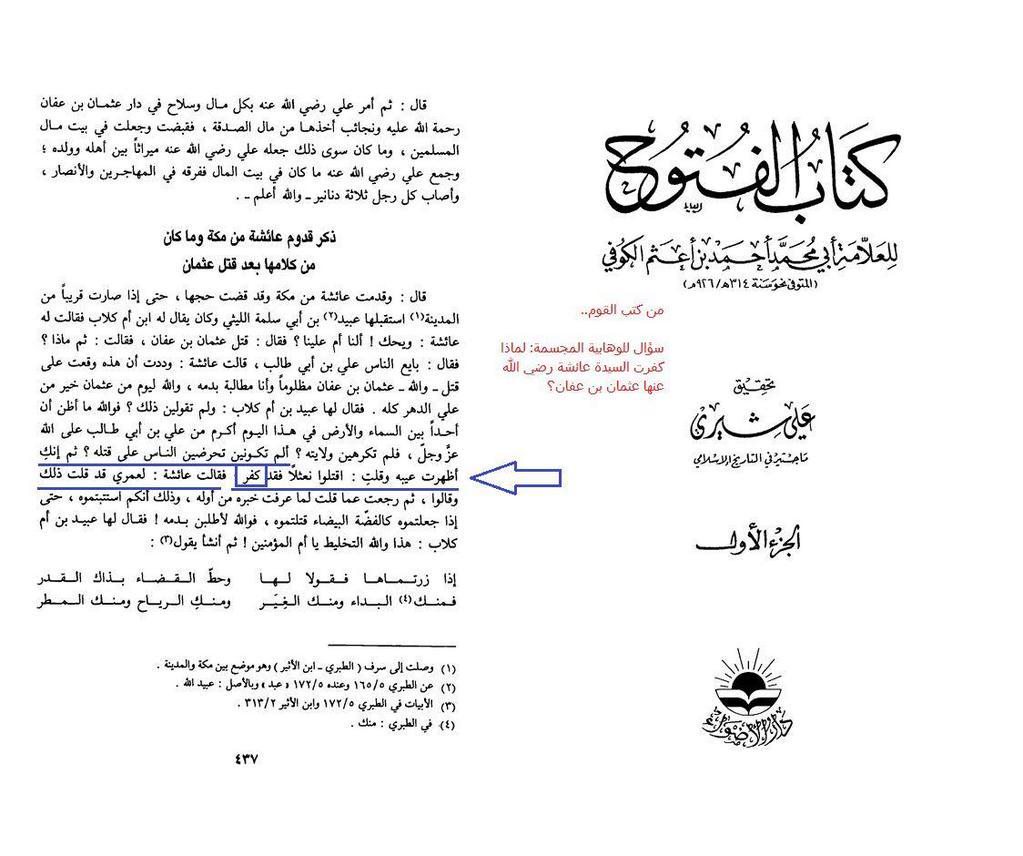
Accusing The Mother of the Believers Aisha (ra) of killing Caliph Uthman; and that she was responsible for inciting people to kill him! Saying, “Kill Nathla, for he has disbelieved!” (Nathla was a Jew). Accused of likening Uthman to a Jew named Nathla.

In a commentary explaining the aqidah of Tahawi. Muawiyah bin Abi Sufyan is blamed for approving the insult of Imam Ali, and by approving it he insulted Ali in Iraq and the Levant!

“The first king in Islam was Mu‘awiyah, and he was the best and most virtuous of their kings because he was righteous, the son of a righteous man, and because his lineage was noble. However, he is criticized because he allowed… due to his stance toward ‘Ali. As a result of his policy, the cursing of ‘Ali became widespread during his rule in Iraq and Syria, leading to this abominable practice, which gave rise to lies about the cursing of the Companions and exaggeration in the praise of ‘Ali.”

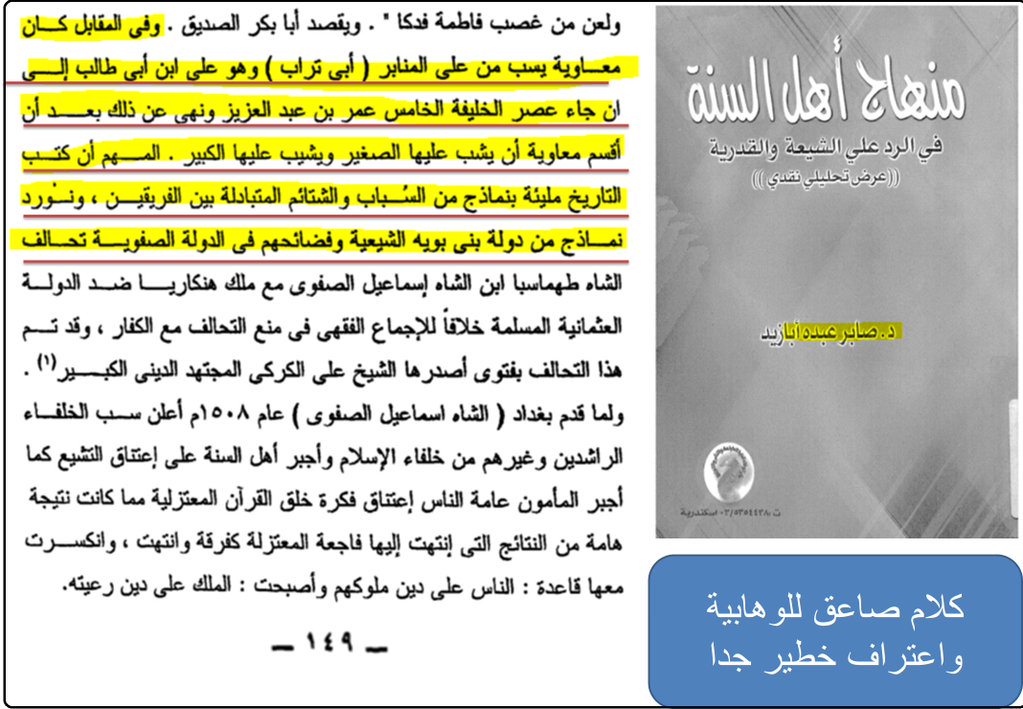
“Because of this, the Rafidah (a sect of extremists) harbor intense hatred toward Mu‘awiyah and all of Banu Umayyah, except for ‘Umar ibn ‘Abd al-‘Aziz (may Allah be pleased with him). This is because the cursing of ‘Ali continued in Iraq and Syria—though not in all places, only in some mosques—throughout the reign of Banu Marwan, until ‘Umar ibn ‘Abd al-‘Aziz came to power and abolished this practice, putting an end to it.”

Do you know who encouraged ‘Umar Ibn ‘Abd Al-‘Aziz to stop the cursing of ‘Ali from the pulpits?

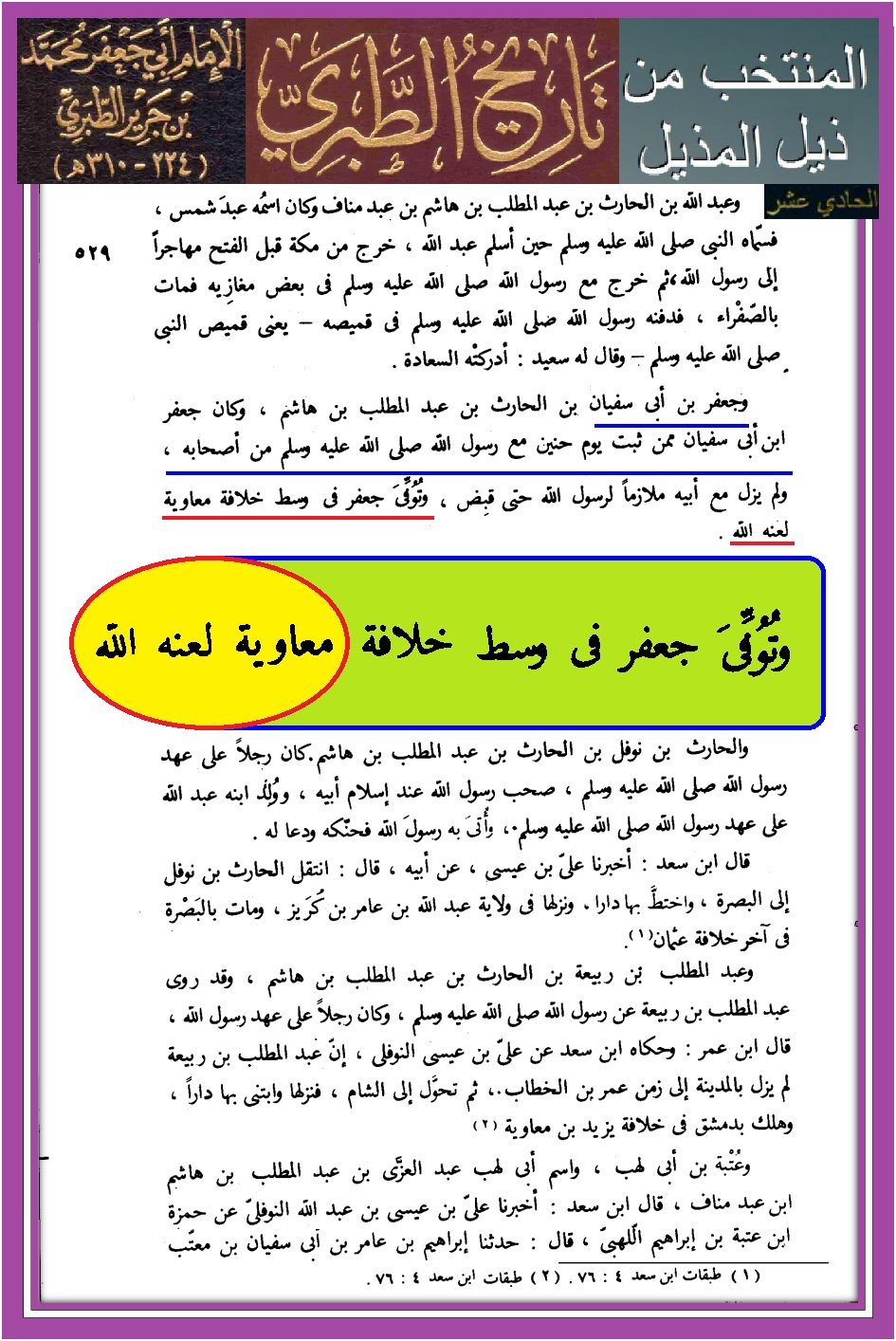
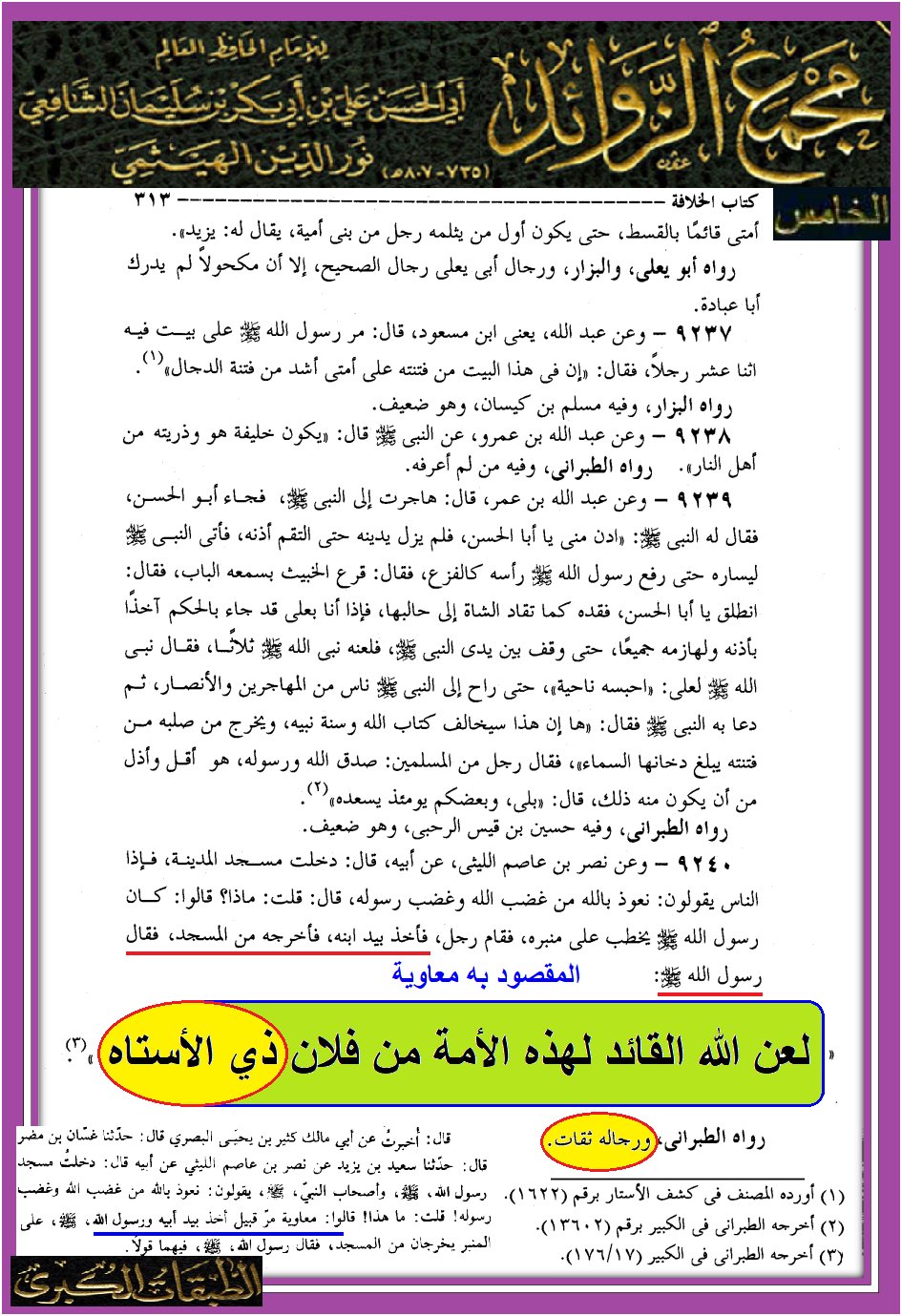
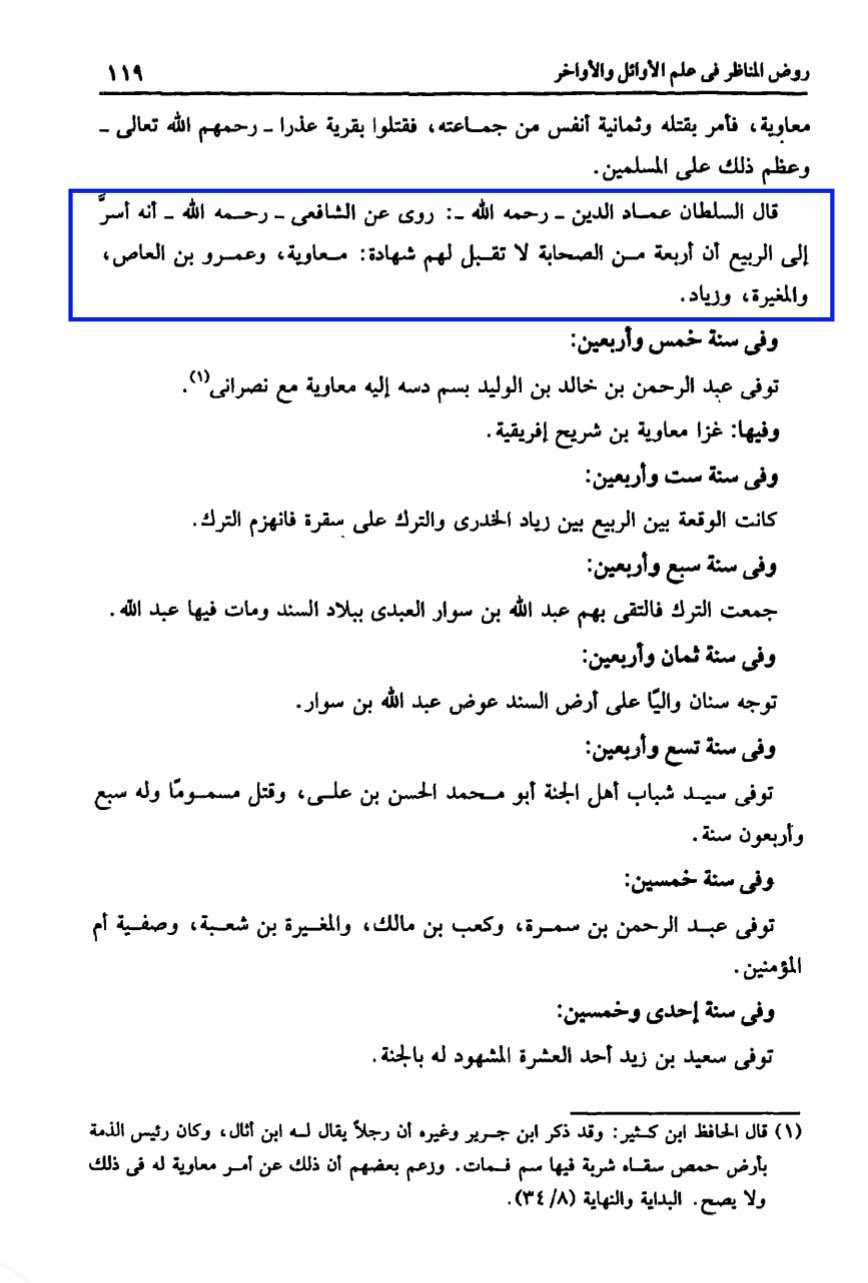
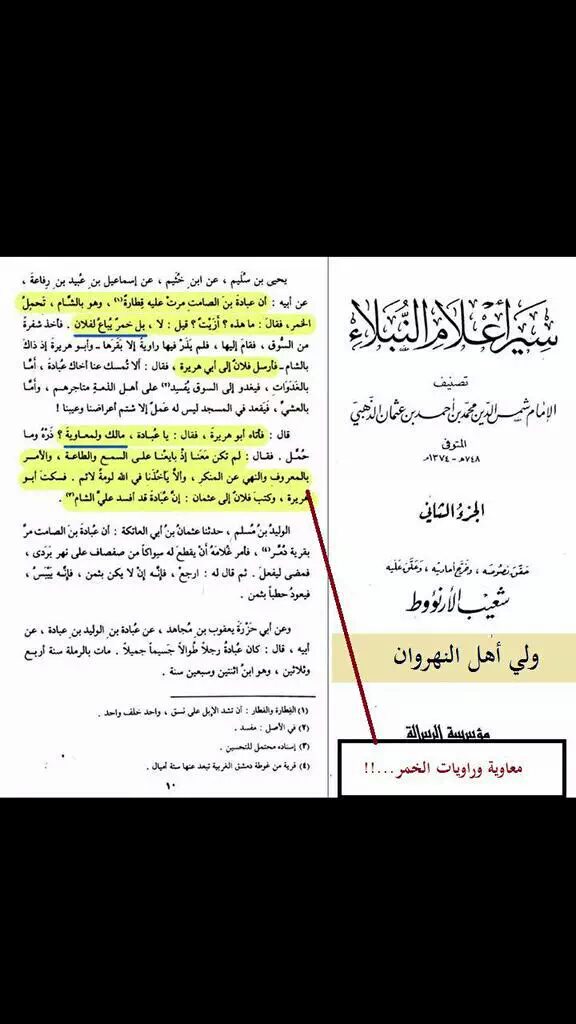
Muawiyah used to curse Ali and ordered him to be cursed on the pulpits and continued to curse him even after the death of Ali!

We have seen and reliably transmitted that Mu’awiyah’s cursing of Ali is recorded in authentic sources—specifically on page 45 of Volume 2 of Al-Fikr al-Sa’bi. Historians like Ibn Jarir al-Tabari and others have unanimously confirmed this.

They would not give anything except after disavowing Imam Ali and testifying against him with hypocrisy!

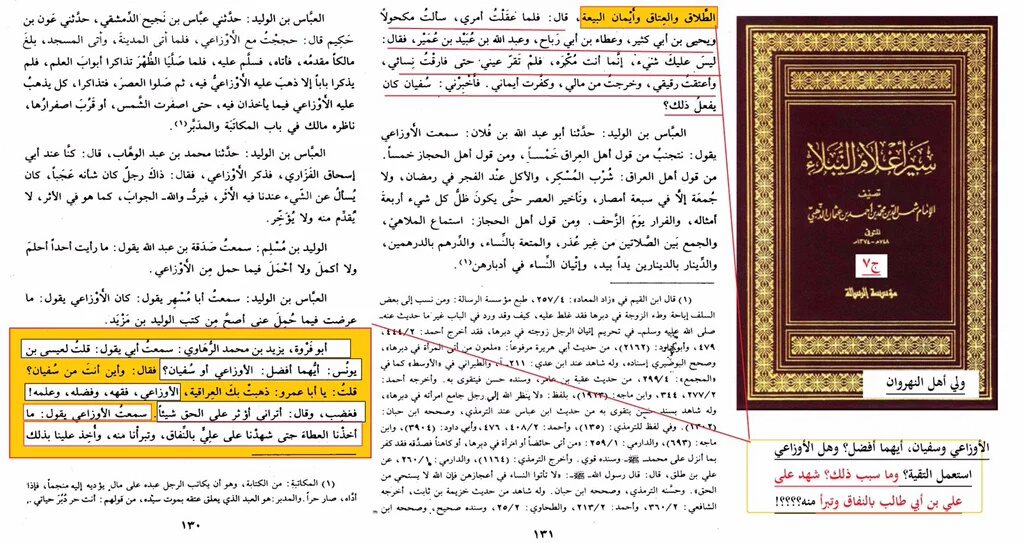
Al-Awza’i (a renowned scholar) said:
“They did not grant us stipends until we testified that Ali was a hypocrite—and I am innocent of such a claim! They forced us into this by threatening to withhold salaries, divorce our wives, and take our children. When I realized the gravity of the matter, I consulted Mak’hul, Yahya ibn Abi Kathir, ‘Ata ibn Abi Rabah, and Abdullah ibn ‘Ubayd ibn ‘Umayr. They all said: ‘You are under duress; there is no sin upon you.’ Yet my conscience remained unsettled until I divorced my wives, freed my slaves, relinquished my wealth, and repented for what I had done under coercion.”

Al-Hakim recorded this narration through Ali al-Hafiz, who cited Mak’hul of Beirut, from Abu Farwah.

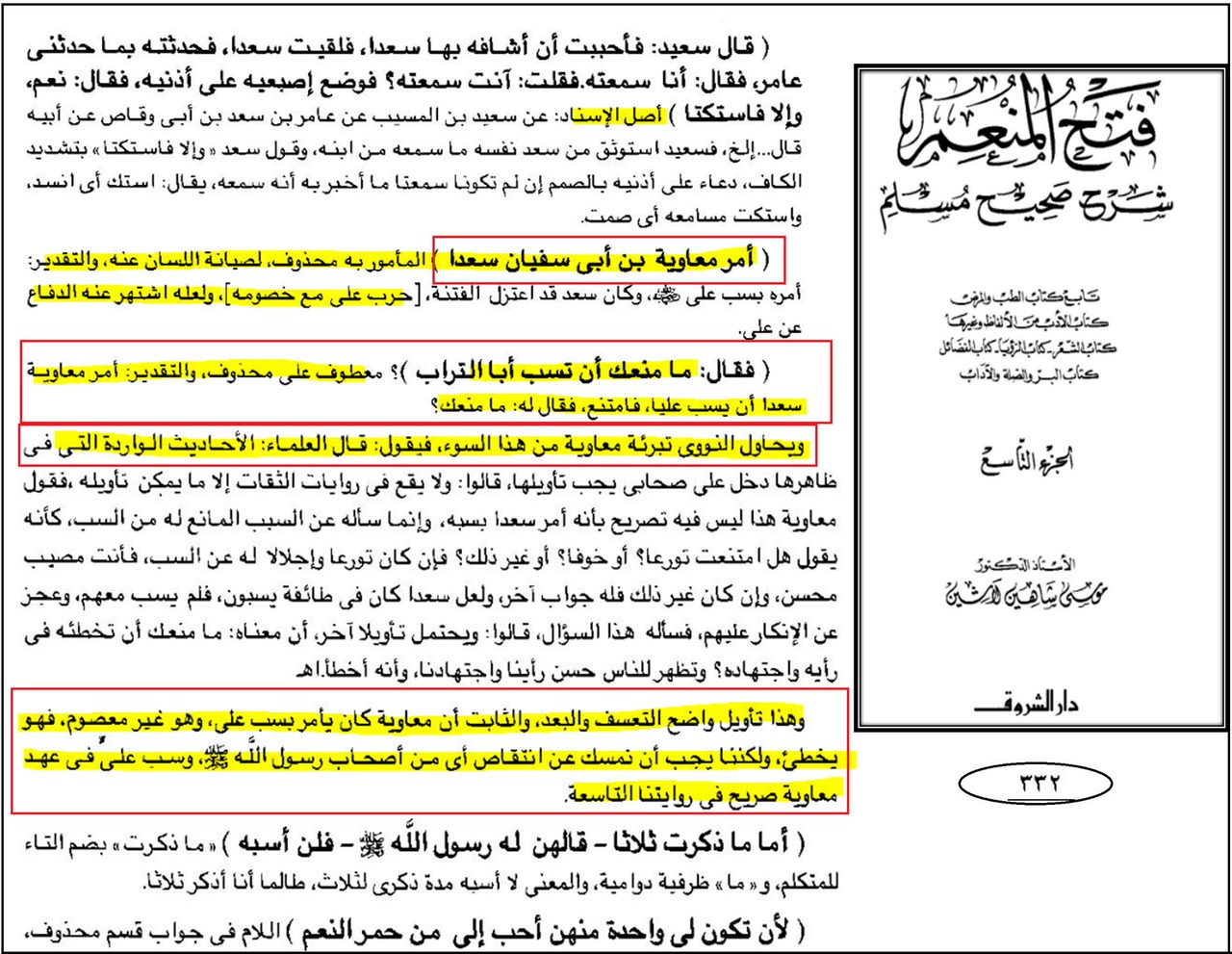
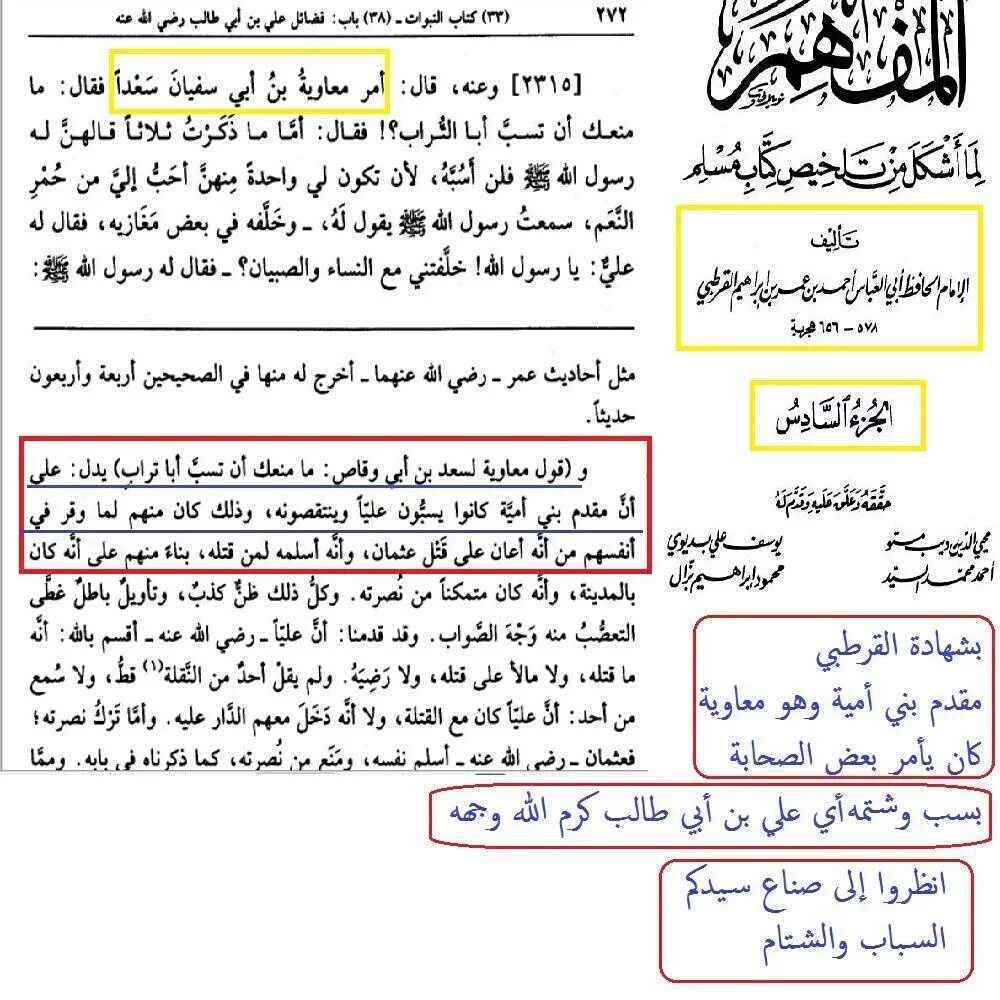
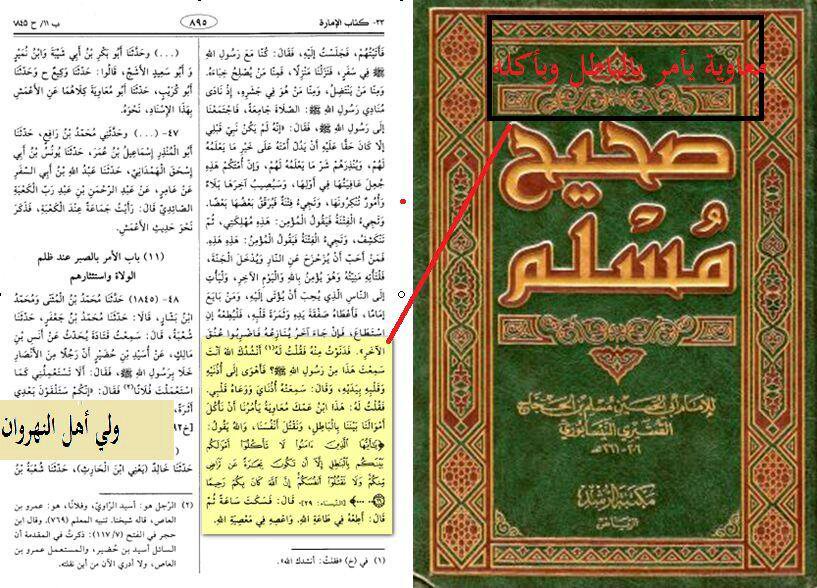
It is proven that Mu’awiyah was ordering Sa’d to insult Imam Ali and he explained that in detail and you will find among the Salafiyah those who defend Mu’awiyah and those trying to abuse the text!

Mu’awiyah’s Demand for Cursing ‘Ali

Context:

  • Mu’awiyah ibn Abi Sufyan pressured Sa’d to curse ‘Ali.
  • Sa’d had remained neutral during the Fitna (civil strife) but was known to defend ‘Ali.

The Dialogue:

  • Mu’awiyah“What prevents you from cursing him?”
  • Sa’d“What prevents me? [I refuse.]”

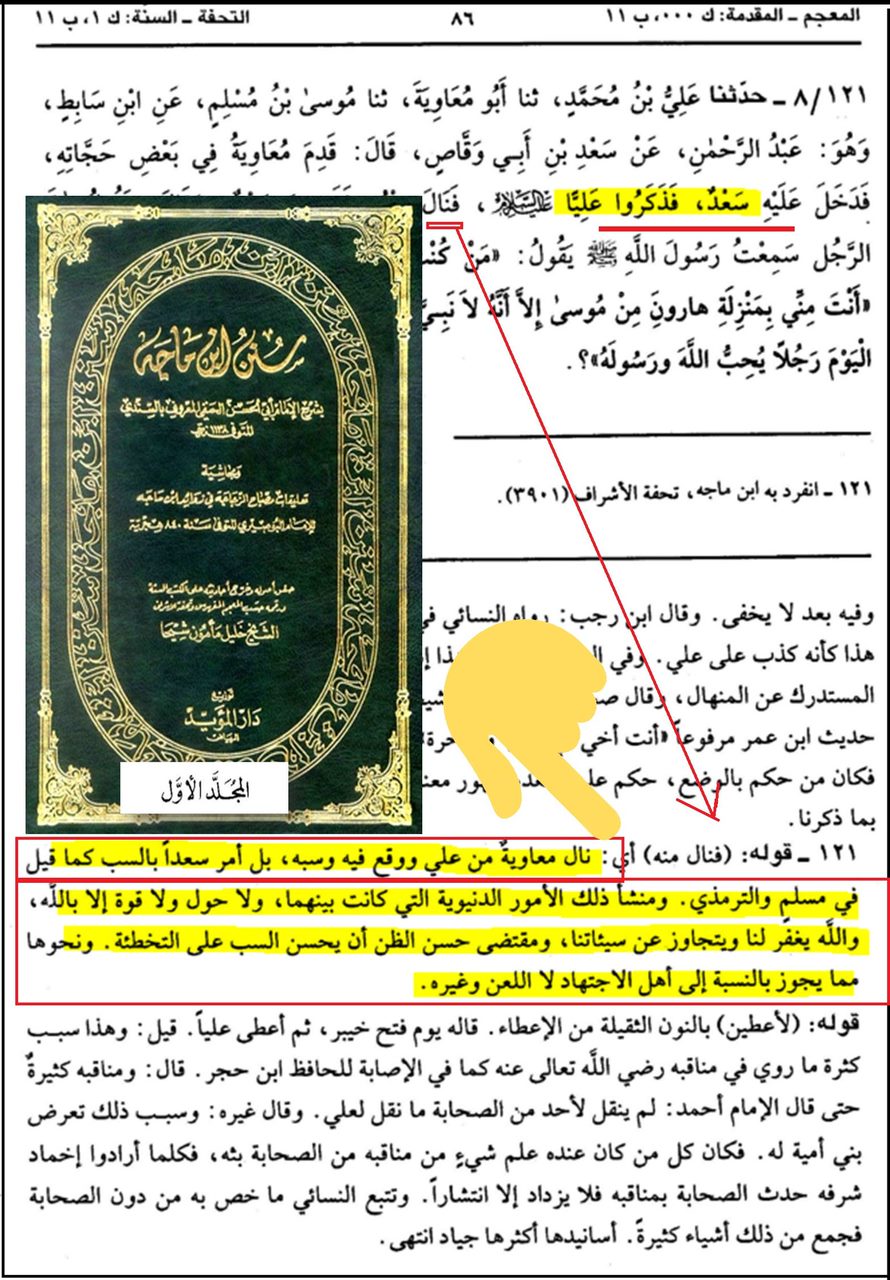
It was stated in the book Sunan Ibn Majah that Muawiyah used to insult and curse Imam Ali, and the reason was due to worldly matters between them!

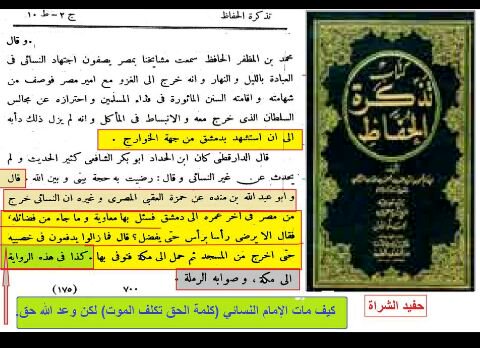
It was stated in the book on the explanation of Sahih Muslim that Muawiyah ordered Saad to insult Imam Ali! And with all this, you find the Salafiyyah defending and fighting for Muawiya, and it was safer for them to desist from that period in its entirety. But no, not them! One standard for them and one standard for others. They use double standards in sedition and make the common people think that they are the lovers of the Companions!

Banu Umayyah used to insult and curse Imam Ali on their platforms! And the Salafiyyah defend the injustice of the Umayyads and cursing of Imam Ali!

According to Imam Al-Qurtubi’s testimony Muawiyah insults Imam Ali and commands people to insult him! And guess who is defending those who curse and insult the Companions?

The great Companions used to curse the other great Companions, and many are the Salafi who conceal this and pretend to love the Companions, while in reality Companions are innocent of them.

Read below:

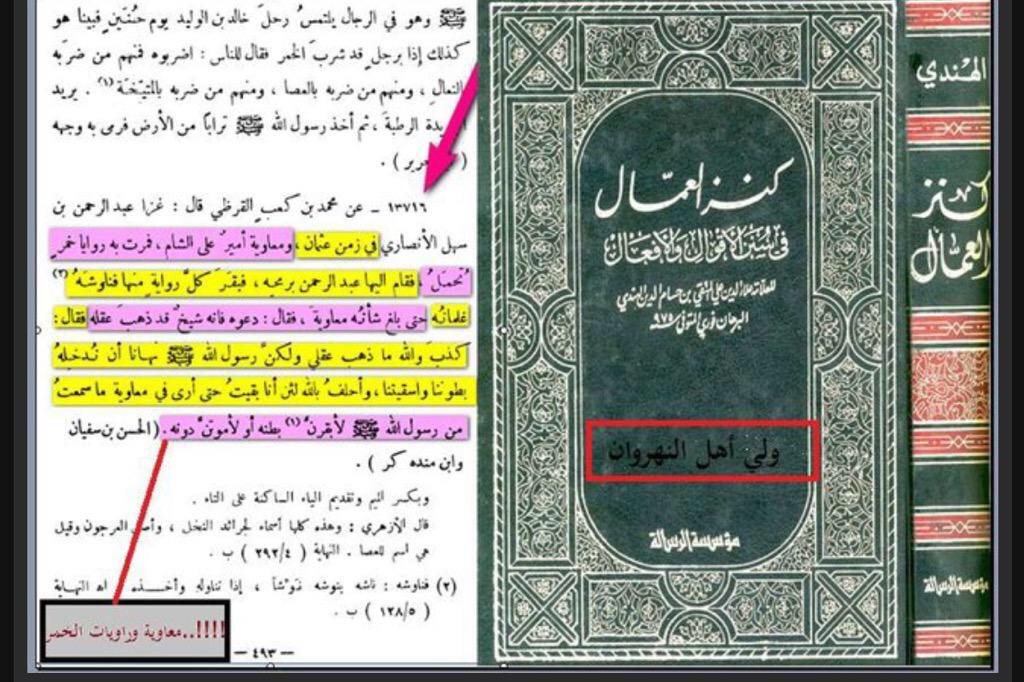
“The people of Sham (Syria) departed to Mu’awiyah and pledged their allegiance to him, forsaking and exposing him (a reference to a disputed event). Ibn ‘Abbas and Sharhabeel ibn Hanī’ returned to Ali with the news. Thereafter, whenever Ali would pray the morning prayer (Fajr), he would invoke curses (Qunoot) and say: ‘O Allah, curse Mu’awiyah, ‘Amr (ibn al-‘As), Abū al-A’war, Habīb ibn Maslamah, ‘Abd al-Rahmān ibn Khālid ibn al-Walīd, al-Fasaḷ ibn Qays, and al-Walīd ibn ‘Uqbah.’

This reached Mu’awiyah, so he, in turn, began to curse Ali, al-Ashtar, Qays ibn Sa’d, al-Hasan, al-Husayn, Ibn ‘Abbas, and ‘Abdullāh ibn Ja’far, may Allah the Exalted be pleased with them all.

In the text Imam Ali is cursed, yet the one who curses him he is considered trustworthy and honest! Yet look how they assault the Ibadi school. Where is the balance? Where do we insult any of the companions and worse yet where do we call any of them dogs of hellfire?!

Raja’ bin Haywah , considered a man of trust with those who attack us. (Those who attack the Ibadi). He (Raja’ bin Haywah) denounced the just caliph Umar bin Abdul Aziz for leaving cursing and cursing of Imam Ali on the pulpits!

Which by the way this was at the urging of the Ibadi delegation. (Thank you Muslim majority for conveniently leaving that tid bit out)

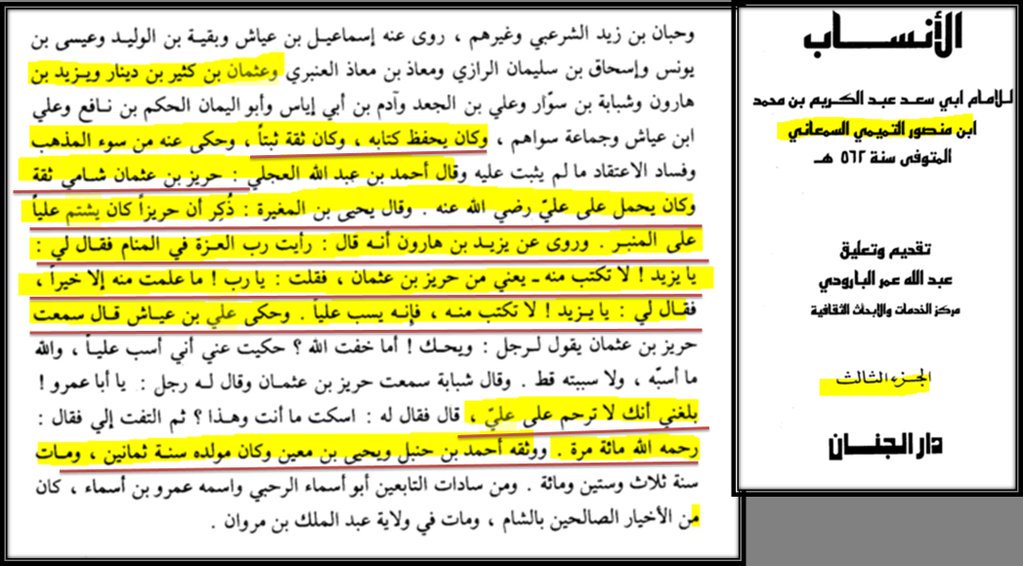
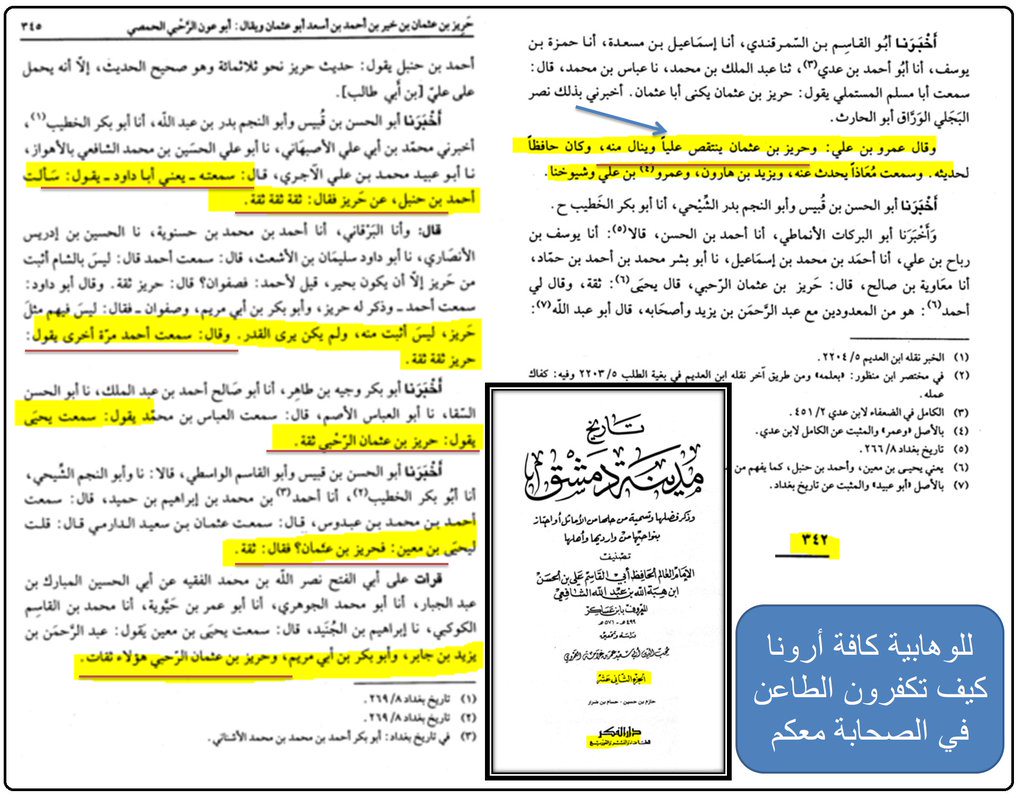
Harir bin ‘Uthman, he is one of the men of Bukhari. This man was cursing and cursing Imam Ali, and despite all this, he is proven trustworthy and has the trust of Ibn Mu’in and Ahmad bin Hanbal!

In Tahdhīb al-Tahdhīb, Volume 2, page 409-410, Entry No. 852

وَرَوَى الْعَقِيلِيُّ عَنْ يَحْيَى بْنِ مَعِينٍ أَنَّهُ كَانَ يَسُبُّ عَلِيًّا رضي الله عنه كُلَّ يَوْمٍ مِائَةً وَأَرْبَعِينَ مَرَّةً.

“And al-‘Uqaylī narrated from Yaḥyā bin Ma‘īn that he [Ḥarīr] would curse Ali one hundred and forty times every day.”

Ahmad bin ‘Abdullah al-‘Ijli said: “Harir bin ‘Uthman was a Syrian, reliable (thiqah), and he used to bear hostility (yahmil) against ‘Ali.”

Yahya bin Ma’in said: “It was mentioned that Harir used to revile (yashnum) ‘Ali from the pulpit (al-minbar).”

It was narrated from Yazid bin Harun that he said: “I saw the Lord of Might (Rabb al-‘Izzah) in a dream, and He said to me: ‘O Yazid! Do not write from him’—meaning from Harir bin ‘Uthman. I said: ‘O Lord, I have not known anything from him except good.’ He said to me: ‘O Yazid! Do not write from him, for he reviles (‘sabb‘) ‘Ali.'”

‘Ali bin ‘Ayyash narrated, saying: “I heard Harir bin ‘Uthman say to a man: ‘Woe to you! Do you not fear God? You have reported from me that I revile (‘asubbu‘) ‘Ali. By Allah, I do not revile him, and I have never reviled him.'”

Shababah said: “I heard Harir bin ‘Uthman, and a man said to him: ‘O Abu ‘Amr, it has reached me that you do not show mercy upon ‘Ali?’ He said to him: ‘Be quiet! What business is this of yours?’ Then he turned to me and said: ‘May Allah have mercy on him (‘Ali)’ a hundred times.”

Ahmad bin Hanbal and Yahya bin Ma’in considered his narrations to be stopped (waqafuhu – a term in hadith criticism, possibly meaning they did not use his narrations as evidence due to this issue).

Al-Hajjaj beats people who do not curse Imam Ali and punishes them with flogging!

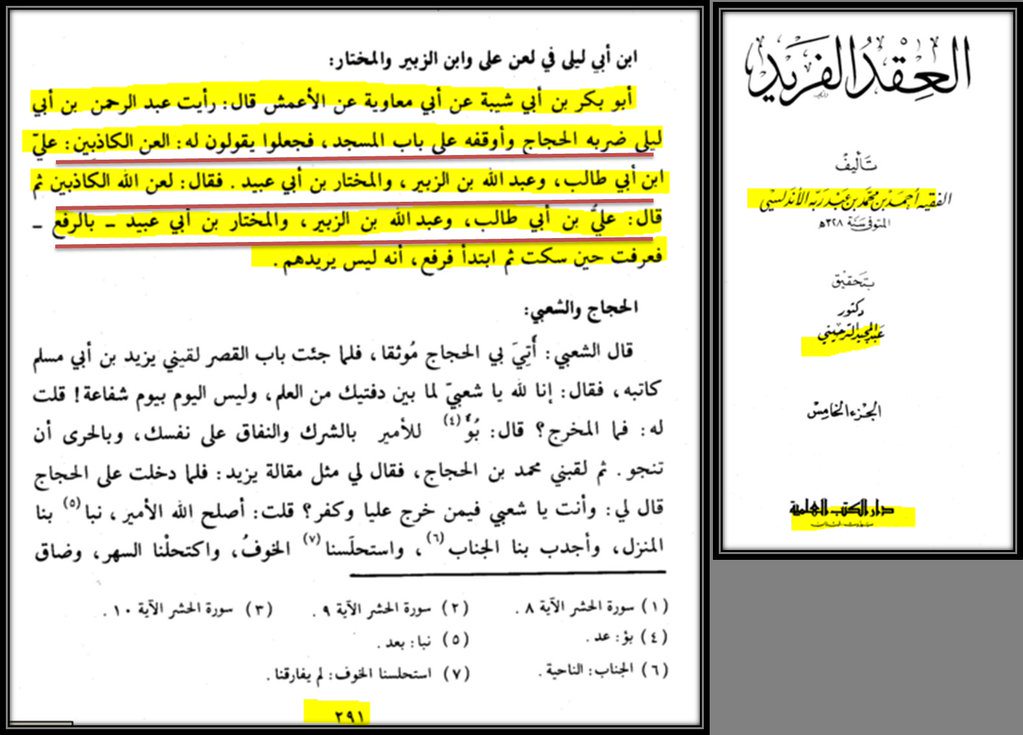
Ibn Abi Layla, and Ibn al-Zubayr, and Al-Mukhtar:

Abu Bakr bin Abi Shaybah narrated from Abu Mu’awiyah from Al-A’mash, who said: “I saw ‘Abd al-Rahman bin Abi Layla. Al-Hajjaj had him beaten and made him stand at the door of the mosque. They began saying to him: ‘Who are the liars?'”
He said: “So who are the liars of Allah?” Then he said: “‘Ali ibn Abi Talib, ‘Abdullah ibn al-Zubayr, and Al-Mukhtar bin Abi ‘Ubayd.” – [he said it] quietly. So I knew when he fell silent, then he started again and raised his voice, that he did not mean them.

Harir bin ‘Uthman, it was known about him that he insulted Imam Ali, and he was famous for that. However, when Ahmed bin Hanbal was asked about him, he said about him: trustworthy, trustworthy, trustworthy!

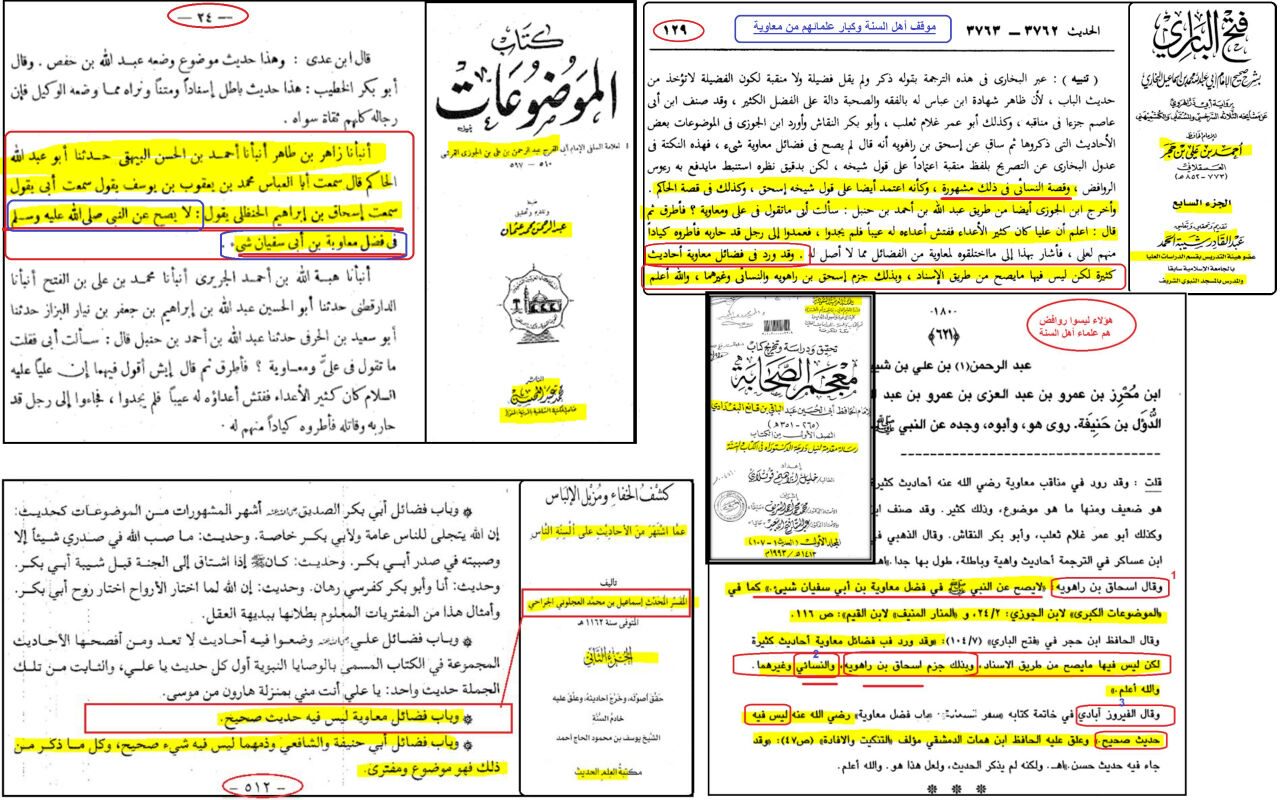
A question to the Salafiyyah, On what consistent basis do you attack the Ibadi when some of our past scholars put Ali in Barā’ah, and some practice Wuqoof, while others hold him in Walāyah and yet you keep defending the Umayyads whose Sunnah was to curse Imam Ali in the streets and on the pulpits?!

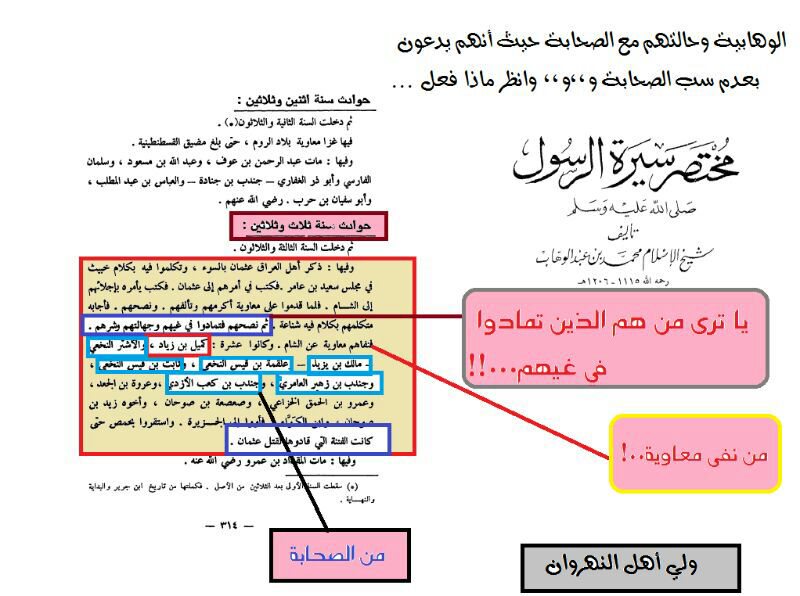
Now imagine dear readers that we take a time machine back to the Umayyad period. We have those among the companions, the early salaaf who disavow Ali for arbitration and killing the believers at Nahrawan. Meanwhile what will be going on in the Umayyad territories? Cursing Imam Ali on the pulpits as a necessary Sunnah.

Who is reviling who?

Who is disavowing who?

Ibn al-Qayyim criticizes the Companions for masturbating during their battles, and criticizes their women! Certainly these are the ethics of the downward road!

Marwan bin Al-Hakam used to insult and curse Ali as well as his two sons Al-Hassan and Al-Hussein on the pulpits! Marwan would claim that Hassan smelled of donkey urine!

…Narrated by Ishaq bin Rahawayh (1) and Abu ‘Ubayd (2).

[Narration 7566] And from ‘Umayr bin Ishaq who said: “Marwan was our governor for a year, and he would curse [‘Ali] – – for us from the pulpit.” He would address the people, then Marwan was deposed, and Sa’id bin al-‘As was appointed for a year, and he did not curse. Then Sa’id was deposed, and Marwan was reinstated, and he resumed cursing. So it was said to Al-Hasan bin ‘Ali: “Do you not hear what Marwan is saying?” But he would not respond at all.
He would prepare on Friday, then enter the pulpit of the Prophet (saw)and it would be there. When the pulpit was brought forward, he would enter the mosque and not prepare, then return to his family. Marwan was not satisfied with that until he sent a message to him in his house, so that when he sat with him, he would address the people. So he sent for him, and he entered. He said: “Your proximity is part of the sultan’s might, and your proximity is a resolution.” He [Al-Hasan] said: “[Say] what you want.” He said: “Marwan has sent me to you with so-and-so and so-and-so, and I have not found anyone like you except the urine of a female mule.

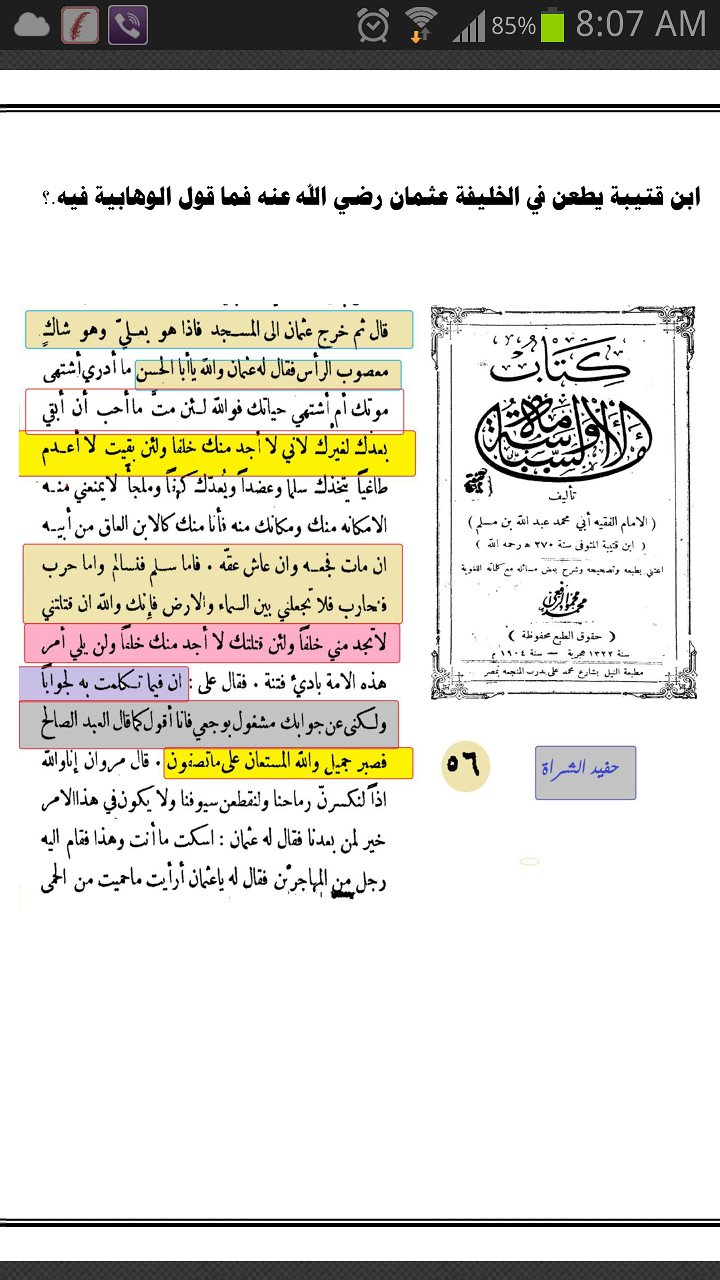
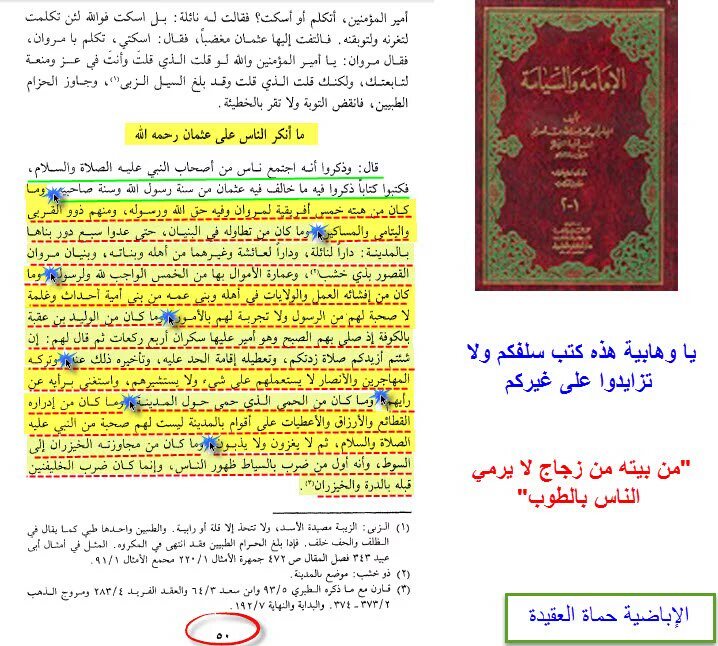
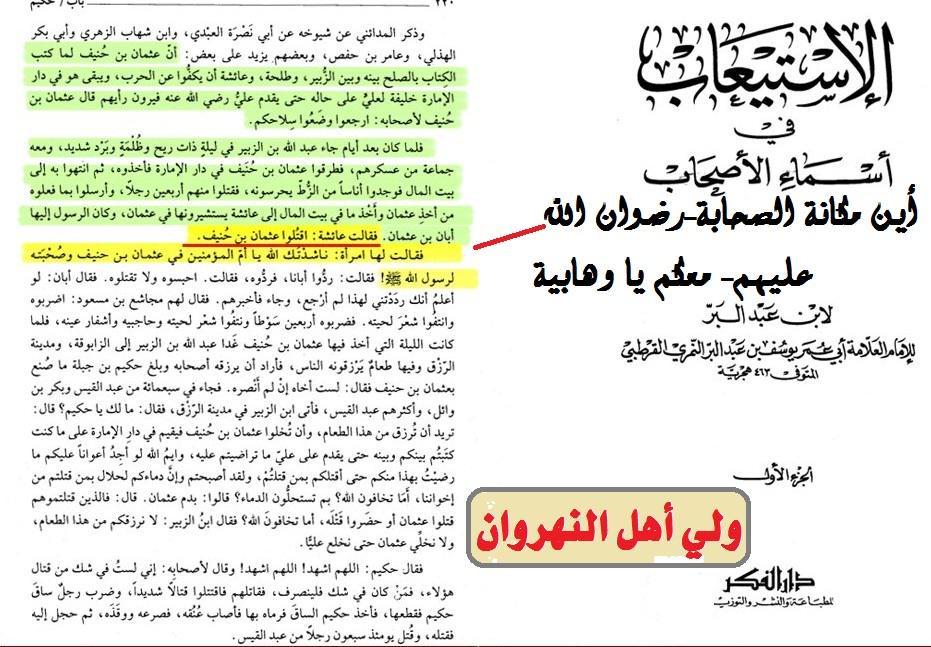
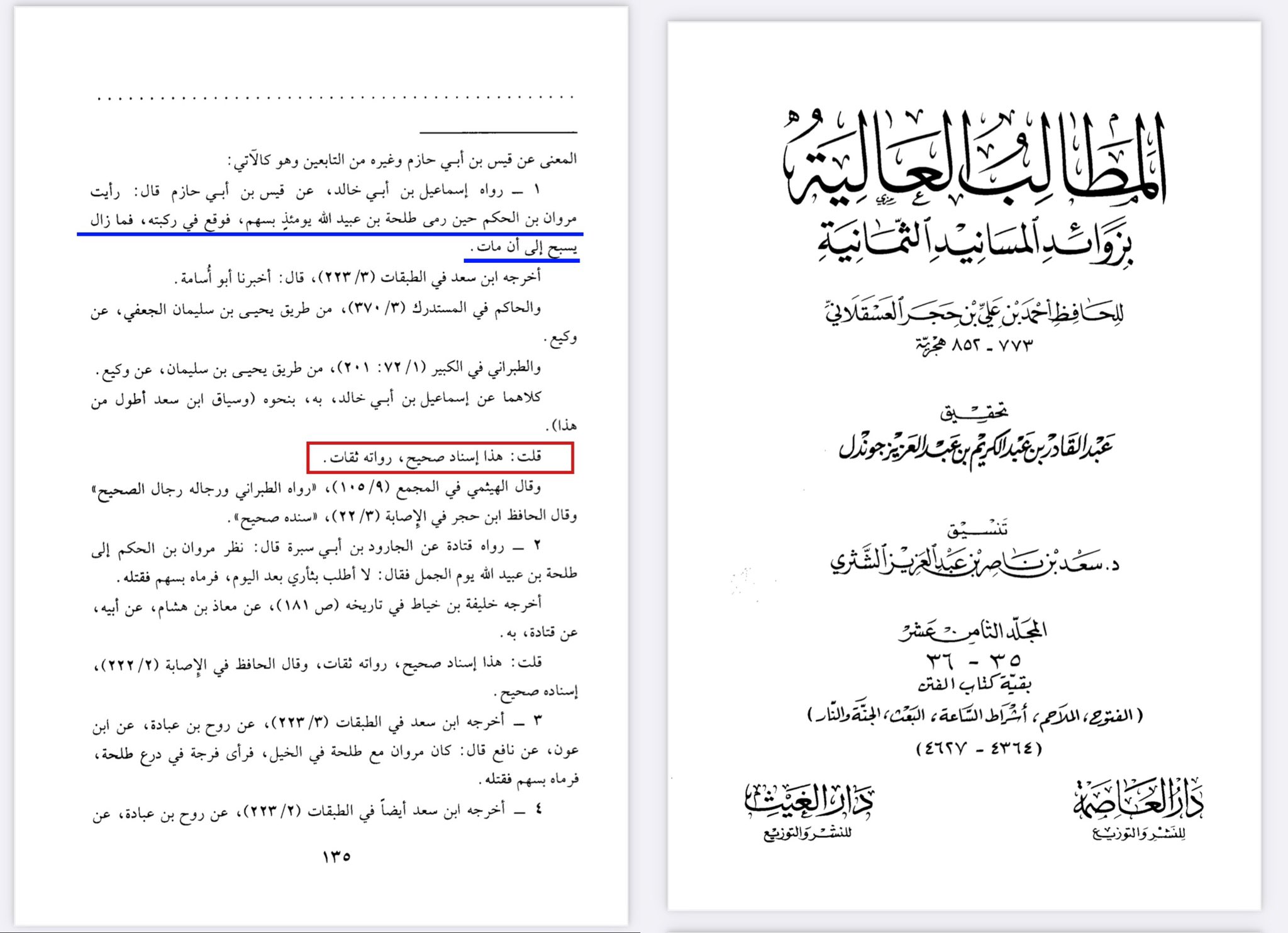
Caliph Uthman begged Ali bin Abi Talib and Talha to defend him when his house was besieged. However, he was not as supported as it should have been. And Marwan was cursing the people and antagonizing them more! Why didn’t the companions support Uthman?!

The Salafiyyah spread lies among the people that Muawiyah loves Ali and takes care of him, to the extent that if the two groups fight, it is because of the excessive longing between the brothers, so if the night comes, they congregate until the morning, then they shed crocodile tears to deceive the common people! Here, their lies are exposed!

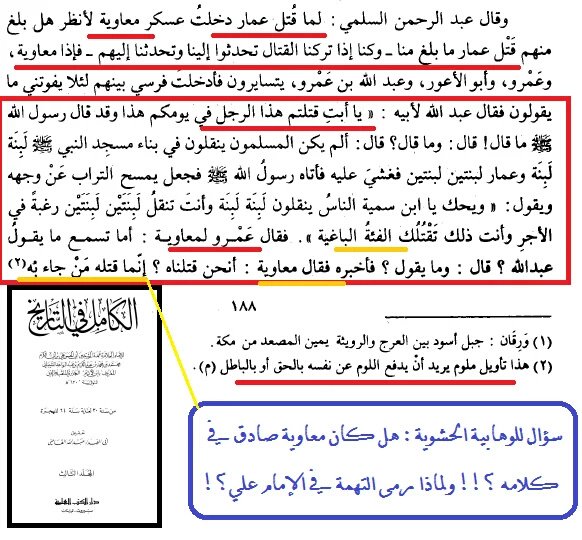
The Salaafiyah are deceiving the common people by saying that Muawiyah did not order Sa`d to insult Mu`awiyah, and that his purpose was not to insult, but rather he wanted to test Sa‘d, Yet the deception is clear!

Muawiya used to send his agents to interrogate people and disavow Ali and curse him, and if they did not respond to his request, they would be sentenced to death!

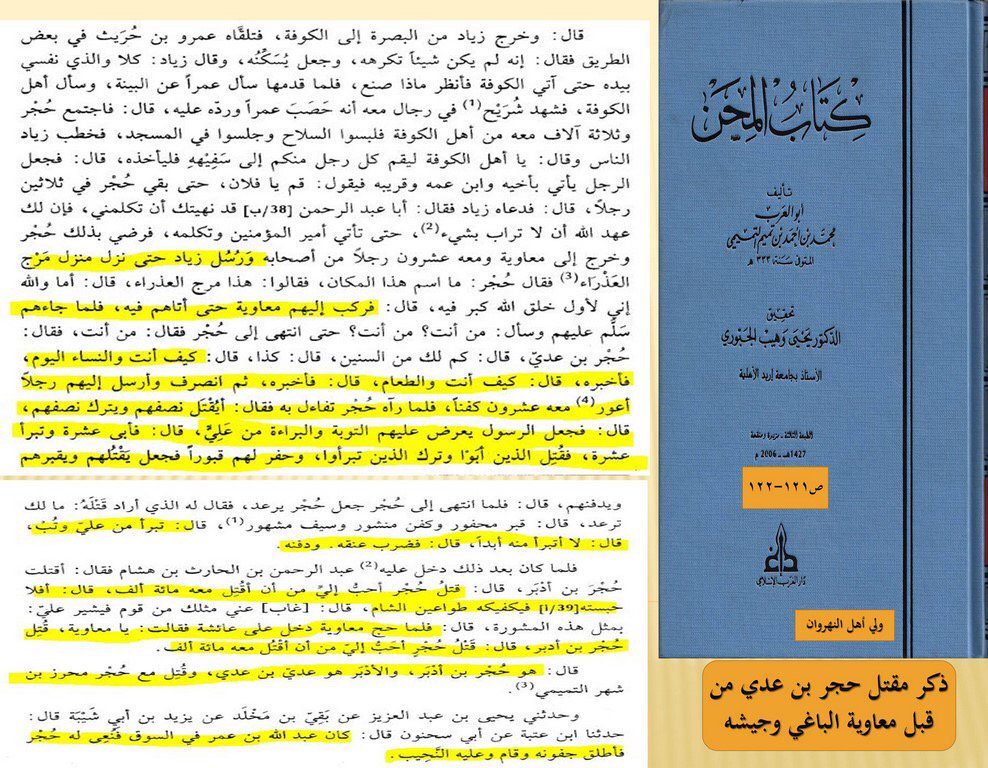
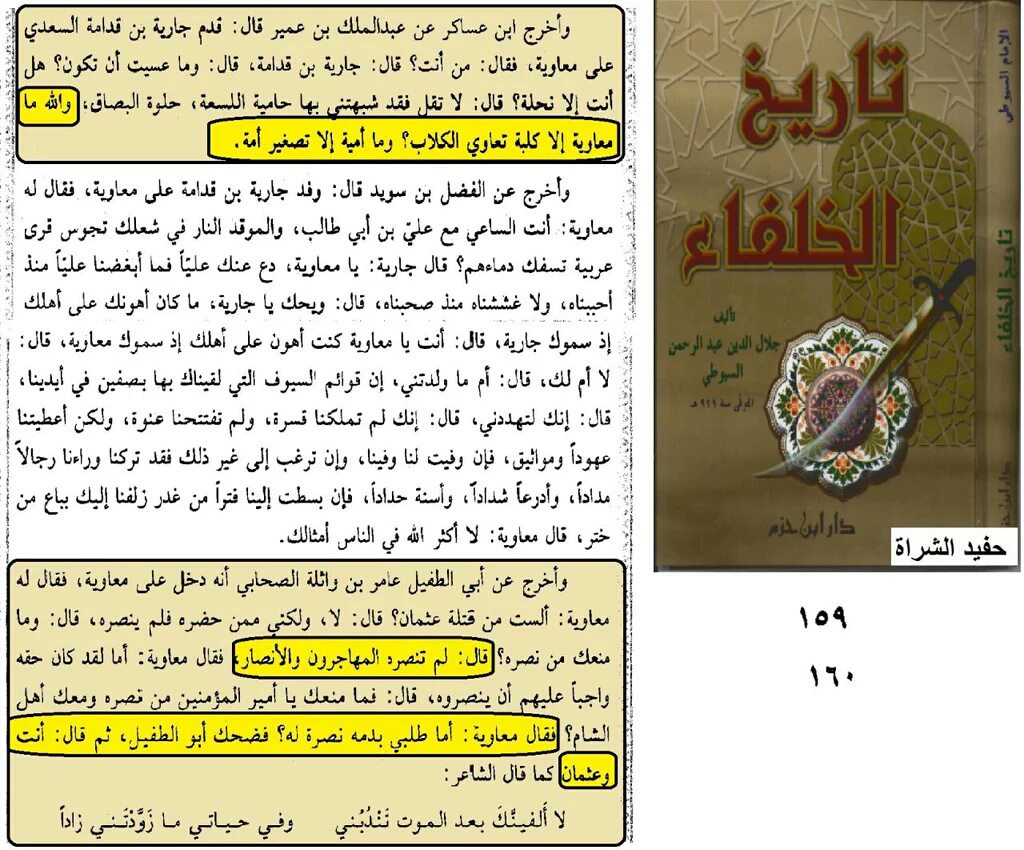
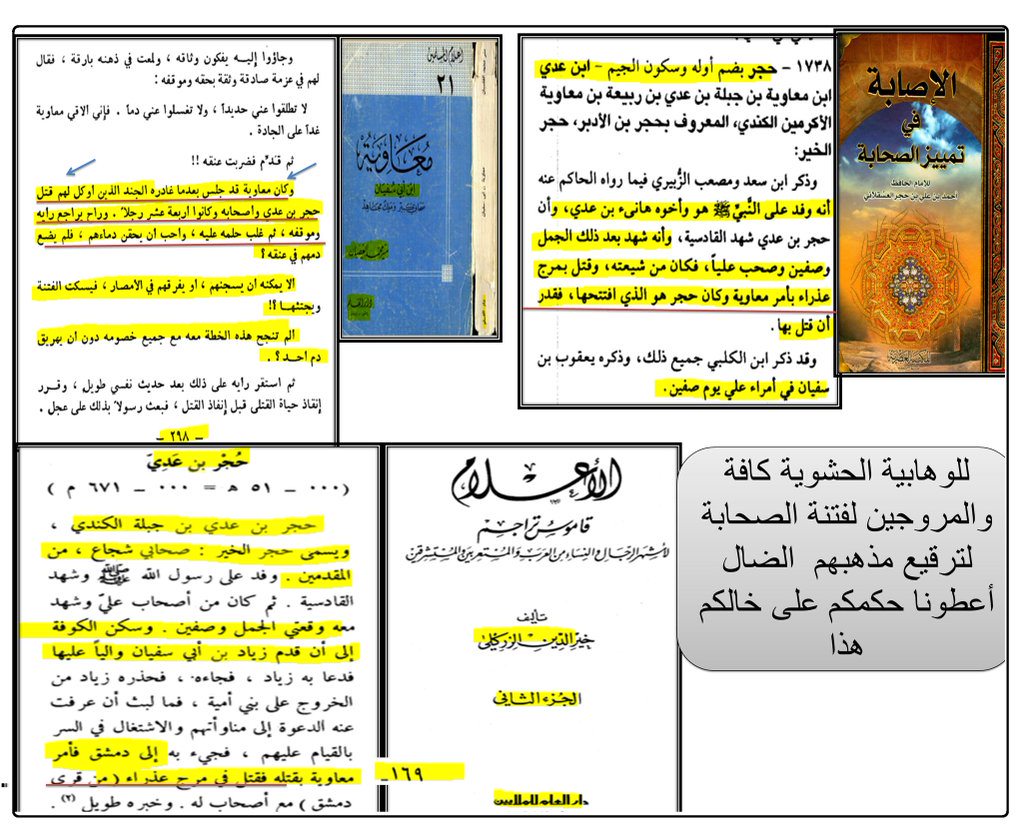
Muawiyah orders Hajr and his companions to disavow Ali and curse him, but they refuse to do so and are killed! This is Muawiyah the one we are supposed to say (May Allah be pleased with his deeds) after his name!

A torrent of insults and cursing of Imam Ali, and this insult remained the Sunna of the Umayyads, and Muawiyah swore that their young ones would grow old and their old ones would grow older (they would be granted prolonged life) because of cursing Imam Ali!

And the Salafiyyah want it to be remained concealing from the common people and defend the Umayyads of the Nawasib! The truth has appeared and revealed the hidden!

 Here is is mentioned the killing of Hujr bin Adi al-Kindi and his companions by Muawiyah Al-Baghy and his army of miscreants!


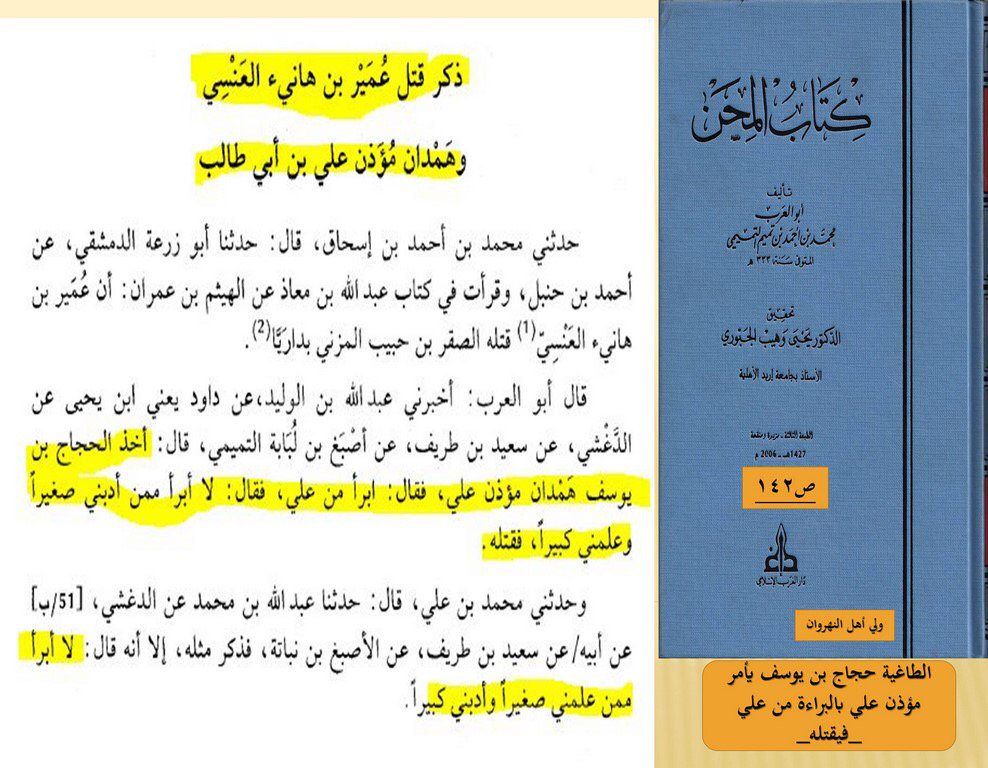
Al-Hajjaj orders the muezzin of Ali to disavow Ali, but he refuses and thus is killed!

Abdullah Al-Jabreen admits that the Umayyads insulted and cursed Ali on the pulpits until the era of Umar bin Abdul Aziz. Then he said that people began to mention the virtues of Ali, but even than he was upset that they alienated the people from the Umayyads!!!

Hence the split that last until today between the Abbasid Sunnis (those who incorporated Ali as the fourth “rightly guided”) and their antagonist, the Umayyad Sunnis (those who have real hate towards Ali).

Shaykh `Abdullah ibn `Abdur-Rahman al-Jibreen was a prominent Saudi Islamic scholar who served on the Council of Senior Scholars and the Permanent Committee for Islamic Research and Issuing Fatwas. Here is what he had to say.

“During the era of the Umayyads, and specifically after the caliphate of Mu’awiyah until the end of the [first] century—from the year sixty-one until the year ninety-nine—some of the Umayyad caliphs would curse Ali from the pulpits and in his absence, and they would accuse him of participating in the killing of Uthman. This continued until the time of Umar ibn
Abd al-Aziz, who put an end to this heinous practice.”

“And there were in Kufa individuals who extreme in their devotion to Ali (yaghulūn fī ‘Alī), from among his ministers and students in Kufa. They were harmed and enraged by what they saw of the public cursing from the pulpits, and it became excessive. So they began to gather in private places for themselves and they would console each other. Then there joined them whoever wished to secede (from the community), so then people began to join them and they became numerous. They would exaggerate in his virtue, inventing many fabricated hadiths about his merits, and they claimed by doing this that they were endearing the people to him and turning the people away from the Umayyads.”

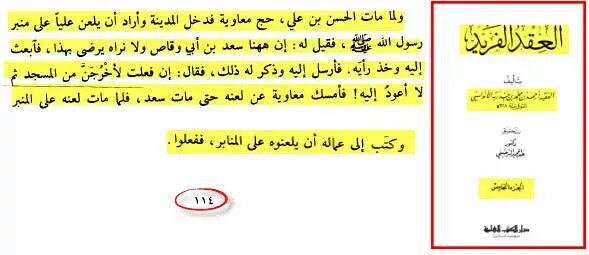
Muawiya’s first act after the death of Al-Hassan bin Ali was to perform Hajj and ascend to the pulpit of the Messenger of Allah in Medina to curse Imam Ali! Imagine the minbar of light and barakah being used to pour out vomit and hate!

The following is from: Al-‘Iqd al-Farid by Ahmad ibn Muhammed ibn Abd Rabbih. A book about adab! Imagine!

“And when Al-Hasan bin Ali died, Mu’awiyah performed Hajj and entered Medina. He wanted to curse Ali from the pulpit of the Messenger of Allah (saw). It was said to him: “Among us is Sa’d bin Abi Waqqas, and we do not think he will be pleased with this at all. So send for him and seek his opinion.” So he sent for him and mentioned that to him. Sa’d said: “If you do that, I will leave the mosque and never return to it!”

So Mu’awiyah refrained from cursing him until Sa’d died. After he (Sa’d) died, he (Mu’awiyah) cursed him (Ali) from the pulpit.

And he wrote to his governors to curse him on the pulpits, and they did so.

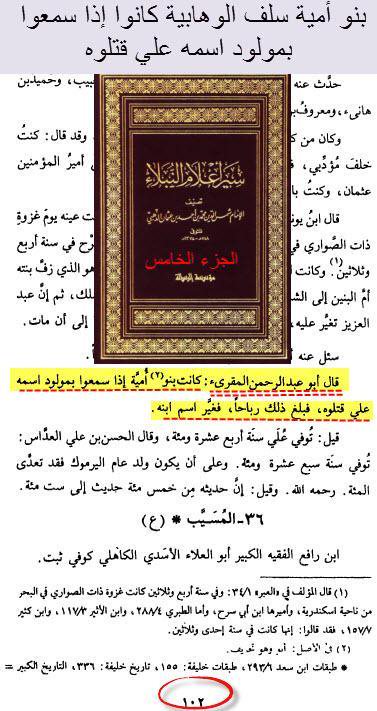
The Banu Umayyah, they had the vile practice that if they heard that someone had named his son Ali, they killed him!

Abu Abd al-Rahman al-Aqri said:

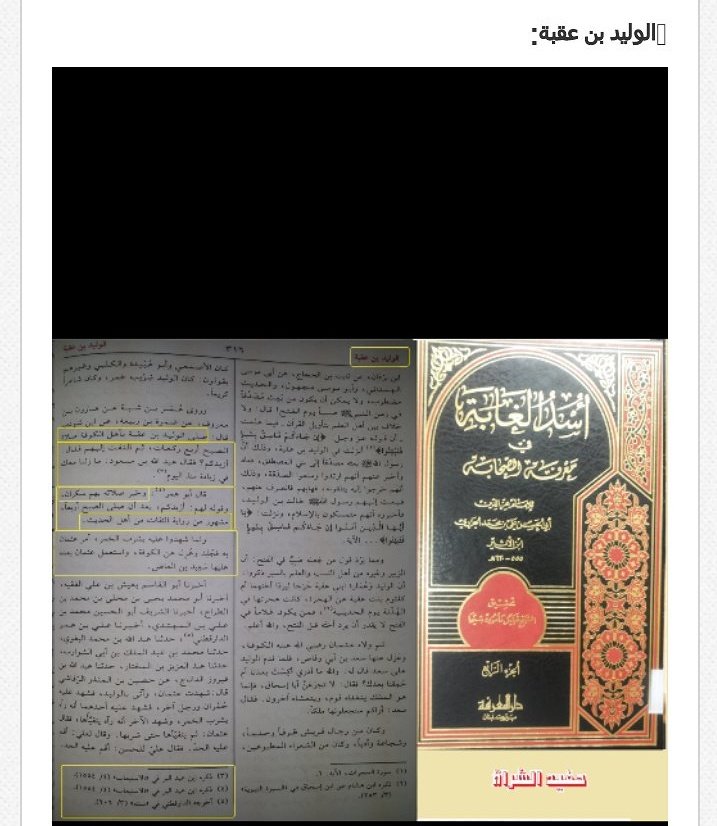
“The Banu Umayyah, whenever they heard of a newborn named ‘Ali, they would kill him. This reached Rabah, so he changed his son’s name.”

Source: (“Siyar A’lam al-Nubala” (سير أعلام النبلاء) by Imam Shams ad-Din adh-Dhahabi

By the way dear reader many of you may not be aware but a revival of the Umayyad spirit is happening among the Sunni Muslims, in particular Salafist types. They wear the title nawasib as a badge of honour. As an indication of one’s loyalty to Sunnism they will name their kids as Yazid or Mu’awiyah. The fighting in Syria accelerated this movement. Insh’Allah have an article on this coming.

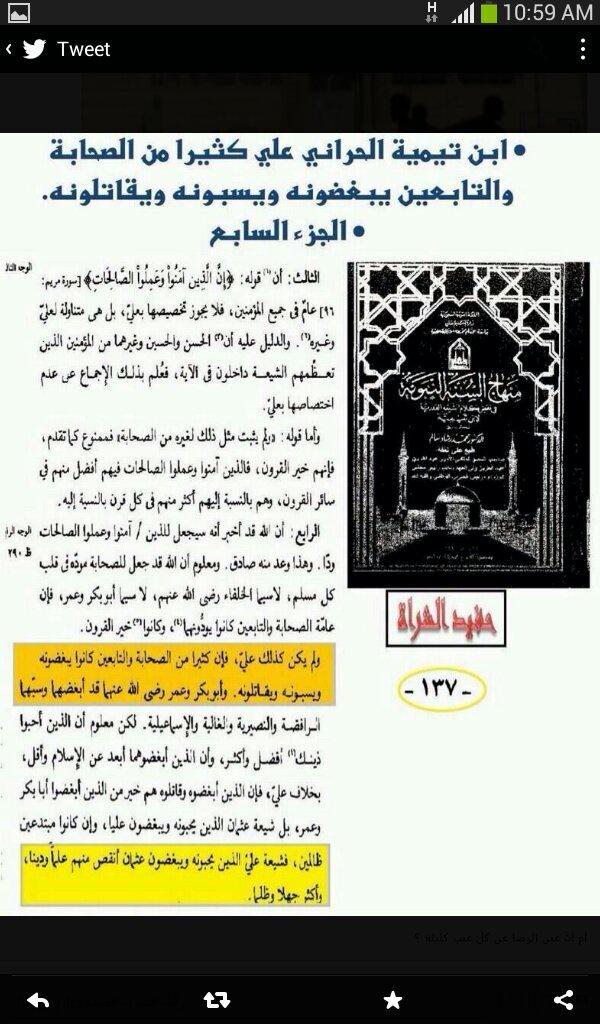
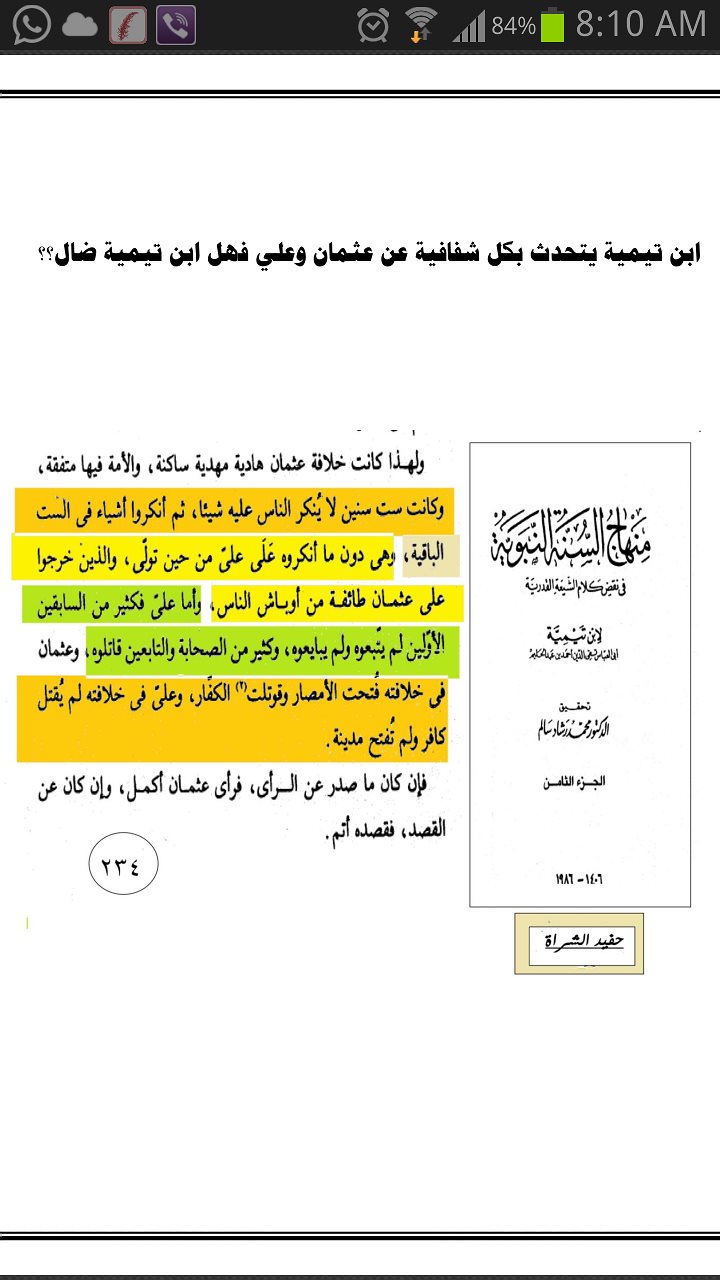
Shaykh Ibn Taymiyyah al-Harrani states about Ali that many of the companions and followers hated him, insulted him and fought him!

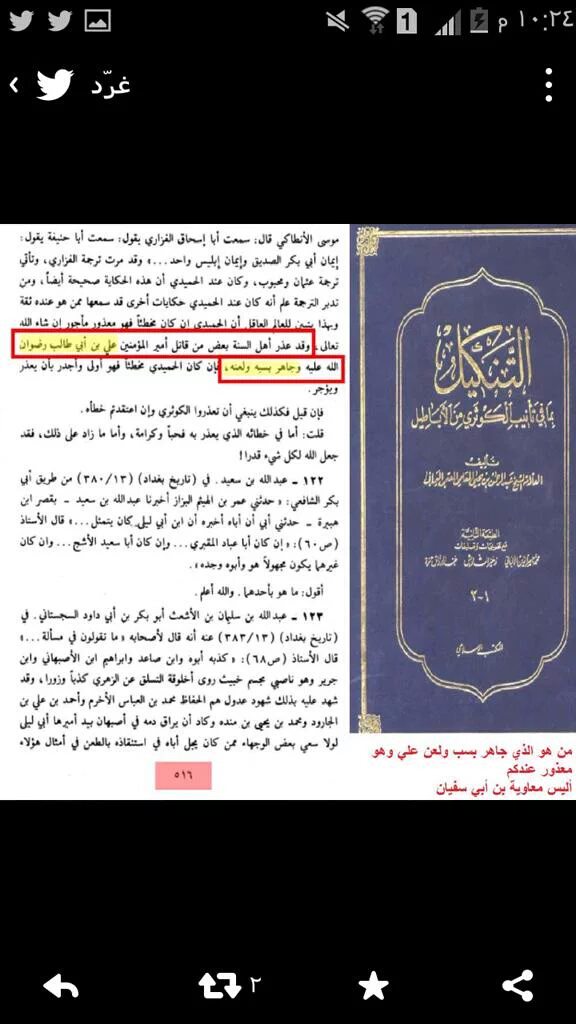
Ahl al-Sunnah excused some of those who killed Ali. And them themselves openly insulted and cursed him!

Ibn Al-Qayyim recounts the story of Al-Hajjaj in cursing Imam Ali and ordering people to curse him in the markets in front of the shops!

Ibn Taymiyyah proves the infighting and killing among the companions, and each group despising the other!

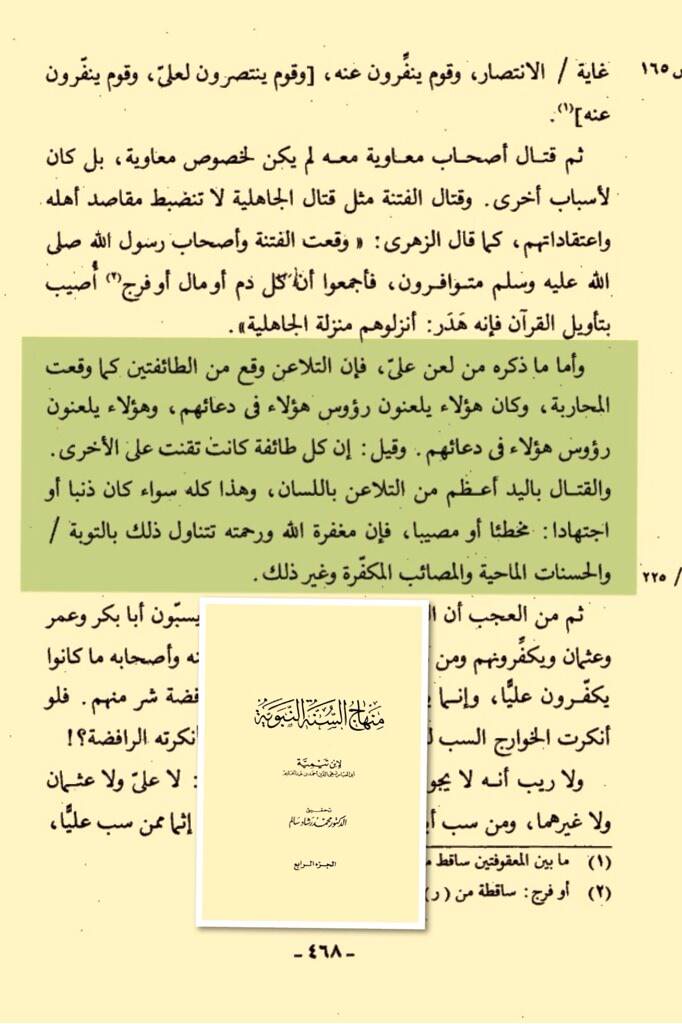
“As for what he mentioned regarding mutual cursing, the cursing was done by both groups, just as the fighting took place. One group would curse the leaders of the other in their supplications, and the other would curse the leaders of the first in their supplications. It is said that each faction would invoke curses upon the other in their prayer (qunut).”

“Fighting with the hand is greater [in sin] than cursing with the tongue. All of this—whether it was a sin, an effort of independent legal judgment (ijtihad), an error, or a correct opinion—is encompassed by the forgiveness and mercy of God through repentance, the erasing of sins by good deeds, great calamities that expiate sin, and other means.”

Source: (“Minhaj as-Sunnah an-Nabawiyyah” (منهاج السنة النبوية)

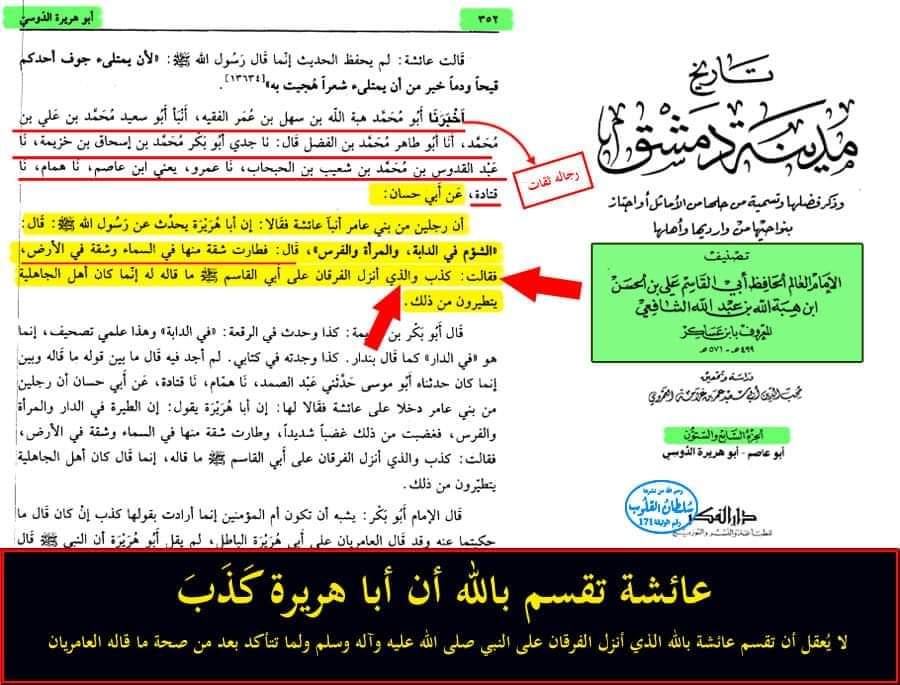
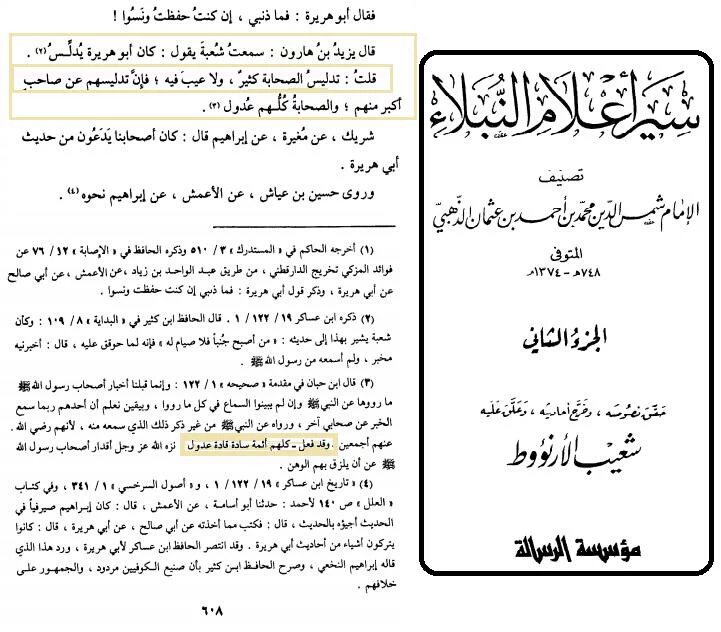
The Salafiyah tell us that the mother of the believers Aisha (May Allah be pleased with her) swears by Allah that Abu Huraira lied! Is this the amount of respect for the Companions have for each other according to the Salafiyah?

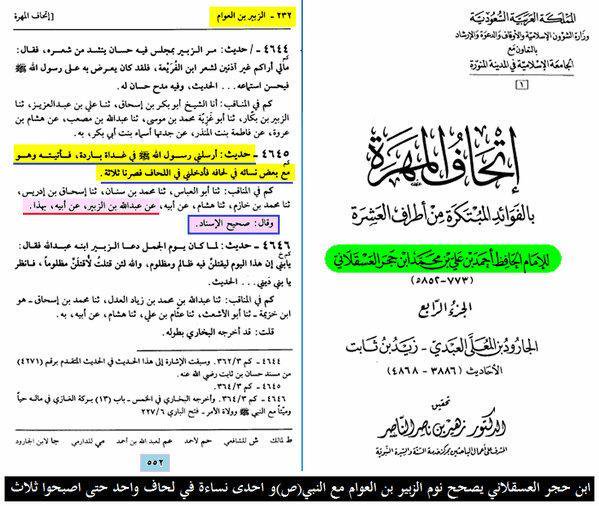
In the books of Ahl Sunnah a sahabah is accused of adultery!

A Companion eats the head of another Companion!

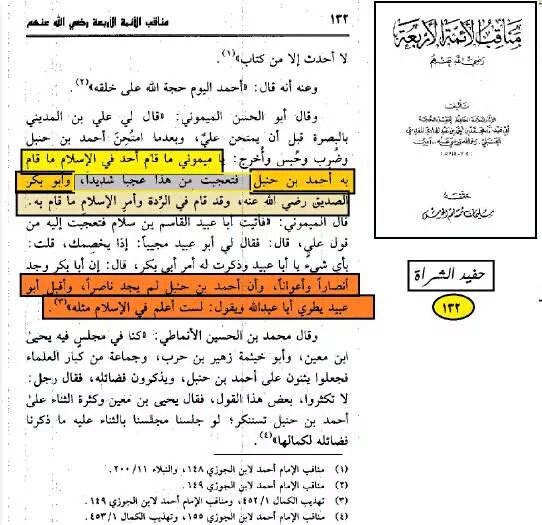
Salafiyah claim that what Ahmed bin Hanbal did for Islam was not done by anyone other than him not even Abu Bakr Al-Siddiq! (May Allah be pleased with him!) Are these words said in truth about the best companion of the Blessed Messenger (saw)?!

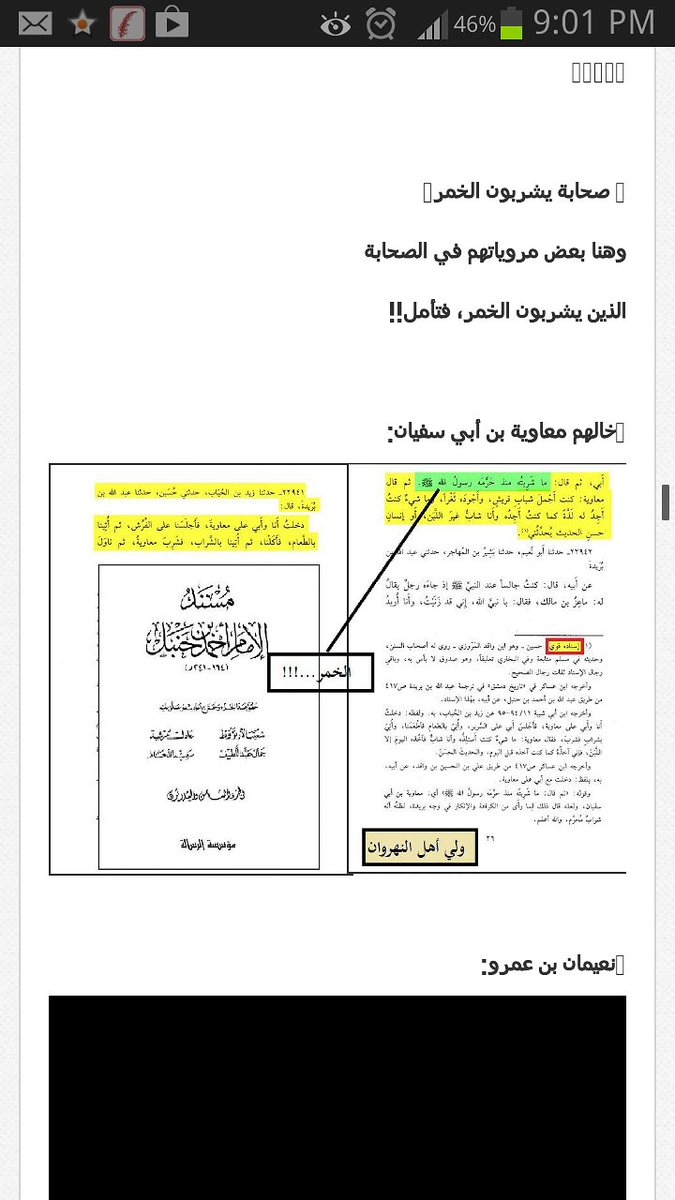
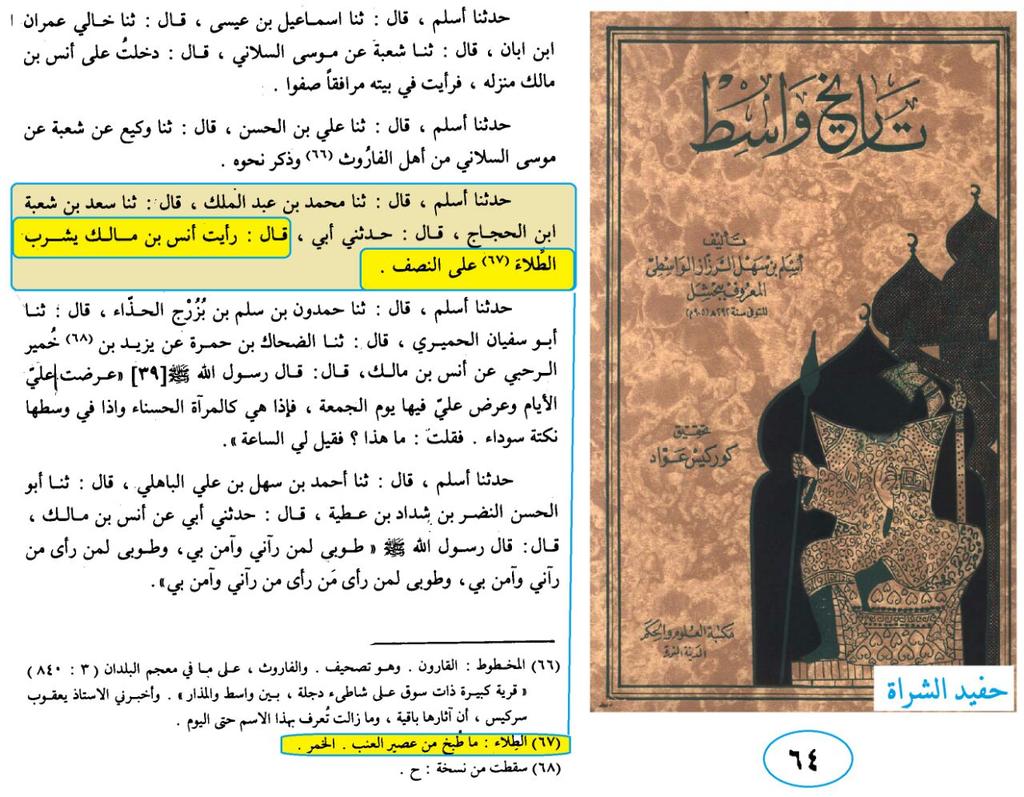
The sahaba used to drink wine! (After becoming Muslims)

A Companion Drinks Alcohol!(After embracing Islam)

A companion leads the people in the morning prayer, four units while in a state of sloppy drunkenness, and says to the crowd of worshipers, “Shall I add more for you?”

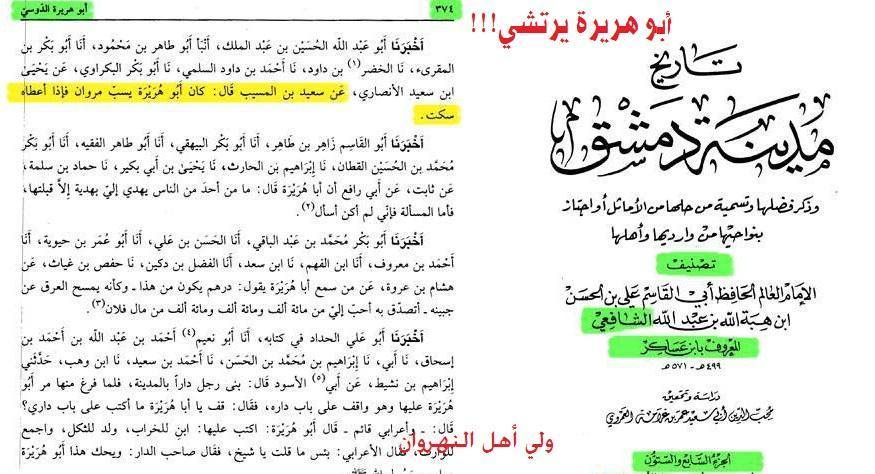
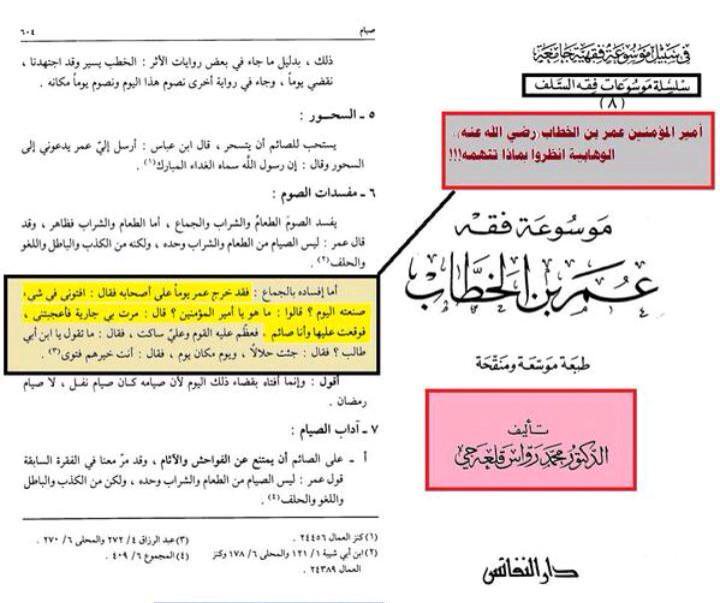
Umar bin Al-Khattab appoints a companion who drinks alcohol in Bahrain and asks the companions to testify to his drunkenness’. This is how the Salafiyah convey to us about the companions challenging and calling each other out like this!

They say the companions were cheaters and that Abu Hurarira was the chief of them in cheating! Imagine! And there are among the Ahl Sunnah who have the audacity to call the People of Truth and Straightness as Non Muslims?!

What does it mean by calling a noble companion a thief?

See what is said about the companions here:

Who were those who persisted in their ignorance and evil, then Muawiyah banished them from the Levant? ! Muhammed bin Abdul Wahhab answers you!

Shaykh Ibn Baz accuses the companions of polytheism!

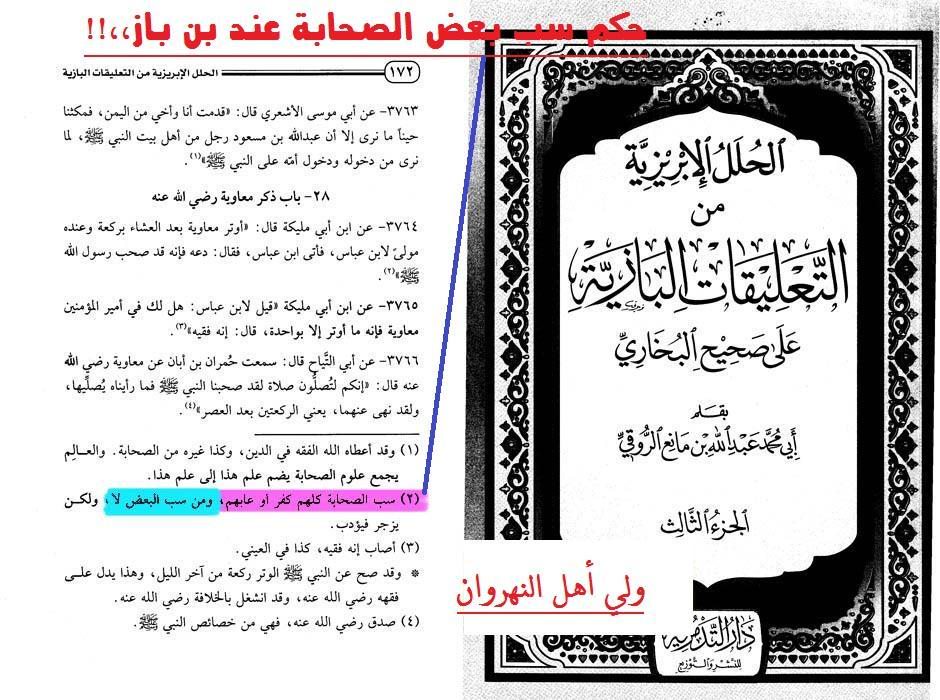
Shaykh Ibn Baz’s ruling on cursing some of the companions! Surprise Surprise!

Ahl Sunnah say that Abu Hurairah was known for taking bribes! Who attacks the companions?

Shaykh Ibn Al-Uthaymeen, states that not all the Companions are not all just! In them there is rank debauchery!

Ibn Al-Atheer describes the companion Abu Musa as a fool! Who respects the companions?

Yahya Ibn Mu’een insults the companion Ammar bin Yasir and follows up his insults with curses! Who respects the companions?

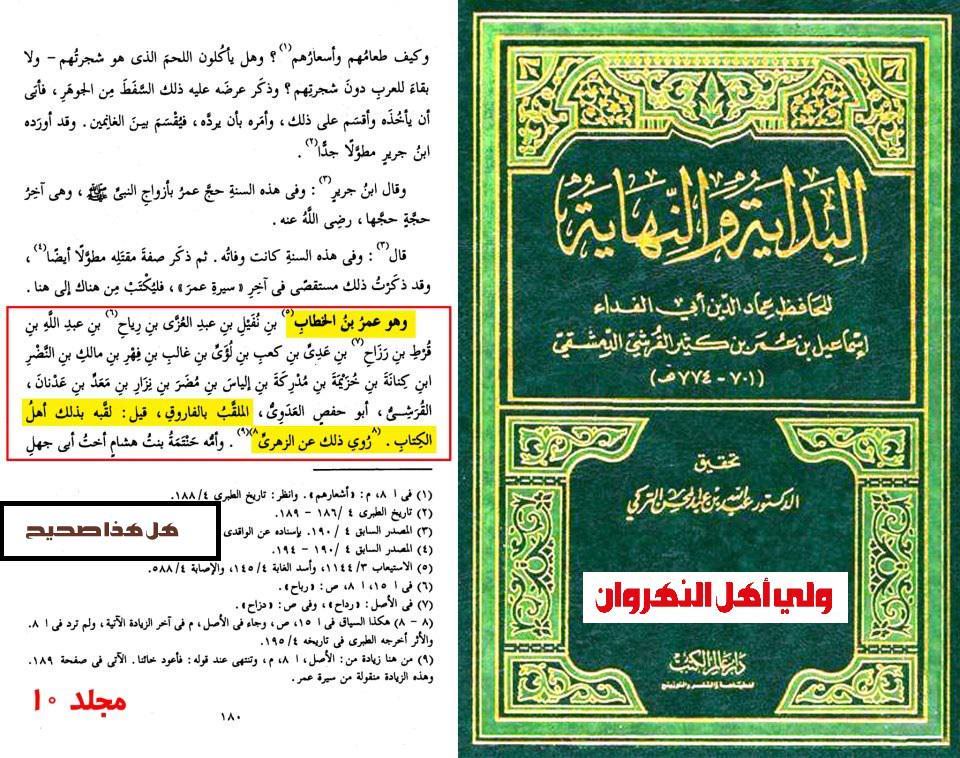
Umar ibn al-Khattab, May Allah be pleased with him, called the People of the Book al-Faruq. Is this true, ya Salafiyah?

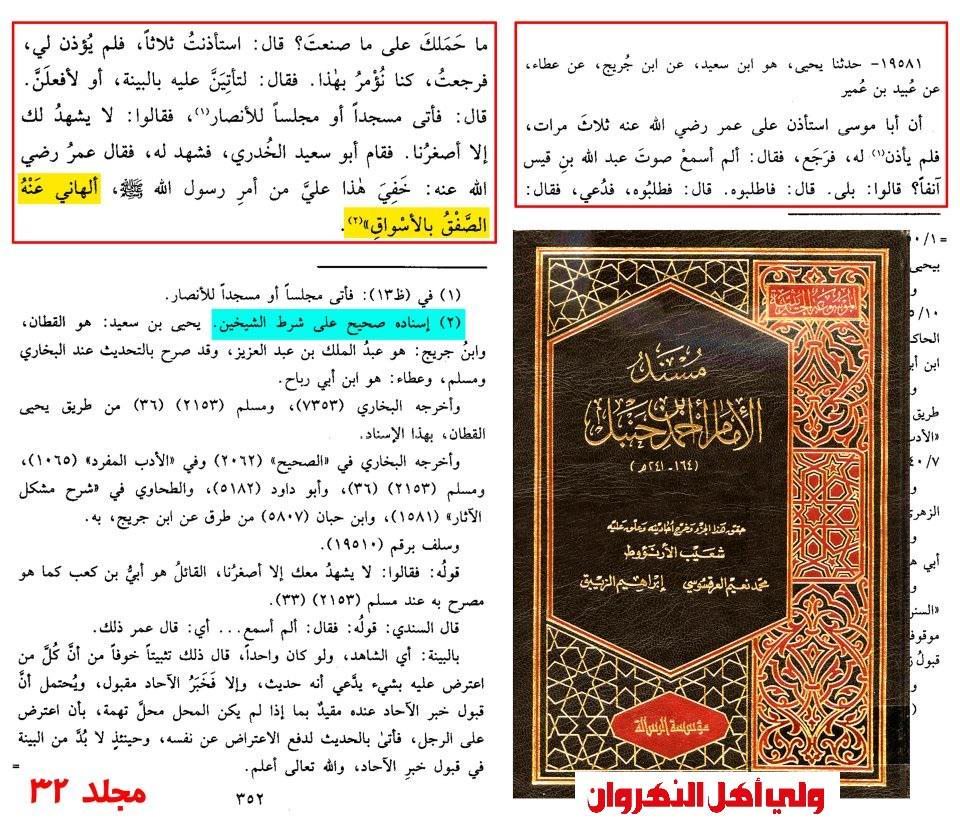
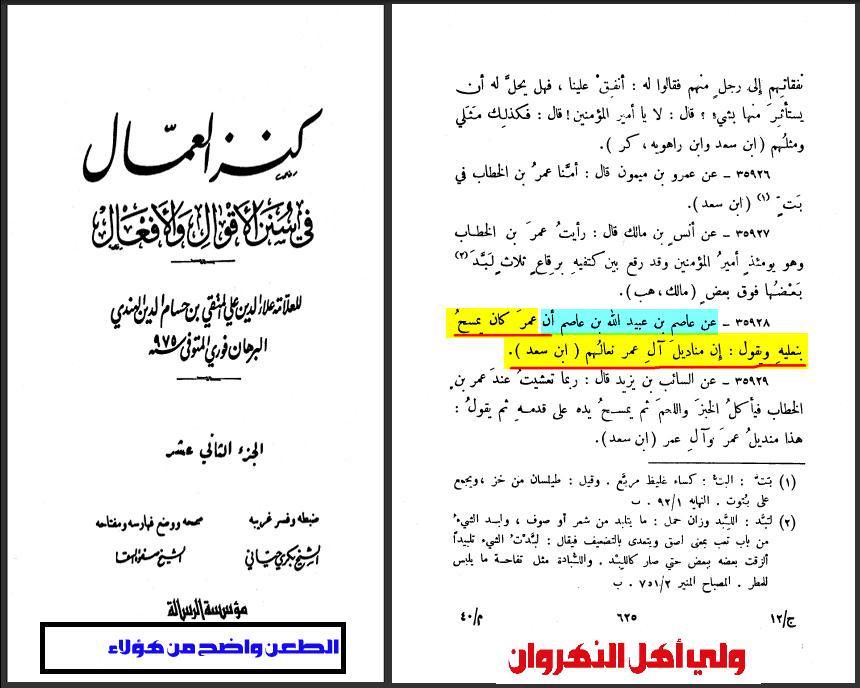
Ahl Sunnah defaming Umar Ibn Al-Khattab! (May Allah be pleased with him), by saying that he was distracted by clapping in the markets!! Who respects the companions? Only the people who have no haya insult Umar (ra)

They imagine that the companions of the Messenger of Allah are flirting with a beautiful woman while they are praying! Is this the state of the companions of the Messenger of Allah with you?

Shaykh Ibn Taymiyyah accuses Imam Ali that his war was not for Allah and His Messenger, and if it was for Allah and His Messenger, victory would have been for him! One of the positions of the Ibadi is that Ali came short for going against the hukm of Allah (swt) and later slaughtered the Muslims of Nahrawan. Allah knows best his ending. The other is that Ali had realized his wrong, was overwhelmed with grief and turned in repentance to Allah (swt) and met with a good ending. husnal khatimah

Shaykh Ibn Taymiyyah says that Ali deems the blood of Muslims lawful, and thus he is out and out a Kafir.

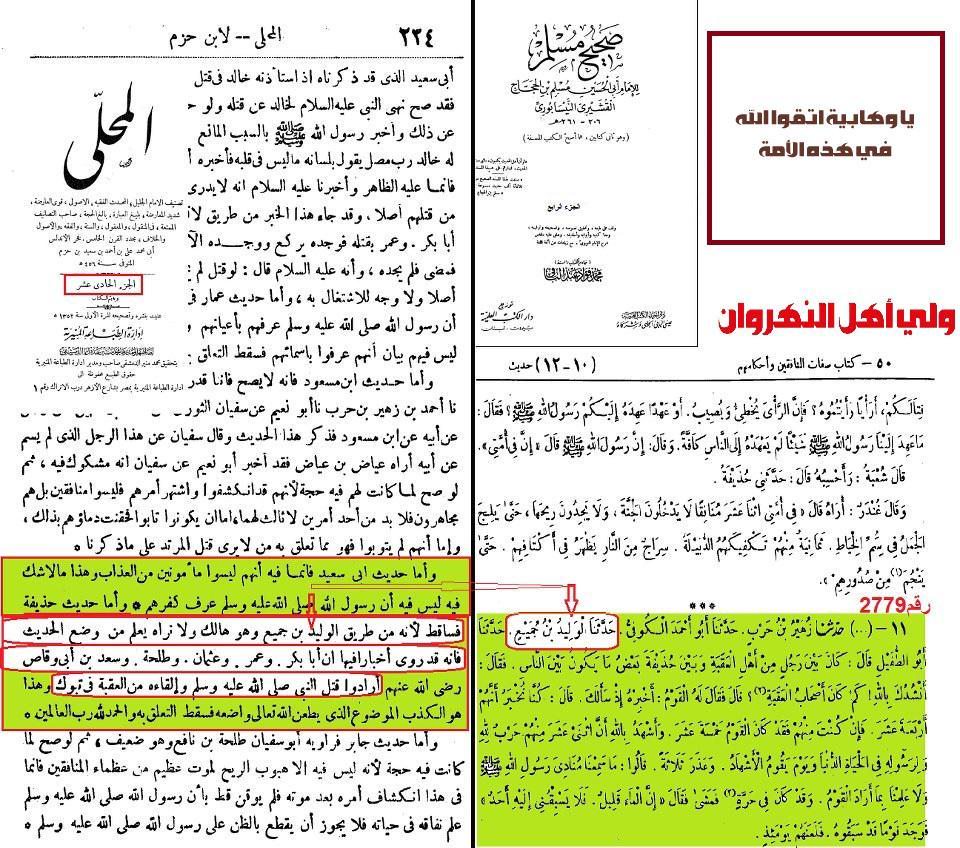
Al-Waleed bin Juma’ is from the narrators of Sahih Muslim and Ibn Hazm says his hadeeth is defective and Al-Waleed is a doomed man!

Here they are defaming the Prophet of Allah (saw), his honorable companions, and his pure wives!

Another wretched statement!

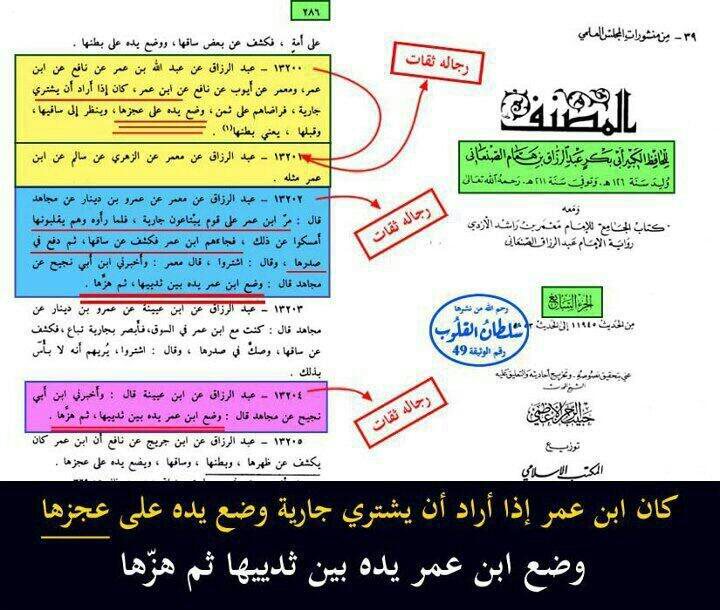
If Ibn Umar wanted to buy a slave girl, where would he place his hand?! Who honors the companions?

Defaming the great companion Umar Ibn Al-Khattab (May Allah be pleased with him).

They claim the Companion Abdullah bin Umar called Abu Hurairah a flat liar!

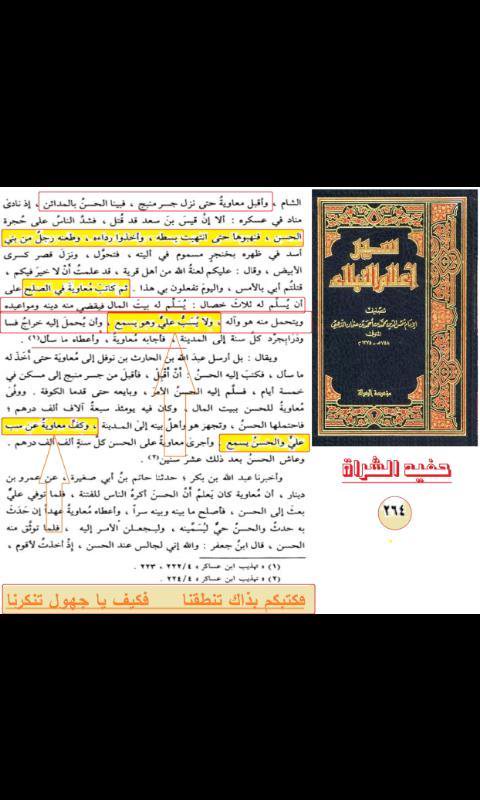
Among the terms of the reconciliation between Muawiyah and Al-Hassan, after he was betrayed and almost killed, is that Muawiya stop cursing Imam Ali in Al-Hassan’s presence!

Shi’a tend to think Al Hassan’s reconciliation with Muawiya was wrong but that Ali’s arbitration with Muawiya was fine and dandy!

One of Ahl Sunnah says that the faith of Abu Bakr Al-Siddiq (ra) and the faith of Iblees are one! No one says this except for someone who has left the fold of Islam. And the Sunnis excused those who killed Imam Ali and openly insulted and cursed him!

The claim that Fatima Al-Zahraa was a lying woman and lied to Abu Bakr Al-Siddiq, and his narration was received, then she deserted him until she died!

None other than Shaykh Ibn Taymiyyah criticizes the “Rightly Guided Caliphs”!

According to the testimony of Ibn Katheer!

More from Shaykh Ibn Taymiyyah!

Shaykh Ibn Taymiyyah says that Ali fought and killed many Muslims who perform the prayers and pay the zakat, and the matter of blood is more severe! Why is if it an Ibadi scholar says it it is an offense but if Shaykh Ibn Taymiyyah says it is fine?

Shaykh Ibn Taymiyyah says that in Ali’s caliphate there was no mercy, rather people were killed and they curse each other, and they did not have a sword against the infidels, but rather the infidels coveted them and took a country from them and their money.

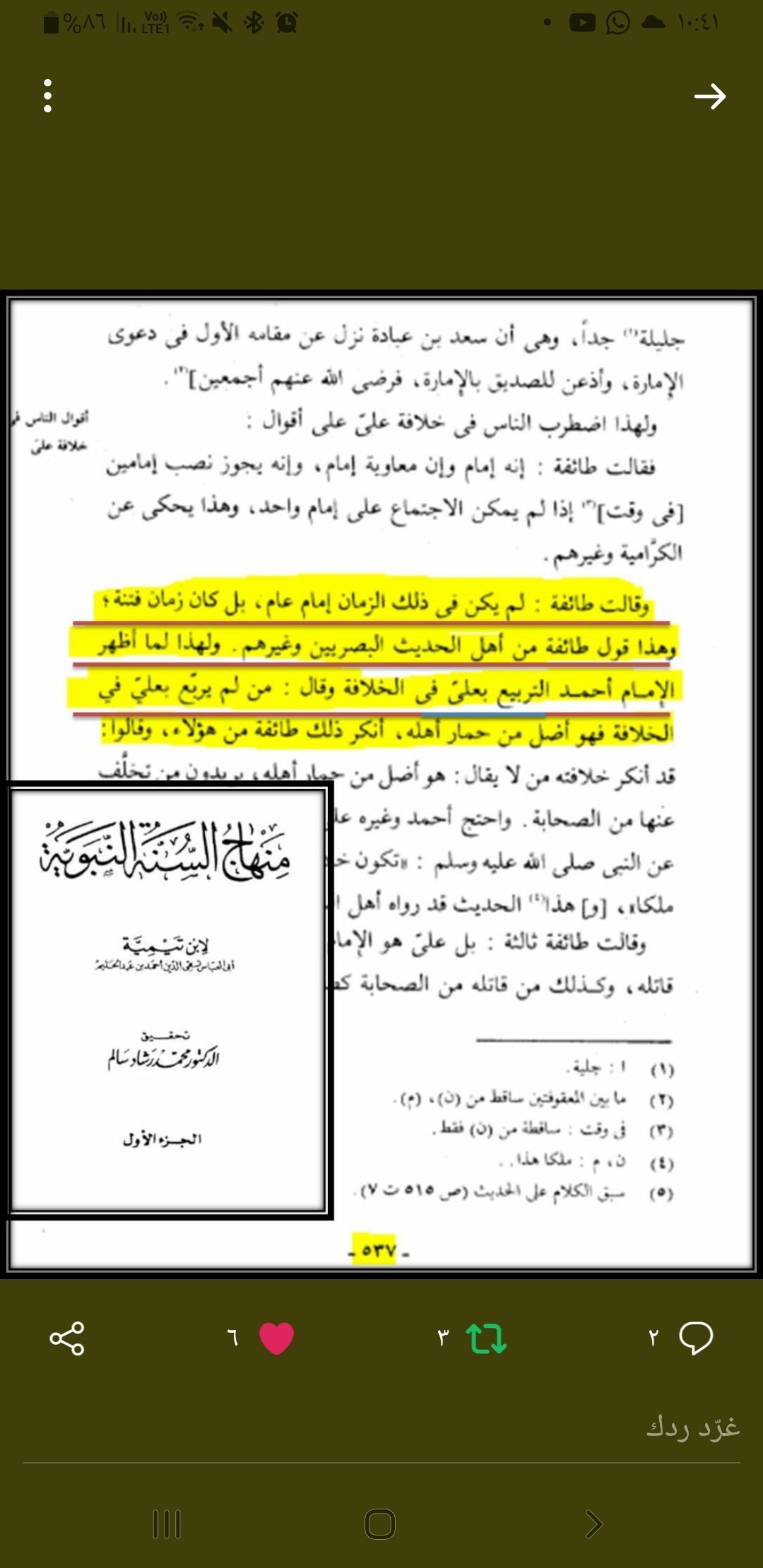
Shaykh Ibn Taymiyyah says that the time of Ali is a time of sedition, and there was no general imam!

Shaykh Ibn Taymiyyah says that the Companions who fought Ali, vilified him and cursed him were more knowledgeable than those who supported Ali and cursed Uthman. Who is disavowing who here?

The predecessors of the Salafiyah are those who did not consider Imam Ali to be the caliph of the Muslims until the time of Ahmed bin Hanbal! Think about that! Do not get it twisted. The Imami Shi’i never accepted the first three Caliphs. The Ahl Sunnah the fourth until Imam Ahmed rehabilitated the image of Ali among them. Where as the Ibadi are the one’s who recognized all four from the beginning! Learn the truth!

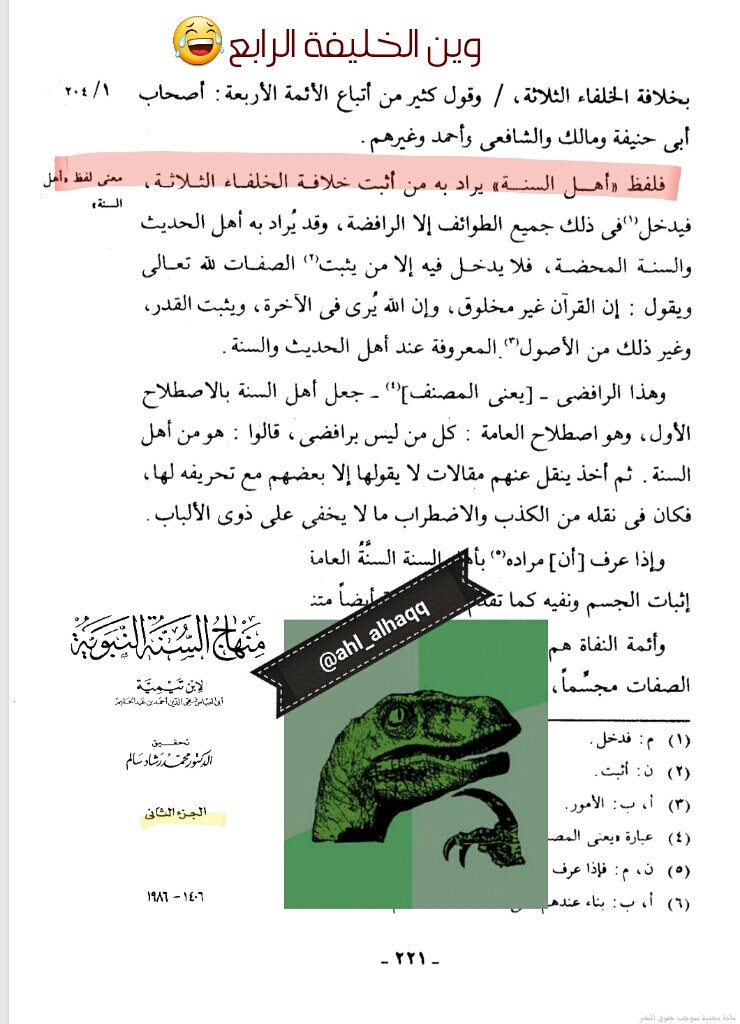
Shaykh Ibn Taymiyyah defines the Sunnis as the ones who established the succession of the three caliphs! Where is Ali?

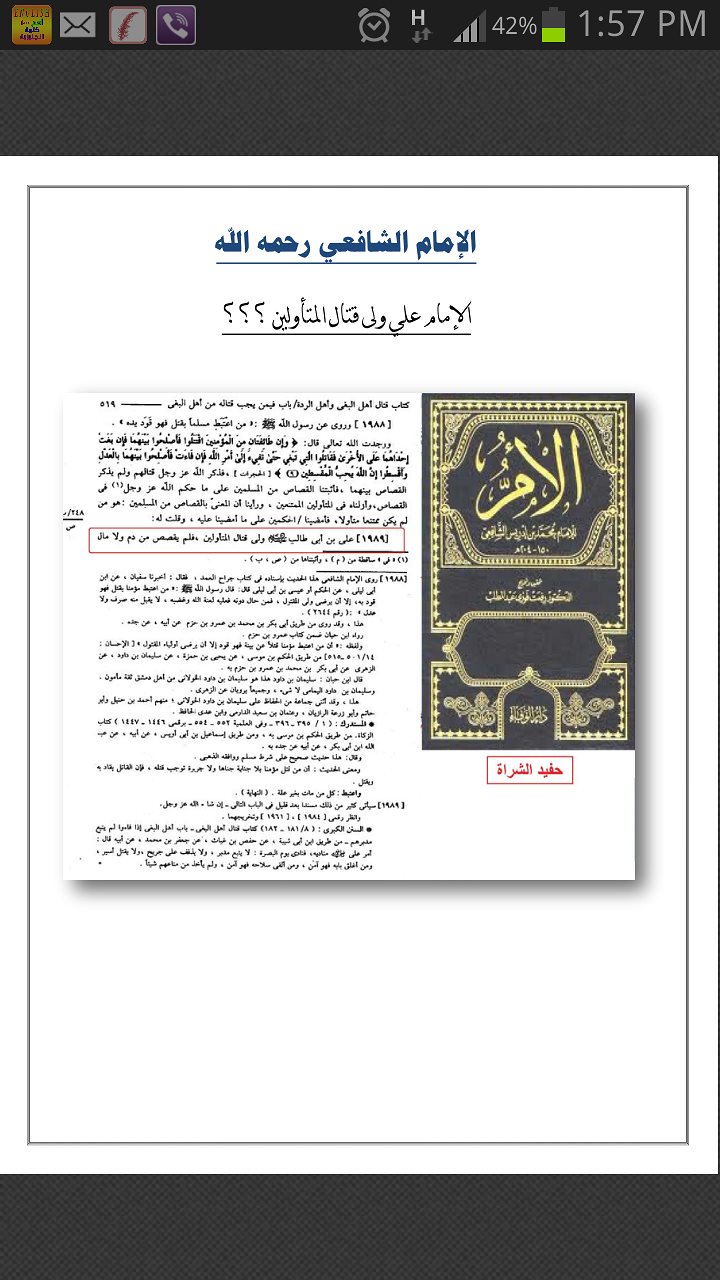
The jurists of the Hejaz and Iraq from the two groups of theologians and the people of opinion, including Malik, Al-Shafi’i, Al-Awzai, and the majority of Muslims and theologians, agreed that Ali was right in his war in Siffin and in the Battle of the Camel, and that those who fought him were unjust oppressors ! (i.e. Muawiyah and his army, Our Mother Aisha (ra), Talha and Al-Zubayr)

Muawiyah tempts the child killer Ibn Arta’ah to kill Ali bin Abi Talib and promises him the best of this world and the Hereafter! But remember Ahl Sunnah will tell you they loved each other as brothers! Of course they did!

Shaykh Ibn Taymiyyah says that Umar is less mistaken than Ali, and they found the weakness in Ali’s sayings more, and they found contradiction in Ali’s sayings more than the contradictory sayings of Umar!

Ibn Asakir The Syrian Sunni Islamic scholar says that Marwan Ibn Al-Hakam used to curse Imam Ali on the pulpit every Friday for six years, then he was dismissed and reinstated again, and he did not stop insulting him!

Muawiyah mobilizes the people of Basra to fight Imam Ali.

Shaykh Ibn Taymiyyah says that many of the Companions were known to have slandered Ali!

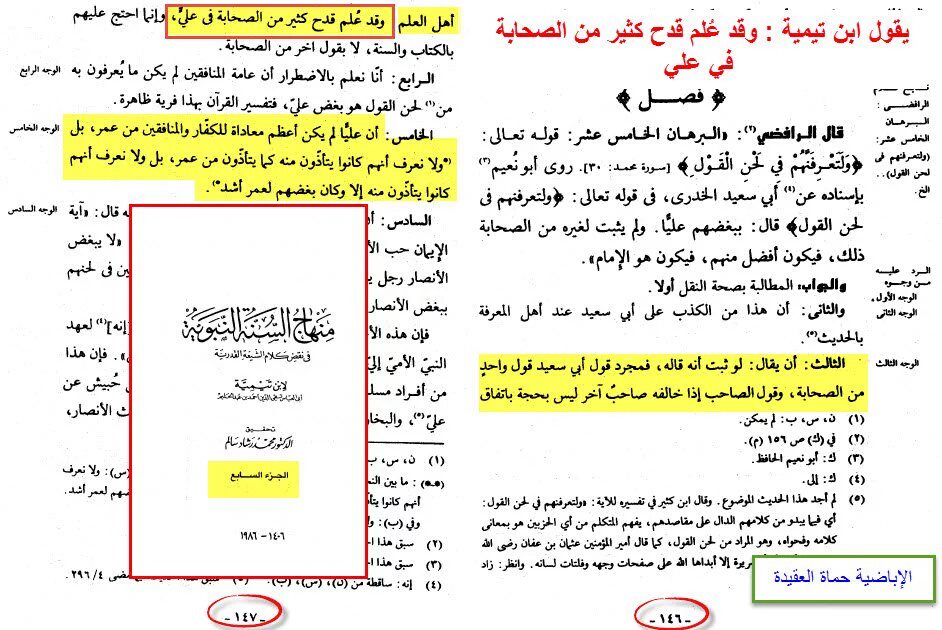
Ibn Hajar Al Asqalni openly quotes the things Ibn Taymiyyah has said about the companions that Ibn Taymiyyah and his supporters want to hide from people.

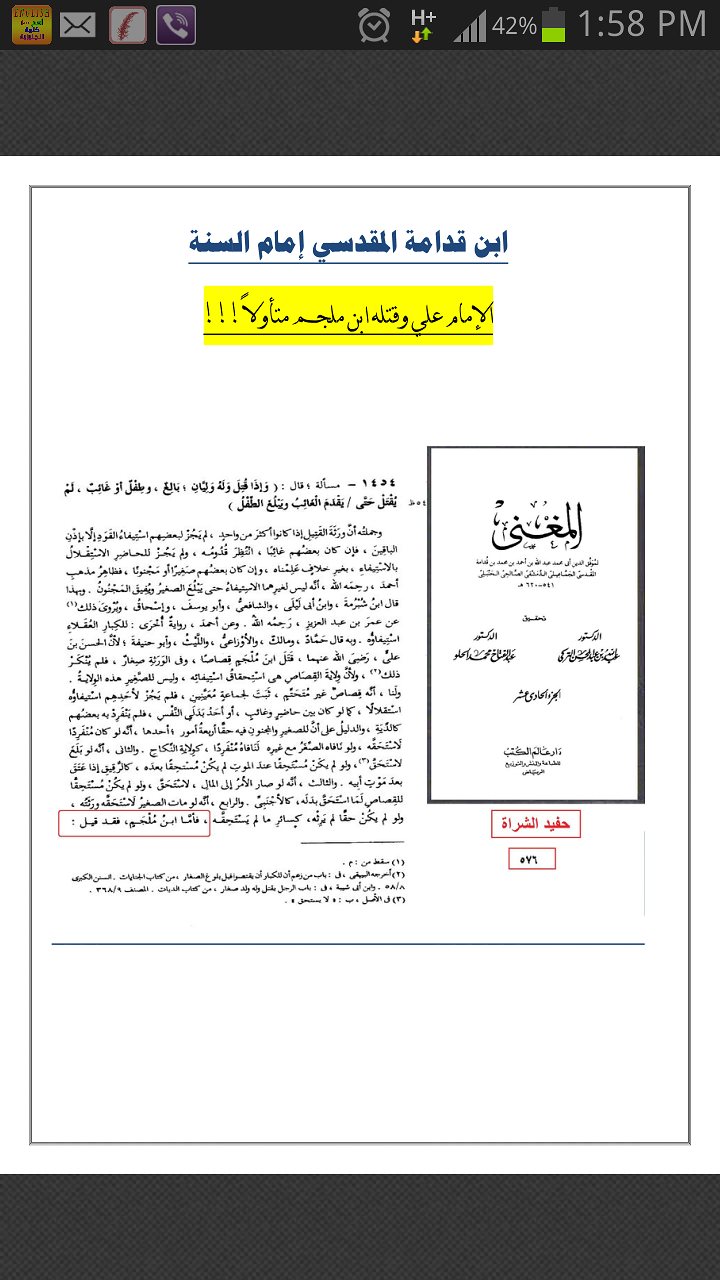
Look what the Hanbali Imam Ibn Qudama said about Ibn Muljim killing Imam Ali!

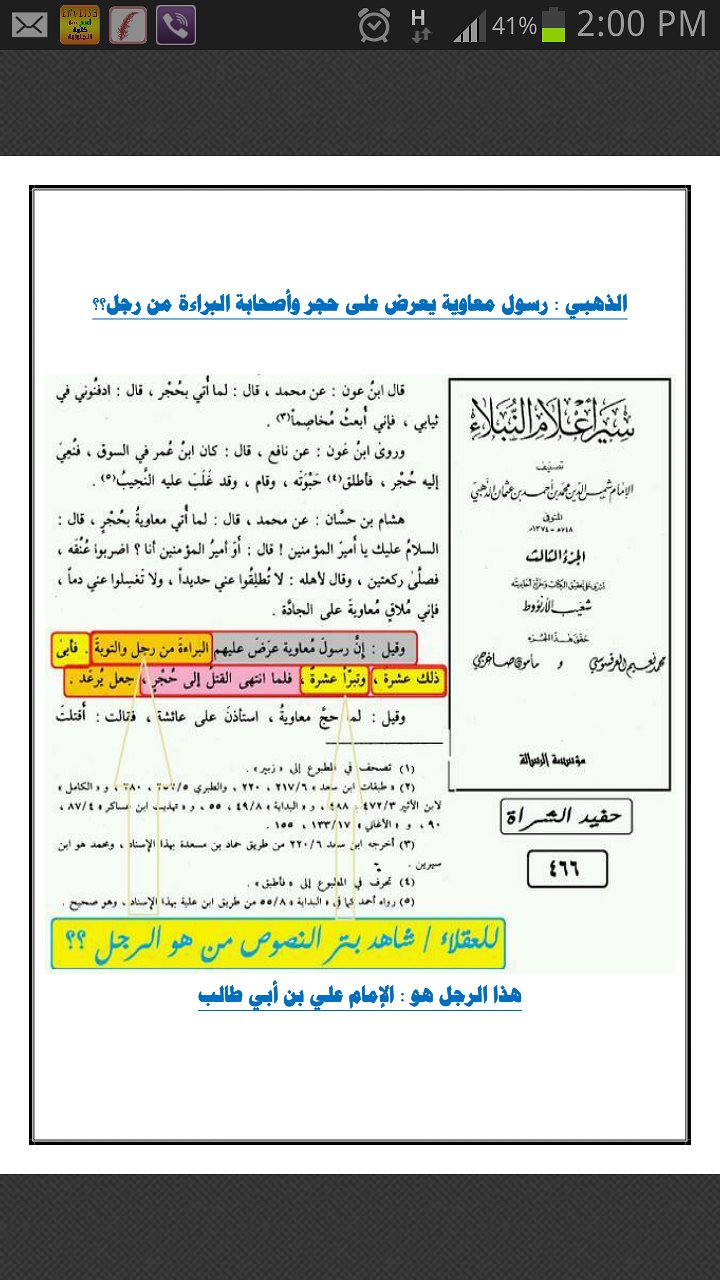
Al-Dhahabi: The Messenger of Muawiyah offers Hajr and his companions the innocence of a man! And the man is Imam Ali However, why amputate and hide the texts?

Shaykh Ibn Taymiyyah is skeptical whether Imam Ali memorized the Qur’an or not?

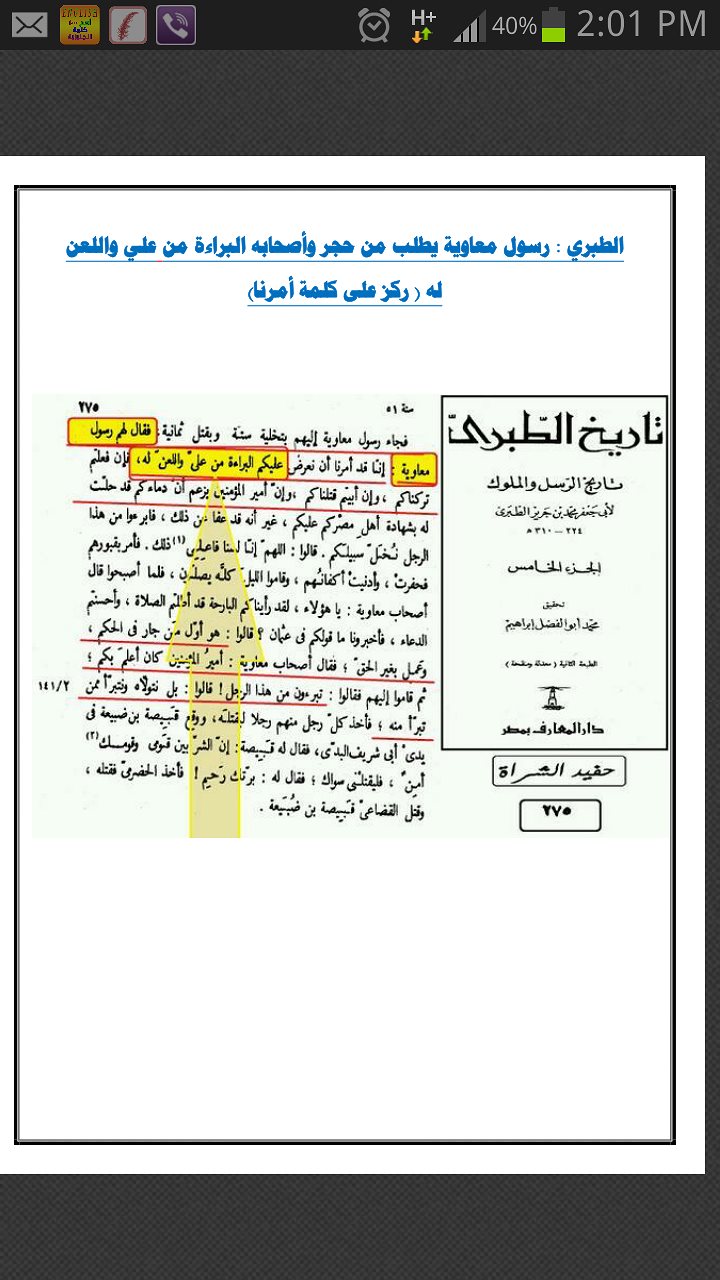
Al-Tabari: The Messenger of Muawiyah asks Hujr and his companions to disavow Ali and curse him, and tells them that we have been commanded to do so!

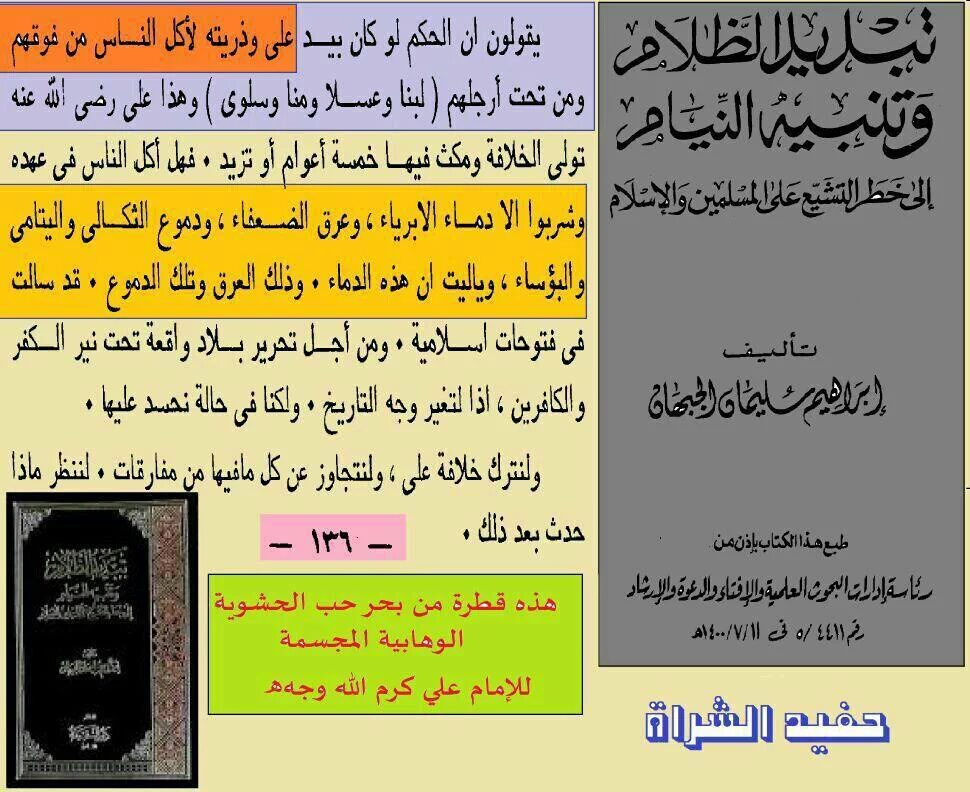
Imam Ali stayed in the caliphate for five years or more, so people ate and drank the blood of the innocent, lived off the sweat of the weak, and the tears of the bereaved, as well as the suffering of the orphans and the miserable!

Shaykh Ibn Taymiyyah’s opinion laid bare regarding the leadership of Imam Ali and those who fought Imam Ali and those who did not fight with him!

Shaykh Ibn Taymiyyah, the three caliphs agreed upon by the Muslims, and the sword was unsheathed against the infidels and kept from the people of Islam. Ali, the Muslims did not agree to pledge allegiance to him, but rather sedition occurred during his reign, and the sword was kept from the infidels and unleashed on the people of Islam! In fact I (Prima-Qur’an) being non-partisan am inclined to agree with Shaykh Ibn Taymiyyah here. It is a point against the Shi’i as the reign of Ali was not one of barakah, but of blood shed of believers and deep divisions that have lasted until this very day. If I say it as an Ibadi I will be called Kharijite where as Ibn Taymiyyah makes a good observation and gets a free pass.

Al-Abbas describes Ali as a treacherous sinner and a traitor; and ask Umar to judge between them? ! Hey Ahl Sunnah what is the ruling on the treacherous, the sinner, the traitor? Where is the love of the Companions?

Shaykh Ibn Taymiyyah: Hating Ali does not harm faith one bit!

Shaykh Ibn Taymiyyah: The preachers of Morocco mention Abu Bakr, Umar and Uthman, and they mention Muawiyah, but they do not mention Ali. It is clear that they hated him and cursed him!

The whole of Banu Umayyah, are a clan of Ali haters, all except for Umar bin Abdul Aziz, the just!

Al-Awza’i: We did not accept the giving until we witnessed Ali’s hypocrisy and disavowed him! Is this the love of the Companions?

Shaykh Ibn Taymiyyah: Imam Ali did not show the religion of Islam during his caliphate, and their enemies among the infidels and Christians coveted them! If the religion of Islam did not appear during Ali’s caliphate, then what religion did appear during his caliphate?

The Salafi Shaykh Abdel Moneim Al-Shahat states: “The reason for Ali’s defeat was caused by his greed for the caliphate and his love for leadership!”

How does he know what is in Ali ibn Abu Talib’s heart? Rather the reason for Ali’s defeat was going against the Amr of Allah (swt) in the Qur’an and in all my encounters with the Shi’i they Shi’i flee from this point!

Shaykh Ibn Taymiyyah expresses what is in his heart towards Imam Ali here:

Ibn Hajar in Al-Durar Al-Kamina transmits from Ibn Taymiyyah his visciousness towards Imam Ali!

Here they are – slandering the Mothers of the Believers, the Messenger of Allah, and Umar ibn al-Khattab!!!

The book of Musnad Imam Ahmad: Caliph Uthman directs his words to his companions while he is besieged and says to them: “Why are you killing me?!” A question for the Sunnis, why do you spread rumors among the people that the one who killed Uthman were rabble and bandits who came from Egypt?!

And why are you basically exposing the sedition of the Companions?! These books expose your lies!

They have admitted to fabricating false hadiths about Uthman!

Marwan killed Talha, one of the so called ten promised paradise, and because of him, events unfolded to lead to what what happened to Uthman, and he was severely cursing and abusing Imam Ali. Despite all that the Ahl Sunnah praise him.

Amr Ibn Al-Aas once stabbed the caliph Uthman and once demanded the blood of Uthman. The books of Ahl Sunnah expose their lies!

In The Book of The Comprehensive Explanations on the Tahawi Creed: They Criticize Uthman and Deplore His Killers!

Imam Al-Shafi’i says Imam Ali that he did not take revenge on blood or money! That is, those who participated in the killing of the caliph Uthman, Imam Ali did not take revenge on them because they were not in the wrong! Is this correct?

Ibn Qutayba criticizes Caliph Uthman so is he a kharijite?

Shaykh Ibn Taymiyyah at it again! This time he slanders both Uthman and Ali!!

The companions in Kufa slander Uthman, some of whom witnessed Badr! Obviously they did not believe the Qur’an teaches that all companions go to paradise.

The companion Abd al-Rahman bin Udays was among those who pledged allegiance under the tree. He was the commander of those coming from Egypt to besiege Uthman! And many are those among the Sunni who enjoy sedition and lie to the people that those coming from Egypt are nothing but rabble and deviants!

Remember the Salafi preacher who went on air and cursed the companion  Amr b. al-Hamiq al-Khuzāʿī  for stabbing Uthman in the chest 9 times! Even after he found out the man really was a companion he did a 180 but still maintained all the companions are just. Then the conclusion can only be that Uthman was killed with justice. Or the companion killed Uthman without justice with is a major major sin. It is a difficulty no doubt about it.

The Ahl Sunnah scholar says about the companion Al-Walid bin Uqba, Uthman’s brother to his mother, that his beard drips with wine!

Al-Kamil fi at-Tarikh edited to hide the truth from people!!

A complete chapter titled: “Why people denounced Uthman!” Imagine if Ibadi’s wrote a book like that with a title like this!

In the Sunni books the mother of the believers, Aisha (r.a) is stated to have said: “Kill Nathla, for he has committed blasphemy,” Nathla meaning Uthman!

Uthman spoiled the innermost secret of the divorced (freed-slaves)!

With in the book of Ibn Qutayba we find more censures against Caliph Uthman by a number of companions!

Aisha (r.a) the mother of the believers orders the killing of the companion Uthman bin Hanif!

Accusations of the murder of Caliph Uthman distributed among three: Aisha, Talha and Imam Ali!

The honorable companion Abd al-Rahman bin Udays al-Balawi who was among those who witnessed the conquest and was among those who pledged allegiance under the tree, and we see clearly his role in relation to Caliph Uthman!

The Sahabah themselves participated in the revolt against Caliph Uthman, as well as the sons of the Companions! Enough of your one sided views of history and delving into sedition and saying that that the Muslims were so stupid, so unaware, so aloof that Caliph Uthman was taken by surprise by unknown revolutionaries and unknown people!! All the while laughing at the common people and praising Muawiya and the Umayyads and telling the events to fit your lies to serve your agenda!

Al-Dhahabi, himself one of the predecessors of Al-Wahalia, mentions how Muslims resented Uthman! Where is the respect for the Companions and the shedding of crocodile tears to serve your malicious agenda?

A companion of the people of the allegiance of Al-Radwan and the leader of the revolutionaries was against Uthman!

In the Kitab al-Futuh: Aisha calls for the death of Uthman!

Umm Habiba appeals to Ali bin Abi Talib to protect Uthman and respond to her, unless he is dishonorable and miserable, meaning Uthman! And what is the greatest and most grievous attack against the Companions, other than that?

It was asked of the mother of the believers Aisha, “Do you not like a man from among the divorced men who disputes with Muhammed’s companions regarding the caliphate?” So what did Aisha say? !

Musannaf bin Abi Shaybah: Their are kings from the evil of kings, and the first of these kings is Muawiyah!

“Jaafar died in the midst of the caliphate of Muawiyah, may Allah curse him!”

“Yazid bin Muawiyah, may Allah curse them both!” More cursing and curses! Why all this cursing? Wasn’t Mu’awiyah one of the Companions?!

These books expose your hypocrisy!

The books of Ahl Sunnah are filled with it. May Allah (swt) curse so and so.

The Sunnis praise Muawiya and that he is the best of kings, then they add to this by saying that he approves of insulting Imam Ali! Have you gone mad?! Imam Ali is cursed and the one who curses him is said to be the best of kings!? WoW!

Let Imam Al-Suyuti quotes the words of Aisha (r.a) telling us what she really thinks about Muawiyah!

Imam Al-Shafi’i: list four sahabah whose testimony is not accepted! Testimony is taken from the truthful so what is the state of those four sahabah? These books expose their lies.

Marwan bin Al-Hakam, the first man with the caliph Uthman, hits the companion Talha bin Obaidullah with an arrow, and he kills him!

Shocker! Muawiyah bin Abi Sufyan and wine! Your books expose your hypocrisy.

Two companions insulted Muawiyah, and Imam Ali declared Muawiyah is upon misguidance!

The cause of the death of Imam al-Nisa’i, May Allah have mercy on him, at the hands of the fanatical Banu Umayyah!

How did Imam Al-Nisa’i die!? The word of truth may cost you your life, but Allah’s promise is true! The curse of hatred, hypocrisy and criminality!

The position of Sunni scholars towards Muawiya!!

The books of the Salafiyah declare Muawiya to be an infidel.

The Insulting and cursing of Muawiya and Uthman in Sunni books.,The Muhajireen and the Ansar did not support Uthman.

Ali bin Al-Jaad swears that Muawiyah died in a state other than Islam! Ali bin Al Ja’ad is a narrator in Bukhari and Imam Bukhari has taken some 13 narrations from him in his Sahih.

A fatal statement that afflicts Muawiya and which breaks those who glorify him!

The ignorant who fabricate hadiths in favour of Muawiya!!

The Companion Hajr bin Uday who witnessed such battles such as the pivotal conflict of Al-Qadisiyah, Al-Jamal, and Siffin, and he was a Shiite of Ali, who was killed by Muawiyah’s order in Damascus!

If Ali Ibn Abu Talib had his hands drenched with the blood of the Muslims there is no doubt that Muawiyah bathed in it!

Muhammed bin Abi Bakr Al-Siddiq was killed on the orders of Muawiya. He was inserted into the stomach of a donkey and then burned! Shall we say “May Allah be pleased with such a man” and expect people to enter into Islam?!

Muawiyah was kind to some of the servants of Al-Hassan, and thus, Al-Hassan died of poisoned! Your books expose your hypocrisy!

The killing of the companion Hajar bin Uday and his companions was mentioned with glee by Muawiya and his army!

Muawiya was the uncle of the believers!? With family like that who needs family!

Question for your Sunni friends: Lil game of trivia. Was Muawiya truthful in accusing Imam Ali?! If so Ali is a brigand that usurps rule without right. If not Muawiya is a bold face liar.

Al-Hassan Al-Basri states: Four qualities were in Muawiyah, if he had only one of them, he would have been disastrous!

Muawiyah drank what? “Then my father handed it to him and he said, “I have not drunk it since the Messenger of Allah (saw) prohibited it!” Drink what? Do not deceive people and say that he used to drink milk, because milk was not prohibited by the Messenger of Allah (saw), so what is the forbidden drink that Muawiyah indulged in according to your books?

Ibn Abbas (r.a) replies to Muawiya after an exchange that your cousin, i.e. Uthman bin Affan, was rebuked by the Muslims, so they killed him! Notice that Ibn Abbas (r.a) doesn’t say rebels or some unknowns killed Uthman but that he was killed by the Muslims!

Who killed Ammar bin Yassir? What did the Blessed Messenger (saw) say about those who would kill Ammar (r.a)?

Muawiyah and the novels of wine! In Sunni books.

Muawiyah was a scribe between the Prophet and the Arabs, not as Sunni’s claim that he was a scribe of the revelation!!

And it came in the book Musnad of Imam Ahmad that he was ordering them to consume money between them unjustly and to kill themselves, confirming the verses “do not consume one another’s wealth unjustly”

When Al-Hassan died, Muawiya said the Takbir and everyone in his council said Takbir! These are your books, so see how you are? Look what your books say!

Muawiya was busy waiting for Al-Hassan’s death, so when the news reached him, he said “Allahu Akbar” and “Allah is the Greatest” for the people of Sham!

Abd al-Razzaq, who has nearly 300 hadiths in al-Sahihayn, says that mentioning Muawiya in gatherings is filthy! Why all this great hatred?

When Al-Hassan bin Ali died, Muawiya went on pilgrimage and wanted to insult Imam Ali on the pulpit of the Messenger of Allah (saw), and wrote to his workers to curse Ali on the pulpits! Imagine! On the Blessed minbar of the Blessed Messenger (saw) cursing the companions!

Ahmed bin Hanbal narrates that Shaykh Al-Bukhari swears that Muawiyah died in a state other than Islam, and he did not narrate from him, and he forbade his son Abdullah to mention him or write about him!

None other than the mountain of knowledge Ishaq bin Rahawayh states: “Nothing narrated from the Prophet (saw) regarding the merits of Muawiyah is authentic!”

Muawiyah removes Saeed bin Al-Aas from the mandate of Medina and appoints Marwan bin Al-Hakam in his place, so what is the reason?

According to the testimony of al-Dhahabi, Muawiyah curses Ali; and al-Hasan stipulated that he should not curse him while he was listening.

The hadith that states Muawiyah is one of the people of Hell, and al-Tabarani hides the name of Muawiyah and puts the word man! These books show your hypocrisy and deceit!

Muawiyah commands batil (falsehood and consumes it). Sunni books.

Muawiya and the novels of wine!

Abdullah bin Umar deeply regretted not fighting the oppressive faction Muawiya and his companions!

Muhammed ibn Abi Bakr’s neck was cut off by order of Mu’awiya, and he was the first head to be cut off in Islam!

The mother of the believers, Aisha (r.a) threatens Muawiya with death for killing her brother. The companions were one big happy family? So we are told.

Amr bin Al-Aas, a well-known companion, was one of the instigators against Uthman!

Insulting the great Companions and defaming an honorable person in the books of the Sunnis.

Defaming the great companion Umar Ibn Al-Khattab! with words that are never befitting of a man like Umar (r.a). Is there no fear of Allah’s wrath in your hearts?!

The noble and honourable Khadija(r.a) made her father drink wine to marry her to the Messenger of Allah (saw), and when her father got drunk, he accepted her marriage!

May Allah suffice you! May Allah guide this ummah!

May Allah guide us! What disaster!

Mujaddid Al-Salafiyah Muhammed bin Abd Al-Wahhab lied and claimed that the Companions unanimously agreed that the Companion Qudama bin Madhu’un had been declared an unbeliever!

Accusing the companion Anas bin Malik of drinking paint, i.e. alcohol! The impression they give of the companions is of people who huff paint and absue whippets!

A companion accused of adultery!

We can lead the horse to the troph but you cannot make it drink.

So what will it be dear Muslim Ummah?

Will your Imam be hiding in occultation waiting to come out…. one day?

Will your Imam be a playboy who goes boating with scantly clad women and tells us the obligation of prayer and fasting has been lifted?

Will you be a Crypto-Sunni (An Abbasid) that holds disdain for Yazid, a little bit for Muaviya when your feeling edgy and none for Uthman because it’s a step too far?

Or do we go with the majority simply because it is convenient and we embrace the Islam of the Imperium and say (May Allah be pleased with the tyrants)? To rebel against the ruler is to be a kharijite?

Or do you just go your own way do it yourself Islam?

In conclusion what we do know is that no matter what happened between they did their job. Islam is here. There has been nothing left out of this deen. Some people want to keep going back and revisiting the past and digging up the graves and create fitna for the Ummah. The rest of us are content with moving on.

Even, I myself do not find benefit in delving into these matters other than it is necessary to get the record straight. What we as Muslims should truly focus on is our relationship with Allah (swt). To do our level best to obey His commands and avoid His prohibitions. To follow, the Sunnah of the Blessed Messenger (saw).

You may also wish to read:

https://primaquran.com/2022/10/04/ibadi-stance-on-sahaba-according-to-the-quran/

https://primaquran.com/2023/02/11/the-genius-of-mufti-abu-layth-can-we-criticize-the-companions/

https://primaquran.com/2022/10/04/are-all-the-companions-just/

https://primaquran.com/2025/02/11/adalat-al-sahaba-a-doctrine-of-murjiism/

May Allah (swt) guide us all to what is beloved to Allah (swt)!

May Allah (swt) Forgive the Ummah. May Allah (swt) Guide the Ummah.

7 Comments

Filed under Uncategorized