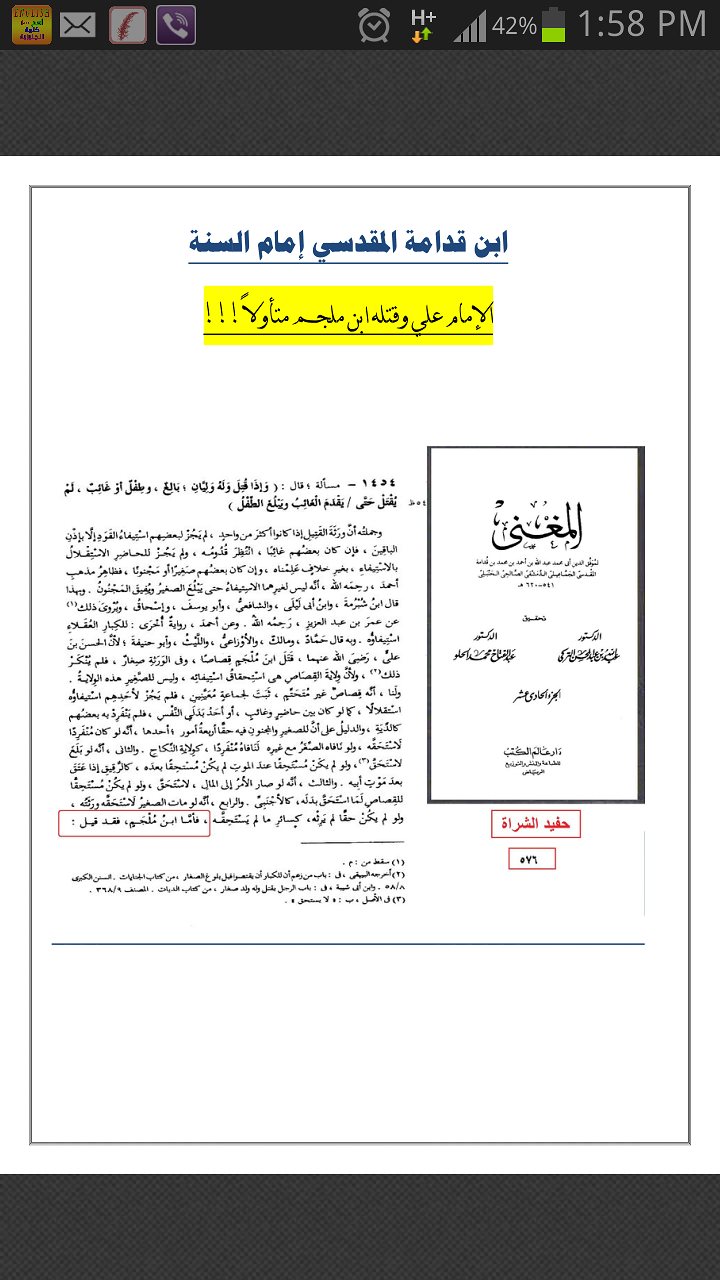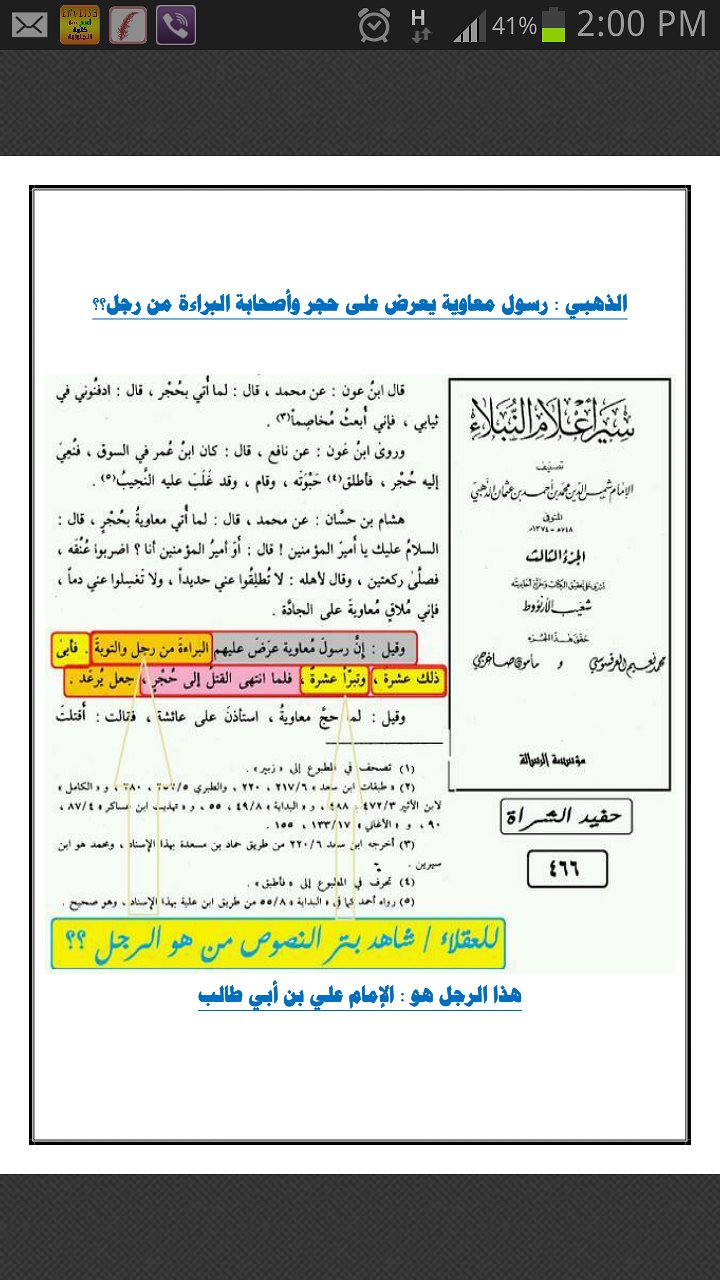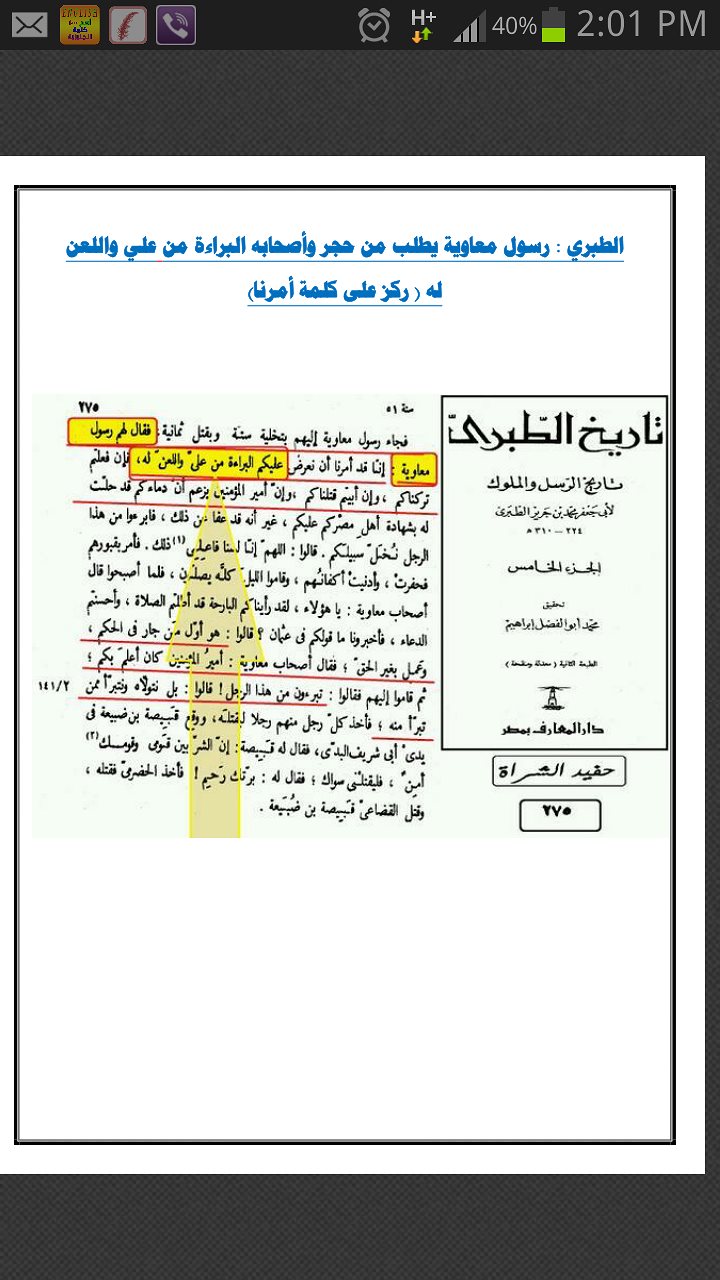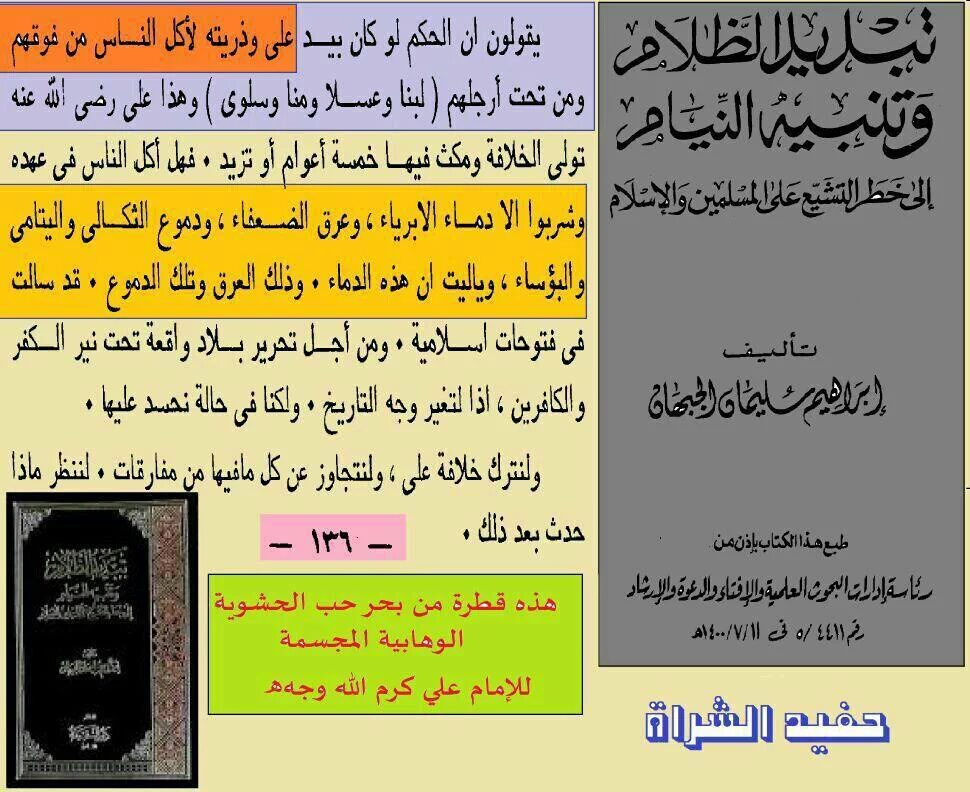
“That was a community that had already gone before. For them is what they earned and for you is what you have earned. And you will not be accountable for what they have done.” (Qur’an 2:141)
“Do not mix truth with falsehood or hide the truth knowingly.” (Qu’ran 2:42)
﷽
This is a summary given by one of our Sunni brothers concerning this debate.
“I am not an Ibadi, but I say that Brother Omar was unable to provide Ibn Salam’s interpretation regarding seeking Allah’s pleasure with Imam Ali. Thus, the debate concluded that it was Al-Hawari, the Ibadi, who sought Allah’s pleasure with Imam Ali, who proved the Ibadi’s claim to be true.”
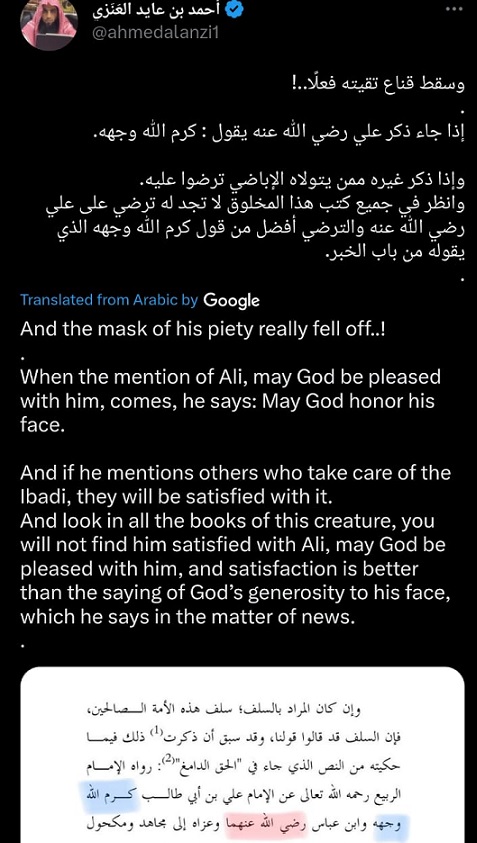
“That al-Tabari is satisfied in his book with Ali ibn Abi Talib, whereas the other two shaykhs from the Hanbali school’s perspective did not express satisfaction with him in their books even a single time!”
Before we break down this debate these are some of our thoughts. Of course we are a site in which the participants follow the Ibadi school. Some may accuse us of bias. That is why you yourself (if you have access to the Arabic language) can watch and see for yourself. Likewise, you can judge if this is a faithful translation of the debate. With Allah is success.
Shaykh Muhammed al-Rashidi stated with complete clarity, without any dissimulation, that among our companions, there are some who disavow certain companions, while others are pleased with them. Thus, we, the Ibadi do not hold to a single position on this matter, and there is also the stance of suspension regarding them.
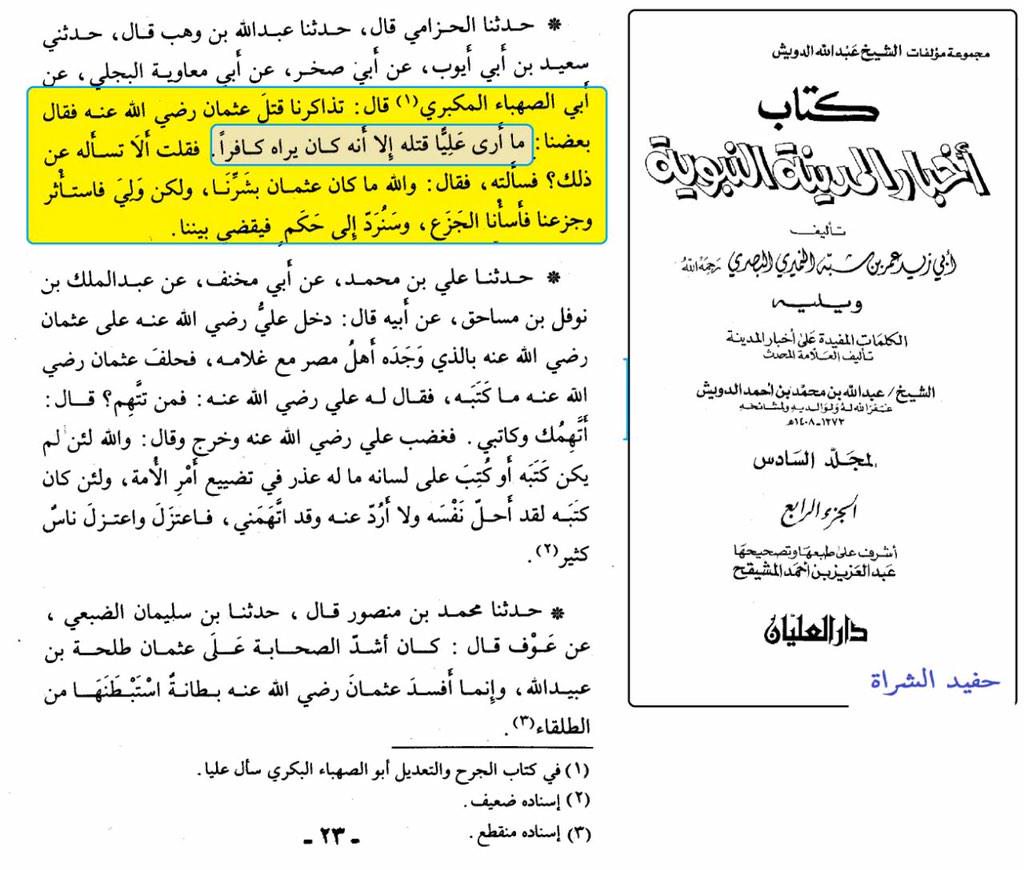
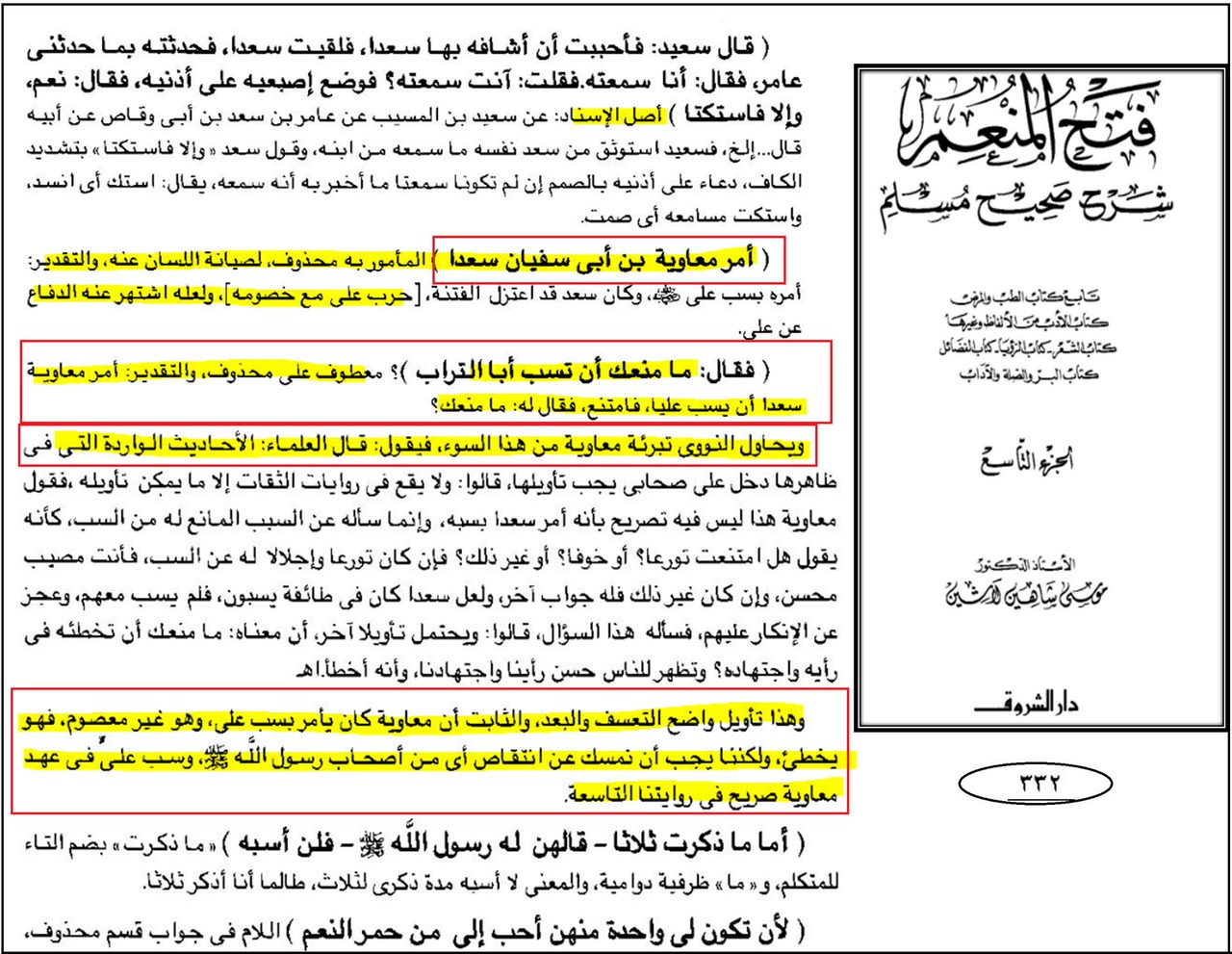
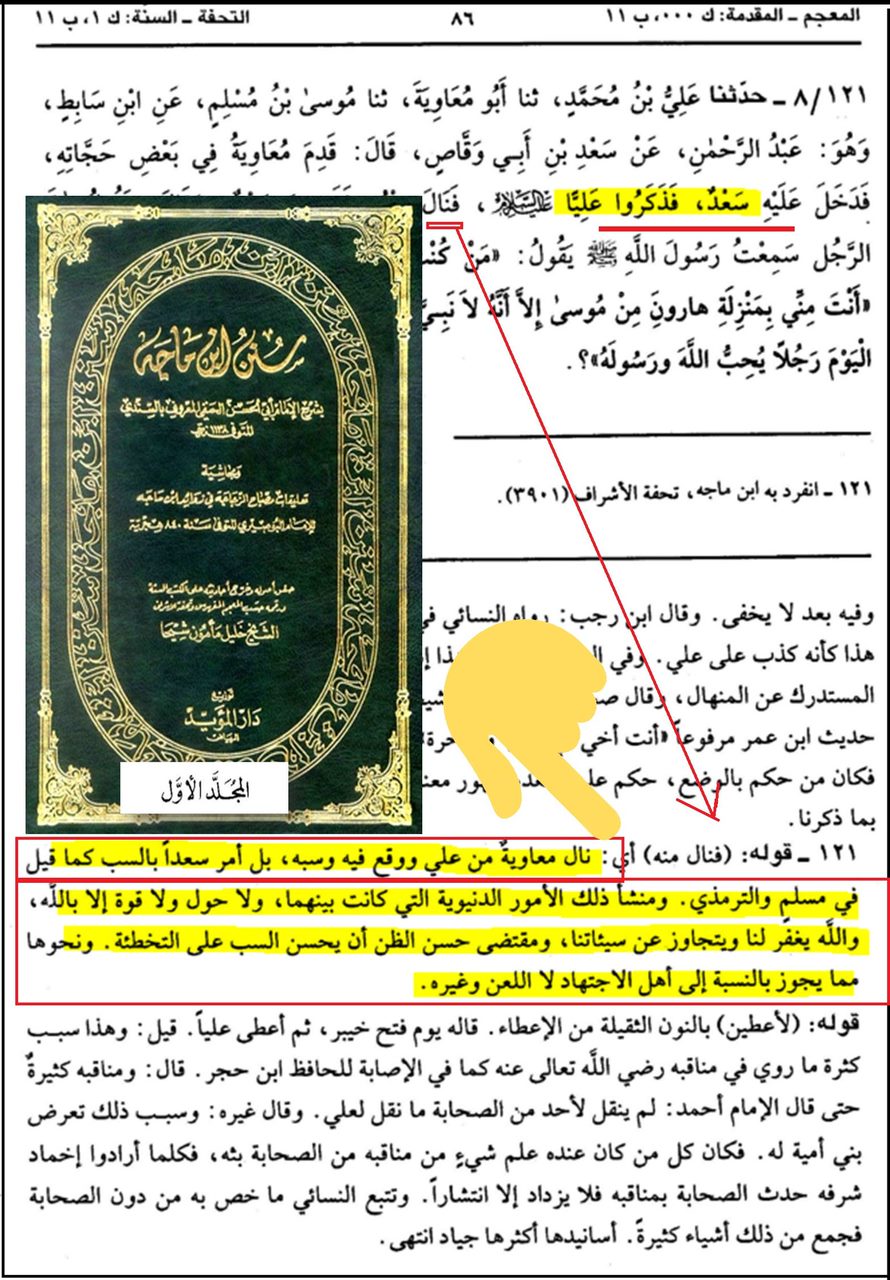
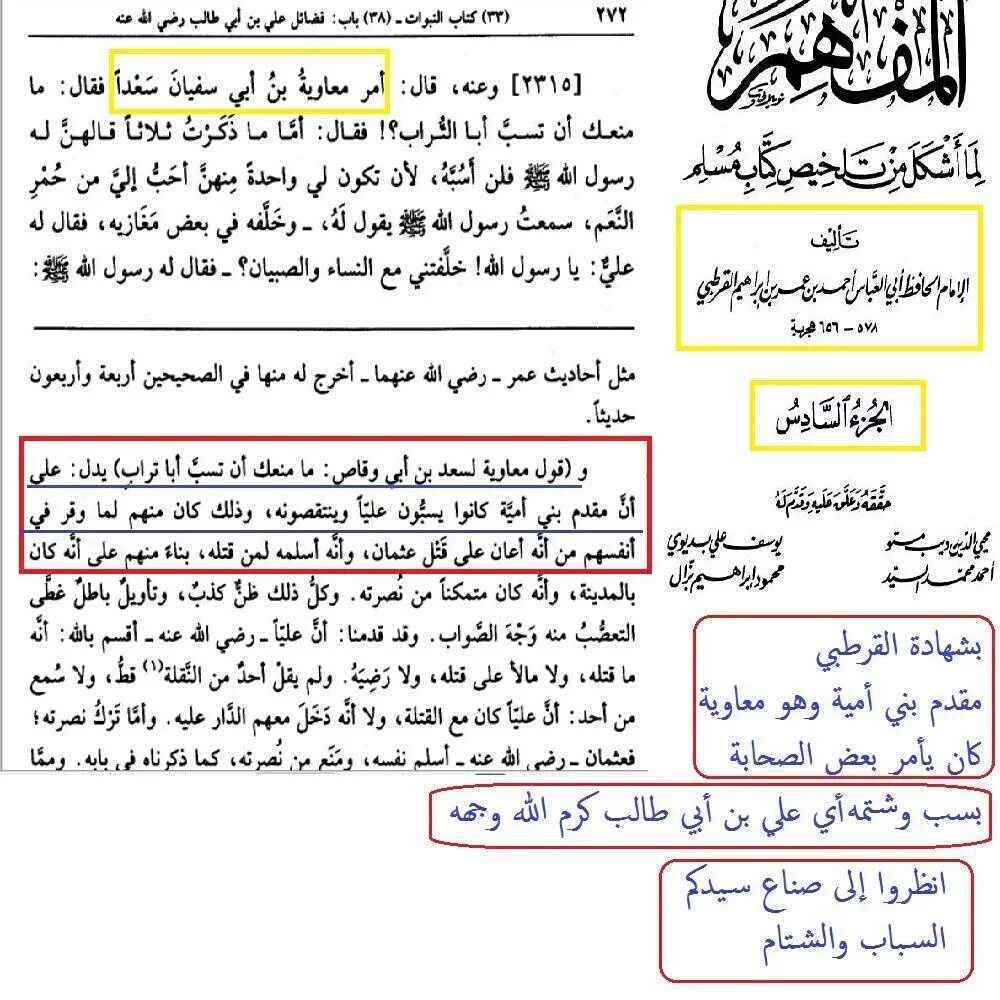
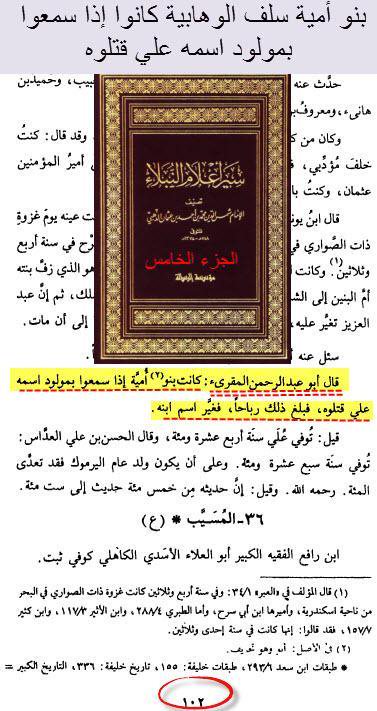
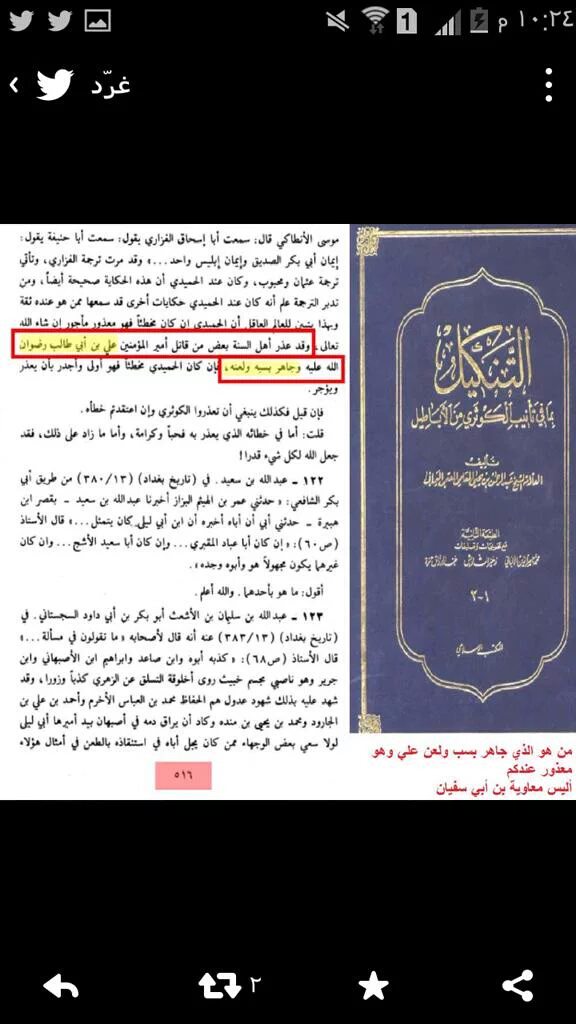
The Wahhabis focus on the issue of certain prominent Ibadi scholars’ disavowal of certain companions related to the arbitration incident and what accompanies it, because they firmly believe this is the killing blow against us. If they examined it, they would find it is deliberate denial of the Messenger (saw) not disagreement with the companions, for infallibility belongs to the Prophet (saw) alone that expels one from the millat. Accordingly everyone is an opponent among the Wahhabis.
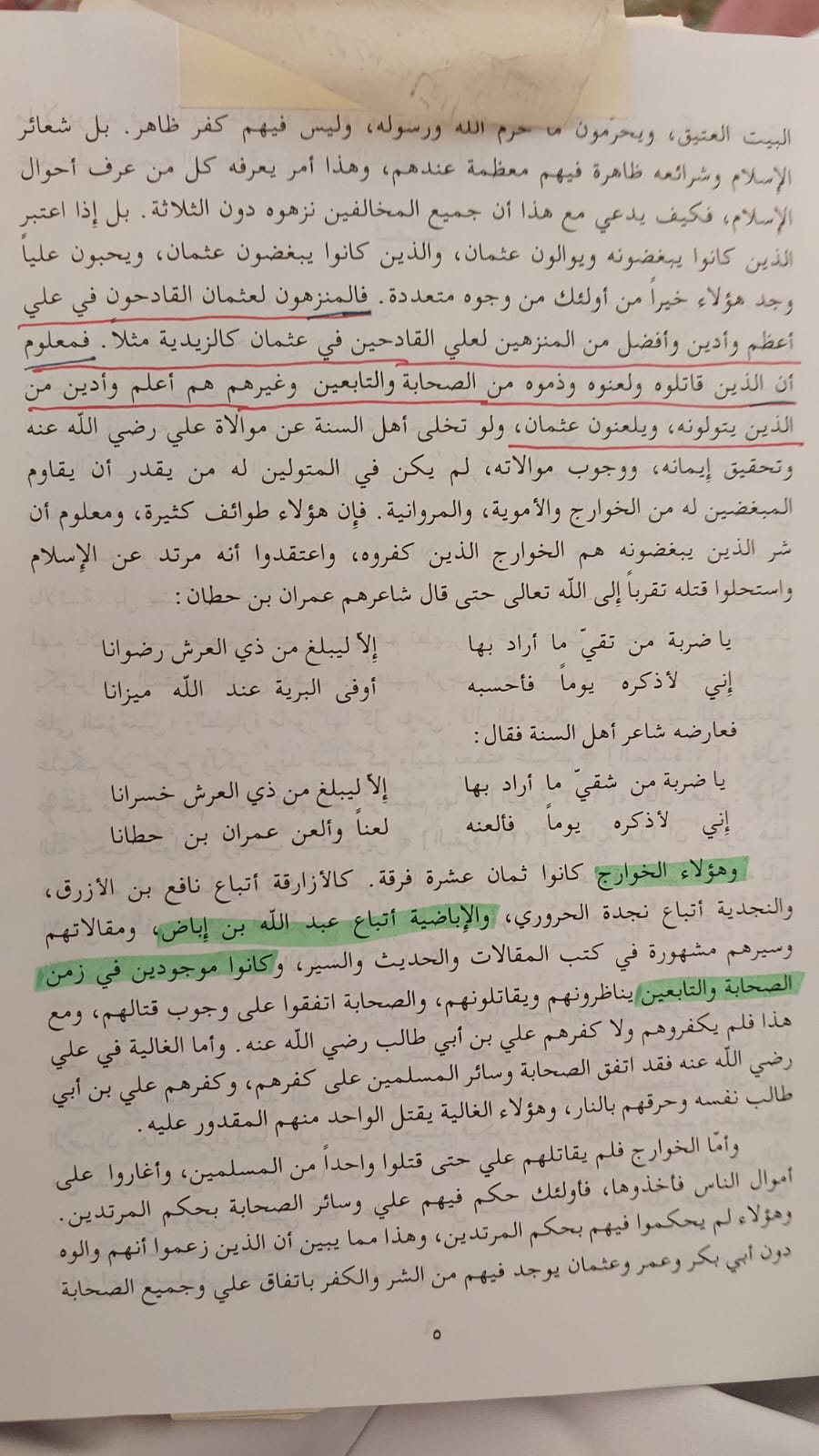
They forget that justice does not mean infallibility, and they forget that the companions cursed and fought one another, and that the phrase “and we do not delve into what transpired among them” is ijtihad, not consensus, even if it is called consensus. Here, the saying “Whoever claims consensus is a liar” proves true to a great extent, for partial consensus of some of the ummah is not consensus of the entire ummah, despite the permissibility of accepting and relying upon it as taking a credible view among views. But not at the expense of expelling some from the community of consensus of the Muslims, and one is not declared kafir with certainty for not seeing some opinion as valid ijtihad or interpretation.
And there is kufr short of kufr, as Ibn ‘Abbas (ra) said, which does not expel its holder from the religion. Some say that hating ‘Ali may be a is a sign of hypocrisy, but hating actions differs from hating persons.
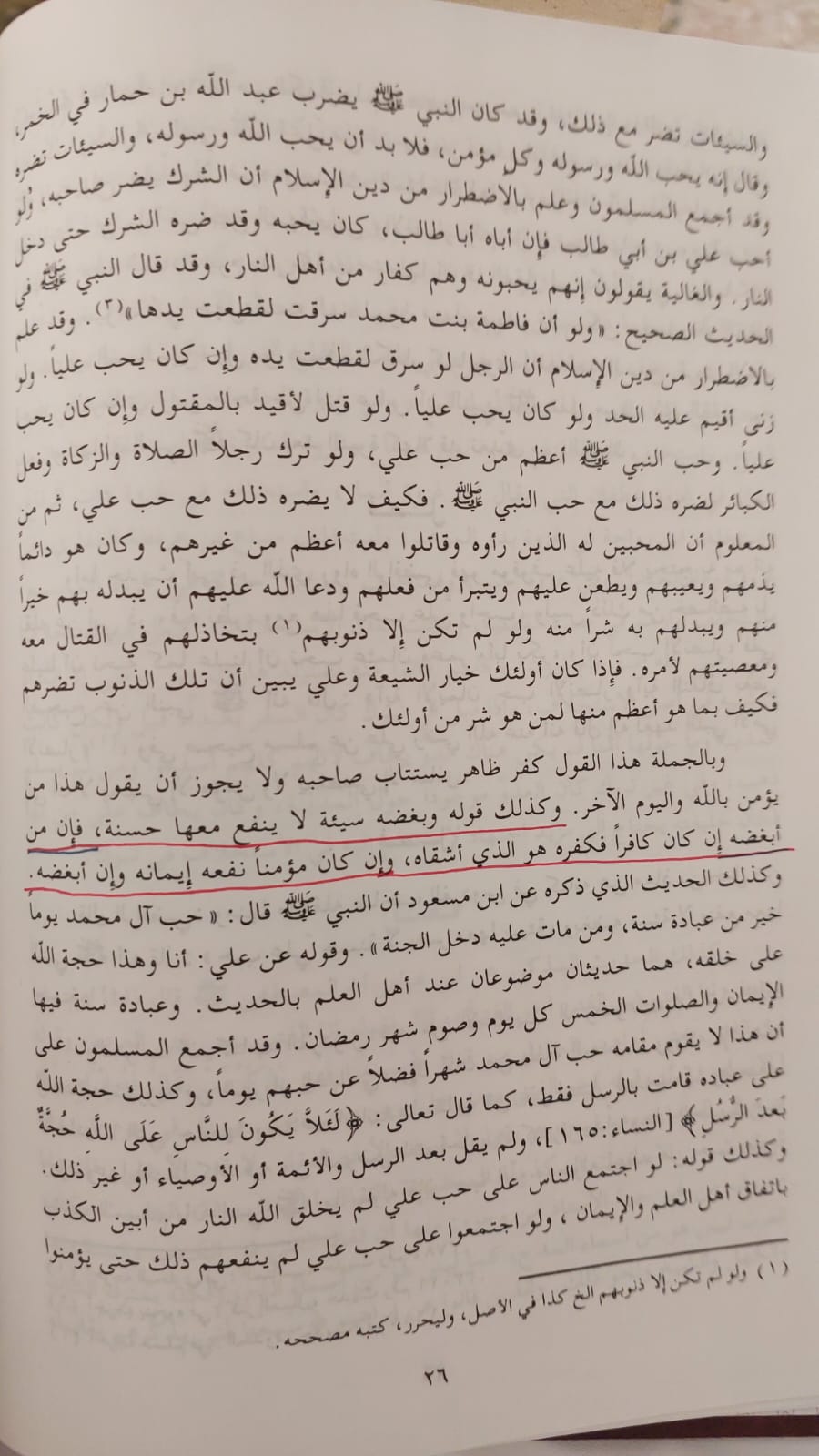
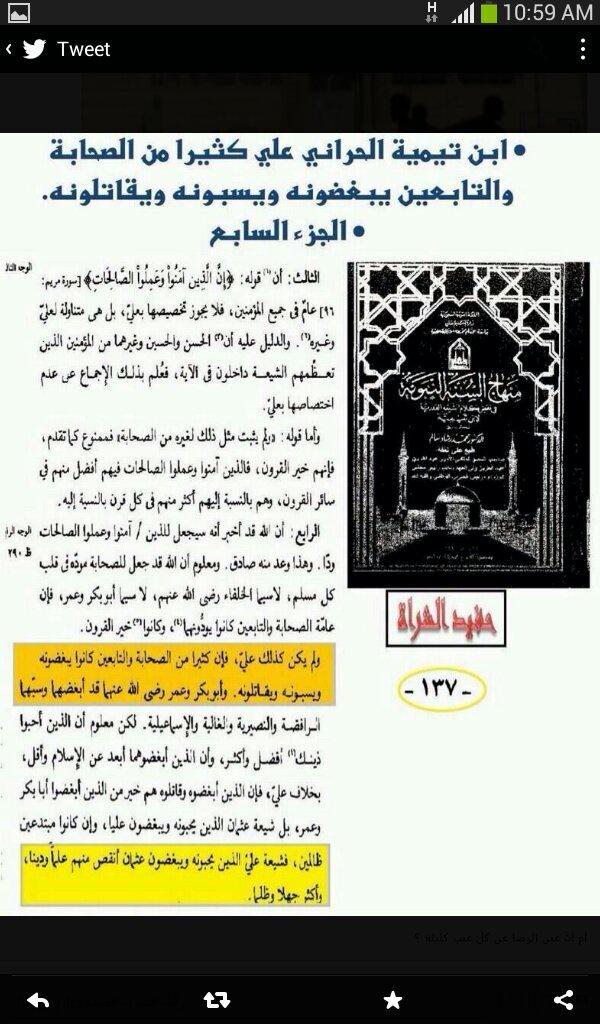
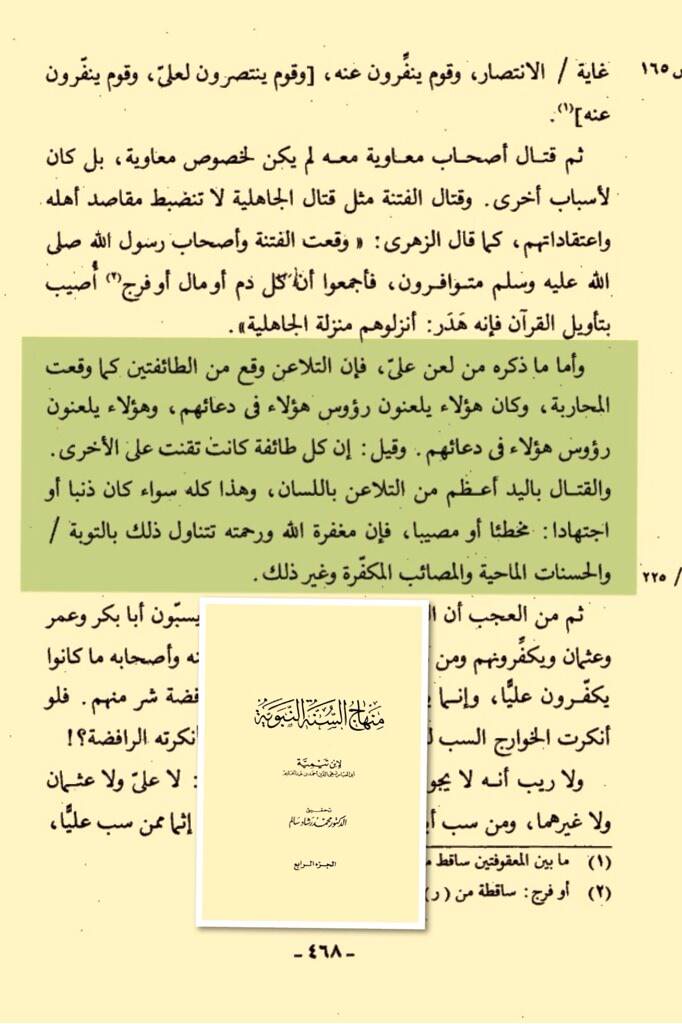
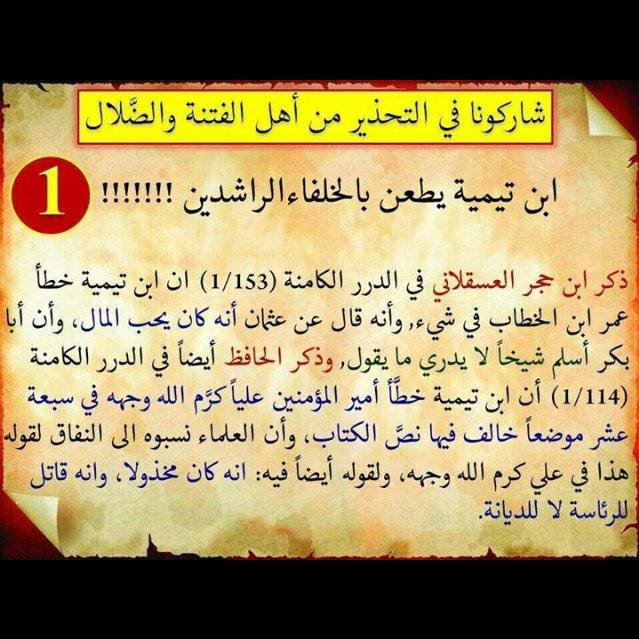
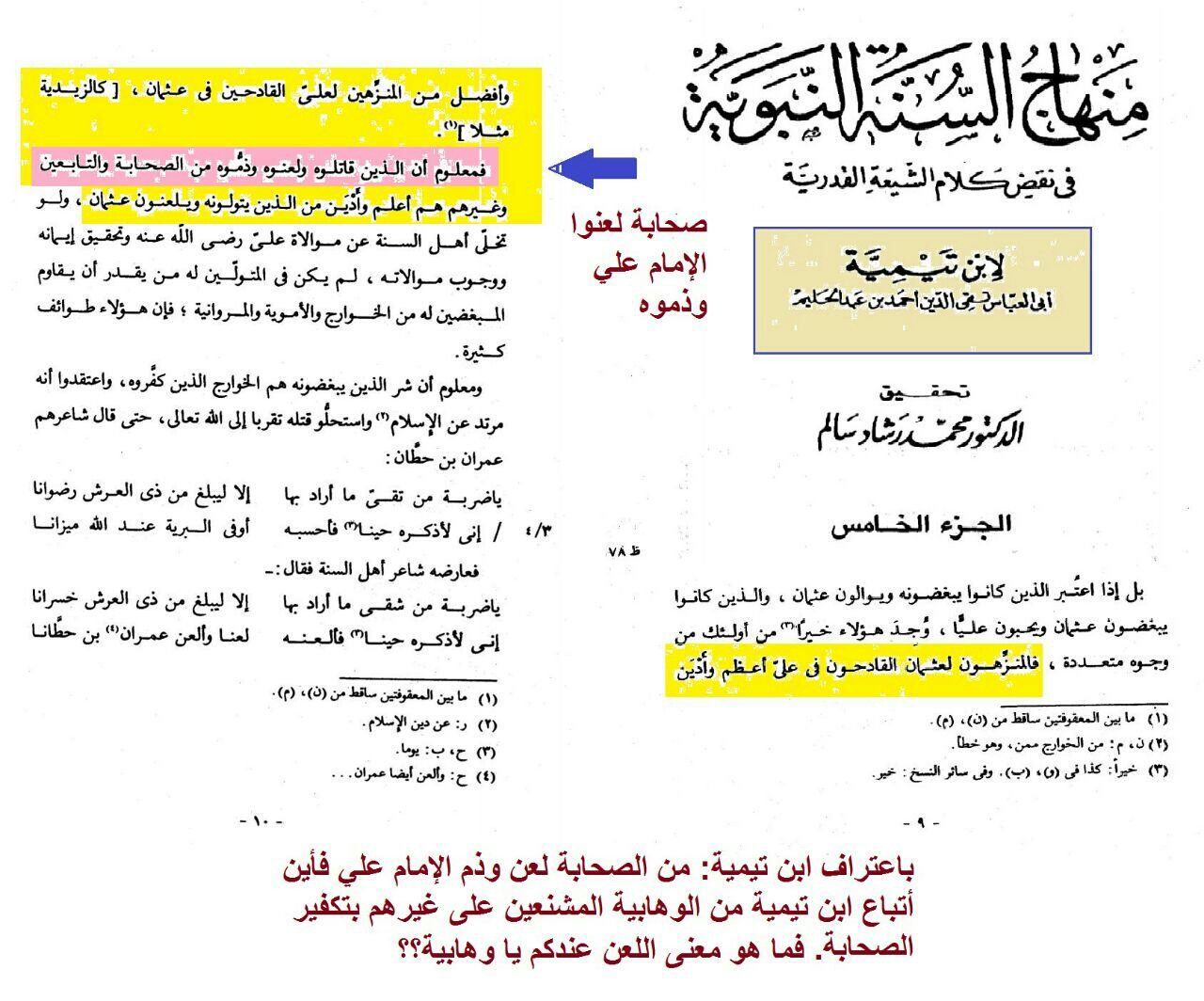
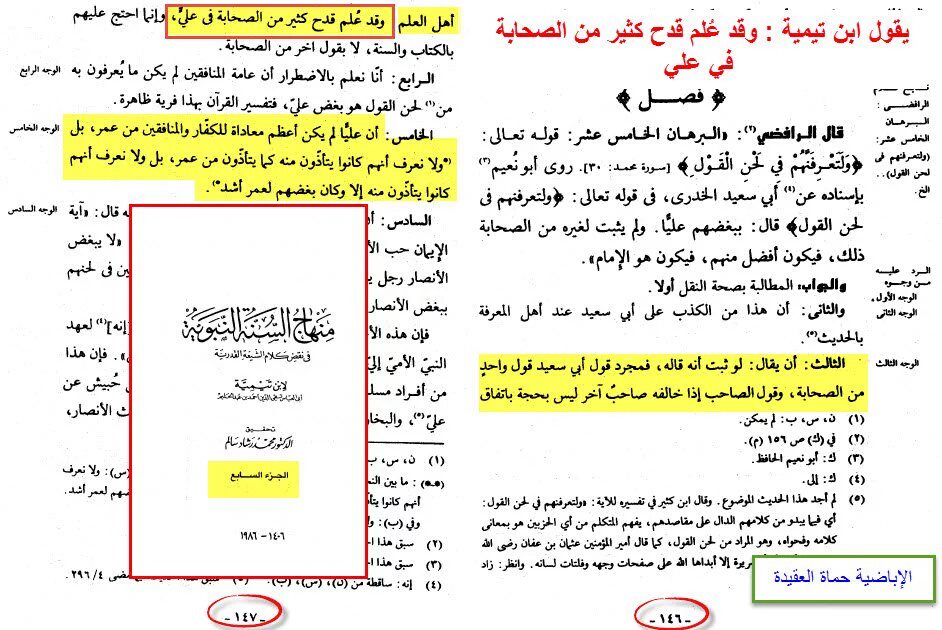
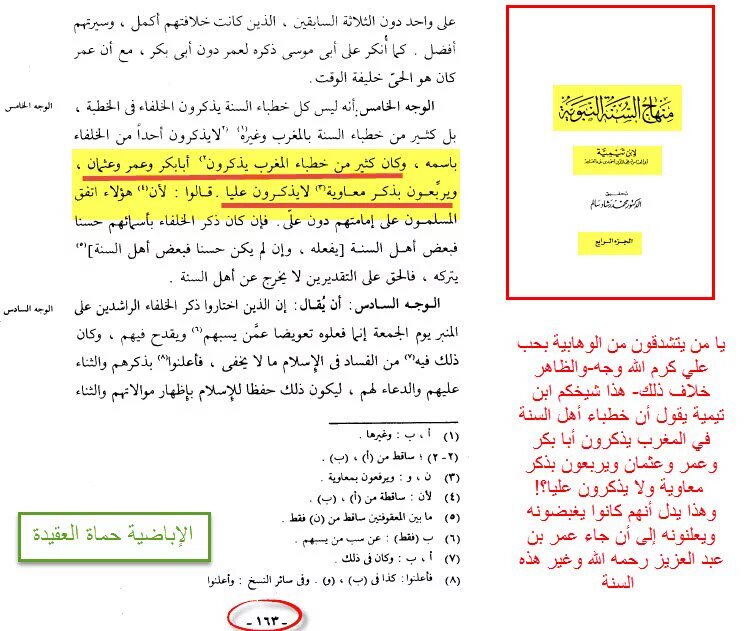
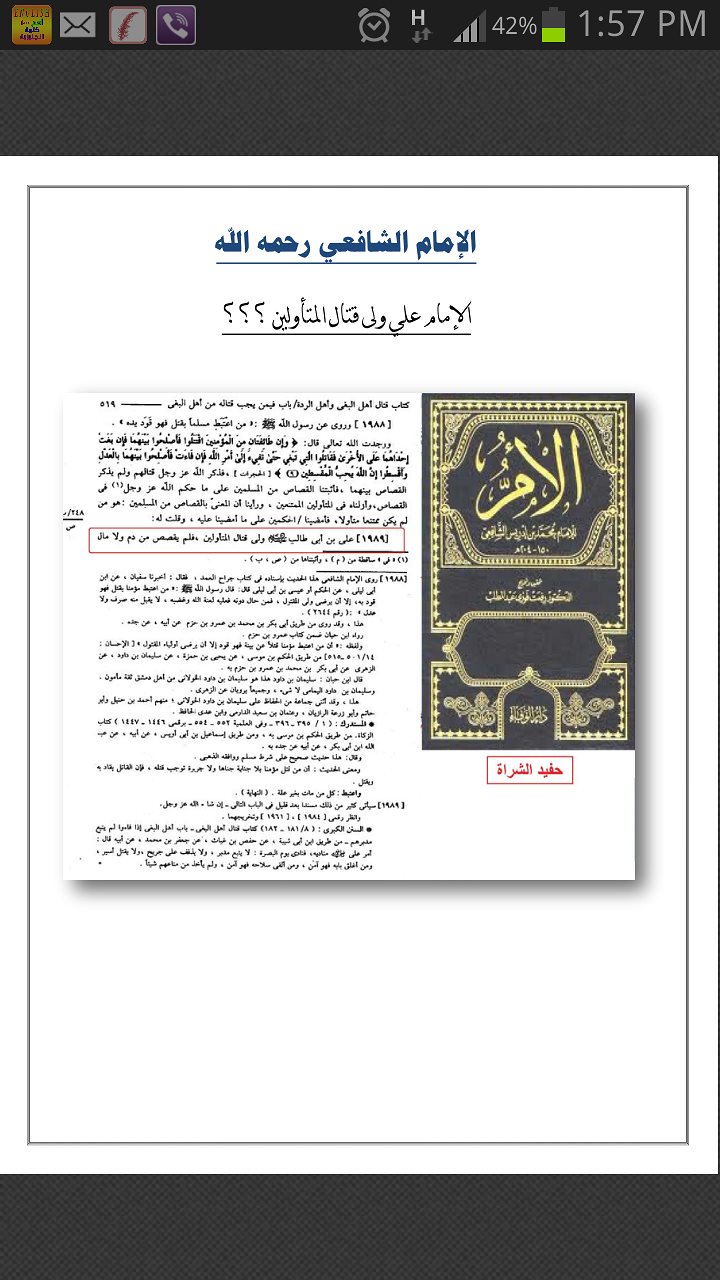
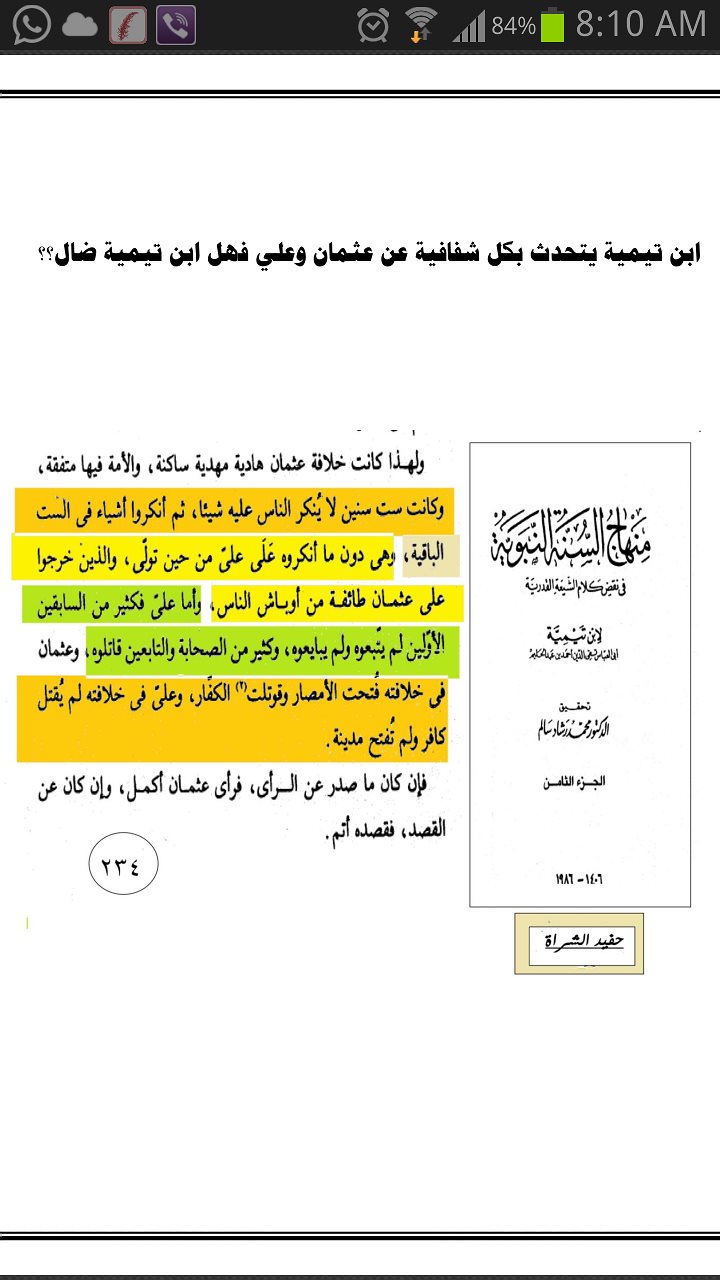
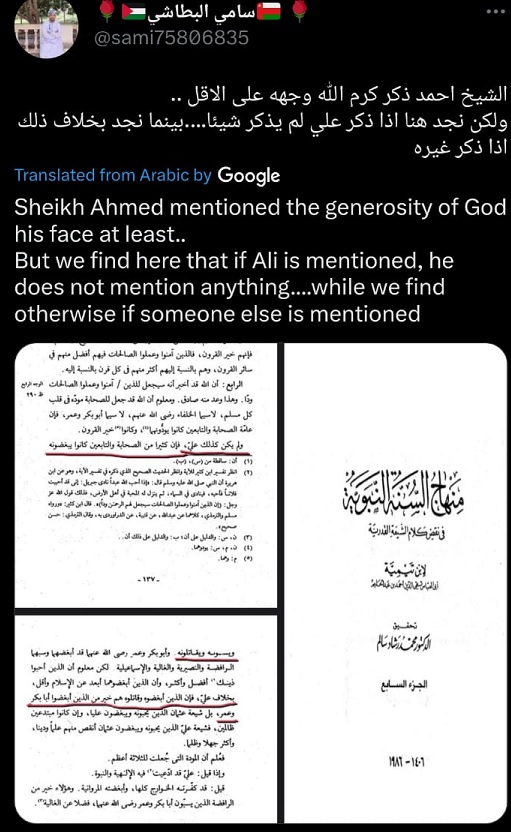
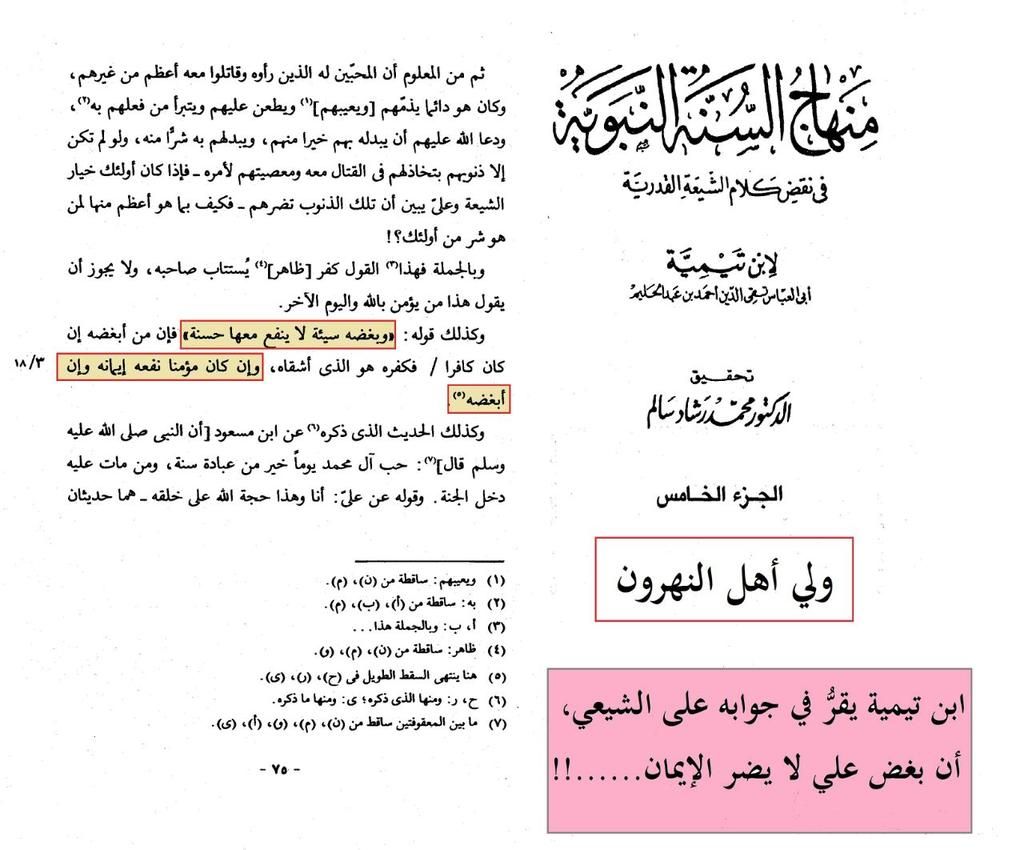
Although Ibn Taymiyyah was of the view that hatred of Ali does not harm faith.
Source: (Volume 5 of Minhaj as-Sunnah an-Nabawiyyah (The Path of Prophetic Sunnah) by Ibn Taymiyyah)
Those among the Ibadi school who show disavowal of Ali cannot be said that they hate the person of ‘Ali but they hated his agreeing to the Arbitration, which led to the fighting. This is a strong excuse with no denial of the Messenger in it, and the Ibadi disavowal cannot be interpreted except according to our principles and rules, for we are an independent Islamic school with our own principles and branches. It is forbidden to expel any Muslim from the fold of Islam except with certainty, just as one enters it with certainty. Shaykh Muhammed ibn ‘Abdullah al-Rashidi excelled in his debate with al-Zahrani, who took it as an opportunity to savage our Ibadi school.
The reason for this debate. Once again the Zionist and the proxies have attacked a Muslim country, Iran. There are certain segments in the Muslim Ummah who shield these Zionist and shield the Muslim rulers that aid the Zionist. Therefore there can be no empathy shown towards Iran and no solidarity shown with the Iranian people. They do not accept this from Sunni Muslims nor from the Ibadi.
Examples:
Shaykh Uthman Ibn Farooq made the following video:
What he said is absolutely true. However, he did not use that opportunity to attack and assail the Shi’i. Therefore most likely he got a call from those Zionist handlers. Guess what immediately followed? Attacks upon Iran of course.
Or, when Zakir Naik mentioned his support for Iran. Zakir Naik clearly mentioned Iran did things that are not appropriate. However, people came out and attacked Zakir Naik for it.
So the reason for this debate is that it well known that Oman and the Omani people stand with and support Muslims against the Zionist. So in this case this means standing with Iran and with the people of Iran against the Zionist aggressors.
Thus, this man Omar Al-Zahrani came with a mission. That mission is to create division and animosity between the Shi’i and Ibadi. You will see in the debate he brings up fatwa from 12er Shi’i about the Ibadi. He brings up some poem by an Ibadi scholar in praise of Ibn Muljam. All the red herrings that he can. Yet mash’Allah, he was no match for the calm, poise and overwhelming knowledge that Shaykh Muhammed Al Rashidi has.
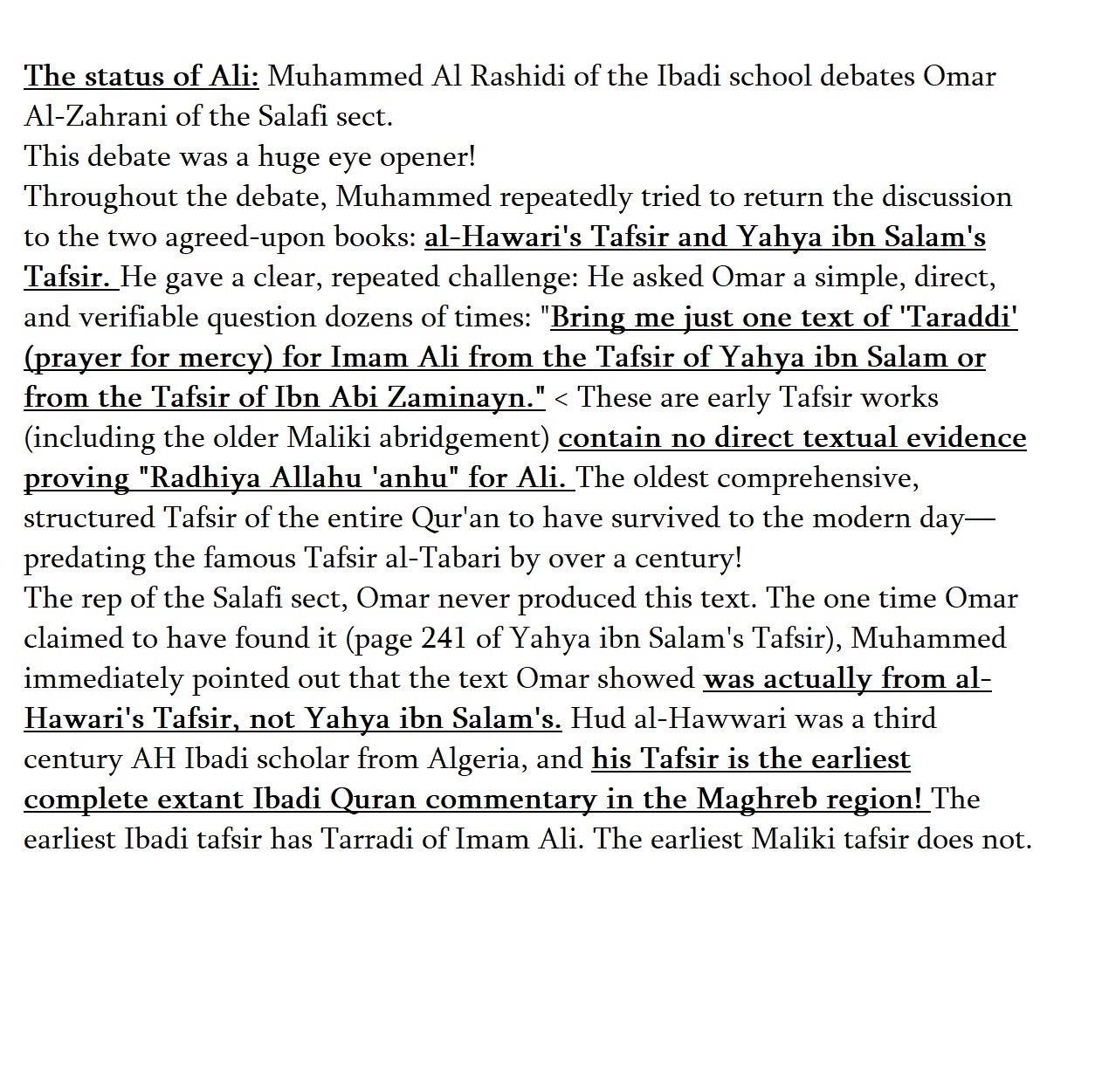
The status of Ali: Muhammed Al Rashidi of the Ibadi school debates Omar Al-Zahrani of the Salafi school.
Opening statement from the moderator:
My greetings to all of you, all the lovers and followers of the “Facts of Religions” channel.
The meeting renews with you, respected gentlemen, and with the esteemed guests who are proficient in the language of dialogue, research, thought, and reflection on religion. Diversity is also required. The goal is for you, respected gentlemen, to receive accurate information from this one and that one.
Today’s episode and today’s debate are very important because they have a dimension for us to get to know the Ibadi doctrine. Of course, our brother Omar will be with us; he will represent the Salafi belief or concept.
My greetings to all of you, all the lovers and followers of the “Facts of Religions” channel. I hope for mutual respect between you on the chat: respect for symbols, respect for sanctities, respect for guests. The channel’s goal is an intellectual meeting point, setting corrective and clarifying controls for what has been documented in our books.We welcome Brother Muhammed, who will represent the Ibadi thought through the “Dictionary of Sharia.”
He will also clarify, first as an introductory title. Brother Muhammed, you have five minutes, then we will move on to Brother Omar afterwards. It’s better, Brother Muhammed, if you could give an introductory title in the first minute, then start presenting the initial givens that Brother Omar will document and interact with you on. Go ahead, Brother Muhammed.
Muhammed Al Rashidi of the Ibadi school self introduction and opening statements:
In the name of Allah, the Most Gracious, the Most Merciful. O Allah support our brothers in Palestine, Iran, Yemen, Sudan, and in all corners of the earth, O Lord of the worlds. O Allah, protect our homelands, strengthen our ruler, support him with truth, and support truth with him, O Lord of the worlds. O Allah, make this debate beneficial for the seeker of truth and the listener, and keep it away from division and sectarianism.
Regarding this debate: It was raised a while ago that the Ibadis pray for the mercy of Imam Ali (Yataradaw ‘an). I presented evidence from this book, which is the “Tafsir Kitab Allah al-Aziz” by Imam al-Hawari, who is from the scholars of the third century AH, one of the Ibadi scholars. I extracted a text from it and said that the Ibadis pray for the mercy of Imam Ali, and I proved that. Brother Omar (may Allah bless him) came and took a part from the introduction of this book, where the investigator says that Imam al-Hawari relied on another Tafsir, which is the Tafsir of Imam Yahya ibn Salam al-Qayrawani.
This is a wonderful thing. Imam al-Hawari indeed relied on this book; no problem, no issue. But the talk here is… Brother Omar, at the beginning, said that since there is “Taraddi” (praying for mercy) in this book, then this “Taraddi” belongs to Yahya ibn Salam, not to Hud ibn Muhakkam al-Hawari, who is one of the Ibadi scholars. He said that the Ibadis took this Tafsir (of Yahya ibn Salam), changed only the title, attributed it to Hud ibn Muhakkam al-Hawari, and made it Ibadi.
Of course, he raised other matters that we will discuss all of them, Allah willing, with Brother Omar, and we will discuss them fully, Allah willing. But I will start with a simple matter, Alah willing. I will prove with three pieces of evidence that these “Taraddiyat” (expressions of seeking mercy) found in this book are “Taraddiyat” of Imam Hud ibn Muhakkam al-Hawari, not of Yahya ibn Salam.
The first matter: Since we are talking about the “Taraddiyat,” and I presented evidence containing “Taraddi” for Imam Ali in this book, it was expected of Brother Omar to show us the same text from the book of Yahya ibn Salam al-Qayrawani and say that this same “Taraddi” exists there, regardless of the fact that the Tafsir of Yahya ibn Salam is incomplete (22 surahs). No problem.
But I tell you now, Brother Omar, what if I challenged you or asked you to produce just one “Taraddi” for Imam Ali in the book of Yahya ibn Salam? Just one “Taraddi” in the Tafsir of Yahya ibn Salam, from the remaining surahs. Ali is mentioned several times; we want just one “Taraddi.”
Now, the “Taraddiyat” are proven in this book. I have prepared dozens of texts, and I have other texts, but ten suffice. I also have a comparison between several texts from the two books. Excellent. So first, I have three pieces of evidence, as I said. I will present two here in this debate or dialogue (better to call it a dialogue). I will keep the third and final evidence for a separate discussion, Allah willing, you will see it.
As for now, as we said, I think for every statement there is a challenge, a question, or a request. So we ask Brother Omar, may Allah bless him, to produce for us just one “Taraddi” on Imam Ali from the book of Yahya ibn Salam al-Qayrawani. If he does not produce a “Taraddi” for us, then the “Taraddiyat” were added by Imam Hud ibn Muhakkam al-Hawari, and they are Ibadi “Taraddiyat.”
May Allah bless you. The remaining time is for you, Brother Omar.
Moderator speaking:
Okay, I don’t know if Dr. Muhammed is present… Okay, let me thank you, Brother Muhammed. I thank you for your punctuality, and I also thank you for the introduction. I hope from all the lovers and followers of the “Facts of Religions” channel and everyone to focus very well on the data being presented now, especially since it will introduce you to the reality of the Ibadi belief or concept. Brother Omar, you have five minutes with us for initial data.
Could you make my picture bigger, Dr. Muhammed, please? On the camera. Okay.
Omar Al-Zahrani of the Salafi school self introduction and opening statements:
Peace be upon you and Allah’s mercy and blessings. In the name of Allah, the Most Gracious, the Most Merciful. O Allah, bless Muhammed and the family of Muhammed and all his companions and wives.
Of course, may Allah protect our shyookh, kings, princes in the Gulf countries and in the rest of the Muslim lands.
Of course, as I told you, I will not leave a single word that the guest says without clarifying it.
Iran, which you are sitting there… I don’t know why you pray for them, I don’t know if it’s to provoke us or what is your goal? Look at what they say about you in the book “Madinat al-Ma’ajiz” when they talk about the Khawarij. This is the “Mu’assasat al-Ma’arif al-Islamiyyah” in Iran, the ones you pray for. It says: “They are outcasts from Islam by the judgment of all Islamic scholars, ancient and modern. The most important of their sects are the Ibadis, may Allah’s curse be upon them all until the Day of Judgment.” This is not my words; this is the words of Iran. So, may Allah bless you, we try to adhere to the text.
Brother Omar, this phrase you just said, this phrase is attributed to…
Omar Al-Zahrani speaks again.
“…to an Iranian institution for printing. Of course, this investigator says they are outcasts from Islam by the judgment of all Islamic scholars, ancient and modern. The most important of their sects are the Ibadis. I am not saying “May Allah curse you, Muhammed al-Rashidi,” but Iran, the ones you pray for, who bombed our countries and your country, said “May Allah’s curse be upon you until the Day of Judgment.” Got it? Allah forbid, I don’t say such things to you. This is your books that conveyed this to you. Sorry, not your books, their books that you are happy with.”
Okay, the second issue, my dear brothers, may Allah bless you. When he asked me, he said, “I challenge you to prove that this ‘Taraddi’ exists in books…” I will give you from the words of the scholars… What does the investigator, Al-Hajj bin Sa’id Sharif (from Algeria), say? Look, my dear brothers, when he mentioned… even what did he say? “The Messenger of Allah, may Allah bless him and grant him peace.” He says: “This is from al-Hawari?” I tell you, no. He says: “An addition that is necessary, because what follows is a text of an authentic hadith.” Meaning even the prayer upon the Prophet (saw) was added by the investigator, not al-Hawari. So you tell me this “Taraddi” is from… from al-Hawari? No, my dear brother, this is the words of the investigator. So this issue is very natural.
Okay, my dear brothers, of course, now I will show you the many proofs. Our topic was about al-Hawari’s Tafsir and so on, but I will give you this issue: Basically, this entire book, all of it, is taken from… as I explained, from the Tafsir of Yahya ibn Salam. But the strange thing, my dear brothers, the strange thing is that after researching and investigating this book, I discovered that…
What’s the idea? That al-Hawari took the complete book of Yahya ibn Salam al-Basri. And when he came to matters that benefit the Ibadi school of thought, or sorry, that harm the Ibadi school of thought (like divine vision, like intercession, etc.), he deleted them. My brothers, this is not my words, this is their books.
There is a Master’s thesis… Basically, Hud ibn Muhakkam al-Hawari, hardly anyone talked about him, meaning few researches on “The Methodology of Hud al-Hawari in Tafsir.” It says: “And it concluded with the following results: Complete omission of the personality of Hud ibn Muhakkam al-Hawari – no one, by Allah, knows who Hud al-Hawari is, nor when he was born, nor when he lived, nor his shyookh. No one knows anything about him.”
Second: “Hud’s Tafsir is an abridgment of the Tafsir of Ibn Salam al-Basri the Sunni.” Okay.
“The bias of Hud al-Hawari towards his Ibadi school of thought is evident in doctrinal rulings, practical rulings, and in his omission of narrations that contradict his school of thought.”
Meaning, as long as you are taking an issue from our books, you must adhere to it. If you are taking an issue from our books, you must be committed to it, Dr. Muhammed. If possible, just enlarge my picture because the quality for some doesn’t show clearly during my intervention. Just enlarge it, may Allah reward you.
Okay, my dear brothers, these are the evidences that confirm that the origin of the book is taken from us, from the Tafsir of Yahya ibn Salam al-Basri.
For you to prove otherwise, you must bring… For example, this “Taraddi” (رضي الله عنه) is found in your book, while in the original, this “Taraddi” is not found at all. Even the prayer upon the Prophet (saw) – Hud thought it was too much to pray upon the Prophet (saw). So you tell me this action was…
My dear brothers, unfortunately, this man (Hud al-Hawari) did not even know the basics of his religion. It says: “Among the criticisms against Hud is his mixing between the hypocrite and the polytheist in some rulings.” Hud says: “Whoever associates partners (with Allah) and is a hypocrite, We will punish him,” meaning killing. And we know that the hypocrite is not killed. Meaning, even the fundamentals of the Ibadi school of thought are deficient according to Hud al-Hawari.
You tell me that this, by the way, is not only taken from the Tafsir of Yahya ibn Salam al-Basri, but also taken from the Tafsir of Ibn Zaminayn, who is also one of our scholars. It is taken from both books. You tell me there is no “Taraddi” in the Tafsir of Yahya ibn Salam? It is found in the Tafsir of Ibn Zaminayn, by the way, found in the same narration about Ali (RA). I will give it to you in the next intervention. I have absolutely no problem with this. Okay. Now, my dear brothers, the next intervention will be…
Moderator:
Okay, let’s thank you, Brother Omar. We’ll quickly move to Brother Muhammed. I hope all the esteemed viewers focus well on what is being presented now. Go ahead.
Muhammed Al Rashidi speaks:
Praise be to Allah, and after: “And say, ‘The truth has come, and falsehood has vanished. Indeed, falsehood is [ever] bound to vanish.'”
Brother Omar, what do I care if the Tafsir of Hud ibn Muhakkam al-Hawari is correct or incorrect? Now our discussion is about the “Taraddi,” proving the “Taraddi.” Whether it is correct or incorrect, that’s another topic.
The issue of “Taraddi”… You told me about the prayer upon the Prophet. I demanded from you just one “Taraddi”! One “Taraddi”! I have dozens of texts, dozens of texts containing “Taraddi” on Imam Ali.
Don’t tell me they added “Salla Allahu alayhi wa sallam” (saw). If they added it, that’s a weak argument. Bring me a text… For example, the investigator himself… I have statements from the investigator himself. He made mistakes in several things. One of the things he said is that this book is an abridgment or called an abridgment. This book cannot be called an abridgment at all; this book is a refinement of the book of Yahya ibn Salam, not an abridgment.
Second, he said that what is criticized in this book is the omission of chains of narration (asanid). Omitting chains of narration is the methodology of the Ibadis, the methodology of the school. You have “Al-Jami'” behind me, the explanation of “Musnad al-Imam al-Rabi'”, without chains of narration. “Musnad al-Imam al-Rabi'” which is the most authentic chain we have, explained without chains of narration. No problem.
I challenged you with one “Taraddi.” You know that the book of Yahya ibn Salam does not contain a single “Taraddi” on Imam Ali, not one! As for this book, it has several “Taraddiyat,” dozens, we can say.
No problem. I will show Brother Omar… I will mention something before continuing. He said that Imam al-Hawari added things that benefit his school of thought. Previously, he said the Ibadis only changed the title and kept the Tafsir of Yahya ibn Salam. Why change the statement now?
Second, you said that Imam al-Hawari abbreviated some things, not that he added anything. Your statement is with me. Do you deny any word? Let’s show the clip. No problem, everything is there. These are three contradictions, three statements you made about the book of Imam al-Hawari. I demand from you only one text, one text where Imam Yahya ibn Salam al-Qayrawani prays for mercy on Imam Ali.
This is excellent. We will show pages if possible. There’s still time. Excellent. Let’s show some pages. Brother Omar said… or open a page from the pages. I’ll share it. Open a page from the pages where he compares the Tafsir of al-Hawari and the Tafsir of Yahya ibn Salam. Actually, if I complete that page… Let’s open a page. Does the page appear? Does it appear? It appears, it appears. Yes, go ahead.
Excellent, excellent, excellent. This page: Right side is the Tafsir of Imam Yahya ibn Salam, left side is the Tafsir of Hud ibn Muhakkam al-Hawari. He said: “And some said, ‘It does not afflict her in the east nor in the west.'” This is in both books, in the Tafsir of Surat An-Nur. If we go down a little in the book of Imam al-Hawari, he prays for mercy on Imam Ali. As for Yahya ibn Salam, the book of Yahya ibn Salam did not pray for mercy on Imam Ali. I have dozens of texts like this, comparing the same texts from the two Tafsirs. Imam Hud ibn Muhakkam al-Hawari prays for mercy on Imam Ali, while Yahya ibn Salam does not pray for mercy on Imam Ali.
This is the first evidence that the Tafsir… that Hud ibn Muhakkam al-Hawari is the one who added these “Taraddiyat.” Of course, there are other errors in your statement besides this huge contradiction: Imam al-Hawari added jurisprudential things, added doctrinal things from “Musnad al-Imam al-Rabi'”.
I have surprises for you as well. He added doctrinal things. I have texts I will show later. There are 30 seconds left. The remaining time is for you. Give me only one text where Imam al-Hawari or Imam Yahya ibn Salam prays for mercy on Imam Ali, just one text. You have now shown the viewer that Yahya ibn Salam does not pray for mercy on Imam Ali. This is clear. Go ahead, Brother Omar.
Omar Al-Zahrani speaks
Okay, could you enlarge me, Dr. Muhammed, so I can show the sources? Yes. In the name of Allah, the Most Gracious, the Most Merciful. Enlarge me, Doctor, may Allah bless you.
Okay, my dear brothers, I think my statement is clear. Did I say that al-Hawari only took the Tafsir from Yahya ibn Salam? In the previous intervention, I told you he also took it from Ibn Zaminayn, the Sunni.
The evidence for my statement is from “The Methodology of Hud ibn Muhakkam al-Hawari in Tafsir.” It says: “Hud al-Hawari followed, to some extent, the process of abridgment.”
The problem is your scholars say “abridgment,” and you tell me “refinement”! No, it’s not refinement, it’s abridgment. “However, he is criticized for not distinguishing between his opinions and the opinions of Ibn Salam, as Ibn Abi Zaminayn did.”
So, where did he take it from? He took it from two: from Ibn Salam and from Ibn Abi Zaminayn.
You demand a “Taraddi” from me. This, my dear brothers, in “Uṣūl al-Sunnah” by Ibn Abi Zaminayn, it says about Ali ibn Abi Talib (RA). There! I have brought you your request. This request is fulfilled. Thank you.
Okay, my dear brothers, now we come to the second issue. You are really bringing scandals, may Allah bless you. When you say, “We take our religion without a chain of transmission (sanad), we explain it without a chain.” May Allah bless you, this is a good thing, honestly. I don’t know why there’s a comment in the stream… The problem is, to say “We take our religion without a chain and explain without a chain” – this is not something, my dear brother, you should be proud of. On the contrary, it goes against you.
Okay.
Moderator:
“The network weakness is from you, Brother Omar. The network weakness is from you. Just for your information.”
Omar Al-Zahrani speaks:
Okay, no problem. Let’s go back to show the source, my dear brothers. Okay, sorry, so this is in “The Methodology of Hud al-Hawari.” It says: “Hud al-Hawari followed, to some extent, the process of abridgment. However, he is criticiz
ed for not distinguishing between his opinions and the opinions of Ibn Salam, as Ibn Abi Zaminayn did.”
Let’s go back to the books of Ibn Abi Zaminayn. He says about Ali ibn Abi Talib (RA). So this is the “Taraddi” now. May Allah bless you. Okay, my dear brothers, now we come, Allah willing, to the second issue with which he challenged me. He said, “You see, we take it without Tafsir, etc.” Brother, this is against you, not for you. Allah is sufficient. Your request I answered. It didn’t come with anything else.
Okay, he says, “No, you must retract because Hud ibn Muhakkam al-Hawari added some words.” I know he added two or three words, a line or two. This does not count as an addition to the book. It is indeed an abridgment.
Evidence, my dear brothers, come, let’s make a simple comparison. Okay, this is, my dear brothers, the Tafsir of Yahya ibn Salam al-Basri the Sunni. He says regarding Surat An-Nahl: “In the name of Allah, the Most Gracious, the Most Merciful. ‘The command of Allah is coming, so do not impatiently seek to hasten it.’ Al-Hasan said: ‘This is a response from Allah.'” Let’s go back to the Tafsir of Yahya ibn Salam. He said: “Al-Hasan said: ‘This is a response from Allah to the saying of the polytheists to the Prophet: Bring us the punishment of Allah.'” The exact same thing! Where is the addition? You tell me, “By Allah, he added two words, added two letters”! This does not change the meaning. It’s very natural.
My dear brothers, if I go and take Al-Bukhari and at the end add two words, “Peace be upon you,” does that mean I have added to the interpretation? Absolutely not! Impossible. This is considered an addition by me, two or three words I wrote. It’s a normal matter. Okay, my dear brothers, now we come to the important issue which we will also clarify, because our topic today is about two things: al-Hawari’s Tafsir and the “Dictionary of Sharia.”
The “Dictionary of Sharia,” my dear brothers, Brother Muhammed al-Rashidi presented this source on his account. He said, “We have in the book ‘Dictionary of Sharia’ there is ‘Taraddi’ on Imam Ali. He interpreted it as ‘Ali, may Allah be pleased with him.'” I went back to the introduction of the investigation and discovered a catastrophe, by Almighty Allah! It says: “The words of Taraddi, Tarahhum, Tasliyah, and Taslim were proven in the text as they appeared in the manuscripts, and no intervention was made in them, neither modification nor alteration. Likewise, the author of the dictionary used to prove these words as he found them in their sources. This does not necessarily mean the author’s belief in that Taraddi or Tarahhum, because he was transmitting the text as it appeared in the source.”
Meaning, just by him transmitting “Radhiya Allahu ‘anhu,” it does not necessitate that he believes in this Taraddi.
What is the evidence for your statement, Omar? What is the evidence that this man does not believe in this Taraddi? Get ready for the shock, by Almighty Allah! Don’t be shocked!
This, my dear brothers, is the same book, “Dictionary of Sharia,” but a few pages later. It says: “We declare allegiance to Abu Bakr al-Siddiq and Umar ibn al-Khattab.” (It was supposed to say Uthman and Ali) – No Uthman, no Ali! And Abu Ubaydah ibn al-Jarrah, Abu Dharr al-Ghifari, Abd al-Rahman ibn Awf, Mu’adh ibn Jabal, Abdullah ibn Mas’ud, Salman al-Farisi, Ubayy ibn Ka’b, and Abdullah ibn Wahb al-Rasibi (who abandoned Ali ibn Abi Talib) – they are present. But Ali ibn Abi Talib is not present!
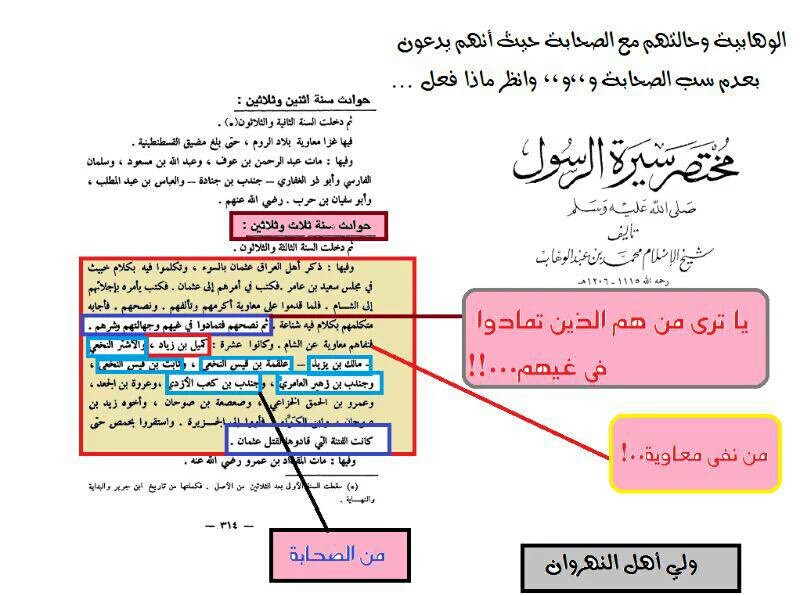
They declare allegiance to him? Take the great calamity: “And we declare disavowal (al-bara’ah) from those from whom our prominent Imams declared disavowal in the biographies, without needing to disclose or specify.” Who are these you disavow? Let’s go down below and see who you disavow.
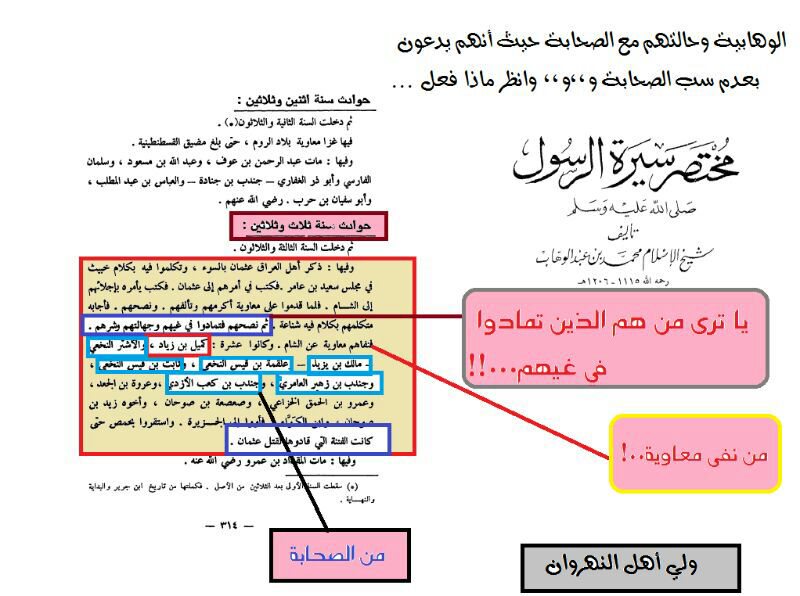
It says: “And we declare the correctness (taswib) of the people of Nahrawan” (those who fought Ali). “And disavowal (al-bara’ah) from those who killed them.” Who killed them? Ali ibn Abi Talib killed them! So you disavow Ali ibn Abi Talib! From the same book you brought! Not me, you brought this book!
Do you want a clearer declaration that he indeed disavows Ali? Take the catastrophe, brothers. The same book, “Dictionary of Sharia,” Volume 8, by al-Sa’di. It says: “And after the Prophet, we disavow the people of the Qibla (Muslims) who are… Uthman ibn Affan, they disavow him, and Ali ibn Abi Talib, they disavow him, and Talhah, al-Zubayr, Mu’awiyah, Amr ibn al-As, Abu Musa al-Ash’ari, and all who were satisfied with the arbitration of the two arbitrators and abandoned the judgment of Allah.”
Abu Abdullah Muhammed ibn Mahbub (may Allah have mercy on him) said: “We agree with them on this disavowal of those named.” We disavow Ali, we disavow Uthman.And Abu Sa’id al-Kudami prays for mercy on this man… He says: “We agree with them on the disavowal… we disavow Uthman ibn Affan, Ali ibn Abi Talib, Talhah, al-Zubayr, Mu’awiyah, Amr, and Abu Musa al-Ash’ari, and all who were satisfied…”
The sources, Brother Omar! The sources! The same book, brothers, that Brother Muhammed al-Rashidi brought. Not a new book. The same book he brought, “Dictionary of Sharia”! It says: “And after the Prophet, we disavow the people of the Qibla who are Uthman ibn Affan, Ali ibn Abi Talib, Talhah, al-Zubayr, Mu’awiyah ibn Abi Sufyan, Amr ibn al-As, Abu Musa al-Ash’ari, and all who were satisfied with the arbitration of the two arbitrators…” …Disavowal. Okay.
So, my dear brothers, those who agreed to this… Abu Sa’id… Then you come and hold onto an issue saying, “By Allah, he prayed for mercy on him, he said ‘Ali, may Allah be pleased with him.'” Where is the love here? Where is this love?
Moderator:
Okay, thank you, Brother Omar. Thank you for this data, really. Brother Muhammed is indeed worthy of interacting with it for clarification and correction. Go ahead.
Muhammed Al Rashidi speaks:
First, I hope we adhere to the time, first of all. Secondly, we haven’t finished with the Tafsir of Yahya ibn Salam and the Tafsir of Hud ibn Muhakkam al-Hawari. You haven’t denied your contradiction in the statements you made about the book of Yahya ibn… Hud ibn Muhakkam al-Hawari. First.
Second… You did not bring a single “Taraddi” from the book of Yahya ibn Salam! Excellent!
Second or third… You talked about Ibn Abi Zaminayn. Excellent!
I now challenge you as well to bring one “Taraddi” from the abridgment of Ibn Abi Zaminayn of the Tafsir of Yahya ibn Salam. Don’t give me from the book “Al-Sunnah”! Bring it to me from the Tafsir. Didn’t he abridge the Tafsir? Come on, here’s the shock! Look at the shock!
I will say it while I open the pages…
Ibn Abi Zaminayn, in his introduction, says that he abridged much of what was in Yahya ibn Salam’s book and omitted many chains of narration and many reports. In the first preface. Excellent!
So, you are dependent on the Ibadis for this as well. Now, if you want the Tafsir of Yahya ibn Salam, it’s incomplete (22 surahs). If you want to refer back, you cannot refer to Ibn Abi Zaminayn’s book because it is very incomplete, and that’s a criticism against it.
As for the Tafsir of Hud ibn Muhakkam al-Hawari, I repeat to you: You say “my scholars say it’s an abridgment.” He is not my scholar! That’s the investigator of the book! Don’t say “your scholars,” he is the investigator of the book, and he made a mistake in this. I say it once more: This book is a refinement. I think you understand – I trust your academic ability – the difference between refinement and abridgment. Excellent! You yourself said he added things! So how can it be an abridgment if he added? Wonderful!
Likewise, will you say that your scholars who abridged, refined, or relied on other books… will you say they stole? Will you say they removed a title and took a book? Can you say this, or only because he is Ibadi?
Excellent!
Now, I challenged you with two or three Tafsirs. The first Tafsir contains “Taraddiyat.” The second evidence that Yahya ibn Salam did not pray for mercy on Imam Ali is the Tafsir of Ibn Abi Zaminayn. The Tafsir of Ibn Abi Zaminayn did not pray for mercy on Imam Ali, and he transmitted from reliable books in his abridgment. So, the two books did not pray for mercy: neither the book of Yahya ibn Salam nor Ibn Abi Zaminayn. The one who prayed for mercy is the Ibadi, Hud ibn Muhakkam al-Hawari.
This is evidence that Hud is the one who added the “Taraddiyat” in his Tafsir. Among the things he added are statements in jurisprudence: statements of Abu Ubaydah Muslim ibn Abi Karimah, statements of Jabir ibn Zayd, statements of “our companions,” “our school of thought.” These are additions! They do not exist in the Tafsir of Yahya ibn Salam. Doctrinal statements: I have prepared seven doctrinal issues, on Al-Istiwa’ (The Rising on the Throne), etc. All are Ibadi interpretations. So, how can you say they only took the title? “They only took the title or changed the title and took it” – how is this, Ibadis?
Your Tafsir is incomplete. I challenge us to compare. I tell you, open Surat Al-Fatihah and compare now! Between this Tafsir… The audio is present, your voice is there. You say, “I am ready to compare.” We open the book from the beginning and compare word for word. How? And the things that Yahya… that Hud ibn Muhakkam al-Hawari added…
Alright, I tell you, open Surat Al-Fatihah so we can compare. It’s not present in Surat Al-Fatihah. You rely on the Ibadi Tafsir to refer back to the book of Yahya ibn Salam. Even the Tafsir of Ibn Abi Zaminayn is not sufficient for you! Not sufficient for you to complete! I have brought many texts. Okay, let’s open this text… another text… containing a comparison. Open this text for me…
Moderator:
You have about two minutes…
Muhammed Al Rashidi speaks:
Yes, may Allah bless you. We have this text, the two Tafsirs. This Tafsir (right) is Yahya ibn Salam’s. He mentioned Hamzah and Ali, but did not pray for mercy on them. Look at the Ibadi Tafsir: “Hamzah ibn Abdul-Muttalib and Ali ibn Abi Talib, may Allah be pleased with them all.” This is the Ibadi Tafsir! Okay.
Open the other text…. This is another text.
We haven’t even finished with the Tafsir of Hud ibn Muhakkam al-Hawari, and you move to another topic, the “Dictionary of Sharia.” Look at this text: “From Al-Harith, from Ali, that he asked the Messenger of Allah…” This is in Yahya ibn Salam’s Tafsir. Look at the book of Hud ibn Muhakkam al-Hawari: He said about “Ali ibn Abi Talib, may Allah be pleased with him, that he asked the Messenger of Allah…” Okay, now you say the investigator added this. Where is the evidence? Don’t just tell me so.
This is a refinement by… to Hud al-Hawari. Go ahead, but I emphasize an issue now. I challenged you regarding two of his Tafsirs: to produce just one “Taraddi” from two Tafsirs, not one! One “Taraddi” on Imam Ali! I brought dozens!
Moderator:
Okay, thank you, Brother Muhammed. We’ll move on.
Omar Al-Zahrani speaks:
Okay, if possible, could you share with me, Dr. Muhammed? I don’t know what the problem is with the sources I presented. Share this text with me, may Allah bless you, and enlarge my picture, please.
Dr. Muhammed, share, may Allah bless you. Yes.
My dear brothers, as I explained to you, this text and these additions… Are they from al-Hawari? I tell you, no! Rather, this is from the scribes (nussakh). In the “Tafsir Kitab Allah al-Aziz,” it says: “The Messenger of Allah, may Allah bless him and grant him peace,” – the prayer upon the Prophet… he says: “An addition that was necessary.” He added it!
So you tell me it’s “Taraddi”? Which “Taraddi”? Naturally, the scribes added it, and you have that he prayed for mercy on Ali. I know. But did al-Hawari say it? The answer is no. Evidence: the text I gave you just now.
If possible, Dr. Muhammed, also share with me in the book “Dictionary of Sharia.” My dear brothers, “Dictionary of Sharia” which we proved… Dr. Muhammed, share with me, may Allah bless you.
Yes, this is the “Dictionary of Sharia” we showed earlier. This is “Dictionary of Sharia.” What does it say? “Ali, may Allah be pleased with him.” Then what does the investigator say? “The words of Taraddi, Tarahhum… were proven in the text as they appeared in the manuscripts, and no intervention was made in them, neither modification nor alteration. Likewise, the author of the dictionary used to prove these words… and this does not necessarily mean the author’s belief.” Meaning, this does not necessarily mean the author believes in this Taraddi and Tarahhum. I know that “Radhiya Allahu ‘anhu” is written, correct.
But remember the name of the book. What is the name of the book? “Dictionary of Sharia.” Correct. My dear brothers, the same book “Dictionary of Sharia”… Look, my dear brothers, the same “Dictionary of Sharia”… What does it say? Dr. Muhammed, share, please… the text, may Allah bless you. Yes, this is “Dictionary of Sharia.” It says: “We declare allegiance (nuwalli) to Abu Bakr al-Siddiq, may Allah be pleased with him, and Umar ibn al-Khattab, may Allah be pleased with him.” Where is the name of Uthman? Deleted. The name of Ali? Not there! “And Abu Ubaydah, Abu Dharr, Abd al-Rahman ibn Awf, Mu’adh ibn Jabal, Abdullah ibn Mas’ud, Salman al-Farisi, Ubayy ibn Ka’b, and Abdullah ibn Wahb al-Rasibi, the Khariji who removed Ali ibn Abi Talib from governance at Nahrawan, who said: ‘We don’t want you as a ruler.'” He said: “We declare allegiance to these.” “And we declare disavowal (al-bara’ah) from those from whom our Imams declared disavowal among the famous…”
Who are those you disavow? He tells you: “And we declare the correctness (taswib) of the people of Nahrawan and disavowal (al-bara’ah) from those who fought them.” Question: Who fought the people of Nahrawan? Ali ibn Abi Talib!
So the first “Taraddi” is something… it has no value, no benefit whatsoever, because basically he concealed “Radhiya Allahu ‘anhu.” Does he believe in this? Does he believe in this “Taraddi”? I tell you, no! He does not believe in this “Taraddi”!
Dr. Muhammed, share with me. I assure you, he does not believe in this “Taraddi.” Why, my dear brothers? Because the same book, “Dictionary of Sharia”… first thing, it had “Radhiya Allahu ‘anhu” written. But it says: “And after the Prophet, we disavow the people of the Qibla who are… Uthman ibn Affan – we disavow him. Ali ibn Abi Talib – Ali ibn Abi Talib, the one you go to the Shia for and we love Imam Ali! We love Imam Ali! But Ali ibn Abi Talib – we disavow him! And Talhah, al-Zubayr, Mu’awiyah, Amr ibn al-As, Abu Musa al-Ash’ari, and all who were satisfied with the arbitration of the two arbitrators, abandoned Allah’s judgment, and their followers and supporters, and those who ally with them – upon their disbelief.”
Disbelievers! O disbelievers! And their injustice! From the people of innovation and followers of whims.
Who agreed to this statement? Abu Abdullah Muhammed ibn Mahbub (may Allah have mercy on you). “We agree with them on this, and the disavowal of those named.” Abu Sa’id al-Kudami, your friend, the one you love very much, says: “We agree with them on the disavowal of those named, calling them disbelievers.” Who? Uthman ibn Affan, Ali ibn Abi Talib – our brothers, our own selves! Ali ibn Abi Talib!
My dear brothers, what… They disavowed him! We disavow you, Ali ibn Abi Talib!
And I explained to you the Tafsir of Ibn Abi Zaminayn, this is present. In “Uṣūl al-Sunnah” by Ibn Abi Zaminayn, this “Taraddi” is present. So I tell you, if you have a million “Taraddiyat” now, a thousand “Taraddiyat”… let’s say you have 10 million “Taraddiyat” in the book, does this mean you believe in them? I tell you, no! You deleted the name of Ali! You prayed for mercy on Ali in “Dictionary of Sharia,” and in the same “Dictionary of Sharia” you said: “We disavow Ali!” And Abu Sa’id al-Kudami says: “Whoever allies with them, upon their disbelief – disbelievers!”
My dear brother, by Allah, “disbelievers”! This is the problem. I don’t know, the sources earlier apparently didn’t appear, sorry, because I’m presenting them again, just to confirm the information which is “Madinat al-Ma’ajiz.” When you prayed for Iran, sorry, by Allah, I don’t know what this situation is, but it must be resolved. “Madinat al-Ma’ajiz” by the “Mu’assasat al-Ma’arif al-Islamiyyah.” When it mentioned the Khawarij, it said: “They are outcasts from Islam.” They declare you disbelievers! And the “Qadhafat al-Kham” (Iranian officials) that you are happy with! It says: “By the judgment of all Islamic scholars, you are outcasts from Islam, and the most important of their sects are the Ibadis.” They declare you disbelievers! Who is this? Iran! Iran declared you disbelievers! “May Allah’s curse be upon them all until the Day of Judgment!” Not my words, by Allah, not my words. On the contrary, I absolve you of such words. I went to Oman and saw respectable Ibadis, by Allah, they are good people. But Iran itself says: “May Allah’s curse be upon you until the Day of Judgment!”
Yes. This is their statement, their own statement! Go ahead, Brother…
Moderator:
Brother Omar Khalil, I thank you, and I don’t know why you are focused on the Iran part. I don’t know. The man mentioned it briefly at the beginning. But certainly, you have dimensions to it. Brother Muhammed is very capable of interacting with this aspect. Brother Muhammed, because I think Brother Omar is somewhat focused on it. Go ahead, Brother Muhammed.
Muhammed Al Rashidi speaks:
No problem, my teacher. But this is not the topic of the debate now. The topic of the debate now is… three rounds?…I agree.
Moderator:
Wait, wait, Brother Muhammed. I agree with you. But it is on the periphery. Since you started it, and he insisted on stopping at this point, you could clarify and correct for the viewers on the periphery, not for him, and then we finish this aspect and move to the title of the episode.
Muhammed Al Rashidi speaks:
No problem, we will clarify. But first, let’s finish what we started, and we will clarify quickly: The Ibadis do not declare their opponent as disbelievers, nor do they pass judgment on their opponent based on what their opponent has within them. Let’s finish this. There are evidences and other matters by which they judge their opponents… Shia, Sunnis… we consider all of them our brothers and do not enter into these matters.
But now, this Tafsir… I told you, or if you zoom in on this… I challenged you with two Tafsirs: the first is the original, and the second is taken from the original (Yahya ibn Salam) and abridged by Ibn Abi Zaminayn.
The absence of “Taraddi” in the book of Ibn Abi Zaminayn is evidence that Yahya ibn Salam did not pray for mercy on Imam Ali, or that this “Taraddi” was not present in his book.
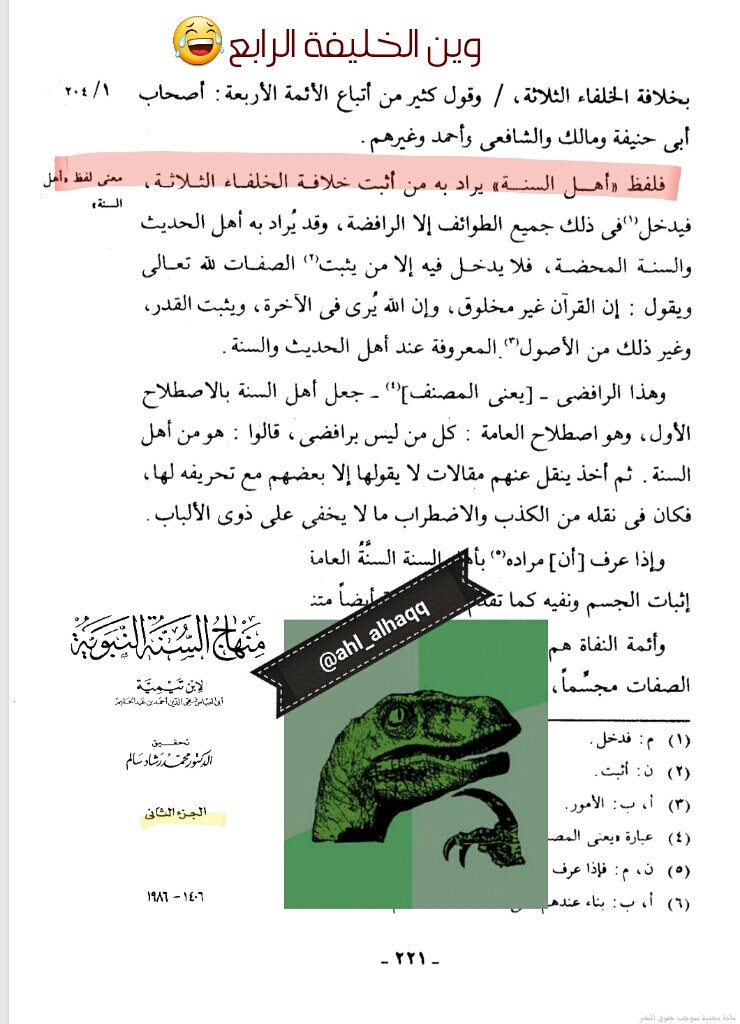
Your statement that the Ibadis lack chains of narration and so on is a methodological issue. Ibn Taymiyyah, your shaykh, says the Khawarij do not lie. Even if we differ with him about the name Khawarij, he says the Khawarij do not lie. So what need do we have for chains of narration if the Khawarij do not lie? If you want to verify the hadiths of the Khawarij, the hadiths of the Ibadis, you have something called “mutaba’at” and “shawahid” (follow-ups and supporting evidence). Refer to the book “Musnad al-Imam al-Rabi'”. We have an explanation called “Sharh Sahih al-Rabi'”. Imam al-Salimi explained it. In every hadith, he mentions the “mutaba’at”, “shawahid”, and other such matters. Our methodology is that we do not mention these chains of narration. Omitting chains of narration is not a flaw; rather, it is the methodology of the Ibadis. This is a feature.
But what are we talking about? The “Taraddiyat.”
Regarding the “Dictionary of Sharia,” the text you showed in the introduction says that these “Taraddiyat” exist in the original book and were not added by scribes or investigators. Excellent. It says the author may not believe in them, but he takes them from their sources.
Okay, let me ask you a question, Brother Omar. What are the sources used by the author of the “Dictionary of Sharia”? Did you go to the introduction of the first volume and research which books he relies on? Most of the books he relies on are Ibadi books. All or most of the books he relies on are Ibadi books: “Bayan al-Shar'” and others. So the “Taraddiyat” are inevitably Ibadi “Taraddiyat,” whether he said them or not, whether he believed in them or not.
The other issue: “Al-Wala’ wal-Bara'” (Loyalty and Disavowal) with us Ibadis applies to a specific person. Therefore, they used to mention “so-and-so scholar” is the one who disavows. It applies to that specific person, not to all of us. The disavowal is excellent. Even if the group that was with him agrees, no problem. But the evidence that reached them about disavowing Imam Ali applies to them. We may consider them mistaken.
Excellent. We may consider them mistaken.
But now… I challenged you with two Tafsirs… Excellent. And I proved to you that the “Taraddi” in the “Dictionary of Sharia” is an Ibadi “Taraddi,” whether al-Sa’di believed in it or not. It is an Ibadi “Taraddi.”
Now, I want you to produce just one text, one text of “Taraddi” either in the Tafsir of Yahya ibn Salam or in the Tafsir of Ibn Abi Zaminayn. It is difficult for you to produce one text. I produce dozens of texts from this book that you criticize. This book that you say the Ibadis took its title… I bring you dozens of texts. But prove to me just one text, one text from the book of Yahya ibn Salam or from the book of Ibn Abi Zaminayn, no more. Excellent.
I will show some texts… Excellent… Alright… You can’t see these texts?
For example, here is a text on aqeedah. Go to “Al-Istiwa’.” Look at this text…
Take this. Pay attention.
Yes. Did Yahya ibn Salam interpret it? Or did Hud ibn Muhakkam al-Hawari interpret it? Alright.
He said: “The Most Merciful rose over the Throne (istawa).” Is the text clear? He said: “Istawaa… His command and power prevailed over His creation.” Excellent. If you search for this text in the book of Yahya ibn Salam… Although, look in which surah? Look in which surah? In Surat Ta-Ha. If you search for it in Yahya ibn Salam’s book, you will not find it. This is an addition by Hud ibn Muhakkam al-Hawari. Where did Hud ibn Muhakkam al-Hawari bring it from? Go ahead…
Where did al-Muhakkam al-Hawari bring it from? He brought it from “Al-Jami’ al-Sahih” of Imam al-Rabi’ ibn Habib, from the third century AH. Look at this from al-Rabi’: “His command and power prevailed over His creation.” This exact text does not exist with Yahya ibn Salam. But it exists here with al-Muhakkam al-Hawari.
Okay, so the issue of the “Taraddiyat,” Brother Omar, once again, I tell you that the “Taraddiyat” were added by Hud ibn Muhakkam al-Hawari. Even “Salla Allahu alayhi wa sallam” and “Alayhi wa alihi salam” which were added by the investigator or scribes. “Radhiya Allahu ‘anhu” is from the original book! There’s a mark, I don’t know if you noticed it or not.
Can you bring me… I’ll go with you… Can you bring me one “Taraddi” in Yahya ibn Salam’s book and say the scribes added it? Can you? One “Taraddi”! I demanded “Taraddiyat” from two Tafsirs. We Ibadis, when we enter debates… I have read three Tafsirs. I don’t say this unless I know that the only Tafsir that prays for mercy on Imam Ali among these three is this Tafsir.Yes? Excellent! Yes?
So, I demand… mostly in this battle, you bring one “Taraddi” from a Tafsir. If it’s not there, say it’s not there, and we’re done with this. Meaning, you are demanding one “Taraddi”? I demand one “Taraddi.” Why? Because he says the “Taraddiyat” in this book were taken from Yahya ibn Salam. Of course, before, he said “they took them from Yahya ibn Salam”…
Now he says… …because no one knows, professor. Go ahead. Okay, thank you.
Moderator:
Thank you. Brother Omar is also capable of interacting with these issues. Go ahead, Brother Omar.
Omar Al-Zahrani speaks:
Okay, if possible, could you share with me, may Allah bless you, this text that I requested?
Share, Dr. Muhammed. Share.
Yes, my dear brothers, “Uṣūl al-Sunnah” by Ibn Abi Zaminayn. He says about Ali ibn Abi Talib, “Radhiya Allahu ‘anhu.” He took it from… Ibn Abi Zaminayn took it, as he says… from the people of the methodology… they studied the methodology of Hud… “Ali ibn Abi Talib, Radhiya Allahu ‘anhu.” By the way, I brought you your request. I don’t know why you repeat it. Maybe you’ve run out of answers, by Allah, I don’t know. My dear brothers, the problem is in the next clip, he will respond to Dr. Asim. Listen…
“Shaykh al-Hadrami, author of ‘Al-Kawkab al-Duri,’ is not Ibadi because he prays for mercy on Imam Ali. Therefore, the author of the ‘Qamus’ (Dictionary) is also not Ibadi. Do not forget…
Yes, meaning he now used the author of the “Dictionary of Sharia” as evidence. Now, when we shocked him that the author of the “Dictionary of Sharia” actually disavows Ali, disavows Uthman, and disavows the companions, and says “disbelievers” and whatnot… By Allah, he definitely took it from an Ibadi book. By Allah, I don’t know from which Ibadi book he took it. But he took it from you. This is the response, my dear brother! This is not a response! This is not a response! He did not take it from you; rather, he found it in some Sunni source and took it and placed it there. Evidence is that he says “We disavow them”!
Of course, my dear brothers, he continues to throw words. I am paying attention, by Allah, to every word. He said: “Ha, by Allah, we don’t declare them disbelievers as they declare us disbelievers.” Look at the screen, my dear brothers. Dr. Muhammed, share with me, may Allah bless you.
Okay, my dear brothers, the book “Lubab al-Athar” by Sayyid Muhanna ibn Khalfan. It says: “Issue: About Shaykh Ahmad ibn Madad, may Allah have mercy on him. What do you say about all the other schools of thought besides the Ibadi? What do you say about them? Is it permissible to declare them mistaken and misguided? Is it permissible to curse them (Yal’anuhum)? Does the ablution of the one who does that break or not?” He said: “Yes, that is permissible. Curse them (Tal’anuhum)! And the ablution of the one who does that does not break, because he has spoken the truth.” The truth is that they are cursed! Accursed! You, O Sunnis, according to this man’s tongue! The correct and the truth is that all our opponents from other schools are, with us, perishing, innovators in religion, heretics, ungrateful disbelievers, hypocrites, oppressors. The Book of Allah and the Sunnah of His Messenger testify to that.
Whoever dies on other than the Ibadi religion is in the Fire, in Hell. With this we testify and declare our religion. Whoever doubts the Ibadi religion and claims the truth is in other than the Ibadi religion is, with us, an ungrateful disbeliever, a sinner, a hypocrite, a misguided innovator, an innovator in religion.
You don’t declare us disbelievers? By Allah, I wish you would declare us disbelievers rather than saying all this to us!
Also, in the book “Qawa’id al-Islam,” it says about disavowal (al-bara’ah) from whoever leaves the school of the people of truth. Not just takfir now… Take this calamity: Whoever leaves the school of the people of truth for the school of those in opposition, and allies with their Imams and disavows the Imams of the Muslims, it is obligatory upon the Muslims to hate him, be hostile to him, and remove his allegiance until he repents and returns to the Muslims. If he leaves the school of the Muslims, opposes them, criticizes their school, and finds fault with it, then his killing is permissible, his assassination by any means to cause his destruction and death.
Got it, dear teacher? Beware once again! Someone tells me, “You Salafis are takfiris, you Wahhabis are takfiris, you are blood-shedders”! No, I tell you this statement. It shouldn’t appear these days. I know this statement shouldn’t appear. But don’t accuse us of a disease that you yourselves suffer from. If you see this as a disease, then it is a life-ending matter.
It’s a camera, just a question, if you please. Why shouldn’t it appear now? What is the reason?
My dear brother, I tell you, now we are in a time of tolerance. What are they doing?
Moderator:
Sorry, transparency and clarity, Brother Omar.
Omar Al-Zahrani speaks:
No, no, I will tell you. Listen to me. Listen to me. What do they do? They go to old books from a certain period, a certain time when some boundaries (hudud) were not suspended, and they apply its rulings. They say, “Look, you have a book from 1000 years ago that says ‘kill’ so-and-so.” It’s not that we kill. Rather, this matter is referred to the ruler (Wali al-Amr), who considers it. There are conditions and prerequisites for seeking repentance (istitabah). They don’t read that. They just see the word “kill” – “Attack the Sunni! Kill the Sunni! Beat the Sunni!” The Sunni commands all this, and we are innocent and good, we don’t do anything. Meanwhile, the opposite is these books of theirs that are hidden in the bellies, no one sees them. And I tell you, we don’t show them. By Almighty Allah, I know the Ibadis are good people, there is goodness and blessing in them. I personally went to Oman, by Allah, I found the immigrant treated better than the citizen, with all manners and respect. But these books… I tell you, hide these books, it’s better.
Moderator:
Thank you, Brother Omar. Faithful transmission is required from you and Brother Muhammed. Faithful transmission. Brother Muhammed, go ahead. May Allah bless you, Brother Omar and Brother Muhammed.
Muhammed Al Rashidi speaks:
Brother Omar has left the topic of the debate several times now, several times, and goes far away from the challenge. You tell me the book “Al-Sunnah” by Ibn Abi Zaminayn. He abridged the Tafsir of Yahya ibn Salam in the book “Al-Sunnah” or in the Tafsir? Why can’t you bring one text from the Tafsir? One text of “Taraddi” from the Tafsir? You say, “Where did he take it from Yahya?” From the book “Al-Sunnah”?
How? From the book “Al-Sunnah”? He abridged the Tafsir of Yahya ibn Salam in another Tafsir. Why don’t you bring one text? We are done with this topic.
Let’s repeat it. You have this book, “Dictionary of Sharia,” “Al-Hawi” its wide ways. The introductions that Brother Omar went to… he went to the introduction of the volume, but he did not go to this book, which is the introduction to all the volumes. Here on page 376, you have the sources of the “Dictionary of Sharia.” He took these “Taraddiyat” and others from Ibadi books. You find that Ibadi books constitute more than 90%.
So how can you say that “Taraddi” was taken from a Sunni book? You have said this several times without evidence. You said this “Taraddi” they took from a Sunni book. To this moment, Brother Omar has no evidence that these “Taraddiyat” in the two books are taken from Sunni books.
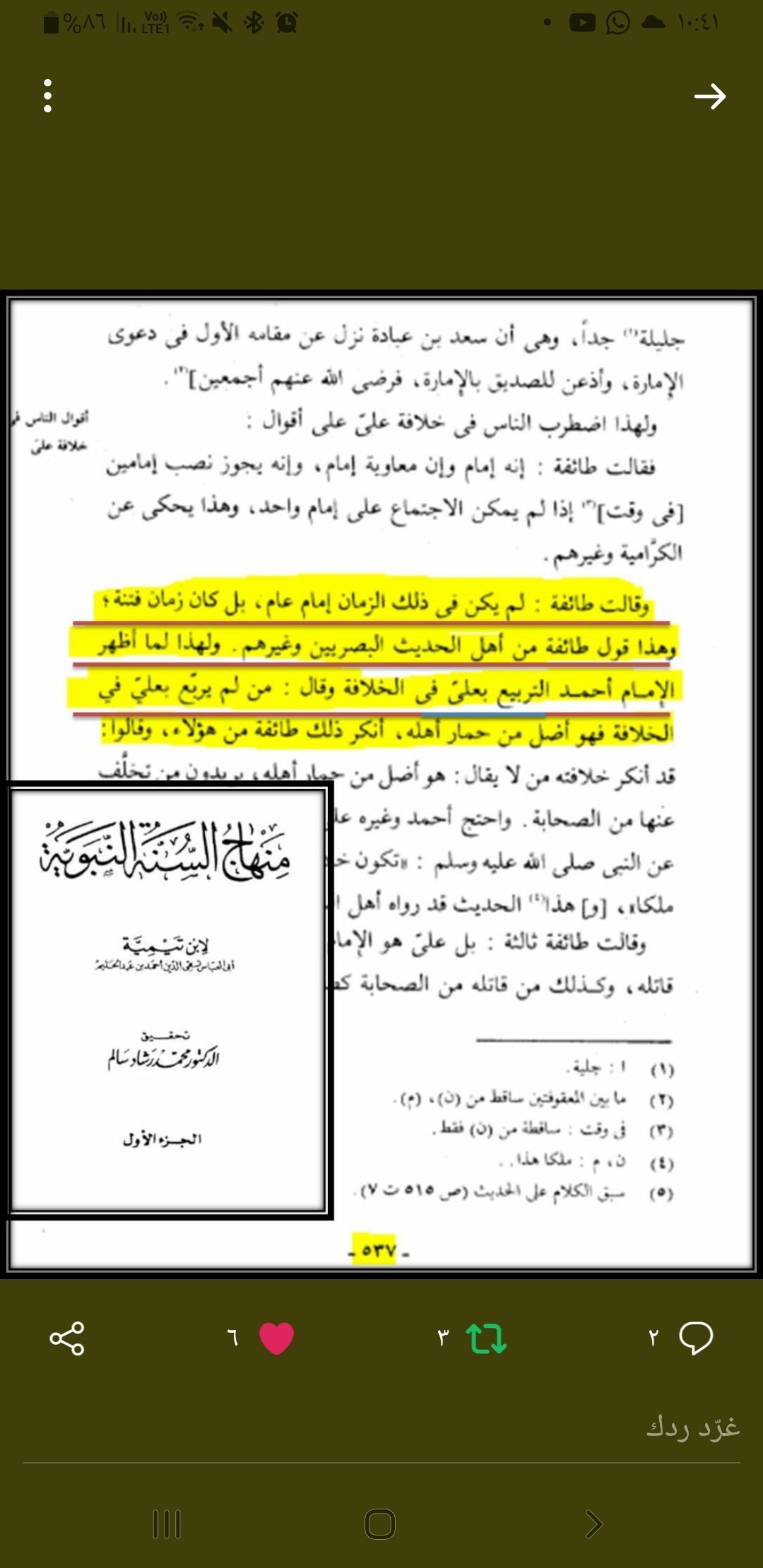
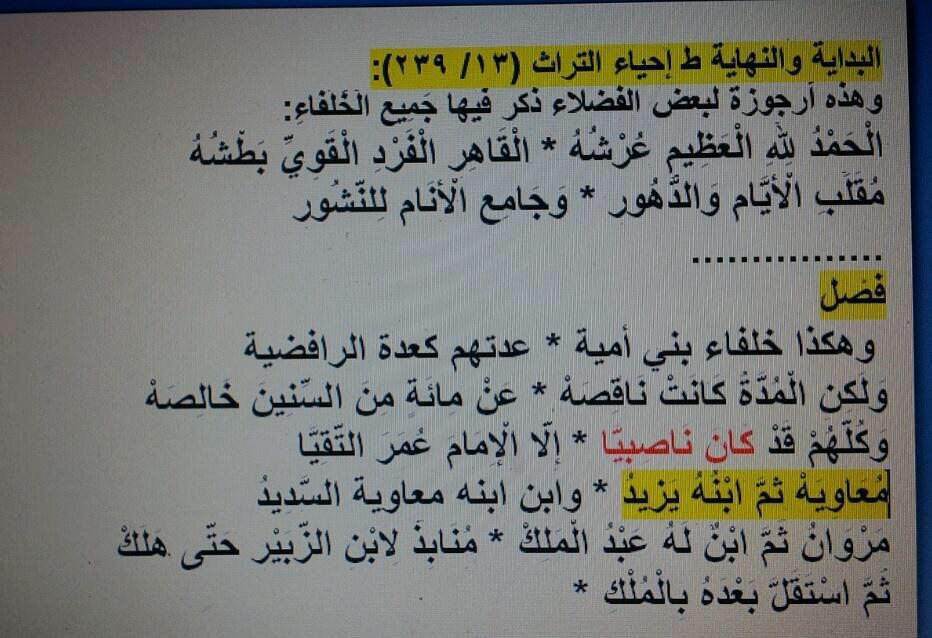
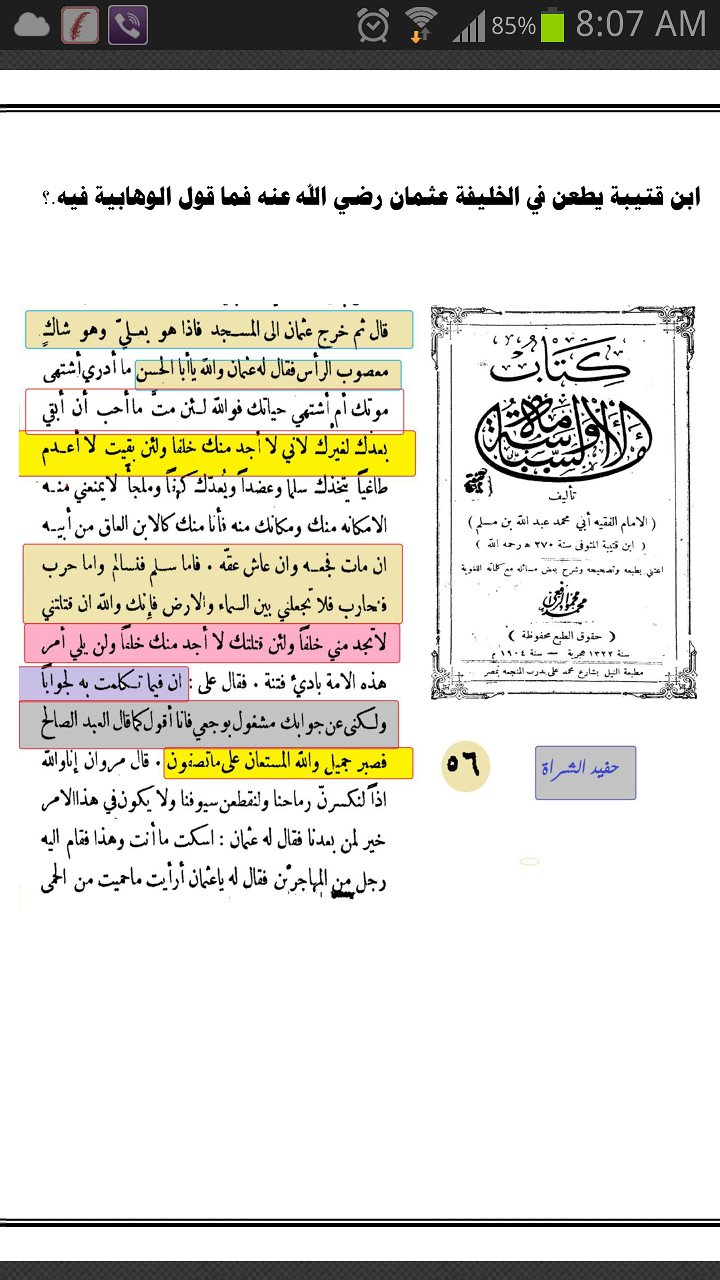
Now, the topic of the debate is this. I can now say, for example, Ibn Taymiyyah says the companions are disbelievers! Ibn Taymiyyah says the companions are disbelievers based on the Prophet’s hadith: “Do not return after me as disbelievers, striking the necks of one another.” Yes, he said it is a restricted designation, no problem. But he labeled them with the name “disbelievers,” did he not? He said they are disbelievers!
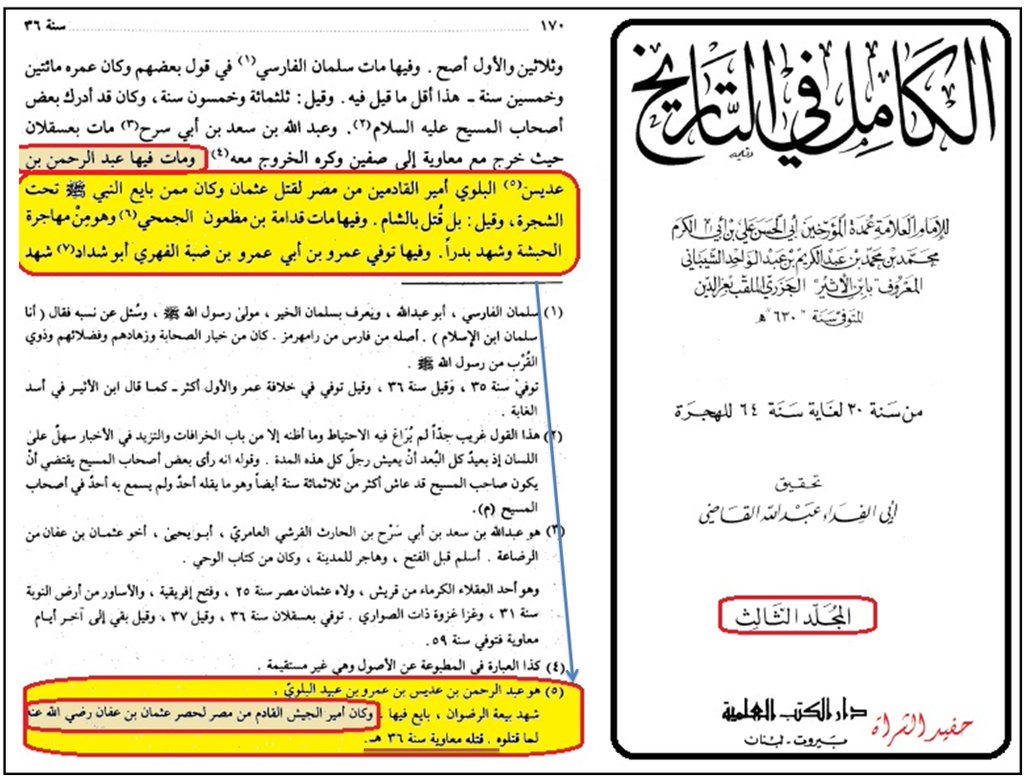
If I want to go away from these texts, I can bring you your takfir of the companions. The people of Nahrawan are not companions? I can bring you this. I can bring you those who besieged Uthman ibn Affan – they are not companions? I can bring you those who fought Imam Ali at the Battle of the Camel and others – they are not companions? I can bring you these texts, and we can discuss this. But what is our topic now? Our topic is this Tafsir and this book. I hope we don’t leave them, we don’t go out from them.
Brother Omar has not been able to prove that the “Taraddiyat” in the two books are Sunni “Taraddiyat” or that they took them from such. Alright, I have other texts once again. I do not leave the topic of research. Every time you leave, I bring you back to the same topic.
Look at these texts that Imam al-Hawari added to his Tafsir. For example, this text… So you don’t say he abridged. You said “abridged.” Pay attention, you said “abridged.” If he abridged and didn’t add anything, why are these texts here? For example, “The general statement of our jurists, Abu Ubaydah, etc.” This text… Search for it in the Tafsir of Yahya ibn Salam. Will you find it?
This other text… “And Abu Ubaydah said” – Abu Ubaydah here means Abu Ubaydah Muslim ibn Abi Karimah. Can you bring these texts from the Tafsir of Yahya ibn Salam? You cannot. Why? An addition by Hud ibn Muhakkam al-Hawari, whom you say the Ibadis only took the title of his book? If they only took the title and the Tafsir itself, then the Tafsir would be identical to the Tafsir of Yahya ibn Salam, wouldn’t it? The two Tafsirs would be presumed to be identical if they only changed the title, as you said. You said they changed the title. You said the “Taraddiyat” are not of Hud al-Muhakkam al-Hawari.
Okay, the viewers are waiting for one text… The book “Al-Sunnah”… Did Ibn Abi Zaminayn abridge in the book “Al-Sunnah”? He didn’t abridge it in the Tafsir, or he didn’t abridge it in the book “Al-Sunnah”? He abridged it in another Tafsir. Produce for us from that Tafsir, and produce for us from the Tafsir of Yahya ibn Salam one “Taraddi”! Difficult, very difficult. I now say to you, and I demand the same thing, I say to you, I have not left this topic. You haven’t been able to produce a single text of “Taraddi” from a complete Tafsir! There is no single text of “Taraddi”!
Alright, let’s say the investigator added it. Didn’t the investigator add it? Or didn’t the scribes add it? How is it that this Tafsir has dozens of texts of “Taraddi”? And they are from the original book? Yes. Alright.
Yes, okay.
Moderator:
Thank you, thank you, Brother Muhammed. In the next intervention for Brother Omar, then Brother Muhammed, the time will be three minutes. There will be obligations: each guest will ask one question. We are responsible for obligating the guest to answer the question. Thank you, Brother Muhammed. We move to Brother Omar. We have shared your screen. We see what you are also presenting. Brother Omar, go ahead.
Omar Al-Zahrani speaks:
Okay, my dear brothers, by Almighty Allah, I don’t know why the guest attacks me and says, “Why did you say it is an abridgment?” My dear brothers, a question: Did my mother, Um Omar al-Zahrani, say this Tafsir is an abridgment? No! Your scholars say that the Tafsir of Hud ibn Muhakkam al-Hawari is an abridgment! They said! He is biased! I challenge you! Challenge your scholars! Challenge your investigators, dear teacher, who said it is an abridgment!
“Mukhtasar” (abridged) – Meem, Kha, Ta, Sad, Ra – “Mukhtasar”! When I say it, by Allah, you have the right to tell me, “Omar, give me a page!” The cover page! The cover page!
Okay, and the cover page… It’s a complete Master’s thesis. Dr. Muhammed, share with me, please. This, my dear brothers, is “The Methodology of Hud ibn Muhakkam al-Hawari in Tafsir.” The People’s Democratic Republic of Algeria – because al-Hawari is there in Algeria, he’s not Omani.
It’s a complete Master’s thesis. Subhanallah, I read it in one day, finished all of it. This says it is an abridgment, and the investigator himself, the author of the book, says it’s an abridgment. So you… I don’t know why you attack me and get upset at me.
As for Ibn Taymiyyah declaring the companions disbelievers, etc… Where did Ibn Taymiyyah declare the companions disbelievers? Dr. Muhammed, share with me, may Allah bless you. My dear brothers, in the book “Majmu’ al-Fatawa” by Ibn Taymiyyah (may Allah have mercy on him), Ibn Taymiyyah was asked about what happened between the companions: Ali, Mu’awiyah, Talhah, and Aisha. Are they accountable for it or not? He answered: “It is proven by authentic texts that Uthman, Ali, Talhah, al-Zubayr, and ‘Aisha are among the people of Paradise.” May Allah bless you. That’s enough for me. “People of Paradise” means Muslims, their Islam is proven. Thank you.
On the other hand, what do we have, my dear brothers? What is the catastrophe we have on the other hand? Dr. Muhammed, sorry, share with me… Sorry to bother you… In the book “Dictionary of Sharia” which he used as evidence… What is the problem? I am not bringing another book. He brought it in his clip. He was shocked that the author of the book says: “We disavow after the Prophet the people of the Qibla who are the people of the Qibla. Uthman ibn Affan – we disavow them, we don’t want them. Ali ibn Abi Talib – we disavow him.” It’s not “Imam Ali” or anything. On the contrary, basically, I am sorry for the sermon you gave that day, the sermon of Imam Ali… You disavow him in your books! “And after the Prophet, we disavow the people of the Qibla: Uthman ibn Affan, Ali ibn Abi Talib, Talhah, al-Zubayr, Mu’awiyah, Amr ibn al-As, Abu Musa al-Ash’ari, and all who were satisfied with the arbitration of the two arbitrators, their followers, their supporters, and those who ally with them – upon their disbelief and their injustice.”
Oppressors! He tells you Ali ibn Abi Talib is an oppressor, from the people of innovation and followers of whims. And al-Kudami… By Allah, I challenge you to even say that al-Kudami is described as you described the Imam, or as they described the Imam. I challenge you, of course, I don’t say this, but by necessity, you say that al-Kudami is the disbeliever, the one who disavowed… you cannot say that. But what did al-Kudami say about the companions? He said: “Calling them disbelievers.” He said it clearly: “Calling them disbelievers.”
As for the issue… By Allah, since you brought it up, here you are. I obligate you by your own tongue. You said, “By Allah, we have… the one who explained ‘Musnad al-Rabi” is al-Salimi.” Look at what al-Salimi says in “Jawabat al-Imam al-Salimi.” The issue is well-known. You brought it to say he explains the ‘Musnad al-Rabi”. And about Ali ibn Abi Talib, look at what he says: “The issue is well-known among those who agree and those who disagree. However, those who disagree often make excuses for Ali while acknowledging the reality.”
We say, as we say, “We disavow Ali,” even though the reality is that Ali was wrong. Because his Imam, Abdullah ibn Wahb (who removed Ali), said to Ali: “Go away, we don’t want you.” This was after they removed Ali from the Imamate themselves. So the people of Nahrawan who fought Ali, who waged war against Ali, are the ones in the right (muhaqqun). And those who fought them are the ones in the wrong (mubtilun). Whoever understands this, it is obligatory upon them… and those who fought them means Ali, who fought the people of Nahrawan, is in the wrong. And he is not accused of otherwise. Likewise, disavowal of those who fought them is obligatory.
Who is al-Salimi? The al-Salimi you brought? Not me, by Allah, I didn’t bring him. The al-Salimi you brought! Moreover, al-Salimi says later… he tries to soften the expression a little. He says: “It is not from our religion to insult, nor from our school of thought to criticize. We have seen among the specific group (the Ibadis) and the general public (the Sunnis) that we have not seen anyone criticize those who passed, or insult, or curse. People are safe from that.”
Fine. Even if you don’t curse him… If he believes in the allegiance (walayah) of the people of Nahrawan and the disavowal (bara’ah) of those who fought them, fulfilling an obligation from Allah’s religion, without insult, obscenity, or condemnation… except for what occurred with Ibn al-Nadhar in his ‘Lamyyah’ poem. His intention (may Allah forgive him) was to show the truth, but anger for the sake of Allah led him to utter a curse. He started cursing and insulting Ali in his poem. May Allah forgive him. He cursed Ali ibn Abi Talib. May Allah forgive him. He said “May Allah curse him” in the poem. What was appropriate for the school of thought was to clarify who is right and who is wrong. You just say Ali was wrong, but don’t go and curse him. He went to extremes in his statement. What did he say in the poem? “That Ali is in the lowest depth (of Hell).” Ali ibn Abi Talib is in the lowest depth, Ali ibn Abi Talib is in Hell. This is from Ibn al-Nadhar.
I challenge you yourself to denounce Ibn al-Nadhar. But what does al-Salimi say? “May Allah forgive him.” “Allah forgive him, he cursed Ali…” “May Allah curse him”? “He insulted Ali ibn Abi Talib, may Allah forgive him.” He said Ali is in the Hellfire, in the lowest depth. “May Allah forgive him.” This is your al-Salimi that you brought!
Not me, “May Allah forgive him”…
Moderator:
Yes, yes. Okay, Brother Omar, I thank you. Brother Muhammed, we will start from now. You will take five minutes. In the last five minutes, you will ask Brother Omar a question, and he is obligated to answer it, and vice versa. Brother Muhammed, go ahead.
Muhammed Al Rashidi speaks:
Excellent. But, my teacher, we are Muslims according to their conditions. We stipulated not to leave the topic. Brother Omar, every statement he makes leaves the topic. Every round, he leaves the topic of the Tafsir of Imam al-Hawari and the “Dictionary of Sharia.” Almost every statement he makes leaves them. Excellent. So I hope Brother Omar adheres to the hadith of the Prophet (saw). And you, Brother Muhammed, also remind him. Excellent.
Let’s come back to the Tafsir again, Brother Omar. You say the scholars, our scholars, say it’s an abridgment. You yourself read the introduction. Let’s open the clip if…
Go ahead. This…Open this.Aha…Is the clip appearing? The reader assumes, like yourself… Yes.
That his statement is just audio. Yes, go ahead.
Moderator:
No, we can’t play a video. I can share a screenshot, a picture. Brother Muhammed, you can play the audio. You can let me hear the audio. You can play the audio without showing anything. No problem, we hear the audio if you want.
Muhammed Al Rashidi speaks:
No problem, no problem. I will state what Brother Omar says and he denies it. We will open this. He says that Brother Omar, after reading the introduction, says he discovered the texts are similar between the two Tafsirs after comparison. I tell you now: By comparison, I say the investigator is wrong.
By comparison, can you prove to me that the Tafsir of Hud ibn Muhakkam al-Hawari is an abridgment? This is one of the things you were mistaken about. You said it’s an abridgment once, and that he didn’t add anything. Then in the debate, you said he added what benefits him, what benefits the Ibadi school of thought. You said this in front of people. Third, you said the “Taraddiyat” are not his.
In this statement of yours, Brother Omar, you said the “Taraddiyat” are not his. How do you prove they are not his? You have two methods, one method: to bring these “Taraddiyat” from the Tafsir of Yahya ibn Salam. Can you bring these “Taraddiyat” from the texts that contain prayers for mercy on Imam Ali from the book of Yahya ibn Salam?
You will move to another topic. I know this. And you will not be able to bring texts that pray for mercy on Imam Ali from the Tafsir of Ibn Abi Zaminayn either. Excellent.
How much time is left? Excellent.
What I want to raise, as I told you, Brother Omar… Even the Tafsir of Ibn Abi Zaminayn is an incomplete Tafsir. You have two incomplete Tafsirs. If you want to go back to the original texts of Yahya ibn Salam’s book, you are dependent on the Ibadis. You need the Ibadis. The person who transmitted the most texts of Yahya ibn Salam are the Ibadis. This Tafsir is not less than others… The Tafsir of Ibn Abi Zaminayn is much more incomplete. This is what he said in the preface.
I will show the preface..I think…They don’t lie…
No, Take it out, take it out from my display, or the viewer will go back to it later. No problem. If it doesn’t appear on my screen… He said this in the preface, on page 117. He says in the preface: “I found a lot of repetition in it” – meaning what? The book of Yahya ibn Salam – “and hadiths that the science of Tafsir can do without. So the book became lengthy.” Then in the next line: “So I abridged its repetitions and some of its hadiths.” If you look at the Tafsir of Ibn Abi Zaminayn, it’s a very severe abridgment. There’s no… I mean, there’s no… Even the “Taraddiyat” are not present. Excellent.
Now, what we obligate you with, Brother Omar… We obligate you to either bring a text… We want to finish this issue so we can move to other things you raised. Either you bring a text with “Taraddi” from the two Tafsirs. I gave you two, not one. I made it very easy for you. One text from two Tafsirs! Okay, or admit and say it does not exist. Yahya ibn Salam did not pray for mercy. This is what we want. Go ahead…
Moderator:
Doctor…Okay, Brother Muhammed. Sorry, Brother Omar, this is one. The formulation of your question again, in a sentence, Brother Muhammed.
Muhammed Al Rashidi speaks:
I say to Brother Omar: Are there “Taraddiyat” in the Tafsir of Yahya ibn Salam and in the book of Ibn Abi Zaminayn? The two Tafsirs, don’t bring the book “Al-Sunnah”. The two Tafsirs. Are there “Taraddiyat” in them? If there are, then show us one “Taraddi” from the two Tafsirs. Just one from the two Tafsirs. I show you dozens of texts. I want one from the two Tafsirs. Just one. Go ahead.
Moderator:
Thank you, Brother Muhammed. Brother Omar, you have five minutes to answer the question, and you continue. At the end of your intervention, you will ask your question. Go ahead.
Omar Al-Zahrani speaks:
I’m ready, Dr. Muhammed. But could you share with me and be there? If you don’t mind, just share this text for me… Yes, Dr. Muhammed. Sorry, I apologize. Could you just read this word for me? “Ali ibn Abi Talib”… what? It’s very far away. Enlarge the picture on your end.
The words…”Ali ibn Abi Talib”… what? It’s not clear.
Muhammed Al Rashidi speaks:
This is not the Tafsir. It’s a book.
Omar Al-Zahrani speaks:
La ilaha illa Allah.
“Radhiya Allahu ‘anhu” also.
O Ali, “Radhiya Allahu ‘anhu” for Ibn Abi Zaminayn. In “Al-Sunnah”? In Shia? In Tafsir? This is not my question. You asked for the “Taraddi.” I brought you the “Taraddi” from the same scholar. I didn’t change my word. From Ibn Abi Zaminayn. You tell me “in another book”. Since when am I committed to one book just so you can obligate me with something I am not committed to?
My teacher, now, Professor Muhammed, this is my time. Did you see? The first one who started changing the conditions is you! Then he accuses me of not adhering to the condition. We agreed not to interrupt during the time. He started interrupting me. Then, by Almighty Allah, it’s a catastrophe. He says, “We have Imam al-Salimi, he explained such and such.” Yes, Imam al-Salimi is good. Why, when I respond to him from Imam al-Salimi, he says “this is leaving the topic”? By Allah, this is not leaving the topic. I obligate you with the scholar you brought yourself. Do you understand, good people? So it’s not reasonable that I respond 1000 times, then he comes back and asks me the same question: “Ali, Radhiya Allahu ‘anhu” in the book “Uṣūl al-Sunnah” by Ibn Abi Zaminayn. You tell me, “I want from the Tafsir.” Sorry, respect… It’s not up to you. It exists in this book. Why do you obligate me? Because we don’t commit to it? It exists in this book.
The second issue: You will say we have additions. I know there are additions. I tell you there are additions.
9%? 95% of al-Hawari’s Tafsir is taken from the book of Yahya ibn Salam. You tell me there are additions. I know there are additions. I myself read earlier for you. I told you there are changes, omissions of some verses, some interpretations that do not benefit his school of thought, as I said from the beginning. So it’s not reasonable that I say something and he repeats it. Catastrophe, by Almighty Allah, catastrophe.
Okay, and every time I give him something, he doesn’t respond to it.
Dr. Muhammed, you are present, Allah willing, or not? Look at the agreement, Dr. Muhammed, before we started the stream. Didn’t the guest himself say we will talk about the “Taraddi” on Imam Ali? Didn’t he say this, Dr. Muhammed? Sorry…
Dr. Muhammed… Dr. Muhammed is the channel owner.
Moderator:
Yes, he pointed out, yes, he pointed this out, may Allah
Omar Al-Zahrani speaks:
Excellent! Did you see, my dear brothers? The one he accuses of fleeing and leaving the topic… we agreed on this. So now, when I talk and give him from other books, I have the right, by the way, to use any book as evidence. Nevertheless, I commit to bringing from the books you bring. The topic of “Taraddi” you requested… I swear by Allah that in the introduction, and with the clear admission just now… he said “we talk about ‘Taraddi’ on Imam Ali.” When we talk about “Taraddi”, he says “this is not our topic, you left the topic”. I did not leave the topic. I am speaking directly about the topic, which is “Taraddi”! Got it? When is it considered leaving the topic? Okay, my dear brothers, may Allah bless you. Look at the screen. I will talk about the topic which is “Taraddi on Imam Ali”.
Moderator:
Yes, but Brother Omar, I will add time for you, don’t worry. But the topic of “Taraddi” was an integral part of the main title, not the primary title. Correct?
Go ahead.
Omar Al-Zahrani speaks:
Excellent, and that’s what I brought. I brought the “Taraddi” and explained the words of the scholars. The problem is the words of the investigators… he doesn’t accept them. I bring him from… where should I bring from? Should my mother speak? Should my father speak? He starts explaining. Not reasonable, my dear brother. I bring him from his own investigators, he doesn’t accept. Master’s theses, he doesn’t accept. Who should I bring to explain to him? He says “this is refinement, this is not refinement”. No one from your side said it’s refinement. You said it’s refinement. Your investigators, what do they say? The investigators say it’s an abridgment. The researchers, Masters, a Master’s thesis on his biography, they say abridgment. So what should I do for you? Is there a problem? I give him from books, he doesn’t accept. He says the investigator made a mistake. I challenge you to show me one mistake the investigator made. You are the first one mistaken about him. If it wasn’t for this, by the way, I read the biography of this investigator from the beginning. The poor man died, his back was bent from how much he sat to compile for you. I saw the manuscripts myself. His eyes were exhausted. This poor man came to verify your books for you. At the end of it, you coldly say “the investigator made mistakes”. No, the investigator did not make a mistake. If it wasn’t for this investigator, al-Sharifi, you wouldn’t have al-Hawari’s Tafsir! He said, “By Allah, I found it after 1100 years, I don’t know where it was thrown away, in the ‘Kabt’? We found scattered manuscripts, brought them together, compiled the book.” This is what he says, by Allah, in the introduction. All this is present.
Okay, now, my dear brothers, on the topic of “Taraddi on Imam Ali”…
Dr. Muhammed, share with me, may Allah bless you.
Dr. Muhammed, share, please.
Okay, my dear brothers, may Allah reward you. Look at the screen. He says in “Al-Siyar wal-Jawabat” for the scholars and Imams of Oman, Volume 2: “We said to them: Likewise, Allah commanded Ali to fight them, so it is not permissible for him to abandon that nor to consider it forbidden to kill them until they fulfill the command of Allah.” This is evidence of the disbelief and misguidance of Ali, and the correctness and justice of the people of Nahrawan. “Then Ali (Allah scattered his command) was killed by Abd al-Rahman ibn Muljam out of anger for Allah, and that was permissible for him because he killed him.” Allah! “Those who command justice from the people. May Allah have mercy on Abd al-Rahman” – not Abd al-Rahman, son of my uncle, no – “May Allah have mercy on Abd al-Rahman ibn Muljam. Yes, may Allah have mercy on Abd al-Rahman ibn Muljam, the killer of Ali!” Did you see? Did you see this? This is what you have! “May Allah have mercy on Abd al-Rahman ibn Muljam who killed Ali.” So, clarify for us…
Moderator:
Thank you, Brother Omar. Where is your question? Your question?
Omar Al-Zahrani speaks:
This is my question. The author of the “Dictionary of Sharia”: does he disavow Ali ibn Abi Talib or not? A clear question. I want a clear answer.
Moderator:
Thank you, Brother Muhammed. Go ahead.
Muhammed Al Rashidi speaks:
My dear teacher, first, I think you remember that what I requested from him was a “Taraddi” from the two Tafsirs. You, Professor Muhammed, did not obligate him for this. Sorry. I requested a “Taraddi” from the two Tafsirs. I did not request from the book “Al-Sunnah”. Why did I request from the two Tafsirs? To prove that this book, Hud ibn Muhakkam al-Hawari, is the one who prayed for mercy. You bring me from the book “Al-Sunnah”? He abridged it in the Tafsir, not in “Al-Sunnah”!
I say to you, this “Taraddi” here… this “Taraddi” here is the original, not the Tafsir of Yahya ibn Salam. This is the first thing.
Secondly, you contradict yourself. You say al-Muhakkam added additions, then you say it is an abridgment. How can it be an abridgment if he adds things? Addition is called refinement! Addition, arrangement, and comments are called refinement. You are contradicting yourself now.
Leave this. You have not been able to bring a single “Taraddi” from the two Tafsirs. I hope you obligate this. You say I am the first person who opposed the conditions. Brother Omar, you leave the topic every time. How am I the first person to oppose the conditions? Likewise, you go to other books to lead us to other topics. I will answer the issue of the “Dictionary of Sharia.” I already answered you originally that “Al-Wala’ wal-Bara'” among the Ibadis applies to a specific person. It applies to a specific person. This is known to every Ibadi. If I disavow Imam Ali, this binds me alone. It does not bind the others. It does not bind you. It binds me alone. But if so-and-so, likewise Imam Ali, that binds him alone. This is all about “Al-Wala’ wal-Bara'” with us. Except, its allegiance and disavowal are realities with us… it has categories. That’s a completely different topic.
Therefore, our topic is this Tafsir. These are things you must study the books of the Ibadis and study “Al-Wala’ wal-Bara'” and other things before entering these topics, so you are aware of this. Don’t bring me texts, understand?
Now, this Tafsir… I tell you, this Tafsir and this book relied in its “Taraddi” on Ibadi books. You say it relied on Sunni books. We want… No problem. It relied on Sunni books. We want evidence that it relied on Sunni books. This you say… or that the “Taraddi” in it is a “Taraddi” of Yahya ibn Salam. No problem. Let’s say it’s a “Taraddi” of Yahya ibn Salam. But where is the evidence that it is a “Taraddi” of Yahya ibn Salam?
You say 95% of the Tafsir is taken from the Tafsir of Yahya ibn Salam. I tell you that only 22 surahs of Yahya ibn Salam’s Tafsir exist today! How are you going to prove this? You say things like this without being able to prove them, Brother Omar. I tell you: open Surat Al-Fatihah today in Yahya ibn Salam’s book so we can compare. You cannot. Why? Because it’s not there. That’s one.
The other issue: the texts he added – how can 95% be from Yahya ibn Salam’s book? The aqeedah, fiqh, and other additions, and the Tafsirs from al-Rabi’, etc. – where are these from? They are not from Yahya ibn Salam. So I hope you stay on topic with these two books.
Likewise, I mentioned Imam al-Salimi in response to you on the point about chains of transmission and the point that the investigator says this is a flaw in the Tafsir, but in reality, it is a feature for the Ibadis.
Beyond this, now… I remain on the same challenge because you haven’t answered it. Truthfully. We want one “Taraddi” from the two Tafsirs. I have other questions, other matters. But we want this. We want clarification. We want a statement that the “Taraddiyat” are original in this book. You bring me the book “Al-Sunnah” by Ibn Abi Zaminayn. What does the book “Al-Sunnah” have to do with it? Sorry, he abridged the Tafsir in another book called “Al-Tafsir”. Let’s open the Tafsir of Ibn Zaminayn. No problem. Or bring it out here, it would be clearer.
This is “Tafsir al-Quran al-Aziz”. I don’t know if it’s clear or not. “Tafsir al-Quran al-Aziz” by Ibn Abi Zaminayn. This book. Excellent. Bring out a “Taraddi” from it now. Two Tafsirs! I tell you two Tafsirs. You cannot bring me a single “Taraddi”. What does this mean? It means that the “Taraddi” was original in the book of Yahya ibn Salam. This is the challenge, my teacher.
Moderator:
Is this your question? And you built the challenge upon it. Brother Omar (he misspoke and meant brother Muhammed) wants a “Taraddi” from the two books he relies on.
Omar Al-Zahrani speaks:
My teacher, okay, if possible, enlarge me, may Allah bless you. My dear brothers, I tell you now: For example, this product exists in this supermarket. You go to another supermarket… Why? I tell you, the “Taraddi” exists in the book “Uṣūl al-Sunnah” by Ibn Abi Zaminayn – the same scholar, but in a different book! By Almighty Allah, it’s a catastrophe, my dear brother. It exists in that book! It’s a disaster, by Almighty Allah. How many times do we return and explain this? It exists in this book. No problem. It exists in any book. It exists in the book “Uṣūl al-Sunnah” by Ibn Abi Zaminayn. You tell me, “It doesn’t exist in the Tafsir.” That’s my least concern. Okay, let it exist in “Uṣūl al-Sunnah”. Your problem is you obligate us with an issue we don’t want. It doesn’t matter to me if it exists in “Uṣūl al-Sunnah” or in the Tafsir of Ibn Abi Zaminayn. In the end, it’s the same scholar himself, the same man, Ibn Abi Zaminayn. So this is exactly my point.
Okay, my dear brothers, let’s go back once again. My dear brothers, when he says the Tafsir of al-Hawari is an abridgment… Omar, do you get this statement from your pocket or from a book? You are reading, I tell you, by Allah, from a book! He says: “Today, and after more than years of investigation, comparison, and induction, I can say without hesitation that Shaykh Hud al-Hawari relied heavily, if not completely, on the Tafsir of Ibn Salam al-Basri.” He relied completely, fully, totally!
My dear brothers, I’ll spoil it from the beginning, by Almighty Allah. I came to give you this research: a person named Hud al-Hawari – you want it in Arabic – there is no person named Hud al-Hawari! Evidence for my statement… Enlarge me, please. In this source I presented, the book “The Methodology of Hud al-Hawari”, it says: “The second branch: His birth and death. The Ibadi sources, nor others, have not determined the century in which the Shaykh was born, nor the year of his death. It is not known when he was born, when he died, who he is. No one knows him.” Additionally, his travels and sheikhs: “His travels – where did he travel? And who are his shyookh? Did he leave his country in travels seeking knowledge? Who are his sheikhs whom he sat with and took from? The Ibadi sources have completely omitted talking about the travels of Hud al-Hawari and his sheikhs, except for his father. So his only sheikh was his father! They don’t have a dirham! Even the commentator Hud himself did not tell us about his academic life.”
Because no one knows! How did they get this book of Tafsir? Al-Sharifi from Algeria came. He said: “I found with us a manuscript from 1100 years ago. I took it, compiled it, wrote it.” A person named Hud al-Hawari – who is he? We don’t know. Then we find the investigator asserting that there is no trace of any mention of his shyookh in the Tafsir. He says: “I tried hard to find a reference to some of his shyookh within his Tafsir, but I did not come across any of them.” Talking about the travels of Hud and his shyookh is mere guesswork. This is the reality, brothers. No one knows him. He even says: “The Tafsir of Hud remained for more than 11 centuries, 1100 years, forgotten, obscure. It did not exist until scattered manuscripts appeared in some private libraries.” He found a manuscript in a library. “Come on, this is Tafsir.” Meanwhile, the Tafsir of Ahl al-Sunnah wal-Jama’ah… look where it exists! Look how they took it, researched it, and revised it! This is the issue.
Okay, my dear brothers, let’s go back to the topic of “Taraddi” which we agreed on from the beginning: “Taraddi” on Imam Ali. Basically, the whole issue revolves around “Taraddi” on Ali ibn Abi Talib.
Okay, “Al-Jawahir al-Muntaqa” by the scholar Abu al-Qasim ibn Ibrahim al-Baraddi. It says: “But Ali insisted on arbitration, so they left him and he left them. They disavowed him (bari’u minhu) and he disavowed them (tabarra’a minhum). Ali fought them – Ali fought the people of Nahrawan, meaning he fought them while they were ‘Hujjatullah’ (Allah’s proof).” Meaning the truth was with them, the truth was with those whom Ali fought. Oh, peace!
And in the book of Abu Sufyan Mahbub (may Allah be pleased with you): “I asked Abu Sufyan about the statement of the Muslims regarding Abd al-Rahman ibn Muljam. He said: ‘I have not heard anyone praise him nor criticize him, and nothing has reached me about him.’ I said: ‘Perhaps that is due to treachery…’ He said: ‘No, I have come across a biography attributed to Shaykh Abi al-Hasan al-Bisyawi.'” Not “al-Basyawi” – some say “al-Bisyawi” is a mistake, it’s “al-Bisyawi” with kasra. Do you know any of his students? Students of Ibn Barakah. Who is Ibn Barakah? Abdullah ibn Muhammed ibn Barakah, a scholar from the major scholars of the Ibadis, al-Zahrani. Yes. “In it, he mentions the Imams of the Muslims and their shyookh, and those who were people of ‘Al-Wala’ wal-Bara’. He explicitly states in it the disavowal (al-bara’ah) of Ali, disavows Ali, and the allegiance (walayah) to Abd al-Rahman ibn Muljam, and being pleased with him, and praying for mercy on him (tarahhum).” Meaning “May Allah have mercy on Ibn Muljam, and may Allah be pleased with him”, and disavows Ali ibn Abi Talib.
So, when we shocked him with the book “Dictionary of Sharia” (which I didn’t bring, he brought it), he said “this applies to him, not to us.” You used it as evidence, and now you say it applies to him? Oh, peace…
Moderator:
Yes, where is your question, Brother Omar?
Omar Al-Zahrani speaks:
This is the question, the second time. I want a clear answer, yes or no. Does Imam al-Salimi and the author of the “Dictionary of Sharia”, al-Sa’di – answer yes or no – do they pray for mercy on Imam Ali or do they disavow him, as individuals? I want this answer: yes, they pray for mercy, or no, they disavow? Clear.
Moderator:
Thank you, Brother Omar. Brother Muhammed, go ahead.
Muhammed Al Rashidi speaks:
Professor Muhammed, remind me of the title of the debate, if you please. Remind me of the title of the debate, Professor Muhammed.
I think the “Taraddiyat” we are requesting in this debate are related to…
Moderator:
I said, kind sir, I said and pointed out, I said that “Taraddi” was an integral part of the main title, not the primary title.
Muhammed Al Rashidi speaks:
Thank you, may Allah reward you. This is a clear, good admission that Brother Omar leaves the topics and goes to other books, and this is not the topic of the debate. My topic is to prove that the “Taraddiyat” in these two books are original “Taraddiyat” for the authors of the two books. This is my topic today. I came for this.
You go and talk about “bara’ah” (disavowal) and such. What do I care? Prove to me that the authors of these two books do not pray for mercy. That’s it. Excellent. You go and talk about the book “Al-Sunnah”. I ask you: what is the origin of this book? Is it not the Tafsir of Yahya ibn Salam? Yahya ibn Salam. If you want to say that this “Taraddi” text is originally from Yahya ibn Salam, how do you say that? You go and bring this text from the Tafsir of Yahya ibn Salam. Very simple. Very simple. I bring texts from the Tafsir of Yahya ibn Salam and from the Tafsir of Hud ibn Muhakkam al-Hawari. He prays for mercy. Let’s open the text again, please.
Let’s open the text again. This text you opened and used as evidence. This… Go ahead…
Excellent. This text in the two Tafsirs. Yahya ibn Salam… Look at the scientific matter. Look at the scientific comparison like this. You compare. You have two books. The same text. The text exists in the book of Yahya ibn Salam. It exists in the “Tafsir Kitab Allah al-Aziz” of al-Muhakkam al-Hawari, Hud ibn Muhakkam al-Hawari. He prays for mercy. Yahya ibn Salam did not pray for mercy. This is the comparison. We came for these two books, for these two books. This text is clear in Surat An-Nur. Search for them. I have many other texts.
You mention the book “Al-Sunnah”. Is the origin of the book “Al-Sunnah” the book of Yahya ibn Salam? No. The Tafsir! May Allah bless you. The Tafsir book! Bring me a text from the two Tafsirs. You mention Ibn Barakah and Imam al-Salimi, and this is not the debate. Stay on the topic of the debate. You have run out of arguments. You have nothing to say about these two books that we came to debate about, these two books.
I can, by the way, answer all the questions, everything you raised with texts. I can answer you starting from the topic of “Al-Wala’ wal-Bara'”. No problem. Do you want us to stay on the topic of “Al-Wala’ wal-Bara'” today, open the books of the Ibadis on “Al-Wala’ wal-Bara'”, and explain the conditions of “Al-Wala’ wal-Bara'” to understand these texts? No problem. Even if it leads to another discussion, I have no problem. But what is the title of the debate, Professor Muhammed? Please remind us.
Professor Muhammed?
These two Tafsirs, the topic of the debate, and the “Taraddi” within them. You say the topic of the debate is “Taraddi”. Yes, in “Taraddi”. But in these two books! Prove to us that the “Taraddi” is not from the original books! It’s a difficult topic. It seems very difficult. I think Professor Muhammed disconnected…
Moderator:
Okay. Now, Brother Muhammed, from my point of view, if the books you have confirm this “Taraddi”, you have confirmed this matter, sir.
Muhammed Al Rashidi speaks:
I indeed confirmed it. I presented texts of “Taraddi” from this book and from this book. Brother Omar says the “Taraddiyat” in these two books – his argument is that they are not from the original book or the author does not believe in them. That’s what he said. Excellent. That’s what he said. I came to this debate for this topic.
Yes.
Can he prove that the “Taraddiyat” are not Ibadi “Taraddiyat”? Starting with the Tafsir. I was generous and gave him two Tafsirs.
Yes.
Tafsir, Tafsir.
Moderator:
Yes, your message is taken. Okay, I always say something, and the “Facts of Religions” channel says… Brother Muhammed, Brother Omar knows this: the data being presented now… the respected viewers who have a right on the program and a right on you… let them choose. The debate is clear, and the presentation is clear. But between this and that, there must be a dialectic component. I won’t start it now. Sorry, Brother Omar will take an intervention, and Brother Muhammad will take an intervention. Then there will be a dialectic segment. This segment is vital for the viewer. Afterwards, we will leave the judgment to the Lord of the Worlds. Go ahead, Brother Omar.
Omar Al-Zahrani speaks:
Dr. Muhammed, before I take my turn, a question. The thing that Brother Muhammad al-Rashidi wants from me: to give him one “Taraddi” from the Tafsir of Yahya ibn Salam. If I bring it, have I answered the question? Correct?
Moderator:
Professor, I will allow you to interact with… I will stop the timer now. A procedural point. Because what he must answer, he must answer. Go ahead, interact with him.
Muhammed Al Rashidi speaks:
My teacher, to be clear, to be clear: What does Brother Omar say? He says the “Taraddiyat” in this book are “Taraddiyat” of Yahya ibn Salam, not “Taraddiyat” of Hud al-Muhakkam al-Hawari. Excellent? Excellent! Now, bring us a text from here and from here so we can compare. Or to say this, for your statement to be complete, the book must be complete. But I obligate you to only what exists in Yahya ibn Salam’s book, 22 surahs.
Omar Al-Zahrani speaks:
The question is clear. If I bring a “Taraddi” on Ali ibn Abi Talib from the Tafsir of Yahya ibn Salam, then I have answered your question.
Muhammed Al Rashidi speaks:
Yahya ibn Salam’s Tafsir or Ibn Abi Zamin’s.
Omar Al-Zahrani speaks:
Excellent. If I bring it, I have answered your question. You won’t repeat the question.
Okay, Dr. Muhammed…
Another thing…
Just before this, another thing. But I answered you now. My dear brothers…
Tafsir…Yahya ibn Salam. From the very first debate, I challenged. Yahya ibn Salam. Part 1, page 241. “And Abu Al-Ash’ath narrated to me from Abu Ishaq al-Hamdani, he said: I heard Ali ibn Abi Talib, may Allah be pleased with him…” Spare me! From where? From the Tafsir of Yahya ibn Salam! I wanted to drag you, drag you, drag you, so I could know that I will answer you in the end. Did you see, my dear brothers? I fled the topic? No, I returned to the topic. I brought your request precisely. “Ali ibn Abi Talib, Radhiya Allahu ‘anhu” – from the same book! By Allah, are we being fair or not? By Allah, fair.
Okay, my dear brothers, now that I have answered his question, I have the right to use my rocket launcher now. My dear brothers, Dr. Muhammed, share with me, may Allah bless you, so we can read these texts. Okay.
My dear brothers, in the book “Sharh Kitab al-Nil wa Shifa’ al-Alil” by Muhammed ibn Yusuf al-Tayyish (an Algerian scholar, but Ibadi). “According to the effect, no one is appointed to the Imamate except one for whom the Muslim scholars have concluded and whose Imamate was valid. Umar ibn Abd al-Aziz (his Imamate was valid) due to the correctness of his conduct, but the Muslims did not appoint him because they did not put him forward, it is said. What is well-known is that they did not appoint him because he did not disavow Uthman.” Disavowal of Uthman! Beautiful!
“Al-Siyar wal-Jawabat” – we read it earlier.
“Al-‘Uqud al-Fiddiyyah fi Usul al-Ibadi” by al-Harithi. It says: “The answer: In the name of Allah, the Most Gracious, the Most Merciful. From Abdullah ibn Wahb al-Rasibi, who removed Ali, and Zayd ibn Hisn (or Husayn), and those with them from the Muslims, to Ali ibn Abi Talib: Peace be upon whoever follows the guidance. We praise Allah besides whom there is no deity. To proceed: Your letter has reached us, mentioning that the two arbitrators discarded the Book of Allah and judged by other than what Allah revealed. We have known, praise be to Allah, that their matter was contrary to the truth from the beginning. By appointing them as arbitrators, you committed a greater crime than both of them, O Ali! You, when you appointed them, your crime is greater. If you are truthful, then enter into what the Muslims have entered in obedience to Allah and His Messenger… And who? …Not your Imamate. The Imam of the Muslims is Abdullah ibn Wahb al-Rasibi.” He became the Imam of the Muslims. He removed Ali and put himself in place. “We have pledged allegiance to him after we removed you, O you who are removed (ya makhlu’), because you deserved to be removed by us. It is not possible for us to do otherwise. You must be removed. And peace be upon you.”
Al-Qutb Muhammed ibn Yusuf al-Jaza’iri, the Ibadi, one of the verifying scholars, said: “If you say, ‘Why do they not accept his repentance and return him as an Imam?’ I say: He insisted on arbitration, appeased Mu’awiyah, commanded what is false, refused to repent, repented but broke his promise as mentioned, continued breaking the promise, deserved removal, rather he removed himself, so it was permissible to appoint someone else.”
As for the claim of repentance… They say Ali repented. He claimed repentance after the appointment of Abdullah ibn Wahb. Meaning he claimed repentance after they appointed Abdullah ibn Wahb. So it’s too late.
These books… Okay.
Also, we read the “Dictionary of Sharia”: “And after the Prophet, we disavow the people of the Qibla: Uthman ibn Affan and Ali ibn Abi Talib – we disavow him, Ali ibn Abi Talib…” Why? Because they are upon disbelief and injustice, from the people of innovation and followers of whims. And al-Kudami, what does he say? “We agree with them on the disavowal of those named, calling them disbelievers.” Disbelievers! Who is the disbeliever? Uthman ibn Affan, Ali ibn Abi Talib, Talhah, al-Zubayr, Mu’awiyah, Amr ibn al-As, Abu Musa al-Ash’ari, and all who were satisfied with the arbitration of the two arbitrators and abandoned the judgment of Allah.
The issue is over. So, your takfir of us – we brought it. Your call to kill us – naturally, from your Ibadi books. I’m not saying this represents every Ibadi, no. It exists in your books. I criticize it.
Moderator:
What do you mean “your call to kill us,” Brother Omar?
Omar Al-Zahrani speaks:
It’s a problem. He threw the word. I didn’t start it with him. He threw it. He said, “We don’t label you as you label us, declaring us disbelievers, etc.” Declare us disbelievers or not, O good people? The answer is they declared us disbelievers. Okay. Evidence for this statement is that they declared us disbelievers. Let’s look at the screen.
Okay, if possible, share, Dr. Muhammed.
Okay.
The book “Lubab al-Athar”: “Issue: About Shaykh Ahmad ibn Madad. What do you say about all the other schools of thought, everyone other than the Ibadi school? What do you say about them? Is it permissible to declare them mistaken and misguided? Is it permissible to curse them (Yal’anuhum)? And ablution does not break for the one who does that…”
Moderator:
Sorry, sorry, the phrase says… “Yal’anuhum”? It says… Go back, the phrase again. It doesn’t say “Yal’anuhum”, my teacher. Where did you get “Yal’anuhum” from?Wait, wait. Amanat al-naql (Faithful transmission). “Yal’anuhum” – what does it mean? The correct is “Yal’anuhum” (they curse them).
Omar Al-Zahrani speaks:
I don’t know, what is the phrase?
Moderator:
A moment. Ask me “curse”. Tell me, where is the curse? Mistake and misguidance… and now see the catastrophe. Okay, I say there is no curse.
Omar Al-Zahrani speaks:
Yes, “It is permissible. For he has spoken the truth, the correct, and the honest. Because all our opponents from other schools are, with us, perishing.” Come on, not cursed? Perishing! “Innovators in religion, heretics, ungrateful disbelievers, hypocrites, oppressors. The Book of Allah and the Sunnah of His Messenger, and the consensus of the Muslims testify to that.” Okay. “Whoever dies on other than the Ibadi religion…” Where is he? Disneyland? No, he is in the Fire, certainly. With this we testify, not just statements… with this we testify and declare our religion. “Whoever doubts the Ibadi religion, if you doubt the Ibadis are wrong, and claims the truth is in other than the Ibadi religion, is, with us, an ungrateful disbeliever, a sinner, a hypocrite, a misguided innovator, an innovator in religion – doomed.”
Moderator:
We will stop here. Stop here. Thank you, Brother Omar. We will move quickly to Brother Muhammed, who is worthy of interacting with this data.
Muhammed Al Rashidi speaks:
May Allah reward you and thank you very much for this beautiful debate. But Brother Omar, where did you get that “Taraddi” from, may Allah bless you? Could you open the PDF of the book on the same page for us? I have read both books, read the Tafsirs, Brother Omar. I did not find a single “Taraddi”. Where did you bring this “Taraddi” from? This book… on the same page that Brother Omar opened, he mentioned “Ali ibn Abi Talib”. The PDF, I don’t know if it’s clear or not… Excellent. It exists. He did not pray for mercy on him. Here, on the same page, in the same hadith that Brother Omar showed… Where did you get that “Taraddi” from the Tafsir of Yahya ibn Salam? It’s okay. If you want to show now, in my time, the PDF and hack the book, no problem, I have no problem. Hack the PDF and show us this “Taraddi”. I know the two books. I know the Tafsir of Yahya ibn Salam and the Tafsir of Ibn Abi Zaminayn. There are no “Taraddiyat” in them. This “Taraddi” is new to me. I have not seen it before. Excellent.
The issues raised by Brother Omar, once again, I tell you, the debate is about these two books. Don’t drag me to another topic. The debate is about these two books. Any escape from these two books is considered weakness, considered an admission by you that they prayed for mercy on Imam Ali. We’re done. We’re done.
You talk about takfir… First, I did not say “you declare us disbelievers and we do not declare you disbelievers”. I did not say that. I said the Ibadis do not pass judgment on their opponent based on what their opponent has within them. Excellent. When you mentioned the statements of the Shia, I told you that the Ibadis… and that they declared us disbelievers… we do not declare them disbelievers except if those reasons occur. If those reasons occur, we declare them disbelievers. No problem. Excellent. But if those reasons do not occur… not just because they declared us disbelievers, we declare them disbelievers.
Likewise, unlike you, because you declare us disbelievers, we declare you disbelievers if those reasons occur. No problem. We declare you disbelievers. What is takfir? Is not takfir from Allah’s religion, Glorified and Exalted be He, if disbelief occurs? Is it not in Allah’s religion? No problem. So, we agree on this. We do not declare our opponent a disbeliever simply because our opponent declares us a disbeliever.
Once again, Brother Omar, where did you bring that “Taraddi” from? Honestly, I see this “Taraddi” for the first time. If you could, Brother Muhammed, stress this, so we can see this “Taraddi” in a PDF book, for example. Because this PDF I have does not have it, this website also does not have it, and Al-Shamilah does not have it.
Moderator:
Since the viewers have a right on you, and the channel has a right, there will be a dialectic segment now between you and the professor. Please, go ahead.
Muhammed Al Rashidi speaks:
Excellent.
Omar Al-Zahrani speaks:
Okay, my dear brothers, as I showed you in the editions… I tell you with all honesty, there are editions that pray for mercy on Ali, and there are editions that do not pray for mercy on Ali. So, I came now… No, please, I now obligate you in the same way… What did he do? No, no…
The dialectic, go ahead.
Yes.
Look, my dear brothers…
So as in the Tafsir of al-Hawari… Look, brothers, look how…
There are words in the editions where it says “The Messenger of Allah” and stops. In other editions, it says “Salla Allahu alayhi wa sallam”. So now, how do you prove to us that this is the words of the investigator or the words of the author of the book? The prayer upon the Prophet – is it the words of the investigator or the words of al-Hawari?
Muhammed Al Rashidi speaks:
Excellent. I talked about the prayer upon the Prophet, not the “Taraddi” on Imam Ali.
Omar Al-Zahrani speaks:
The prayer upon the Prophet is greater! The prayer upon the Prophet is greater!
PRIMA QUR’AN COMMMENTS:
Dear readers at this point in the debate there is lots of interruptions and the exchange is free flowing. We will try and break this down differently here.
Omar Al Zahrani: The debate about what? Just answer me this: “Salla Allahu alayhi wa sallam” – this addition is from whom?
Omar Al Zahrani: This addition is from whom? I will show you what you presented. I will show you what you presented on the debate account. I know what you presented. This prayer, this prayer is an addition by whom? You presented… The prayer is an addition by whom? We talked…
Omar Al Zahrani: Just answer. Explain to me. Why am I telling you? What do I have to do with the prayer? Because editions differ. You have editions that do not include the prayer, and you have editions that do include the prayer.
Omar Al Zahrani: So why, when you came to me… why, when you came to the “Taraddi”, are there editions that pray for mercy? Are there editions that pray for mercy? We showed, we showed. Go ahead. I gave you this text earlier.
Omar Al Zahrani: Go ahead, go ahead. Show it to us. Let’s see it.
Omar Al Zahrani: I gave you this text. Go ahead.
Omar Al Zahrani: This is the Tafsir of Yahya ibn Salam: “Ali ibn Abi Talib, Radhiya Allahu ‘anhu”?
Muhammed Al Rashidi: No, no, no. It’s the Tafsir of Hud ibn Muhakkam al-Hawari, not the Tafsir of Yahya ibn Salam.
Omar Al Zahrani: Now we’re back. Now we’re back. Yes, see how he couldn’t…
Omar Al Zahrani: Now it became… Now it became the Tafsir of…
Muhammed Al Rashidi: No, no. The prayer upon the Prophet – where did you bring it from? The prayer upon the Prophet – where did you bring it from? It’s not from the Tafsir…
Omar Al Zahrani: This is my question to you. I asked you. You brought it. Go ahead with it.
Omar Al Zahrani: May Allah bless you.
Omar Al Zahrani: This is my question. You turned the question back on me?
Muhammed Al Rashidi: No, no, I didn’t turn the question back on you. You… the prayer upon the Prophet…
Omar Al Zahrani: My teacher, may Allah bless you. The prayer upon the Prophet: the investigator says he added it.
Muhammed Al Rashidi: Wonderful. But from which book?
Omar Al Zahrani: How should I know? You have to ask the investigator. Not me.
Muhammed Al Rashidi: The investigator’s addition.
Muhammed Al Rashidi: From which book? Which book did you present where there is an investigator’s addition?
Muhammed Al Rashidi: Al-Hawari. Excellent. Then give us a text in the book of al-Hawari indicating that there are texts or editions that did not mention… You don’t bring me Yahya ibn Salam. This is the statement, Professor. He said “The Messenger of Allah”. He, the one who added it, he says to you in the margin: “An addition that is necessary,” he added it.
Omar Al Zahrani: Wonderful, excellent. I am with you on this. Now you say there are editions that include it and editions that don’t. I say to you: show me an edition of the “Tafsir Kitab Allah al-Aziz” that says “An addition that is necessary” – who added it? Understand? Not the author of the book. He says to you: “An addition that is necessary.”
Muhammed Al Rashidi: No problem, I’m with you. I talked about the “Taraddi”.
Omar Al Zahrani: Excellent. This statement – is it from the investigator or from the author of the book?
Muhammed Al Rashidi: What do I care, Brother Omar? What do I care?
Omar Al Zahrani: And what do I care? Okay, and what do I care? No, the debate is about what? The debate is about what? I use this to tell you that the existing “Taraddi” – you don’t know who prayed for mercy? This is the idea. The prayer upon the Prophet, I don’t know. The “Taraddi” – for whom?
Muhammed Al Rashidi: No, by Allah, I know. You can’t use an analogy. The “Taraddi” belongs to al-Muhakkam al-Hawari. Your evidence? My evidence is that Imam al-Muhakkam al-Hawari added the “Taraddi”. No, it exists. Subhanallah. I tell him: prove that Hud added it. He says evidence that Hud added it… He transfers evidence, the least evidence… The “Taraddi” does not exist in the book of Yahya ibn Salam, nor does it exist in the book of Ibn Abi Zaminayn. These two Tafsirs do not contain it. So, he added it.
Omar Al Zahrani: Does not exist? How did he add it? Do you have evidence?
Muhammed Al Rashidi: Evidence is that the investigator tells you… why did I use this phrase? The prayer on the Prophet…
Omar Al Zahrani: Excellent. The investigator said they added the prayer. Did the investigator say they added the “Taraddi”? I tell you: if they added the prayer, what makes you think they didn’t add the “Taraddi”?
Muhammed Al Rashidi: No, now you are relying on the statement of the investigator, aren’t you?
Omar Al Zahrani: Correct.
Muhammed Al Rashidi: You accepted the investigator’s statement originally?
Omar Al Zahrani: No, you rely on it, not me. You rely on it. Correct?
Muhammed Al Rashidi: From your books. Very natural, I mean. No, I ask you, Brother Omar. You rely on it, don’t you?
Omar Al Zahrani: Yes.
Muhammed Al Rashidi: Excellent. Give me a statement from the investigator where he says the scribes added the “Taraddi”. Go ahead. What’s this? You have to answer that, not me. How do you know this addition is from the scribes or not?
Omar Al Zahrani: You are returning the question to me? This is my question! The prayer… you don’t know who added it.
Muhammed Al Rashidi: Brother Omar, organizing the speech is better for the listener.
Omar Al Zahrani: Organization happens with time. Subhanallah. Ask… I say my statement and stay silent. My first questions I asked: Did al-Salimi disavow Ali?
Muhammed Al Rashidi: No, the debate is about what?
Omar Al Zahrani: You said “Taraddi” on Ali in the Kuwalis, and Dr. Muhammed admitted that this is a sub-title. From these two Tafsirs. Excellent. Sub-title, may Allah bless you. Among the branches: Did al-Salimi disavow Ali? “Taraddi” in these two books? Agreed. The second book, “Dictionary of Sharia”. Did the author of the book disavow Ali? These two? No. These two? No. Dr. Muhammed, share how… Dr. Muhammed, share, may Allah bless you, in the book “Dictionary of Sharia”. Or he meant “Taraddi”… “Taraddi”… both of them. “Dictionary of Sharia” when he said: “And after the Prophet, we disavow the people of the Qibla: Uthman and Ali…” Does he disavow or not?
Muhammed Al Rashidi: My teacher, the “Taraddi”… he says “disavowed” or not?
Omar Al Zahrani: Excellent. I will answer you, but you be quiet for a little while.
Muhammed Al Rashidi: I will be quiet for a little while.
Omar Al Zahrani: This book transmitted from other books. Excellent. This book, “Dictionary of Sharia”, transmitted from other books. These books it transmitted from are listed in the introduction. Excellent. All of them are Ibadi books. I say to you that the “Taraddiyat” in the two books are “Taraddiyat” of our companions.
Muhammed Al Rashidi: Agreed.
Omar Al Zahrani: When he said “And after the Prophet, we disavow Ali”… our companions…
Muhammed Al Rashidi: Agreed, by Allah, agreed. I am conceding to you. I am talking to you about the “Dictionary of Sharia”.
Omar Al Zahrani: This is the topic of the debate. Dr. Muhammed, don’t remove the share. Dr. Muhammed, understand his question: Did al-Sa’di, the author of the “Dictionary of Sharia”, say “we disavow Ali”? Yes, he transmitted that.
Muhammed Al Rashidi: He said “we disavow Ali”.
Omar Al Zahrani: He transmitted that. Yes.
Muhammed Al Rashidi: Transmitted from whom?
Omar Al Zahrani: Transmitted from our companions. Yes.
Muhammed Al Rashidi: Our companions disavowed Ali?
Omar Al Zahrani: Some of our companions, yes, disavowed Ali.
Muhammed Al Rashidi: Wait, wait. When I say “I disavow Ali”, how can I have transmitted from someone else?
Omar Al Zahrani: How does he say… man, the introduction, please. The introduction! You read the introduction, didn’t you? The introduction says… This is transmission, not a confession. Correct?
Muhammed Al Rashidi: You say yes.
Omar Al Zahrani: This is transmission, not an explicit confession from him. I tell you he transmitted. I tell you he transmitted, I don’t tell you he confessed.
Muhammed Al Rashidi: The disavowal… Does the author of the “Dictionary of Sharia” disavow Ali or not?
Omar Al Zahrani: I tell you: does he pray for mercy or does he not pray for mercy? I tell you, the “Taraddi” is useless! It’s the reason! He prays for mercy, okay? That’s it. He does not believe in it. How, man? “And we disavow Ali”!
Muhammed Al Rashidi: You first said… Let’s understand. Dr. Muhammed, share. My dear brothers, “Dictionary of Sharia” by al-Sa’di: “We declare allegiance to Abu Bakr al-Siddiq and Umar…”
Omar Al Zahrani: Where is Ali? Do they declare allegiance to Ali?
Muhammed Al Rashidi: No, but…
Omar Al Zahrani: A clear question: “We declare allegiance” – why did he not mention Ali ibn Abi Talib?
Muhammed Al Rashidi: What did I tell you? I told you, my brother, my answer is clear, explicit, very clear, very comfortable. I told you: transmitted from our companions. He transmitted. “We declare allegiance” – he sat and said “We declare allegiance to the Messenger of Allah, we declare allegiance to Abu Bakr…”
Omar Al Zahrani: Go to the introduction of this volume you have. Go to its introduction and see…
Muhammed Al Rashidi: Yes.
Omar Al Zahrani: Man, he says “We declare allegiance” (Nadinu), he doesn’t say “We declare allegiance” (Nadinu).
Muhammed Al Rashidi: By Almighty Allah, it’s correct. By Allah, your guardian, you, the first day, look at this text. You don’t know, by Almighty Allah, that this is his belief? Evidence…
Omar Al Zahrani: He said…
Muhammed Al Rashidi: By Allah, I swear by Almighty Allah that this is the belief of al-Sa’di! He is not transmitting from anyone. This is his belief with which he worships Allah.
Omar Al Zahrani: No, no, you said “I saw it for the first time.” Don’t change the subject. You said “I saw it for the first time.” I tell you that the “Taraddiyat”…
Omar Al Zahrani: The existing “Taraddiyat”… Professor, let’s finish this topic. Let’s stay on this topic. I will bring you, I promise I will bring you… Does he say “We declare allegiance” to Ali? He prays for mercy on him? Yes.
Muhammed Al Rashidi: No, he does not pray for mercy on him. This is not his belief at all. This is his belief! Man, if you open… Professor, my brother…
Omar Al Zahrani: Muhammed, I want to open a text.
Muhammed Al Rashidi: Man, professor, respected, when he said “and disavowal from those who killed him”…
Omar Al Zahrani: Who?
Muhammed Al Rashidi: Please, a minute, open this. You said he does not believe in it. He does not believe in the “Taraddi”? You are trying to confuse people, meaning.
Omar Al Zahrani: You are entering his intention! You say “he does not pray for mercy.” I say the investigator. The investigator is the one who says…
Muhammed Al Rashidi: That he does not believe in it. Yes, he said he does not believe in that “Taraddi”. Yes, he does not believe in the “Taraddi”. Come on, I’ll make you a Shaykh who says… the investigator, come on.
Muhammed Al Rashidi: Let’s open the text. A minute.
Omar Al Zahrani: This text is in front of me. A minute.
Muhammed Al Rashidi: Open it. Let’s read together. Please.
Omar Al Zahrani: In the name of Allah.
Muhammed Al Rashidi: Come on.
Omar Al Zahrani: From “Dictionary of Sharia”. Look at what it says.
Muhammed Al Rashidi: No, a minute.
Omar Al Zahrani: “He does not believe in these ‘Taraddiyat’.” The text.
Muhammed Al Rashidi: Please, if you would, open the text for us and see. They complete it to the end. I am with you. And of course, Brother Omar, I did not leave the topic of addition…
Omar Al Zahrani: The “Taraddi” addition.
Muhammed Al Rashidi: The problem is that this question I answered…
Omar Al Zahrani: A moment, just…
Muhammed Al Rashidi: If you would, open the text in the introduction.
Omar Al Zahrani: I will bring you the introduction. This is Dr. Muhammed. Share with me, please.
Omar Al Zahrani: Okay, this is “Dictionary of Sharia”.
Muhammed Al Rashidi: No, just read.
Omar Al Zahrani: The “Taraddi” on Ali: “He interpreted it as ‘Ali, Radhiya Allahu ‘anhu’.” Wait, wait, wait. I brought this from the very first intervention. I brought it from the first intervention.
Muhammed Al Rashidi: Complete, complete.
Omar Al Zahrani: What does it say in the introduction?
Omar Al Zahrani: “The words of Taraddi and Tarahhum were proven in the text as they appeared in the manuscripts.” Beautiful.
Omar Al Zahrani: “And no intervention was made in them, neither modification nor alteration.” Amen.
Muhammed Al Rashidi: Excellent.
Omar Al Zahrani: “Likewise, the author of the dictionary used to prove these words as he found them in their sources.” Agreed. “And this does not necessarily mean the author’s belief…”
Muhammed Al Rashidi: Complete.
Omar Al Zahrani: “…in that Taraddi or Tarahhum, because he was transmitting it as it appeared in its source.” Excellent. This is exactly what I said!
Muhammed Al Rashidi: Excellent. Now, how do we know the belief of al-Sa’di personally?
Omar Al Zahrani: By going back to his official statements.
Muhammed Al Rashidi: Dr. Muhammed, share with me when he said: “We declare the correctness (taswib) of the people of Nahrawan and disavowal (al-bara’ah) from those who killed them” – who killed them? Who is meant by the one who killed them?
Omar Al Zahrani: The statement is mine.
Muhammed Al Rashidi: Okay, so for me, who killed them?
Omar Al Zahrani: Okay, let’s talk about “Taraddi” first, since you raised the topic…
Muhammed Al Rashidi: La ilaha illa Allah. No, man, answer me: “and disavowal from those who killed them” – what is it? What is it? The debate is about “Taraddi”, isn’t it?
Muhammed Al Rashidi: By Allah, Muhammed al-Rashidi, by Almighty Allah, I tell you it. You mean, honestly, your clips, you just want to reach “Explorer” with them. This is your belief! This is your correct belief, the one that contains the disavowal of Ali.
Muhammed Al Rashidi: Who is the person who killed the people of Nahrawan? What is his name?
Omar Al Zahrani: I, Brother Omar… First, first, from “Dictionary of Sharia”. Before I go, you read in this introduction that “as it appeared in their sources” – what appeared in their sources? The books of the Ibadis are the source of this book, “Dictionary of Sharia”. Above 91 volumes! Excellent.
Omar Al Zahrani: 91 volumes are these Ibadi books. So, whatever the case, this “Taraddi” is an Ibadi “Taraddi”.
Omar Al Zahrani: First, second: The “Taraddi” in the book of Yahya ibn Salam and the book of Hud al-Muhakkam al-Hawari – we haven’t finished this, Brother Omar!
Omar Al Zahrani: Wonderful, wonderful! You just brought a “Taraddi” that doesn’t even exist in the manuscripts!
Omar Al Zahrani: Don’t try to go. Don’t try to go. Don’t try to go. We are still talking about “We declare the correctness of the people of Nahrawan”. Dr. Muhammed, share with me. “And disavowal from those who killed them” – who killed the people of Nahrawan?
Omar Al Zahrani: Go ahead.
Omar Al Zahrani: Who killed the people of Nahrawan?
Muhammed Al Rashidi: This text is in a book! Professor, man, man! “And disavowal from those who killed them” – who killed the people of Nahrawan?
Omar Al Zahrani: Brother Omar, Brother Omar…
Muhammed Al Rashidi: Have mercy on my mother, answer me! Who killed the people of Nahrawan?
Omar Al Zahrani: The “Taraddi” you brought from this book… Where is it?
Muhammed Al Rashidi: See, professor…
Omar Al Zahrani: Bring the mobile closer. Bring the mobile a little closer. Bring the mobile a little closer to the camera, Brother Muhammad. What is this display you are showing?
Muhammed Al Rashidi: Go ahead. A minute. This might be unclear. I will send it to the laptop. No problem. The text that Brother Omar brought in…
Omar Al Zahrani: Man, don’t try to go right or left. By Allah, I won’t leave you until you tell me: “disavowal from those who killed them” – who killed them?
Omar Al Zahrani: Who killed the people of Nahrawan?
Muhammed Al Rashidi: Professor Muhammed, he asked me now.
Omar Al Zahrani: Who killed the people of Nahrawan?
Muhammed Al Rashidi: Let me, Brother Muhammed, asked me, didn’t he? Let him ask.
[Moderator]: Yes. Let’s, Brother Omar. I apologize. Let me just… Let the brother present what he has so the viewer can see what he is using as evidence.
Omar Al Zahrani: Dr. Muhammed, you said there is an obligation to answer the question. Where is my question? This is my question: Ali ibn Abi Talib, when he said “We declare disavowal from those who killed them” – who killed them, Professor?
Muhammed Al Rashidi: And I also said the dialectic segment…
Omar Al Zahrani: He doesn’t want to answer! You didn’t obligate him!
Muhammed Al Rashidi: I obligated you. I brought you the answer. He is now turning it around. He is now saying “Where is the answer?”
Muhammed Al Rashidi: Where is the answer to “We declare disavowal from those who killed them”? Man, I told you there are editions that exist and editions that don’t, just like with al-Hawari you have editions that exist and editions that don’t.
Muhammed Al Rashidi: This statement of yours is not correct. Show me. Show me. Your statement is not correct.
Muhammed Al Rashidi: Dr. Muhammed, share with me. Share the PDF page.
Muhammed Al Rashidi: Dr. Muhammed, share, please. “From those who disavowed…” “From those who killed them” – who killed them? Who is the subject? Who?
Muhammed Al Rashidi: By Allah, you will not leave this topic yourself. The same book, “Dictionary of Sharia”, which you brought: “disavowal from those who killed them” – who killed them?
Muhammed Al Rashidi: Now, Brother Omar, who killed the people of Nahrawan?
Muhammed Al Rashidi: By Allah, if you try…
(Interruption)
Moderator: I apologize with your permission. Each guest will take two minutes because the dialectic segment is not disciplined. Theoretically, between question and answer, we wait about 10-15 seconds. Brother Muhammed, start your two minutes.
Muhammed Al Rashidi: Professor, now… my killer?…
Muhammed Al Rashidi: You said… you said to him… you didn’t answer my questions or my challenges, Brother Omar.
Moderator: Excellent, meaning he hasn’t answered.
Muhammed Al Rashidi: You brought a Taraddi from a website. I don’t know which website you brought it from. Open a PDF for us. I want to prove my theory or the truth that I believe: that the Taraddiyat exist only in this book. Open a PDF in front of the people. Let the people see it. Bring out that text containing the Taraddi. You said there are editions that contain the Taraddi and editions that don’t. Isn’t that right? Bring out the edition that contains the Taraddi. Here is a PDF. Go ahead. This is simple, very simple. I am clear, simple, and very lenient with you. Go ahead.
Omar Al Zahrani: Thank you for your leniency. I, my dear brothers, am very clear. When I ask…
Moderator: Okay, my dear brothers. Dr. Muhammed, share, please. Two minutes, my dear brothers.
Omar Al Zahrani: When he said “We declare the correctness of the people of Nahrawan and disavowal from those who killed them” – who, my dear brothers, killed the people of Nahrawan? Who is this who crushed the people of Nahrawan? Who is this who destroyed the people of Nahrawan? He is the Commander of the Faithful, Ali ibn Abi Talib!
Omar Al Zahrani: What are they doing? They declare him correct (yusawwibunahu)! Who fought Ali? In which book? In the same book he brought, the one he wants to debate about! It says: “We declare the correctness of the people of Nahrawan.” Moreover, the author of the book himself says: “We disavow after the Prophet the people of the Qibla: Uthman ibn Affan and Ali.” He says “disavowal is our belief.” And Ali ibn Abi Talib… And al-Kudami says: “We agree with them on the disavowal, calling them disbelievers.” Why? Because they are disbelievers! “And their followers, supporters, and those who ally with them, upon their disbelief and their injustice, from the people of innovation and followers of whims, according to the saying of Allah Almighty: ‘And who is more unjust than one who follows his own desire?’” What is this? Disbelief! Disbelievers! From the same book you brought!
Omar Al Zahrani: I give him from other books – problem. I give him from the same books he brought, he doesn’t respond! I give him from other books, he says “this is not our topic”! By Allah, this is not the state. This is not the state, brothers.
Omar Al Zahrani: Is my time now?
Moderator: Your time now. Go ahead.
Muhammed Al Rashidi: May Allah reward you, Brother Omar. I demanded one text from you, and I repeat: one text. Open a PDF – simple. Open a PDF in front of the people so they see that the book of Yahya ibn Salam contains a Taraddi. Okay. The only copy that contains the Taraddi that you opened… an electronic copy. Give him a PDF copy. Give him a PDF copy. They add a lot to those electronic copies. You know this. Excellent. Give us an authenticated PDF copy that says Yahya ibn Salam prayed for mercy on Imam Ali. I brought a book with dozens of texts that pray for mercy on Imam Ali, from a scholar of the third century, Imam al-Hawari.
Muhammed Al Rashidi: Because I also demanded from the people, and the texts… Open the text that Brother Omar opened exactly. Give me a little time… Excellent…
Muhammed Al Rashidi: You open it.
Muhammed Al Rashidi: A minute, just a few minutes…
Muhammed Al Rashidi: A few minutes…
Muhammed Al Rashidi: This is the blue one…
Muhammed Al Rashidi: Yes, yes.
Muhammead Al Rashidi: The same text that Brother Omar brought from a PDF copy. Excellent. Yes.
Muhammed Al Rashidi: This…
Muhammed Al Rashidi: The same text…
Moderator: Two minutes…
Muhammed Al Rashidi: Go ahead. The same text. I presented it to you. A gift from me. Go ahead.
Omar Al Zahrani: Thank you. Thank you for the gift. May Allah bless you.
Omar Al Zahrani: Okay, Dr. Muhammed, enlarge me, may Allah bless you.
Omar Al Zahrani: My dear brothers, let’s go back to the same text, Allah willing. Look, brothers. By Allah, I will treat it the same way. Isn’t it an electronic copy, my dear brothers? The PDF he has, doesn’t he have a book? This book was a PDF, an electronic print. Okay. I tell you that the Taraddi was added by those who wrote it, those who placed it in this book. They added the Taraddi. You tell me, “What is the evidence?” I say, like his evidence – he has no evidence. He just throws words: “Perhaps it is like this and that.” Okay. Let’s go back once again, my dear brothers.
Omar Al Zahrani: My dear brothers, I requested from him a very simple request. As he says, “simple, simple, easy, very easy.” He doesn’t need anything. He just answers us.
Omar Al Zahrani: When he said “We declare the correctness of the people of Nahrawan and disavowal from those who killed them” – who killed the people of Nahrawan? Just a simple word…
Omar Al Zahrani: Just “disavowal from those who killed them”… who is the one who killed them? “We declare disavowal from those whom our famous Imams disavowed in the biographies without disclosure or specification… We declare the correctness of the people of Nahrawan and disavowal from those who killed them.” The problem is, I ask him “who killed them?” because I want him to say the name. He can say the name. But here, in the declaration, it says “We disavow Ali ibn Abi Talib.” We disavow Ali ibn Abi Talib. So why all this trouble?
Omar Al Zahrani: By Almighty Allah, it’s a disaster!
Omar Al Zahrani: Then he tells me, “This is an electronic copy.” I agree. It’s an electronic copy. Suppose there is no other. Okay. The book you have basically – what is the evidence that the one who wrote this Taraddi is al-Hawari? Perhaps the scribes wrote it. Perhaps the printer of the book wrote it. Perhaps the investigator wrote it. You haven’t proven anything. It’s all “perhaps, perhaps, perhaps.” Meanwhile, when I came to the most important issue and told you, “Here is a Taraddi on Ali, and the author of the book does not believe in it.” What is the evidence? The evidence is that he said “We disavow Ali.” He said “We disavow Ali, we disavow Ali, and we declare the correctness of the people of Nahrawan, and we disavow those who killed them.” So the issue is easy.
Omar Al Zahrani: I will repeat. Just tell me: who are the ones you declared correct? Who are those who killed the people of Nahrawan?
Omar Al Zahrani: Brother Omar, Brother Muhammed…
Moderator: Professor, Professor Muhammed, may Allah bless you. Is it possible in debates to present such unreal evidence? Because this is the first time I know…
Muhammed Al Rashidi: Are you accusing me of something? What are you saying, sir?
Moderator: I’m saying, is it possible in debates to present unreal evidence?
Moderator: Let me just comment on this point. Is it permissible to present unreal evidence? Why? So that the respected viewer, who has a right on you and us, after reviewing, is certain that the person is a liar or the person is deceptive. We always leave the judgment to the viewer and leave the first and final judgment to the Lord of the Worlds. Not to me, not to you. Go ahead, Brother Muhammed.
Muhammed Al Rashidi: Brother, you are a man. I love you for the sake of Allah. May Allah bless you. Now…
Muhammed Al Rashidi: We leave the judgment to the viewer, as Professor Muhammed said, may Allah bless you.
Muhammed Al Rashidi: Open any book, any electronic copy, I mean any PDF copy of the Tafsir of Yahya ibn Salam, and see if it contains Taraddi. Any copy, even printed. Does it contain Taraddi or not? If it does not exist, then the origin of the Taraddi is from this book that I came today to prove. You come to me with “disavowal”! I came to prove the Taraddi in this book. Moreover, I answered you, Brother Omar. I answered you. I told you that this book transmits from our companions, and indeed, some of our companions disavow. I don’t hide anything from you. There are indeed some of our companions who disavow Imam Ali. But that judgment is for them, not for all Ibadis. They themselves… I am with you, very clear. He mentioned the names of scholars. But I tell you, the Taraddi in it – for whom? Is the Taraddi for the Ibadis or not? And the Taraddi here – is it from Hud ibn Muhakkam al-Hawari or not? This is the topic of the debate. The judgment is for the viewer.
Muhammed Al Rashidi: These two books… Allah bears witness that I did not leave these two books. I did not leave these two books.
Muhammed Al Rashidi: Dr. Muhammed, two minutes have passed. Okay.
Muhammed Al Rashidi: Look, my dear brothers, the issue is that I specified certain scholars. He says, “Yes, we have others, and we have others.” No. I specified specific ones. I said al-Salimi, al-Sa’di. Do they disavow or not?
(Interruption)
Muhammed Al Rashidi: The beloved al-Salimi and al-Sa’di – do they disavow or not disavow?
Omar Al Zahrani: Al-Salimi and al-Sa’di…
Moderator: Aha…
Muhammed Al Rashidi: I think the debate is about these two books, Brother Omar.
Omar Al Zahrani: La ilaha illa… Who is al-Sa’di? The author of which book? Not “Dictionary of Sharia”?
Muhammed Al Rashidi: No, I…
Omar Al Zahrani: Surely from the two books, better.
Omar Al Zahrani: Answer me clearly: Does he believe in disavowal or not?
Muhammed Al Rashidi: He transmitted.
Omar Al Zahrani: No, he said “Nadinu” (we declare as religion). What does “Nadinu” mean?
Muhammed Al Rashidi: “Nadinu” is that which Imam al-Sa’di transmitted. Where did he transmit it from? He doesn’t say… Belief, belief… No, no, no. Evidence is that he said at the end of the book… I read the book, by the way…
Muhammed Al Rashidi: At the very end, he said “Nadinu” with… meaning he is mentioning what he worships Allah with. He said this statement in the introduction…
Omar Al Zahrani: Ma sha’ Allah.
Omar Al Zahrani: Sorry, sorry, on the last page… Dr. Muhammed, share with me, may Allah bless you. Look, brothers… Okay, this said: “We declare as religion (Nadinu) upholding family ties, honoring parents, what the right hand possesses, the rights of the neighbor, we declare as religion all of Allah’s rights, we declare as religion all avoidance of major sins…” This is “Nadinu” – belief of whom? This is al-Sa’di!
Omar Al Zahrani: You tell me it’s someone else. I tell you, the evidence you don’t have. “By allegiance”… I answered you, I told you that this book relies on other books. Here, al-Sa’di is not speaking in his own tongue.
Muhammed Al Rashidi: Not correct. He says “Nadinu” – he believes. No, he believes with his own tongue, by his own self. He said this statement. At the very end of it…
Omar Al Zahrani: Not correct. By Allah, not correct. I challenge you to show me one… Wait, wait. I challenge you to show me from whom he transmitted this statement…
Omar Al Zahrani: Go ahead. No, no, just a moment. Just a moment, I’ll tell you… “The one in which he said ‘Nadinu‘”…
Muhammed Al Rashidi: No, just a moment. He says to you…
Omar Al Zahrani: From the book “Dictionary of Sharia”… You read the book, and in it “Nadinu” – from Ali? “Nadinu” – from the disavowal of Ali ibn…
Omar Al Zahrani: The fifth, the fifth, the fifth…
Muhammed Al Rashidi: Excellent, excellent.
Omar Al Zahrani: Excellent. I will bring you from where he transmitted it…
Moderator: Okay, until he brings the source, let me just remind the respected viewer… My greetings to you all, all lovers and followers of the “Facts of Religions” channel. The channel transmits the written to visual and audio. The guests who are part of the program’s family participate in this work. It is counted for them, which is transmitting the written to visual and audio, whether you disagree with them or agree with them.
Moderator: Okay, Dr. Muhammed, why doesn’t the guest… Could you share with me, please, this text?
Omar Al Zahrani: Look, my dear brothers, he says now, “By Allah, we love Imam Ali and pray for mercy on Imam Ali, etc.” But do you know, my dear brothers, who called them liars? I don’t call them liars. Look who calls them liars…
Omar Al Zahrani: In the book “Ali wal-Khawarij”… Yes, go ahead.
Omar Al Zahrani: Go ahead.
Omar Al Zahrani: Open.
Omar Al Zahrani: Yes.
Omar Al Zahrani: Page 376.
Muhammed Al Rashidi: Which book?
Omar Al Zahrani: “Dictionary of Sharia”… What does it say? What does it say?
Omar Al Zahrani: Go ahead, the books it relied on.
Muhammed Al Rashidi: I know it relied on books. I tell you, “Nadinu” – this statement, “Nadinu” – whose statement is it? Whose statement?
Omar Al Zahrani: It says here that he used to write them…
Muhammed Al Rashidi: He wrote them from whom?
Omar Al Zahrani: He wrote them from our scholars who did…
Muhammed Al Rashidi: From whom? Name for me. Name for me who said “Nadinu” with disavowal from Ali. Name him.
Muhammed Al Rashidi: Name him.
Muhammed Al Rashidi: Name the Ibadi scholar who prays for mercy… who disavows Imam Ali.
Omar Al Zahrani: No, the one from whom he transmitted that text.
Omar Al Zahrani: He transmitted that… Yes, he disavows Ali. What is the fifth…
Muhammed Al Rashidi: I know he transmitted from him the disavowal of Ali. Who is this scholar? What is his name?
Omar Al Zahrani: Okay, Dr. Muhammed, share with me… Yes, this is the book “Ali wal-Khawarij” by Sayyid Ja’far Murtada al-‘Amili. Remember his name, ‘Adil. He says: “It has become apparent that the Ibadis and others, when they showed some flexibility towards Ali (AS), they were not truthful in what they showed.” This is a Shi’i. He says: “As it has become apparent from some of their writings published in this era.” He says you use Taqiyya! From Ja’far Murtada al-‘Amili! Imagine! Of course, Ja’far Murtada al-‘Amili died recently, around 2019. Imagine who praised and commended this man? Imagine! Who is Ja’far Murtada? Who praised him when he died? It was Khamenei! Imam Khamenei offered condolences on the death of Sayyid Ja’far Murtada al-‘Amili and said: “This venerable scholar provided great service to the Islamic world and filled an important cultural gap with his solid writings.” What are his solid writings? That he goes and lies about the Ibadis! What is the devil… I quote lines from Professor Muhammed al-Rashidi: “The devil hopes for a meteor’s flame, but these are the Qadhafat al-Kham!” You see what the Qadhafat al-Kham are? Indeed, he lied about the Ibadis!
Muhammed Al Rashidi: Allah…
Muhammed Al Rashidi: I repeat to you, Brother Omar… I repeat to you, Brother Omar: The judgment of the Ibadis on their opponent is not like the judgment of their opponent upon them. We are done with this. Even if you repeat it dozens of times.
Muhammed Al Rashidi: Here, Imam al-Sa’di is mentioned… that he transmitted in the first volumes of this book from several books… The first is “Bayan al-Shar’”, the second is “Jami’ ibn Barakah”, “Jami’ ibn Ja’far”… It is known that he transmitted “Nadinu” with disavowal – this statement “Nadinu” with disavowal – from whom did he disavow Ali? Wonderful. He transmitted in these volumes from these scholars. We’re done.
Omar Al Zahrani: No, who specifically disavowed Ali? Name him.
Muhammed Al Rashidi: How can I name him? He transmitted from these four…
Omar Al Zahrani: Meaning, Ibn Barakah disavows Ali?
Muhammed Al Rashidi: I tell you he transmitted from these four. He does not explicitly say…
Omar Al Zahrani: You couldn’t. You couldn’t say. I tell you, basically, this is the statement of al-Sa’di. You can’t say it because you know what will happen to you. Since you, masha’Allah, have a good relationship with the Shia, if you say the scholar’s name, you will harm yourself. You know what? You can’t say it. So, I prove to you very much, dear one, that the Taraddi exists in this book… And I prove to you that the Taraddiyat exist in this book. What do I have to do with the Shia? I have already declared to you that there are scholars among us who disavow Ali. What is their name? What is their name? Al-Kudami disavows Ali! How? Now I… Now I’m not… I mean, close…
Muhammed Al Rashidi: No, what are you saying? You say “we have”, you don’t want to name them. Al-Kudami disavows Ali.
Muhammed Al Rashidi: Isn’t it my time?
Omar Al Zahrani: Brother Omar…
Muhammed Al Rashidi: Al-Kudami disavows Ali… He is taking your time and spoke now…
Moderator: Leave him. Let him take his time, Brother Omar.
Omar Al Zahrani: Brother Omar, I have declared to you with my tongue. You say he will ruin his relationship with the Shia. I declared it to you with my tongue.
Omar Al Zahrani: I said there are scholars who disavow. That binds them.
Muhammed Al Rashidi: What business is it of yours? What business is it of yours?
Omar Al Zahrani: My question, my question, my question! What business is it of yours? What business is it of yours with the Tafsir of Yahya ibn Salam? What business is it of yours? It’s a debate, now it’s a debate about “What business is it of yours?”
Muhammed Al Rashidi: You said the Taraddi is not from the original book.
Omar Al Zahrani: What business is it of yours? What business is it of yours? Done…
Muhammed Al Rashidi: You can’t name them…
Muhammed Al Rashidi: You can’t name them. So once again, don’t come and attack the Sunni shyookh when they say the Ibadis declared disbelief. I know…
Muhammed Al Rashidi: Disbelief… The Ibadis do not declare disbelief… The Ibadis do not declare Ali a disbeliever. Not all of them disbelieve Ali, or some of them disbelieve Ali. Not all of them. This is not the statement. I informed you that whoever disbelieves Ali, it applies to him alone. You cannot say “the Ibadis disbelieve Ali.”
Omar Al Zahrani: Excellent. Al-Kudami – did he say it or not?
Muhammed Al Rashidi: So your statement is wrong. The Ibadis do not disbelieve…
Omar Al Zahrani: I ask you, does al-Kudami say it or not? Answer me.
Muhammed Al Rashidi: By Allah, you can’t say. By Allah, you can’t say. I ask you a clear question: Al-Kudami – he is like Imam Ahmad to them. Do you know Imam Ahmad ibn Hanbal? This al-Kudami of theirs, you can’t say anything about him? Not correct. Not correct. This statement…
Moderator: So, for the sake of us understanding and the viewer understanding, is your actual belief, Dr….? You answer the opposite, Brother Omar. Just like that, without interruption. Just two minutes. Two minutes. Is your belief effective, Brother Muhammed?
Muhammed Al Rashidi: I have explained several times, in the same debate and in several rounds, I said that “Al-Wala’ wal-Bara’” applies to a specific person. I said this and repeated it several times. We cannot say that the belief of the Ibadis is the disavowal of Imam Ali, or the belief of the Ibadis is the allegiance to Imam Ali, or the belief of the Ibadis is to stop (tawaqqquf) regarding Imam Ali. Each person is bound by his own self. This is our school of thought. This is our school of thought. We know our school of thought. The books on “Al-Wala’ wal-Bara‘” exist. Do you want to open a book explaining “Al-Wala’ wal-Bara‘” now in front of you? “Qawa’id al-Wala’ wal-Bara‘”. Even books used by our children on “Al-Wala’ wal-Bara‘”. I will explain to you the topic of “Al-Wala’ wal-Bara‘” among the Ibadis. No problem. You are now talking about the takfir of Imam Ali. This topic is related to “Al-Wala’ wal-Bara‘”. But now, I am surprised by this matter, honestly. Our topic is proving the Taraddiyat of this book and proving the Taraddiyat of this book. You have moved to many topics. I am still with these two books and have not…
Moderator: But you concealed concepts. You denied this claim so that the viewer who will review the episode has a document. You deny it, and that’s it.
Muhammed Al Rashidi: May Allah bless you. I said, “Yes, I said that the ‘Taraddiyat‘ – prayers for mercy on Imam Ali – firstly, exist in our books in abundance. I can open several books from this library for you that contain many prayers for mercy on Imam Ali.” Imam Abu Muslim al-Bahlani al-Rawahi praises him in his verses. Our Imams, many of them praise him, and others, especially our Maghrebi scholars. Many, I think even most, if not all… So what I say is that the topic of today’s debate, may Allah bless you, is about these two books. We agreed on these two books. I say, so as not to prolong… I say, so as not to prolong it for you, that the Taraddiyat in the Tafsir of Hud ibn Muhakkam al-Hawari, “Tafsir Kitab Allah al-Aziz”, are originally from Hud ibn Muhakkam al-Hawari. The evidence is that they are not present in the book of Yahya ibn Salam (first), and not present in the abridgment of Yahya ibn Salam, which is the abridgment of Ibn Abi Zaminayn (second). These two books, the original and the branch, do not contain them. But they are present in this Ibadi book, which is Hud al-Muhakkam al-Hawari. Likewise, in this book, “Dictionary of Sharia”. Brother Omar says the investigator says that this Taraddi in this book may not be the belief of the author, but he may transmit from other books. Okay, what are the other books, Brother Omar? The other books, in the introduction, he tells you they are Ibadi books. So, this Taraddi is, in any case, an Ibadi Taraddi. So, the Ibadis pray for mercy on Imam Ali. That’s it. These two books… I…
Muhammed Al Rashidi: Dr. Muhammed, I just want the last intervention… I need…
Moderator: Yes, yes, yes.
Moderator: Yes, just a second. Just a second. A point of view. Thank you for the confirmation. Brother Omar, now you have the opportunity to refute what Brother Muhammed has just said and say the opposite, through the books. And we leave the judgment to the viewer. Go ahead.
Omar Al Zahrani: Meaning it will be the last intervention. Okay, because he started, I will conclude. Enlarge me, please. May Allah bless you.
Moderator: No, just…
Omar Al Zahrani: Last intervention. Okay, so I know if I should go or not. Okay.
Moderator: Yes, go ahead. Enlarge me, enlarge me, please.
Omar Al Zahrani: Okay, my dear brothers, may Allah bless you. Enlarge my picture, Doctor. The picture itself. Yes.
Omar Al Zahrani: Okay, brothers, may Allah bless you. To summarize the issue. We talked about al-Hawari’s Tafsir. This Tafsir is an abridgment – not by my statement, but by the statement of his scholars and his investigators: that it is an abridged book. You will tell me, “There are additions, some matters.” Yes, I tell you, yes, there are some additions, but you cannot find a single page except that it is taken from the Tafsir of Yahya ibn Salam. This is a proven issue.
Omar Al Zahrani: Okay, the Tafsir… Sorry, the book “Dictionary of Sharia” by al-Sa’di. Does this book contain Taraddi? I tell you, yes, it contains Taraddi. Okay, does the author of the book believe in this Taraddi? The answer is no. Evidence: The author of the book himself said “We declare as religion (Nadinu) the disavowal of Ali”, “We declare as religion the correctness of the people of Nahrawan”, “We declare as religion the disavowal of those who killed the people of Nahrawan.” So this is the belief of al-Sa’di, the one you brought.
Omar Al Zahrani: That’s regarding the two books. We’re done with this.
Omar Al Zahrani: Regarding your beliefs… Why can’t you declare? You say “What business is it of mine with their names?” or “What business is it of mine with their names?” No, declare their names! He can’t. Al-Kudami said this. The scholars of the Ibadis said this, that they disavow. Evidence, my dear brothers, look at the screen. Dr. Muhammed, share with me now…
Omar Al Zahrani: We’ll give it all. Okay, brothers, okay. In the book “Manhaj al-Talibin”: “So whoever did not change nor alter, and denounced the evil when it appeared from them…” Look who did not change: Abu Bakr and Umar. It was supposed to be Uthman and Ali. Not there. “And Abdullah ibn Mas’ud, Abu Dharr al-Ghifari, Ammar ibn Yasir – those who denounced evil when it appeared. And Abdullah ibn Wahb al-Rasibi (the one who removed him) and his companions, the people of Nahrawan and his companions, the people of Nahrawan, and those martyred with them. These are the ones who did not change nor alter the religion.” Meaning their opposite is Ali ibn Abi Talib, he changed and altered.
Omar Al Zahrani: “Dictionary of Sharia”, we read it 1000 times: “We declare allegiance to Abu Bakr al-Siddiq and Umar ibn al-Khattab.” No Ali, no Uthman. Rather, we find the opposite. “We declare the correctness of the people of Nahrawan. We declare correct the people of Nahrawan. We disavow those who killed them” – who is Ali ibn Abi Talib – “we disavow him.” And here, in bold letters, it says: “And after the Prophet, we disavow the people of the Qibla: Uthman ibn Affan and Ali ibn Abi Talib – we disavow him, Talhah, al-Zubayr, Mu’awiyah…”
Omar Al Zahrani: “Jawabat al-Imam al-Salimi”: “The issue is well-known among those who agree and those who disagree. However, those who disagree often make excuses for Ali while acknowledging the reality. So his Imam, Abdullah ibn Wahb (who removed Ali), was only after Ali himself removed himself from the Imamate. So the people of Nahrawan are the ones in the right (muhaqqun), and those who fought them are the ones in the wrong (mubtilun). Whoever understands this, it is obligatory upon him… and he is not accused, with no disagreement among the Muslims. Likewise, disavowal of those who fought them is obligatory upon him” – meaning you must disavow Ali. He also says: “It is not from our religion to insult, nor from our school of thought to criticize. We have seen among the specific and the general that we have not seen anyone criticize those who passed, or insult, or curse. People are safe from that. Except for what occurred with Ibn al-Nadhar in his ‘Lamyyah’. His intention (may Allah forgive him) was to show the truth, but anger for the sake of Allah led him to utter a curse. He started cursing and insulting Ali in his poem. What was appropriate for the school of thought was only to clarify who is right and who is wrong. He went to extremes in his statement: ‘That Ali is in the lowest depth (of Hell).’ That Ali is in the lowest depth – meaning Ali ibn Abi Talib is in Hell. Allah forbid!”
Omar Al Zahrani: “Al-‘Uqud al-Fiddiyyah”: The answer, of course, when he said: “By appointing them as arbitrators, you committed a greater crime than both of them, O Ali. If you are truthful, then enter into what the Muslims have entered. Come and pledge allegiance to Abdullah ibn Wahb. We have pledged allegiance to him after we removed you, because you deserved to be removed by us. You are removed (makhlu’), O Ali, you do not deserve to be the Caliph.” Al-Qutb Muhammed ibn Yusuf al-Jaza’iri, the Ibadi, one of the verifying scholars, said: “If you say, ‘Why do they not accept his repentance and return him as an Imam?’ I say: He insisted on arbitration, appeased Mu’awiyah, commanded what is false, refused to repent, repented but broke his promise as mentioned, continued breaking the promise, deserved removal, rather he removed himself, so it was permissible to appoint someone else.” As for the claim of repentance – Ali claimed repentance – meaning Ali did not repent. He claimed repentance only after the appointment of Abdullah ibn Wahb al-Rasibi.
Omar Al Zahrani: “Al-Siyar wal-Jawabat” for the scholars and Imams of Oman: “We said to them: Likewise, Allah commanded Ali to fight them, so it is not permissible for him to abandon that nor to consider it forbidden to kill them until they fulfill the command of Allah. This is evidence of the disbelief and misguidance of Ali, and the correctness and justice of the people of Nahrawan.” Then Ali removed the two arbitrators, he was not satisfied with their judgment. Allah scattered his command. Ali was killed by Abd al-Rahman ibn Muljam out of anger for Allah, and that was permissible – the blood was permissible originally because he killed him. So, “May Allah have mercy on Abd al-Rahman ibn Muljam,” the one who killed Ali.
Omar Al Zahrani: And in “Al-Jawahir al-Muntaqa”: “But Ali insisted on arbitration, so they left him and he left them. They disavowed him and he disavowed them. He fought them…” Meaning the truth was with them, the truth was with those whom Ali fought, not with Ali.
Omar Al Zahrani: Abu Sufyan Mahbub (may Allah be pleased with you)… “I asked Abu Sufyan about the statement of the Muslims…” until he says: “I have come across a biography attributed to Shaykh Abi al-Hasan al-Bisyawi. In it, he mentions the Imams of the Muslims and their sheikhs, and those who were people of ‘Al-Wala’ wal-Bara‘. He explicitly states in it the disavowal (al-bara’ah) of Ali… and the allegiance (walayah) to Abd al-Rahman ibn Muljam, and being pleased with him, and praying for mercy on him (tarahhum) – on Ibn Muljam, the one who killed Ali ibn Abi Talib.”
Omar Al Zahrani: So, Ahl al-Sunnah wal-Jama’ah are the people of truth and righteousness. And peace be upon you and the mercy and blessings of Allah.
Moderator: Wait, wait, Brother Omar. Wait, Brother Omar, please. So that the conclusion is musk, and you are striving and capable of it. Brother Muhammed, there is a phrase: the test (ikhtibar) through the certificate (shahada). If we ask a question, we leave its results to the respected viewer, who has a right on you. This is the channel’s goal: the viewer.
Moderator: Who bears witness for you that the Ibadi creed is the correct creed, the true creed? Who is the witness for this, sir?
Muhammed Al Rashidi: The Messenger of Allah , may Allah bless him and his family and grant them peace, bears witness, and Allah Almighty bears witness to that. Okay. And the sources of deriving the Sharia are known: the Quran and Sunnah. The researcher can research the Quran and Sunnah. I always say the phrase: “Whoever reads the entire Holy Quran and ponders over it will not end up except as an Ibadi.” Excellent. But I draw attention to a point: I say that the people of piety (Ahl al-Taqwa) may be from any school of thought. Excellent. They may be from any school of thought: pious, pure, knowledgeable, a worshipper. No problem. I see this. So, who bears witness? Allah and His Messenger bear witness to that. May Allah bless you.
Moderator: Thank you very much, Brother Muhammed. You said the testimony for the Ibadi, the Ibadi belief, is Allah, the Messenger, the Book, or the Sunnah. Brother Omar, who bears witness for you that the Salafi belief is the true and correct belief?
Omar Al Zahrani: Bears witness to this: Firstly, Allah and His Messenger. And the Shia and the Ibadis. Why? Because, by Almighty Allah, you will hardly find a single book in the world, neither from the Shia nor from the Ibadis, except that it takes from the Sunnah. Some take from the Sunnah. I even went to some of their books of biography. All of it: “So-and-so narrated, and Al-Tabarani narrated, and Al-Haythami narrated, and Ibn Hajar narrated, and he cited such and such.” Meanwhile, do you find in the books of the Sunnah – with rare exception – they say “and Al-Tabarsi narrated”? Impossible! We don’t need Al-Tabarsi, nor al-Kudami. Not to belittle them, but I say we don’t need them. Praise be to Allah, our scholars are present. My dear brothers, have you ever found in our books of creed we say, “By Allah, So-and-so said…” meaning we adhere to his statement? The answer is no. You find the Shia using the statement of Umar as evidence. The Ibadis take, for example, the statement of Sunni scholars…
Moderator: So, Omar, the witness that the Salafi creed is the truth is Allah and His Messenger…
Omar Al Zahrani: …And the Shia and the Ibadis.
Moderator (Closing): Thank you. My greetings to all of you, all the lovers and followers of the “Facts of Religions” channel. A very important debate with good data. I hope you review it well. Brother Muhammed, thank you, you honored and enlightened us on the “Facts of Religions” channel. Brother Omar, thank you, you honored and enlightened us on the “Facts of Religions” channel. All the respected viewers, lovers and followers of the channel, we hope from Allah Almighty that we have contributed to presenting visual and audible material that you can benefit from later. My greetings to all of you. Peace be upon you.
Prima Qur’an scores the debate.
Muhammed Al Rashidi (Ibadi)
Strengths:
- Stayed on topic: Throughout the debate, Muhammed repeatedly tried to return the discussion to the two agreed-upon books: al-Hawari’s Tafsir and Yahya ibn Salam’s Tafsir. He consistently refused to be dragged into other issues.
- Clear, repeated challenge: He asked Omar a simple, direct, and verifiable question dozens of times: “Bring me just one text of ‘Taraddi’ (prayer for mercy) for Imam Ali from the Tafsir of Yahya ibn Salam or from the Tafsir of Ibn Abi Zaminayn.”
- Procedural victory: Omar never produced this text. The one time Omar claimed to have found it (page 241 of Yahya ibn Salam’s Tafsir), Muhammed immediately pointed out that the text Omar showed was actually from al-Hawari’s Tafsir, not Yahya ibn Salam’s. Omar conceded this (“Now we’re back. Yes, see how he couldn’t…”).
- Cautious on takfir: Muhammed explained the Ibadi doctrine of Al-Wala’ wal-Bara’ (loyalty and disavowal) as applying to specific individuals, not entire groups.
Weaknesses:
- Defensive on al-Sa’di: When Omar quoted the “Dictionary of Sharia” showing al-Sa’di disavowing Ali and declaring the people of Nahrawan correct, Muhammed’s response (“he transmitted from our companions”) was technically correct but appeared evasive to a neutral viewer.
- Admitted some Ibadis disavow Ali: This was an honest admission but weakened his position that the Ibadis as a whole pray for mercy on Ali.
Verdict: Won the debate on technical grounds. He successfully defended his original claim (that the Taraddiyat in al-Hawari’s Tafsir are Ibadi additions) by forcing Omar to fail the simple challenge. He remained focused and disciplined.
Omar Al Zahrani (Salafi)
Strengths:
- Strong command of sources: Omar demonstrated extensive knowledge of Ibadi texts (al-Salimi, al-Kudami, al-Sa’di, Ibn al-Nadhar, al-Tayyish, al-Harithi) and effectively quoted them to show that some classical Ibadi scholars held hostile views toward Ali.
- Effective use of the “Dictionary of Sharia”: He successfully showed that the same book Muhammed relied upon for Taraddi also contains explicit disavowal (bara’ah) of Ali and support for the people of Nahrawan. This was a powerful rhetorical point.
- Exposed potential contradictions: He highlighted that Muhammed could not definitively prove whether the phrase “Salla Allahu alayhi wa sallam” (PBUH) was added by the author or by later scribes, using this as an analogy for the Taraddi.
Weaknesses (Significant):
- Repeatedly left the core topic: Instead of answering Muhammed’s simple challenge (produce one Taraddi from Yahya ibn Salam’s Tafsir), Omar continually shifted to new topics: Iran, the “Dictionary of Sharia,” the people of Nahrawan, Ibn Muljam, al-Salimi’s poems, Shia sources, and takfir.
- Failed the core challenge: Despite dozens of opportunities, Omar never produced the requested text from Yahya ibn Salam’s Tafsir. When he thought he had, he was immediately corrected by Muhammed.
- Emotional and accusatory tone: Omar frequently accused Muhammed of lying, hiding beliefs, and using taqiyya. He also made several personal comments and invoked Iran repeatedly, which was outside the agreed scope.
- Cinematic turn: His closing segment quoting multiple Ibadi books (al-Siyar wal-Jawabat, al-‘Uqud al-Fiddiyyah, al-Jawahir al-Muntaqa) was rhetorically powerful but largely irrelevant to the original question about the two Tafsirs.
Verdict: Lost the debate on focus and procedural grounds. While he demonstrated broader knowledge and landed some strong rhetorical blows, he failed the central challenge and spent most of the debate introducing new topics rather than answering the specific question.
Who tried to derail the debate and bring in issues outside the context?
Omar Al Zahrani overwhelmingly. He introduced:
- Iran and its statements about Ibadis.
- The “Dictionary of Sharia” (not one of the two agreed Tafsirs).
- The people of Nahrawan and Ali’s battle against them.
- Abd al-Rahman ibn Muljam (killer of Ali).
- Imam al-Salimi’s poems and Ibn al-Nadhar’s “Lamyyah.”
- Shia sources (Ja’far Murtada al-‘Amili, Khamenei).
- General takfir allegations and calls for killing.
Muhammed Al Rashidi occasionally responded to these topics but consistently tried to return to the core topic.
Who stayed focused on the debate?
Muhammad Al Rashidi stayed significantly more focused. His repeated refrain was: “The debate is about these two books. Don’t drag me to another topic. We haven’t finished with al-Hawari’s Tafsir.”
Omar even admitted this when he said: “You said ‘Taraddi’ on Ali in the Kuwalis, and Dr. Muhammed admitted that this is a sub-title. From these two Tafsirs. Excellent. Sub-title, may Allah bless you.” This was an inadvertent acknowledgment that Muhammed had consistently tried to stay on the topic.
Final Observation
The moderator, Dr. Muhammed (channel host), recognized the dynamic and eventually decided to leave the judgment to the viewer. He stopped trying to enforce the original scope and allowed the debate to become a broader theological exchange. You decide if this was a wise decision.
The two participants were effectively debating different questions:
- Muhammed wanted to debate: “Did the Ibadis add the ‘Taraddi’ to al-Hawari’s Tafsir?”
- Omar wanted to debate: “Do the Ibadis secretly disbelieve in Ali and support his killer?”
Because they were never debating the same question, a decisive knockout was impossible. However, on the agreed-upon original topic, Muhammed clearly prevailed, and Omar avoided the core challenge.
With Allah is the final argument. (Qur’an 6:149)
You might be interested in the following articles:
May Allah Guide the Ummah.
May Allah Forgive the Ummah.