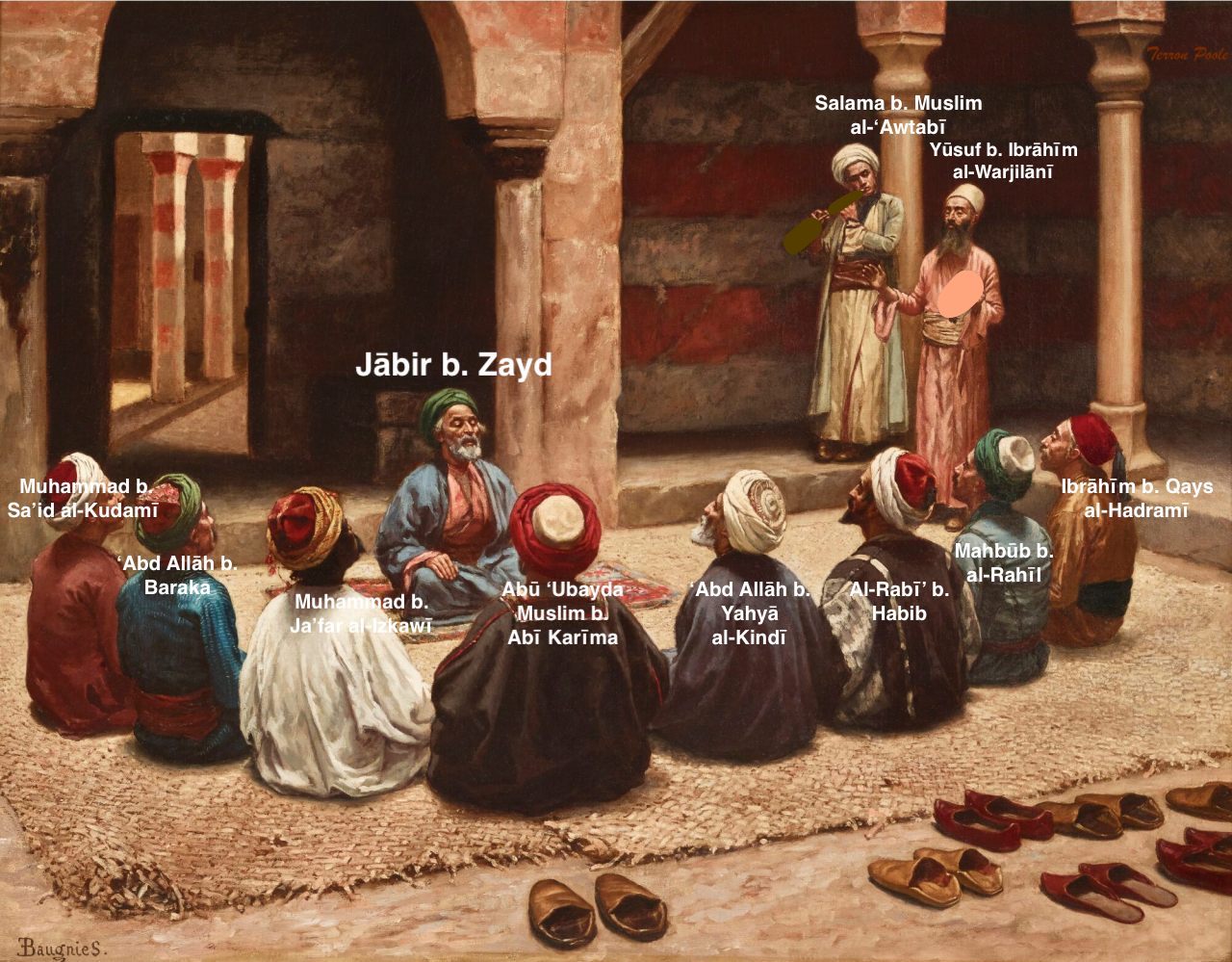
Tag Archives: Ibadi

The Hadith of the 12 Caliphs.

“As for those who divide their religion and break up into (sects), you have no part in them in the least: their affair is with Allah: He will, in the end, tell them the truth of all that they did.” (Qur’an, 6:159)
﷽ 

This idea of the Muslims following 12 Imams is a total concoction.

First and foremost, it has absolutely no support from the Qur’an.

We have more than established that here:

The Sunni Muslims the following hadith that the Shi’i will often use against them.

Narrated Jabir Ibn Samura:

I heard the Prophet (saw) saying, “There will be twelve commanders (Amir).” He then said a sentence which I did not hear. My father said the Prophet (saw) added, “All of them will be from Quraish.”

Source: (https://sunnah.com/bukhari:7222)

It has been narrated on the authority of Jabir b. Samura, who said:

I heard the Messenger of Allah (saw) say: Islam will continue to be triumphant until there have been twelve Caliphs. Then the Prophet (saw) said something which I could not understand. I asked my father: What did he say? He said: He has said that all of them (twelve Caliphs) will be from the Quraish.

Source: (https://sunnah.com/muslim:1821d)

It is actually quite easy-peasy lemon squeezy from a Sunni Muslim perspective to shut down Shi’i intrigue over these hadiths.

  1. None of these hadith say anything at all about the family of the Blessed Prophet (saw). So the wide-eyed speculation stops there.
  2. None of these hadith say anything at all about them ruling in succession. That is to say, one after the other.
  3. Did Hussein ibn Abi Talib ever rule over the Muslim ummah? We all know the answer to this is a resounding No! He didn’t rule over jack squat!


The reason we mention Hussein ibn Abi Talib is that the Shi’i who are quite imaginative see the succession of the Blessed Prophet (saw) as:

Ali ibn Abi Talib
Hasan ibn Ali
Husayn ibn Ali (Hussein ibn Abi Talib)
Ali ibn Husayn

So, from the perspective of a Sunni Muslim or an Ibadi Muslim, that’s a wrap. That means there is nothing more to discuss. Because the points that the Shi’i want to desperately prove from these hadiths cannot be established at all.

We will come back with our critique of this hadith. However, let us first look at the history of this number 12 prior to the advent of the Blessed Prophet Muhammed (saw).

THE NUMBER 12 HAS NO SIGNIFICANCE IN ISLAM.

The number 12 is not significant or important, in any shape or form, in Islam. It is the atomic number of atoms in Magnesium. 12 is the number of zodiac characters in both the Western and Chinese models. There are 12 months in a year of the Gregorian calendar. The 12th surah in the Qur’an is called ‘Yusuf’ or Joseph.

The 12th chapter and 12th verse of the Qur’an say the following:

“Send him with us tomorrow to enjoy himself and play, and we shall take every care of him.” (Qur’an 12:12)

“Surely, the number of months with Allah is twelve months in Allah’s ordinance since the day when He created the heavens and the earth, of these four being sacred.” (Qur’an 9:36)

Nothing here is analogous to 12 Imams. The verse says of the 12 months, 4 of them are sacred.

Are the Shi’i going to tell us that of the 12 Imams only four of them are sacred?

This holds no significance to 12 tribes, 12 disciples or 12 imams, or 12 rulers at all.

12 relates to Israel, and the tribes. It has absolutely nothing to do with Islam.

THE NUMBER 12 AND THE TRIBES OF ISRAEL

Let us look at Israel (Jacob) and the 12 tribes in the Qur’an and in the Bible.

“Allah made a covenant of old with the Children of Israel and We raised among them twelve chieftains, and Allah said: Lo! I am with you. If ye establish worship and pay the poor-due, and believe in My messengers and support them, and lend unto Allah a kindly loan, surely I shall remit your sins, and surely I shall bring you into Gardens underneath which rivers flow. Whoso among you disbelieves after this will go astray from a plain road.” (Qur’an 5:12)

“Moreover, We divided them into twelve tribes And when his people asked Moses for water, We inspired him, “Strike the rock with your staff!” -after which twelve springs gushed forth from it so that all the people knew whence to drink., And We caused the clouds to comfort them with their shade, and We sent down unto them manna and quails, [saying:] “Partake of the good things which We have provided for you as sustenance.” And [by all their sinning] they did no harm unto Us-but [only] against their own selves did they sin.” (Qur’an 7:160)

“So We dispersed them as separate communities all over the earth; some of them were righteous, and some of them less than that: and the latter We tried with blessings as well as with afflictions so that they might mend their ways.” (Qur’an 7:168)

“Say (O Muslims): We believe in Allah and that which is revealed unto us and that which was revealed unto Abraham, and Ishmael, and Isaac, and Jacob, and the tribes, and that which Moses and Jesus received, and that which the prophets received from their Lord. We make no distinction between any of them, and unto Him, we have surrendered.” (Qur’an 2:136)

“Nay! do you say that Abraham and Ismail and Jacob and the tribes were Jews or Christians? Say: Are you better knowing or Allah? And who is more unjust than he who conceals a testimony that he has from Allah? And Allah is not at all heedless of what you do.” (Qur’an 2:140)

“Truly We gave unto Moses nine tokens, clear proofs (of Allah’s Sovereignty). Do but ask the Children of Israel how he came unto them, then Pharaoh said unto him: Lo! I deem you one bewitched, O Moses.” (Qur’an 7:101)

Why were 9 tokens given? Why weren’t 12 tokens given? Why weren’t 7 tokens given?

“Say: We believe in Allah and what has been revealed to us, and what was revealed to Abraham and Ismail and Ishaq and Jacob and the tribes, and what was given to Musa and Isa and to the prophets from their Lord; we do not make any distinction between any of them, and to Him do we submit. ” (Qur’an 3:84)

“Lo! Thus spoke Joseph unto his father: “O my father! Behold, I saw [in a dream] eleven stars, as well as the sun and the moon: I saw them prostrate themselves before me!” (Qur’an 12:6)


Here Joseph mentions 11 stars and, altogether, 13 celestial bodies. No mention of anything 12 here.

There is absolutely nothing in the entirety of the Qur’an that would assign or even remotely hint that the 12 sons of Israel (Jacob) played any role that the 12er Shi’i designates for their 12 Imams. Nothing analogous here at all.

Now, what does the Bible say about these 12 sons of Jacob/Israel?

While Israel was living in that region, Reuben went in and slept with his father’s concubine Bilhah, and Israel heard of it. Jacob had twelve sons:

The sons of Leah:

Reuben, the firstborn of Jacob,

Simeon, Levi, Judah, Issachar and Zebulun.

The sons of Rachel:

Joseph and Benjamin.

The sons of Rachel’s servant Bilhah:

Dan and Naphtali.

The sons of Leah’s servant Zilpah:

Gad and Asher.

These were the sons of Jacob, who were born to him in Paddan Aram.

Source: (Genesis 35:22-26)

“All these are the twelve tribes of Israel, and this is what their father said to them when he blessed them, giving each the blessing appropriate to him.” (Genesis 49:28)

There is absolutely nothing in the entirety of the Bible that would assign or even remotely hint that the 12 sons of Israel (Jacob) played any role that the 12er Shi’i designate for their 12 Imams.

Were the 12 Imams the names of 12 tribes? Did the descendants of these Imams fight each other in a bitter civil war as was the case with Judah and Benjamin against the other 10 tribes? We all know that the answer to all of this is a resounding No! Nothing analogous here at all.

The tribes descended from the twelve sons of Jacob. They all existed alive simultaneously as separate people. According to the Imami Shi’i, was there any point in history in which their 12 imams existed simultaneously as separate people? We all know that the answer to all of this is a resounding No! Nothing analogous here at all.

  1. Reuben
  2. Simeon
  3. Levi
  4. Judah
  5. Issachar
  6. Zebulun
  7. Dan
  8. Naphtali
  9. Gad
  10. Asher
  11. Joseph
  12. Benjamin

NUMBER 12 AND THE DISCIPLES OF JESUS.

Jesus had 12 disciples because they were to go to each of the 12 tribes of Israel as previously mentioned. That’s it.

Now let us turn our attention to the disciples of Christ Jesus (as), as they are mentioned in the Qur’an.

“When Jesus found Unbelief on their part He said: “Who will be My helpers to (the work of) Allah?” Said the disciples: “We are Allah’s helpers: We believe in Allah, and do bear witness that we are Muslims.” (Qur’an 3:50)

“And behold! I inspired the disciples to have faith in Me and Mine Messenger: they said, ‘We have faith, and do you bear witness that we bow to Allah as Muslims'”. (Quran 5:111)

“O you who believe! Be Allah’s helpers, even as Jesus son of Mary said unto the disciples: Who are my helpers for Allah? They said: We are Allah’s helpers. And a party of the Children of Israel believed while a party disbelieved. Then We strengthened those who believed against their foe, and they became the uppermost.” (Qur’an 61:14)

There is absolutely no mention of the number of disciples anywhere in the Qur’an, which is both telling and interesting.

Now let us turn our attention to the disciples of Jesus (a.s) as they are mentioned in the New Testament.

“The names of the twelve apostles are these: first, Simon, who is called Peter, and Andrew his brother; James the son of Zebedee, and John his brother; Philip and Bartholomew; Thomas and Matthew the tax collector; James the son of Alphaeus, and Thaddaeus; Simon the Zealot, and Judas Iscariot, who betrayed Jesus.” (Matthew 10: 2-4)

“Jesus said to them, “Truly I tell you, at the renewal of all things, when the Son of Man sits on his glorious throne, you who have followed me will also sit on twelve thrones, judging the twelve tribes of Israel.” (Matthew 19:28)

These twelve Jesus sent out with the following instructions: “Do not go among the Gentiles or enter any town of the Samaritans. Go rather to the lost sheep of Israel.” (Matthew 10:6)

“It had a great, high wall with twelve gates, and with twelve angels at the gates. On the gates were written the names of the twelve tribes of Israel.(Revelation 21:12)

The Twelve Disciples (Apostles)

  1. Peter the Apostle (Simon Peter)
  2. Andrew the Apostle (Peter’s brother)
  3. James the Great
  4. John the Apostle
  5. Philip the Apostle
  6. Bartholomew the Apostle
  7. Thomas the Apostle
  8. Matthew the Apostle
  9. James son of Alphaeus
  10. Thaddeus
  11. Simon the Zealot
  12. Judas Iscariot

Replacement after Judas

After the betrayal and death of Judas Iscariot, the remaining apostles selected:

  • Matthias the Apostle

We have no record anywhere of the 12 sons of Jacob or the 12 disciples of Jesus giving legal verdicts, and so forth to anyone.

Not only that but the analogy creates real problems for the 12er Shi’i concept because the 12 sons of Jacob and the 12 disciples of Jesus were concurrent (not in succession).

Not only that, but one of the 12 disciples of Jesus was a traitor.

So, if this is analogous to the 12er Shi’i do tell us which of the “12 imams” was a traitor to Rasul Allah (saw)?

In fact, the 12er Shi’i seem to catch the unsuspecting Sunni Muslims with something that they may be remotely familiar with or something that seems vague.

“You remember about the 12 tribes of Israel?” “Oh yeah,” says the Sunni layman. “You remember Jesus had 12 disciples?” “Hmm, sounds right”, says the unsure Sunni Muslim who has never bothered to look into these matters.

So, after they “establish” something murky about the number 12 being significant, then they come and put their spin on the ahadith from Bukhari and Muslim about 12 rulers, and so forth. Even then, as we saw, those hadiths did not even allow the Shi’i to put their spin on the aware Sunni Muslim.

Now, note that these 12 disciples of Jesus, according to the above text, were with him concurrently, not in succession. None of these disciples ever disappeared, waiting until the present. One of these disciples betrayed Jesus. Which of the “12 Imams” betrayed Rasul Allah (saw)?

Also, you will note that these 12 disciples were to go unto the 12 tribes of Israel (Jacob). The whole of the New Testament is about Jesus (The Messiah) coming for his people, not the whole wide world. That is why you have the names of the 12 tribes of Israel at the gates of heaven in the vision.

Are these 12 Shi’i Imams going to have their names on 12 gates for 12 tribes of Arabs (only) numbering 12,000 each?

The only thing analogous between the 12 Imams and the 12 disciples of Jesus, who were sent to the 12 descendant tribes of Jacob, is in fact the number 12. That is all.

We have clearly pulled the rug out of the 12er Shi’i idea of there being anything analogous here.


Unfortunately, our respected Imams of Hadith were not infallible in their collection of Hadith. They allowed a bizarre narration about 12 leaders to slip in their corpus.

The 12er Shi’i then use that hadith to persuade Sunni Muslims to their perspective.

Mohammed Hashim Kamali explains the situation best.

“Hadith critics have expressed reservations. Nevertheless, over the authenticity of various hadiths. Some politically tendentious hadith have come under criticism. One such hadith that al-Bukhari has recorded on the authority of Jabir b Samura is as follows:

“I heard the Prophet, peace be on him, saying that ‘there will be twelve rulers (amiran), ‘ and then the Prophet uttered words which I did not hear-but my father believed they were ‘…all of them will be from Quraysh’. “

“The Shi’i scholars have taken this hadith as “decisive evidence”, on the veracity of their belief in the twelve Imams. The Sunnis themselves have advanced different interpretations of this hadith. One interpreter thus understood this to mean that the twelve amirs will be simultaneous, all to whom will be laying claim to leadership, and the context is, therefore, one of tumult (al-fitna). “


“The various versions of probably this same hadith that Muslim and Abu Dawud have recorded say something different. Briefly, Muslim recorded a hadith to the effect that “this matter (i.e the Caliphate) will not go away until twelve Caliphs have come and gone.” Abu Dawud similarly recorded a hadith to the effect that “this religion shall remain until twelve Caliphs have ruled, all of them with the agreement and support of the umma.”

“The commentator of al-Bukhari, Ibn Hajar al-‘Asqalani, has quoted these views, and reading all of them together, he thought that the reference in that respect was to the Caliphate. But this only added to complication in view of the common knowledge that the approved Caliphs were only four, not twelve, According to Qadi ‘Iyad Al-Yahsubi the hadith “probably meant just leaders (‘a’immat al’adl) of whom four have lived and the rest may emerge any time before the day of resurrection.” This was “just the right sort of interpretation,” according to Jawad Yasin, for its Shi’i readers with which to vindicate their belief in occultation and the return of their twelfth Imam any time before the day of resurrection.”

“Ibn al -Jawzi surmised the meaning of the hadith at issue and commented that the Prophet had probably meant twelve rulers, excluding his companions. It was then suggested that the hadith had referred to the Umayyad Caliphs. The problem here was that the Umayyad Caliphs, starting from Mu’awiya (d. 41 H) to Marwan al-Thani (d. 127 H) numbered fourteen, not twelve. Ibn al-Jawzi’s response to this was that Mu’awiya may be excluded since he was a Companion. Then he added that Marwan Ibn al-Hakam (d. 65 H) should also be excluded as he was a usurper and took office after the people had elected ‘Abd Allah b al-Zubayr. This rather imaginative interpretation fitted in with the counting of the Umayyad Caliphs at twelve and the image that was consequently conveyed of them was that they were leaders who ruled with the support of the umma.”

“This interpretation was based on several questionable assumptions, one of which excluded the first four Caliphs from the counting altogether, then it was assumed that Mu’awiya as not a usurper of political power; that Marwan b. al-Hakam was not to be counted as a Caliph, and that ‘Abd Allah b al-Zubayr had been conclusively elected to be the Caliph.”


“All of these rather weak interpretations were attempted with the pious yet questionable motive of upholding the reliability of the leading hadith collections and also to lend support perhaps to the Umayyad rule. The episode sustained itself simply because the chain of transmitters of the hadith in question appeared sound. Al-Bukhari and Muslim evidently recorded it because of its isnad without paying much attention to its meaning. And then a series of apologetic commentaries followed suit to justify what they had done.”

“If the true purpose of all hadith is to clarify and interpret the Qur’an and those aspects of Islam that can properly be said to be a necessary part of its belief structure and its Shari’a, then the hadith we have just reviewed is so peripheral that it hardly merits all the speculative effort that is undertaken to justify it.”

Source: (A Textbook of Hadith Studies, pages 206-208 by Mohammed Hashim Kamali)

However, all this fuss is over nothing. As we have shown it is too easy to refute the Shi’i claims in regard to the above hadith.

Critique of the matn (text) of the hadith.

Narrated Jabir Ibn Samura:

“I heard the Prophet saying, “There will be twelve commanders (Amir).” He then said a sentence which I did not hear. My father said the Prophet added, “All of them will be from Quraish.”

Source😦https://sunnah.com/bukhari:7222)

It has been narrated on the authority of Jabir b. Samura, who said:

I heard the Messenger of Allah (saw) say: Islam will continue to be triumphant until there have been twelve Caliphs. Then the Prophet (saw) said something which I could not understand. I asked my father: What did he say? He said: He has said that all of them (twelve Caliphs) will be from the Quraish.

Source: (https://sunnah.com/muslim:1821d)

Prima Qur’an Comments:

Our critique of this hadith will not focus so much on the chain of narration as it will focus on the text itself, but rather using aql and mantiq.

Is it not odd that Jabir Ibn Samura is to have related something of purportedly such importance to the Messenger of Allah (saw) and yet, did not catch all of it so that his father (or the man standing next to him) had to be the one to inform him of the missing bits?

Why is Jabir Ibn Samura the only one narrating this? He was possibly only 10 years of age at the time.

Why is no clarification sought? The companions are known to ask the Blessed Messenger (saw) about the most minute details of his blessed life. Why is there no clarification sought on a matter of purportedly such weight?

If the Blessed Prophet Muhammed (saw) narrated about the future, why not simply mention Abu Bakr, or Ali as his successor?

What if the missing bits were as follows:

“I heard the Prophet saying, “There will be twelve commanders (Amir).” He then said they would all be corrupt and vile. My father, said the Prophet added, “All of them will be from Quraish.”

It does seem odd that the Blessed Messenger (saw) would foretell about 12 rulers and yet not state plainly that Abu Bakr, or Ali, was to be the successor?

Look at this map of the umayyad dynasty. That is quite an accomplishment for an empire that did not put the familiy of Ali at the centre of thier doctrine!
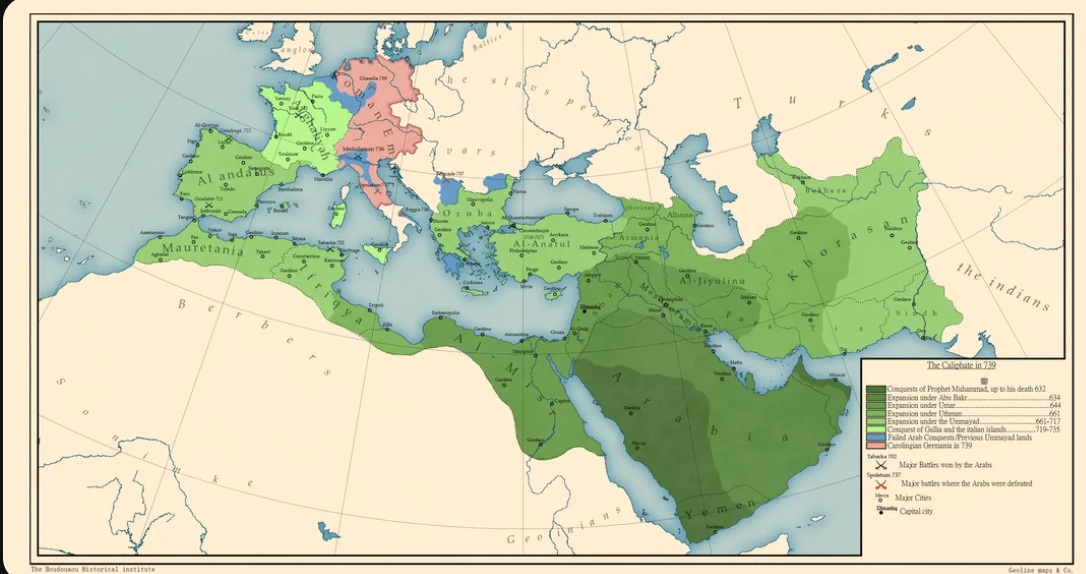
The Shi’i have yet to produce a single hadith where the Blessed Messenger (saw) explicitly stated in no uncertain terms that Ali would be the Amir of the Muslims, after his death. Not one!

We know you might be thinking about the incident at Ghadir Khum. Don’t worry, we have you covered.

You may read about that here:

Lastly, among the Imami Shi’i they still cannot agree upon which list of 12 one is to follow.

You can read about that here:

You may also be interested to read the following:

May Allah (swt) Guide the Ummah.

May Allah (swt) Forgive the Ummah.

21 Comments

Filed under Uncategorized

Sunni & Shia narratives of Siffin and Al-Nahrawan 

“Moreover, give full measure when you measure, and weigh with an even balance. That is the best way and the best result.” (Qur’an 17:35)

﷽ 

Sunni and Shi’i scholars and historians out there telling their people about Siffin and Nahrawan are like: “Gather around children, let grandpa tell you the story of the dragon Smaug, whomlives under the lonely mountain; and a brave lad named Bilbo Baggins.”

When reading “historical” narratives, it is important to bear in mind that often we are reading a redacted telling of the events, or the events as seen through the lenses of those who have a vested interest in telling a particular narrative.

We are quite sure you will want to see the sanaad. Likewise, when we are talking about the events surrounding Siffin and Nahrawan, it is the same. What are the sources that are quoted? Who is relating the information? What motives do they have, if any?

We start with tales from the Shi’i.

Let’s take, for example, the book “Opposing the Imam: The Legacy of the Nawasib in Islamic Literature” by Nebil Husayn. By the way the book over all is very good. There are a few false attributions which we will address in a future article insh’Allah.

Nebil relates to us a wild tale. (Though to his credit/discredit) he admits he is not telling us history.

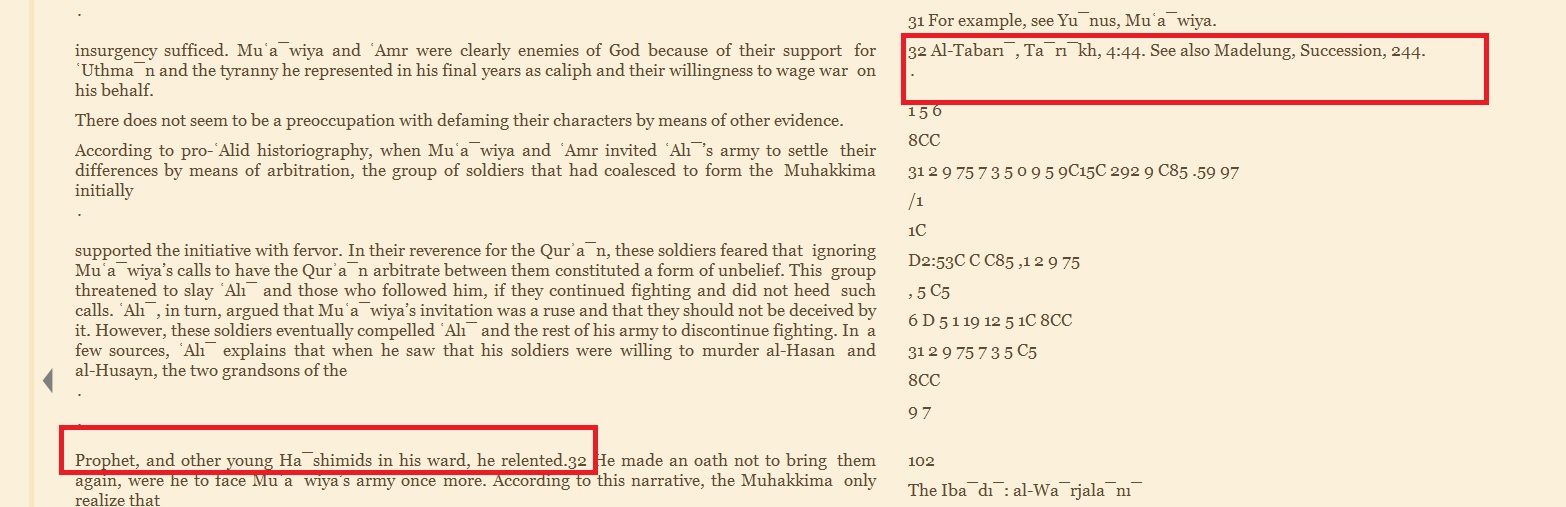
According to pro-‘Alid historiography, when Mu’awiya and ‘Amr invited ‘Ali’s army to settle their differences by means of arbitration, the group of soldiers that had coalesced to form the Muhakkima initially supported the initiative with fervor. In their reverence for the Qur’an, these soldiers feared that ignoring Mu’awiya’s calls to have the Qur’an arbitrate between them continued fighting and did not heed such calls. Ali, in turn, argued that Mu’awiya’s invitation was a ruse and that they should not be deceived by it. However, these soldiers eventually compelled ‘Ali and the rest of his army to discontinue fighting. In a few sources, Ali explains that when he saw that his soldiers were willing to murder al-Hasn and al-Husayn, the two grandsons of the Prophet, and other young Hashmids in his ward, he relented.”

So let us get this straight. Ali was against arbitration? Ali states that Mu’awaiya’s invitation was a ruse.

Yet, he went through with it because the people who wanted the arbitration were going to kill his kids! Can you imagine! These companions, and people of the Salaaf, and those who fight with him in the battle of the camel. They wanted to kill his kids!

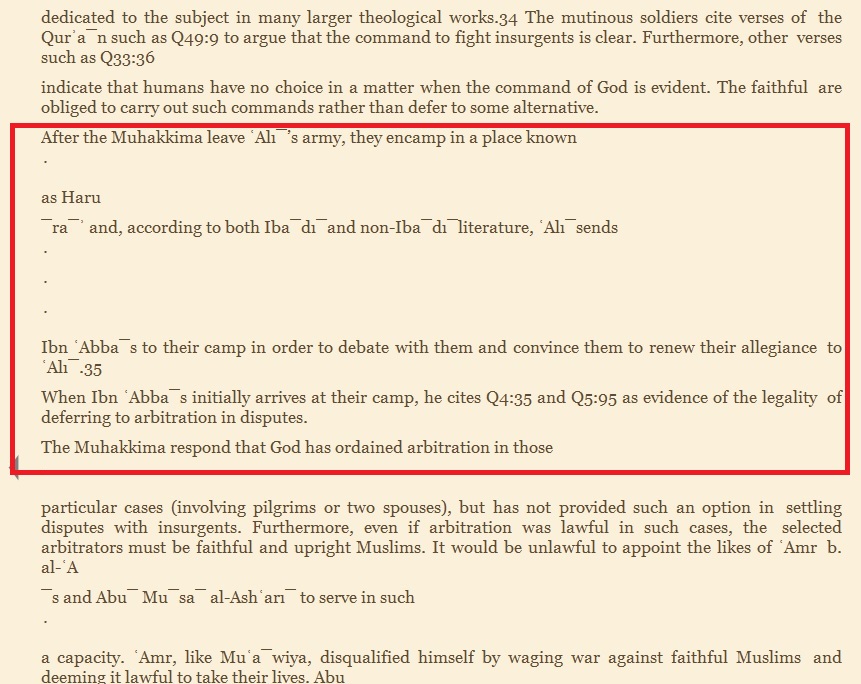
Yet, on THE….VERY…NEXT….PAGE Nebil Husayn relates to us:

“After the Muhakkim leave Ali’s army, they encamp in a place known as Harura and, according to both Ibadi and non-Ibadi literature, Ali sends Ibn Abbas to their camp to debate with them and convince them to renew their allegiance to Ali. When Ibn Abbas initially arrives at their camp, he cites Qur’an 4:35,and Qur’an 5:95 as evidence of the legality of deferring to arbitration in disputes.”

So, on the one hand, we have Ali, who sees this arbitration as a ruse, and we have the Muhakkima that we are told are so onboard for arbitration to the point that they want to kill Ali’s kids (is that not an embellishment or what folks) and then the very next page we have Ali sending Ibn Abbas, one of Islam’s greatest Mufassir of the early period using some wild and bizarre arguments to convince those very same Muhakkima that arbitration (the ruse) was a good idea!

Why bring your children to war if you are worried about them dying in the first place?

If you are interested to see both sides of the debate between Ibn Abbas (ra) and the companions of the Prophet (saw) at Nahrawan you may wish to read the following:

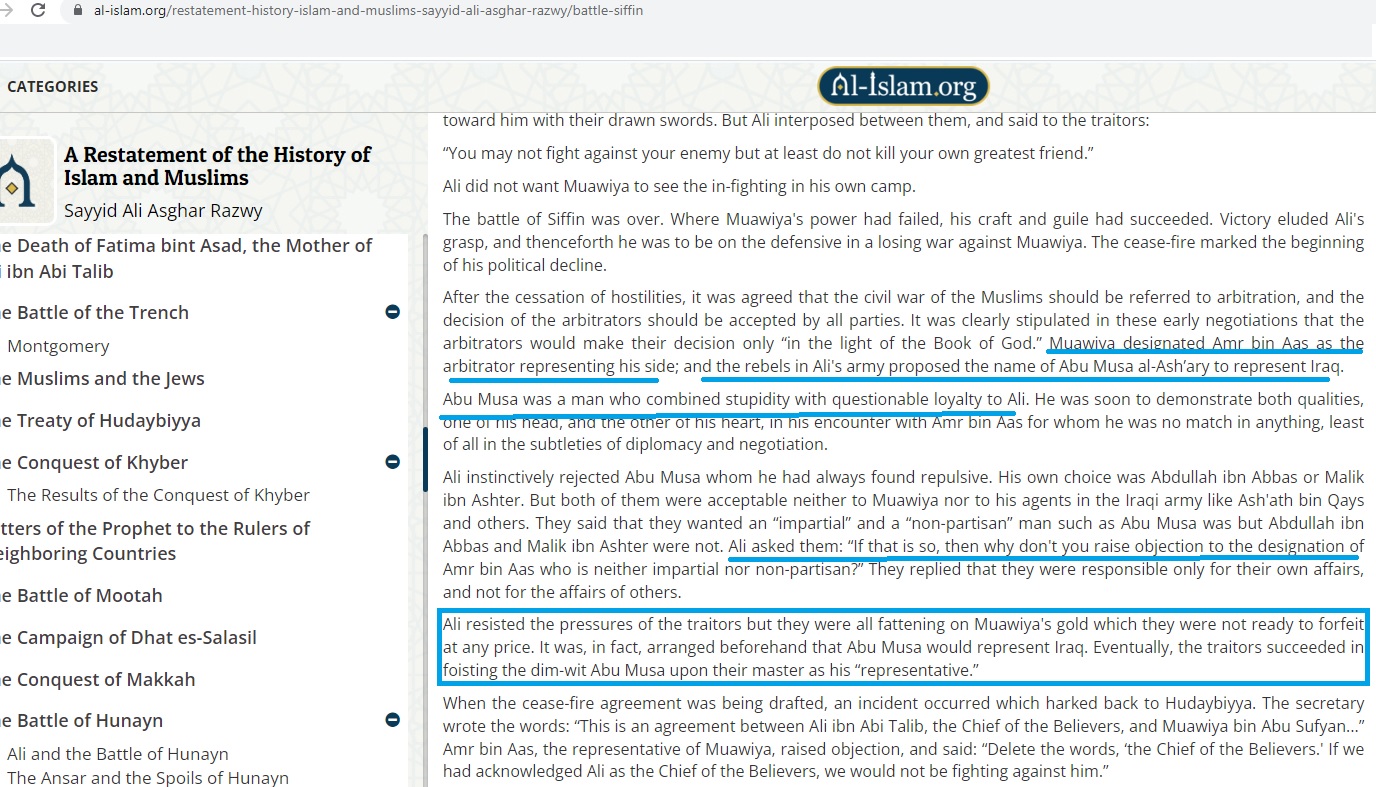
Checkout this website. They have their own version of the Siffin tales.

Ali takes no responsibility for anything. He gets to wash his hands of it all simply put. He is beset by treachery on all sides. Muawiya is a big man who gets to pick his own representative. Meanwhile, Ali is portrayed as this demure individual who doesn’t even get to pick his own representative! It’s the rebels that do! Because Allah forbid that Ali makes a wrong decision (bad ijtihad) in the choice of representative.

Ali then gets persuaded to allow one of the parties (‘Amr bin Aas) to be an arbitrator, which is a shi’i website admitting that Ali went against the Qur’an in their own words. Because how can ‘Amr bin Aas be just if he was fighting against the ‘Chief of the Believers’ ???

The Blessed Messenger (saw) had knowledge of the ghaib (the unseen) and could tell who were the hypocrites and who were not.

Unfortunately, Ali didn’t have such insights. Ali, who we just learned from Proto-Alid sources, saw that the whole thing was a ruse, and yet goes along with it!

Source: (https://al-islam.org/restatement-history-islam-and-muslims-sayyid-ali-asghar-razwy/battle-siffin)

Tales from the Sunni.

Now, regardless of who, what, when, where and why, all three groups, Shi’i, Sunni & Ibadi agree that Ali bin Abu Talib was the Imam of the Muslims after the death of Uthman. Regardless if we think he should have been the first Caliph or not.

So we ask the Sunni: “Was Ali the commander of the faithful after the death of Uthman?”  They respond: “Yes.”

So I ask the Shi’i: “Was Ali the commander of the faithful after the death of Uthman?”  They respond:

“Yes”

So I ask the Ibadi: “Was Ali the commander of the faithful after the death of Uthman?” “They respond:

“Yes”

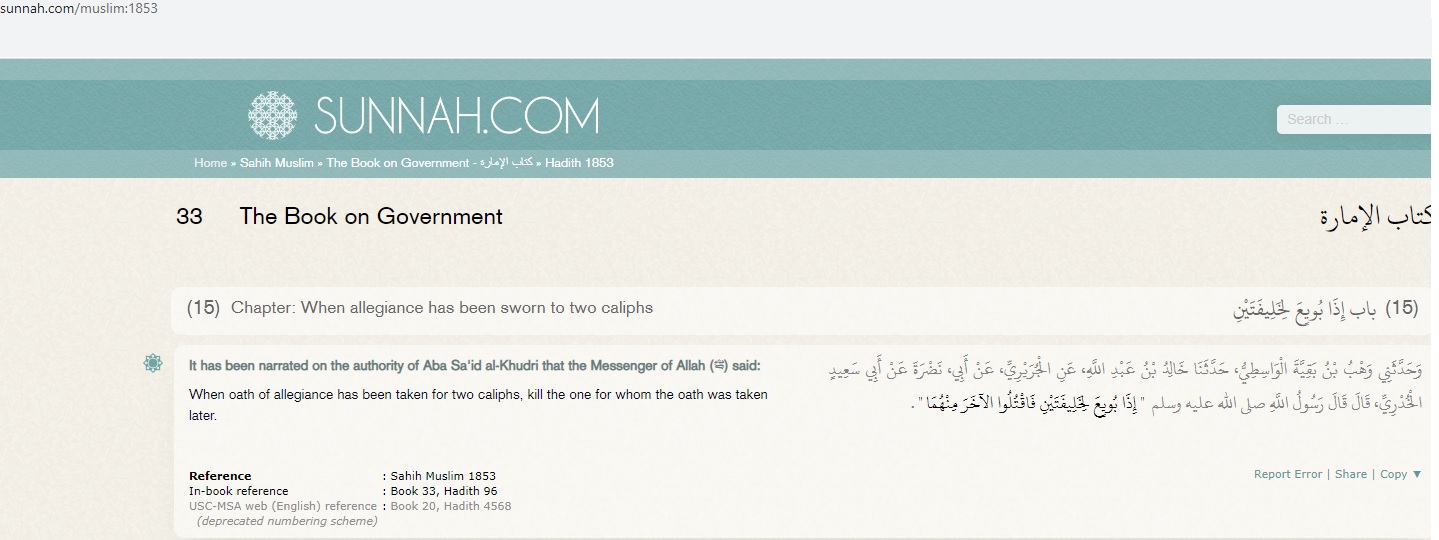
So what is the advice of the Blessed Messenger (saw) when we have two people whom the Muslims have given allegiance to?

“It has been narrated on the authority of Aba Sa’id al-Khudri that the Messenger of Allah (saw) said: When oath of allegiance has been taken for two caliphs, kill the one for whom the oath was taken later.”

Those Sahabah, those companions that differed with Ali went against the book of Allah (swt). They were following what Umar bin Al-Khattab (ra) said:

I heard ‘Umar bin Al- Khattab (May Allah be pleased with him) reported saying: “In the lifetime of Messenger of Allah (saw) some people were called to account through Revelation. Now Revelation has discontinued and we shall judge you by your apparent acts. Whoever displays to us good, we shall grant him peace and security, and treat him as a near one. We have nothing to do with his insight. Allah will call him to account for that. But whoever shows evil to us, we shall not grant him security nor shall we believe him, even if he professed that his intention is good.”

Source: (https://sunnah.com/riyadussalihin:395)

So what Umar ibn Al-Khattab (ra) was saying was that in the time of the Blessed Messenger (saw) people were called to account via revelation, the Qur’an and/or guidance directly from the Blessed Messenger (saw). Now with the revelation discontinued, and having the Qur’an and the Sunnah, we shall judge you by your apparent acts!

The Sunnis have to paint a picture that Ali was pro arbitration and that those sahabah who were against it were some type of rebels. Even though Muawiya himself was a Khariji who went out and fought against the ‘Chief of the Believers’.

The Ahl Sunnah are in a real pickle.

After years of rebellion against the Ummayad Imperium, we get all these hadiths about how the Muslims are supposed to obey the tyrants. Now they are stuck with their Madhkali Salafi brand telling them not to rebel against the leader or the Non-Political Sufi, who tell them to put their “focus on the inward, Mahdi will come and fix it.”

So the Sunni spin their tales.


The Shi’a have to paint Ali as anti arbitration and those sahabah as pro arbitration. This is because it is obvious that what Muawiya did was a ruse. The aftermath of Siffin shows that Muawiya didn’t change his ways. However, if we are going to make Ali an infallible Imam, he can’t be seen as being, well, fallible.

There are even reports from the early historian al-Mada’ini that Mu’awiya encouraged systematic forging and circulation of hadiths affirming the virtues of the caliphs and companions at Ali’s expense.”(cited from Al-Mada’ini’s Kitab al-ahdath; Ahmad b Sa’d al-Din al-Miswari, Al Risala al-munqidha min al-ghiwaya fi turuq al riwaya, pp. 51-55)” This citation is found in Dr. Jonathan Browns book: “Hadith Muhammad’s Legacy in the Medieval and Modern World page 70


What Dr. Johnathan Brown does not tell you is that the pro-Alids did the same thing in regard to the Ummayad clan.


So the Shi’i spin their tales. Just like they began to spin their tales about the Blessed Messenger (saw) family. Especially so when infighting about whom the Imam of the time really is.

May Allah (swt) guide this ummah to the truth!

May Allah (swt) forgive the Ummah!

Leave a comment

Filed under Uncategorized

Ismaili Shi’a and Circular Reasoning

O you who have believed, obey Allah and obey the Messenger and those in authority among you. And if you disagree over anything, refer it to Allah and the Messenger, if you should believe in Allah and the Last Day. That is the best [way] and best in the result. (Qur’an 4:59)

﷽ 

Some time back, an Ismaili Shi’i e-mailed us with regard to our entry on the Hadith of Ghadir Khum. Though he has sent us a PDF with many contentions he asked us to address, we feel that we have needed to respond to the heart of the matter.

The heart of the matter is to understand what the Qur’an says about this issue. He had sent us a link that we are sure he felt would help to establish the case. Unfortunately, if you click on the link, it shows that the page is not there! Thankfully, we have the habit of saving materials.

So here is the PDF file with the arguments in it. This was written by Mohib Ebrahim.

Originally to appear here: https://ismailignosis.com/2014/07/08/how-to-validate-the-shia-imamat-from-the-holy-quran/

If the link fails, we have uploaded the PDF file here:

imamat-quranic-threads-purity-is-a-pre-requisite-to-lead-and-interpret

So, for now, let us deal with the heart of the issue. What if we left all the contentious issues aside, and we stuck with the question of what evidence we have in the Qur’an to substantiate this position?

So in the e-mail, he wrote:

Likewise, there are numerous verses in the Qur’an that highlight the doctrines of the Imamate, infallibility of the Shi’a Imams (as) and the nobility of the Ahl ul Bayt (peace be upon them). It is not true that such concepts are absent from the Qura’n in a way that we, the Shi’i of Ali (as), are forced to consult supplementary ahadith to support our viewpoints. For more information on the Qura’nic and philosophical/rational proofs of Imamate you can visit: https://ismailignosis.com/2014/07/08/how-to-validate-the-shia-imamat-from-the-holy-quran/


So let us address what Mohib Ebrahim has written.

What immediately stood out to us was the very diplomatic way that the reader was being prepped for the clear admission that there is no ‘smoking gun verse’ in the Quran with regard to the Imamate at all.

Instead, the reader is teased with information like:

“The dilemma is not improved, but rather compounded, when evidence from the Qur’an is relied upon simply because the Qur’an itself admits, in verse 3:7, to its own partial ambiguity thereby rendering those parts open to individual interpretation “

“Given the disagreement about a historical event despite overwhelming agreement on its record by both sides, one can only imagine the disagreement over arguments relying on the Qur’an, given its admitted ambiguity”

Interestingly, the issue is compared to the ‘Gordian Knot‘

He continues thus,

“So does this Gordian Knot have a solution or are we of modern and later times hamstrung with the vexing task of trying to tease out the truth from an incomplete historical record 1,400 years after the fact?” “Leaving aside those ambiguous verses that require the Imamat to explain they refer to the Imamat, past attempts to validate the Imamat from the Qur’an were, in general, based on arguing a specific interpretation of what were, hopefully, “smoking gun” verses that one could then point to and proclaim, “Here, clear verses where Allah ordained the Imamat.” However, the fact is that such “smoking gun” verses are few and far between — if they are to be found at all, given the disagreements over interpretation, as explained above. Furthermore, even if they are very clear when read in a certain light, it is precisely because they need to be read in that certain light and then argued in isolation, that they do not, in my opinion, provide substantive, let alone conclusive, evidence.”

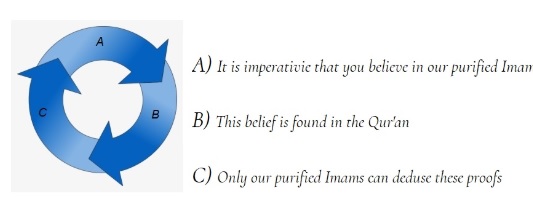
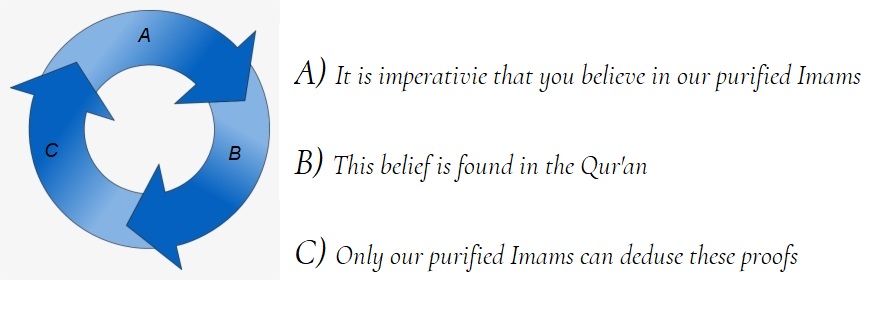
This creates an infinite regress or a closed loop:

To understand the Quran, you need the Imam.
To know who the Imam is, you need to understand the Quran.
To understand the Quran, you need the Imam.

Now you people are intelligent. This is not a misrepresentation by us. This is a clear-cut admission.

So, ultimately, this is the intellectual endeavor of Ismail’s. The gentleman in the e-mail asked us to be circumspect with regard to Islamic sects. Let us just say this particular sect of Ismaili Shi’i, as they too have many subdivisions.

Ultimately, the intellectual endeavors of this particular sect of Ismaili Shi’i want us to believe in circular reasoning, putting the cart before the horse and finding passages simply because we want so desperately to find them.

In fact, the author, Mohib Ebrahim, states:

I find it hard to accept that Allah has left the truth of this matter hostage either to the irreconcilable differences of expert Arabic linguists or personal interpretations of the Qur’an’s ambiguous verses.”

Surely it is self-evident that answers must be found in the “plain verses,” and not the ambiguous ones, for otherwise we would have an unresolvable paradox where the instructions on how we are to acquire the correct meaning of the Qur’an’s ambiguous verses, were themselves cloaked in ambiguity.”

“Therefore, rather than trying to find and interpret a single “smoking gun” verse, argued and relied on in isolation, to justify Imamat, I use what I call Qur’anic Threads.”

To preface one’s argument in such a way, it is the end of the discussion, period. In fact, there was no beating around the bush. We have no ‘smoking gun‘ verse. Such ambiguous verses require us to put the cart before the horse, believe in the infallible imam’s ability to interpret before finding such passages. However, we will continue the article with a look into these various ‘threads‘ insh’Allah.

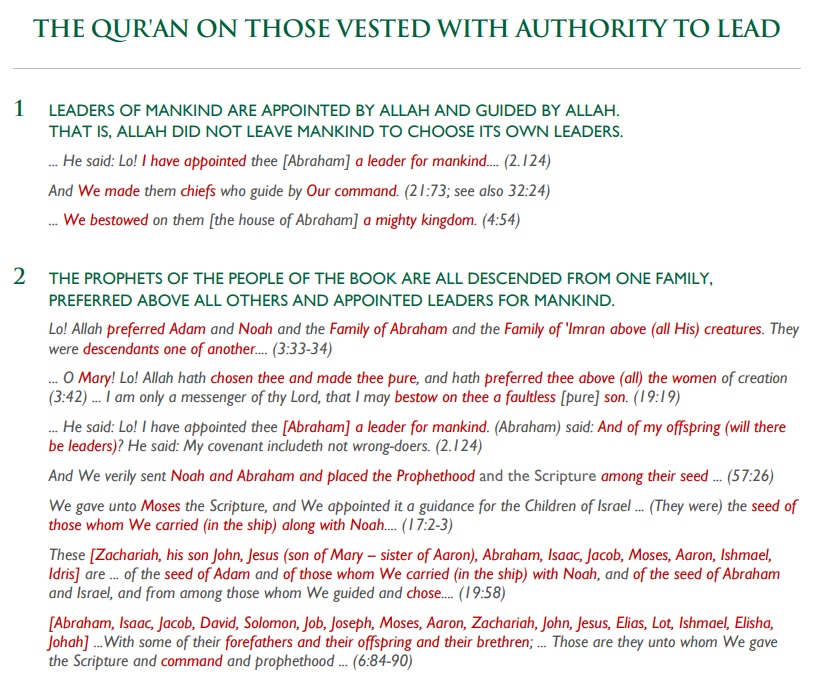
We don’t know if it would be appropriate to say that Ibrahim, Jacob, Issac were leaders of mankind. As in the whole of humanity. It is more appropriate to say leader for the people, meaning his people.

Also, to say that Allah (swt) appoints a leader, the question has to be asked. If people appoint a leader and Allah (swt) appoints a leader, are the two things mutually exclusive? After all, that is the reason for this post. That is the reason for this discussion. There is no clear-cut verse in the Qur’an for us to follow infallible Imams. There is no clear-cut verse in the Qur’an that names Ali as a leader for the community. In fact, people point to extraneous sources to indicate that Ali was to be preferred as a leader.

Look at verse Qur’an 2:124 “His covenant is not with the evildoers.” If a purified lineage also equates to purified offspring, then why did Allah (swt) put the clause ‘My covenant does not include the doers of evil‘?

Look at the verses: Qur’an 3:33-34 THEY were descendants of one another is true, but not all prophets are descendants of one another.  Unless one means that we all come from Adam (as). In that sense, the whole of humanity is the Ahl Bayt of Adam (as)

They were all descendants of one another..  We are all from Adam (as). So what is the point?

From Adam (as) we got two sons, one of whom is the first murderer of another human being. Which brings us back to what Ibrahim (as) prayed for, ‘and of my offspring?’ to which Allah (swt) responds, ‘My covenant does not include the doers of evil.’

You can imagine Adam (as) making such a du’a for his Ahl Bayt, his offspring, one of which became a murderer.

Look at verse Qur’an 57:26 among their seed…

It is interesting that the verse above is half quoted. The full verse says,

“And We have already sent Noah and Abraham and placed in their descendant’s prophethood and scripture; and among them is he who is guided, but many of them are (fasiqun) defiantly disobedient.” (Qur’an 57:26)

Among those descendants of Noah and Abraham are those who are guided but most of their descendants are defiantly disobedient. We have a clear example of one of the children of Noah (as) who disobeyed.

“And Noah called to his Lord and said, “My Lord, indeed MY SON IS OF MY FAMILY (AHLI) and indeed, Your promise is true; and You are the most just of judges! He said, “O NOAH, INDEED HE IS NOT OF YOUR (AHLIKA) FAMILY; indeed, he is one whose work was other than righteous, so ask Me not for that about which you have no knowledge. Indeed, I advise you, lest you be among the ignorant. Noah said, “My Lord, I seek refuge in You from asking that of which I have no knowledge. And unless You forgive me and have mercy upon me, I will be among the losers.” (Qur’an 11:45-47)

Also, look at verses Qur’an 17:2-3 quoted above. “From the seeds carried along with Noah” came evil beyond evil. In fact, it is interesting that if we continue to read the passage it says:

“And We conveyed to the seeds of Israel in the Scripture that, “You will surely cause corruption on the earth twice, and you will surely reach [a degree of] great haughtiness.” (Qur’an 17:4)  

“Those were the ones upon whom Allah bestowed favor from among the prophets of the seeds of Adam and of those We carried [in the ship] with Noah, and of the seeds of Abraham and Israel, and of those whom We guided and chose. When the verses of the Most Merciful were recited to them, they fell in prostration and weeping.” (Qur’an 19:58)

So why didn’t that guidance and choice descend to their progeny? If Allah (swt) saved Noah (as) and wiped out the evil, it is only reasonable that evil manifested from among the descendants of Noah (as)

Allah (swt) clearly said that the seeds of Israel would cause corruption and become haughty.

Just like one of the seeds of Adam was a murderer.

Just like Allah (swt) put a clause in Ibrahim’s du’a request.

It’s almost as if these people would own a chain of hotels across Europe one day that sells alcohol. It is as if these people one day would preoccupy themselves with the worldly life and marry supermodels.

“Also, from their fathers and their seed and their brothers-and, We chose them and We guided them to a straight path.” (Qur’an 6:87)

“Those are they unto whom We gave the Scripture and command and prophet-hood. But if these disbelieve in that, then indeed We shall entrust it to a people who will not be disbelievers in that.” (Qur’an 6:89)

Allah (swt) chose and guided them, but if they were to disbelieve therein, they would be replaced by those who would not disbelieve therein. So the possibility of disbelieve is there. This is also confirmed to me by our experience meeting people who are descendants of the Blessed Messenger (saw) who are atheists.

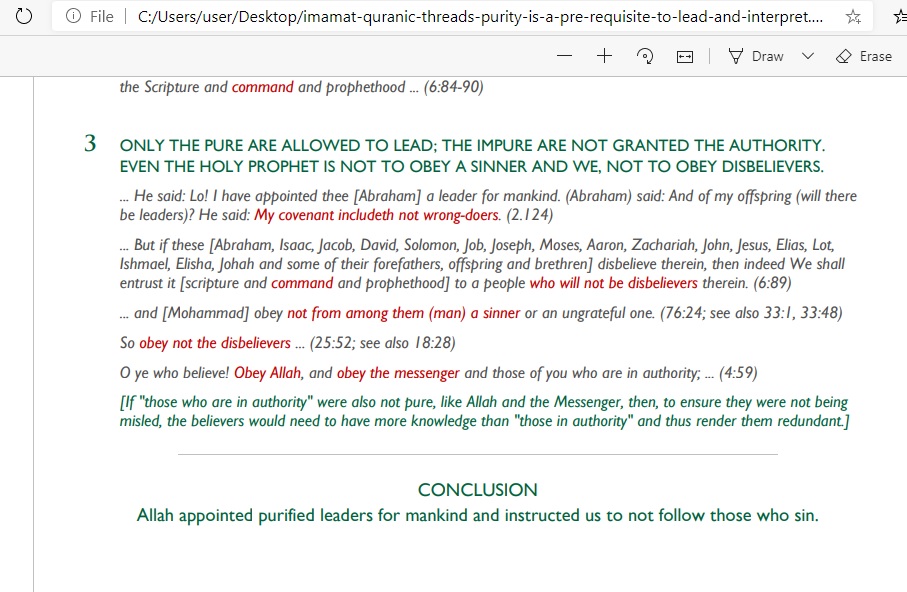
Look at what he says above about “Obey Allah and Obey the Messenger” (Quran 4:59)

Mohib Ebrahim continues:

“For, it is self-evident that if “those who are in authority” were also not pure, like Allah and the Messenger, they will make mistakes and, thus by definition, cannot be rightly guided. Consequently, to avoid being misled by such leaders, others with more knowledge would have to double-check them rendering such leaders redundant and undermining the legitimacy of their claim as rightly guided leadership.”


Wait a minute. When did tahara (purity) become equated with infallibility? No, that is certainly not the case. We hope no one thought they could sneak that one past us.

“So they ask you about menstruation. Say, “It is harmful, so keep away from wives during menstruation. And do not approach them until they are pure (tatahharna). And when they have purified themselves, then come to them from where Allah has ordained for you. Indeed, Allah loves those who are constantly repentant and loves those who purify themselves.” (Qur’an 2:222)

We hope no one is seriously suggesting that we do not approach our wives until they become infallible?  

“Truly, it is a noble Quran in a protected book. None touch it but the purified.” (Qur’an 56:79)

Ibn Abbas said concerning the verse, “None touch it except the purified,” that this refers to the Book in the heavens and “the purified” refers to the angels.

Source: (Tafsīr Ibn Kathīr 56:79 https://quranx.com/Tafsirs/56.79)


To say that people who are in ritual impurity touch the Qur’an is true. However, to turn around and apply an esoteric meaning to a plain word ‘touch‘ doesn’t help the ‘thread‘ case at all. Nowhere is that word in Arabic used for touch means to interpret.

Notice he says, “Consequently, to avoid being misled by such leaders, others with more knowledge would have to double-check them, rendering such leaders redundant and undermining the legitimacy of their claim as rightly guided leadership.”

The Qur’an itself subjects itself to a falsification test by even the most uncouth of people. How is that the Qur’an is subject to a falsification test and these supposed Imams are not?

In fact, this whole argument used by Shi’i is critiqued here:

As we noted, one would have to prove the odd assertion that purity equates to infallibility.  If that is the case, then we know that Ali is not pure because he made a colossal error in the battle of Siffin.   

You can see Ali’s decision critiqued here:

“Furthermore and notwithstanding the above, the Sunni position — that “those in authority” do not need to be pure and faultless — is just an interpretation since there aren’t, to my knowledge, any verses in the Qur’an stating that Allah left mankind free to choose their own leaders .” -Mohib Ebrahim

Are there any verses in the Qur’an where Allah (swt) categorically tells mankind that we are not free to choose our leaders?

So should Western Democracy’s be wary of being too cozy to Aga Khan and the Ismail’i since their doctrine is that democracy is at its core an aberration of what Allah (swt) wants?

Mohib Ebrahim wants us to believe in even more circular reasoning:

Since we are unable to judge — perfectly and without error — who are the pure, Thread III will address the apparently impossible command not to follow disbelievers or those who have sinned. Indeed, Allah has said He will judge wherein we differ (42:10,22:67-69,5:48,39:46,6:164, etc.), thus precluding us from even making such assessments.”

“Since we are unable to judge or assess..perfectly and without error.”

Ponder that for a moment.

Question: Are we supposed to believe in perfect error-free Imams?

Answer: Yes you are.

Question: Are we able to judge perfectly and without error who these Imams are?

Answer: No you are not.

So these infallible Imams are objectively useless.

Which ahurf or qir’aat are the masses of Muslims to follow?   

These ‘infallible pure imams‘ could simply throw it up in the air and pick one.

Who was the divine guide for 700 years between Jesus (as) and Muhammed (saw)?

It doesn’t matter because these ‘infallible pure imams don’t have an answer, and you are in no position to judge.

The Qur’an itself subjects itself to a falsification test; these imams do not.

We will tell you what is really convenient. It’s really convenient that we only have one infallible pure imam at a time. Apparently, in the time of the Blessed Prophet Muhammed (saw), we had him, Ali, and his two sons.

Wouldn’t it have been quite cool to have put Ali and his two sons in isolated rooms and give them a couple of questions and see if they come up with the same answers?

Question: What are the people to do when there become violent fractious splits between these infallible Imams?

Answer: Pick up your sword and hope to Allah that you start stabbing the wrong one. You have no way of objectively knowing which one is the right one!

Conclusion.

  1. The “No Smoking Gun” Admission: We seized on Ebrahim’s acknowledgment that there is no single, clear, and unambiguous verse in the Quran that establishes the Imamate of infallible leaders or names Ali specifically. We argue that this admission is fundamentally damaging to the Shia case, forcing them into circular reasoning.
  2. The Flawed “Purity = Infallibility” Equation: We refuted the Shii attempt to equate the Quranic term for purity (tahara) with theological infallibility (‘isma). We provided clear counter-examples, such as the verse about menstruation (2:222) and the interpretation of “none touch it but the purified” (56:79) referring to angels, to show the word has a different, context-dependent meaning.
  3. The Problem of Progeny and Sin: We used several Quranic examples (Adam’s son, Noah’s son, the prophesied corruption from the seed of Israel) to demonstrate that being a descendant of a prophet does not guarantee righteousness or leadership. This directly challenges the Shia concept of a lineage-based, infallible Imamate.
  4. The Practical Uselessness of an Unidentifiable Infallible Imam: Which is a brilliant logical critique. If ordinary people are unable to “judge perfectly and without error” who the infallible Imam is, then the Imam’s existence provides no practical guidance. How can people be commanded to follow someone they cannot reliably identify? This stands in stark contrast to the Quran, which issues a clear challenge of falsification and is accessible to all.
  5. The Question of Choice: We challenge the notion that Muslims are not free to choose their leaders, asking for the Quranic verse that prohibits this. This highlights the fundamental political and theological difference: Shiaism posits divine appointment.

May Allah (swt) Guide the Ummah.

May Allah (swt) Forgive the Ummah.
2 Comments

Filed under Uncategorized

The Bid’ah of Ibn Taymiyya and Two Tawhids

“Today those who disbelieve have lost all hope of damaging your faith. So, do not fear them, and fear Me. Today, I have perfected your religion for you, and have completed My blessing upon you, and chosen Islam as a way of life) for you.” (Qur’an 5:3)

 ﷽ 

Anyone who says, “There is no Allah but Allah and Muhammed is the Messenger of Allah.” enters Islam. That person is a monotheist. Simple. The Blessed Messenger (saw) never taught that tawhid consists of two parts, one part being tawhid al-rubuiyya and the other tawhid al-uluhiyya.

“When the Prophet sent Mu’adh to Yemen, he said to him, “You are going to a nation from the people of the Scripture, so let the first thing to which you will invite them, be the Tauhid of Allah. If they learn that, tell them that Allah has enjoined on them, five prayers to be offered in one day and one night. And if they pray, tell them that Allah has enjoined on them Zakat of their properties and it is to be taken from the rich among them and given to the poor. And if they agree to that, then take from them Zakat but avoid the best property of the people.”

Source: (https://sunnah.com/bukhari:7372)

According to those who are truly ignorant in the religion they believe that the Prophet (saw) should have said to Mu’adh, “call the people to tawhid al-uluhiyya of which they are ignorant, as far as tawhid al-rubiyya they knew it already.”

Allah (swt) in his Book never ordered or even mentioned tawhid al-uluhiyya to anyone! Even in Surah al-Ikhlas which is one equivalent to 1/3 of the entire Qur’an!

If Ibn Taymiyya is to be believed then it means Allah (swt) did not deliver to us the knowledge of tawhid al-uluhiyya since everyone and their father knew about tawhid al-rubiyya.

Authubillah min dhalik! May Allah protect us from that!

Since this doctrine is so central according to certain sects, it means the following verse was not completed:

“Today those who disbelieve have lost all hope of damaging your faith. So, do not fear them, and fear Me. Today, I have perfected your religion for you, and have completed My blessing upon you, and chosen Islam as a way of life) for you.” (Qur’an 5:3)

We had to wait for Ibn Taymiyya who introduced this division in tawhid and this bid’ah in the religion!

So in the view of this sect, the average Muslim (possibly you the reader) your knowledge of tawhid is on the same level of that of idolaters! Authubillah min dhalik!

Imam Ahmad ibn Hanbal never said that tawhid consisted of two parts, one being tawhid al-rubiyya and the other tawhid al-uluhiyya.

Imam Ahmad is nowhere recorded to have said, “Whoever does not know tawhid al-uluhiya, his knowledge of tawhid al-rububiyya is not taken into account because the idolaters also had such knowledge.”


Tawhid Al-Hakamiyyah!! Why Should Ibn Taymiyya Have All The Fun?

So realizing that anyone could make a category of Tawhid some people from that sect thought that would get a little creative! https://www.abukhadeejah.com/categories-of-tawheed-not-adding-hakimiyyah/

The link says,

“They say that there is a Tawheed of Allah’s Lordship, the Tawheed of Allah’s worship, the Tawheed of Allah’s Names and Attributes and the Tawheed Al-Hākimiyyah ―i.e. The Tawheed of Allah’s rule and judgment. This is founded upon the false assumption that the division of Tawheed is a mere matter of terminology, merely tradition and it is not connected to the textual proofs. So, there is no harm, as far as they are concerned, in increasing upon the three categories. They have made the same mistake as many people make, believing that Tawheed is merely an issue of terminology and that the number of categories does not matter. But, in reality, the affair of the division of Tawheed into three categories can only be seen through these categories, and there is no fourth. There is no reduction or increase because anywhere Allah (the Most High) speaks about Himself in the Qur’an, and He explains and clarifies Tawheed, He does so in one of these three categories, and no more.”

“So, it is said to such a person who divides and adds to Tawheed: “This division is not merely invented terminology, rather, this categorisation refers back to the Book and the Sunnah.”

“When the Salaf categorised Tawheed into three categories, they established it from the Book and the Sunnah.”

Well, well, well. we are told that dividing Tawheed into three categories, “is from the Book and the Sunnah” So we have the right to ask where? Where did the Blessed Messenger (saw) teach that tawhid consists of three parts? Or where did He (saw) teach that tawhid consists of two parts, one part being tawhid al-rubuiyya and the other tawhid al-uluhiyya?

Where does the Book of Allah (swt) teach that tawhid is divided into two or three parts? Didn’t the people who advocate Tawhid al Hakimiyyah find that the Blessed Messenger (saw) already divided the tawhid into two or three? Didn’t they find these clear descriptions in the Qur’an? The answer is: They didn’t. Just like Ibn Taymiyya and those who follow him today can’t find the Blessed Messenger (saw) teaching two or three tawhids either! It is Bid’ah! It’s reprehensible innovation in the religion.

However, in the case of Tawhid al-Hakimiyya we can understand why some people who call themselves Salafi distance themselves from it. It has little to do with evidence and truth and more to do with $$$ We get our answer here:

“They are mistaken in adding a fourth category and in saying that there are more than three categories of Tawheed. They have innovated into the Religion with intentions to raise the people against their Rulers with this slogan of Tawheed Al-Hākimiyyah.”

Why are they mistaken in adding a fourth category? On what consistent basis can they not add a fourth category when you people have added three categories? I am only allowed to quote excerpts and not the full article but take a look at the list of scholars that are said to refute Tawheed Al-Hakimiyyah.

You can also read Shaykh Al Abani’s refutation of it here: http://www.themadkhalis.com/md/articles/tjxlr-shaykh-al-albaani-on-tawhid-al-haakimiyyah-a-political-tool-used-to-make-takfir-of-the-rulers.cfm

The truth of the matter is all those who say that tawhid is divided into tawhid al-uluhiyya, tawhid al-rubiyya and tawhid al-hakimiyya are upon bid’ah (innovation). That’s a consistent position.

However, if I was on a government payroll of course I would be told to preach against tawhid al-hakimiyyah.

Which this idea of theirs that one can never go against the government is absolutely refuted in our article here:

May Allah guide the Ummah! May Allah forgive the Ummah!

11 Comments

Filed under Uncategorized

Salafi Shaykh Nasiruddin al-Albani admits: Bukhari has weak hadith and mistakes!

“Do not mix truth with falsehood and do not deliberately hide the truth” (Qur’an 2:42)

﷽ 

*Note This entry is being updated as of 15, July 2020. Those of the Salafi denomination of Ahl Sunnah can be unfortunately quite slippery and many links have already been taken down!

So those links that I do put up you owe it to yourself and truth seekers to save those links! I even anticipated in my very first paragraph of this entry that they would do this. Whatever they are after it certainly doesn’t’ look like its truth.

I would encourage you to click on the link to verify before the link is mysteriously taken down. Unfortunately, many of those who follow the Salafi denomination of Ahl Sunnah, are quite ignorant in terms of actual historical criticism of hadith

Also many among the Salafi denomination imitate the Shi’i denomination’s belief in “infallible imams” in that they grant the status of infallibility when it comes to the hadith canons of Bukhari and Muslim.

However, Salafi Shaykh Al Abani distanced himself from adopting a Shi’i like attitude towards Bukhari and Muslim that the majority of those from the Salafi denomination of Ahl Sunnah Islam adopted.

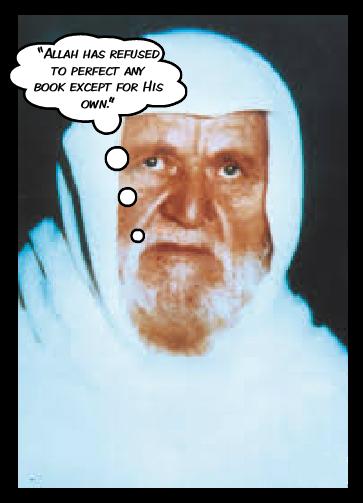
It is also possible that Shaykh Al Abani took Imam As Shafi’i (raheemullah) seriously when Shafi’i said, “Only Allah’s Book is perfect and free from error.” *

  • source: (Narrated by al-Khatib in Mudih Awham al Jam’wal-Tafriq 1:6)

Keep in mind that Nasir Al Abani had already died before he could begin to take a part in Bukhari’s canon in a more exquisite fashion.What follows is a small taste of this Shaykh’s thoughts and attitude towards Bukhari’s hadith collection.

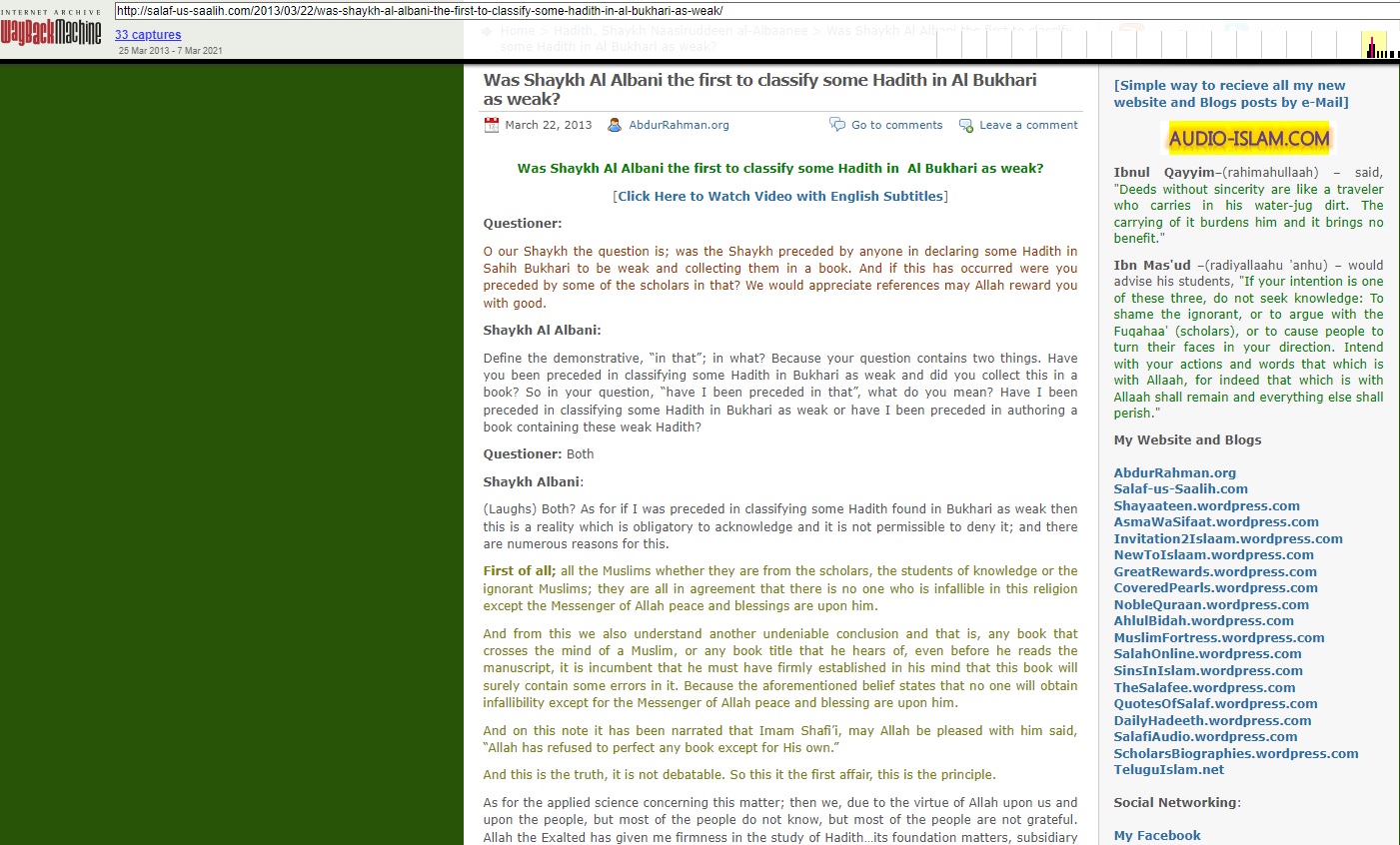
http://salaf-us-saalih.com/2013/03/22/was-shaykh-al-albani-the-first-to-classify-some-hadith-in-al-bukhari-as-weak/ (this link has been deleted by the Salafis!)

However, this is a new link (and one that I have captured pictures of & saved the text of).

You may watch the video here: https://www.youtube.com/watch?v=7v1moESgRb0

However, if they take it down I can send you the video and/or mp3 upon request. insh’Allah

http://mtws.posthaven.com/was-shaykh-al-albani-the-first-to-classify-so

Here is the link to the interview with the late Shaykh Al Abani. NOTE IMPORTANT! The video below had been deleted in the past by the Salafis below is the full captured text from the links that have been deleted. However, I will put up a new video link at the end of the discussion with Shaykh Al Abani. Please do make sure that you save this video before it goes missing as well!

Was Shaykh Al Albani the first to classify some Hadith in Al Bukhari as weak?

[Click Here to Watch Video with English Subtitles]

Questioner:

“O our Shaykh the question is; was the Shaykh preceded by anyone in declaring some Hadith in Sahih Bukhari to be weak and collecting them in a book. And if this has occurred were you preceded by some of the scholars in that? We would appreciate references. May Allah reward you with good.” -Questioner

Shaykh Al Albani:

“Define the demonstrative, “in that”; in what? Because your question contains two things. Have you been preceded in classifying some Hadith in Bukhari as weak and did you collect this in a book? So in your question, “have I been preceded in that”, what do you mean? Have I been preceded in classifying some Hadith in Bukhari as weak or have I been preceded in authoring a book containing these weak Hadith?”-Shaykh Al Albani

Questioner: Both

Shaykh Albani:

(Laughs) “Both? As for if I was preceded in classifying some Hadith found in Bukhari as weak then this is a reality which is obligatory to acknowledge and it is not permissible to deny it; and there are numerous reasons for this.”-Shaykh Al Albani

“First of all; all the Muslims whether they are from the scholars, the students of knowledge, or the ignorant Muslims; they are all in agreement that there is no one who is infallible in this religion except the Messenger of Allah peace and blessings are upon him.”-Shaykh Al Albani

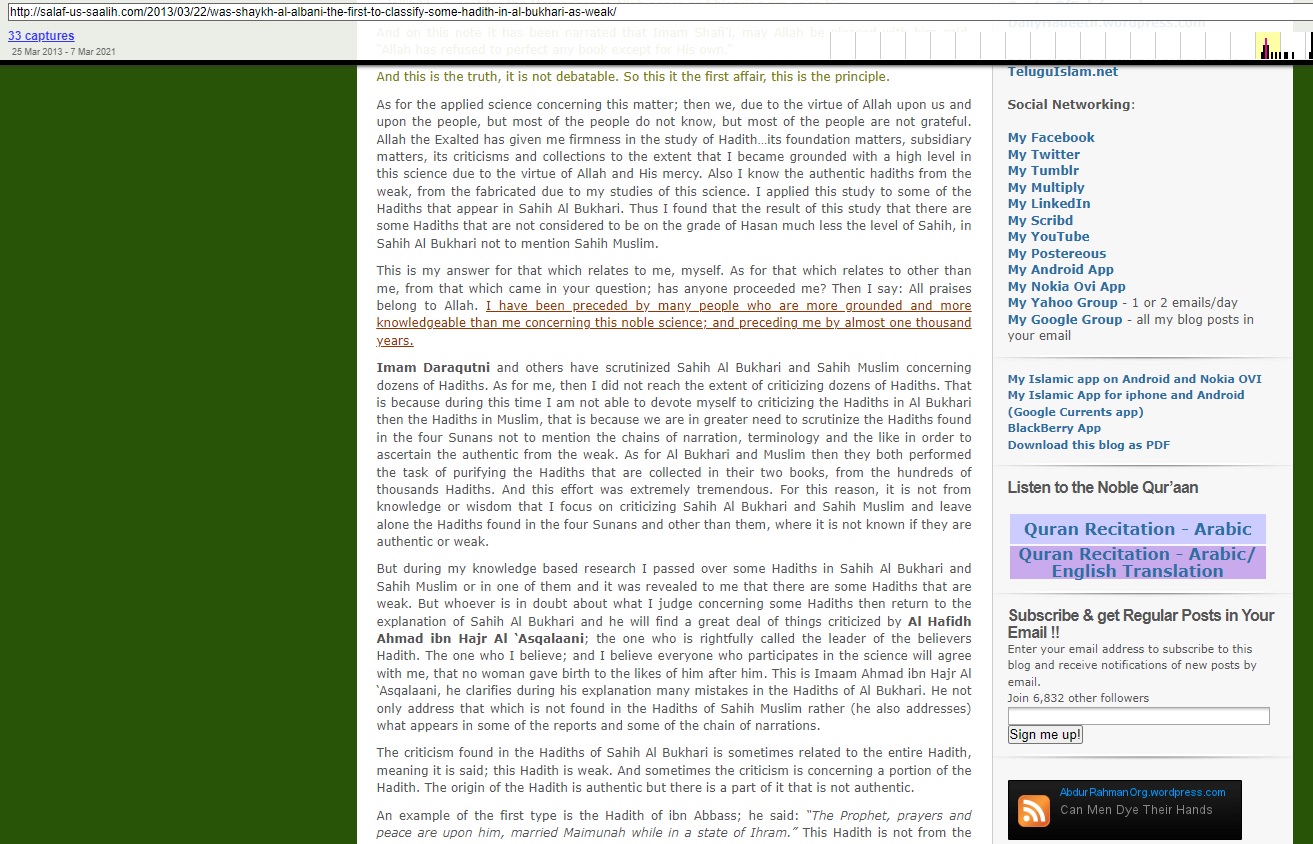
“Moreover, from this, we also understand another undeniable conclusion and that is any book that crosses the mind of a Muslim or any book title that he hears of, even before he reads the manuscript, it is incumbent that he must have firmly established in his mind that this book will surely contain some errors in it. Because the aforementioned belief states that no one will obtain infallibility except for the Messenger of Allah peace and blessing are upon him.”-Shaykh Al Albani”And on this note, it has been narrated that Imam Shafi’i, may Allah be pleased with him said, “Allah has refused to perfect any book except for His own.” –Shaykh Al Albani

“So this is the truth, it is not debatable. So this it the first affair, this is the principle.:-Shaykh Al Albani

“As for the applied science concerning this matter; then we, due to the virtue of Allah upon us and upon the people, but most of the people do not know, but most of the people are not grateful. Allah the Exalted has given me firmness in the study of Hadith…its foundation matters, subsidiary matters, its criticisms, and collections to the extent that I became grounded with a high level in this science due to the virtue of Allah and His mercy. Also, I know the authentic hadiths from the weak, from the fabricated due to my studies of this science. I applied this study to some of the Hadiths that appear in Sahih Al Bukhari. Thus I found that the result of this study that there are some Hadiths that are not considered to be on the grade of Hasan much less the level of Sahih, in Sahih Al Bukhari not to mention Sahih Muslim.”-Shaykh Al Albani

“This is my answer to that which relates to me, myself. As for that which relates to other than me, from that which came in your question; has anyone proceeded me? Then I say: All praises belong to Allah. I have been preceded by many people who are more grounded and more knowledgeable than me concerning this noble science and preceding me by almost one thousand years.”-Shaykh Al Albani

“Imam Daraqutni and others have scrutinized Sahih Al Bukhari and Sahih Muslim concerning dozens of Hadiths. As for me, then I did not reach the extent of criticizing dozens of Hadiths. That is because during this time I am not able to devote myself to criticizing the Hadiths in Al Bukhari then the Hadiths in Muslim, that is because we are in greater need to scrutinize the Hadiths found in the four Sunan not to mention the chains of narration, terminology and the like in order to ascertain the authentic from the weak. As for Al Bukhari and Muslim then they both performed the task of purifying the Hadiths that are collected in their two books, from the hundreds of thousands of Hadiths. And this effort was extremely tremendous. For this reason, it is not from knowledge or wisdom that I focus on criticizing Sahih Al Bukhari and Sahih Muslim and leaves alone the Hadiths found in the four Sunan and other than them, where it is not known if they are authentic or weak.”-Shaykh Al Albani

“But during my knowledge-based research, I passed over some Hadiths in Sahih Al Bukhari and Sahih Muslim or in one of them and it was revealed to me that there are some Hadiths that are weak. But whoever is in doubt about what I judge concerning some Hadiths then return to the explanation of Sahih Al Bukhari and he will find plenty of things criticized by Al Hafidh Ahmad ibn Hajr Al ‘Asqalaani; the one who is rightfully called the leader of the believer’s of Hadith. The one who I believe; and I believe everyone who participates in the science will agree with me, that no woman gave birth to the likes of him after him. This is Imaam Ahmad ibn Hajr Al ‘Asqalaani, he clarifies during his explanation many mistakes in the Hadiths of Al Bukhari. He not only address that which is not found in the Hadiths of Sahih Muslim rather (he also addresses) what appears in some of the reports and some of the chain of narrations.”-Shaykh Al Albani

“The criticism found in the Hadiths of Sahih Al Bukhari is sometimes related to the entire Hadith, meaning it is said; this Hadith is weak. And sometimes the criticism is concerning a portion of the Hadith. The origin of the Hadith is authentic but there is a part of it that is not authentic.”-Shaykh Al Albani

“An example of the first type is the Hadith of ibn Abbass; he said: “The Prophet, prayers and peace are upon him, married Maimunah while in a state of Ihram.” This Hadith is not from the Hadiths which is only found in Sahih Al Bukhari and not Sahih Muslim, rather they both agreed upon the narration of the Hadith in their books. And the reason for this is the report of this Hadith comes from the narrator and he is Abdullah ibn Abbas, and he is morally impeccable. Thus the chain of narration is authentic; no one can criticize its narrator. Whereas there are other Hadith where there is room to criticize the Hadith just from the standpoint of the narrator.”-Shaykh Al Albani

“An example from the men of Al Bukhari, there is a man named: Fulaih bin Sulaiman. Ibn Hajr described him, in his book Al Taqreeeb, as Sadooq (one who is a level below reliable) with a bad memory. Therefore if this person narrates a Hadith in Sahih Al Bukari, as a lone narrator and it is not supported by a Mutabi’ah (Two or more Hadith which are the same, narrated by the same Companion, while the rest of the men in the chain are different) nor it is supported by a Shaahid (Two or more Hadith which are the same narrated by different Companions) then his Hadith remains at the level of weak, that which can be strengthened with a Mutabi’ah or a Shaahid.”-Shaykh Al Albani

“As for the Hadith of Maimunah, that the Messenger of Allah prayers and peace are upon him, married her while he was in a state of Ihram, there is no room to criticize the chain of narration due to the lone narration as in the case of Fulaih bin Sulaiman for example. No, all of the people in the chain of narration are reliable and trustworthy. For that reason you do not find those who criticize this Hadith from the scholars, who preceded us by generations, that they found an angle to criticize this Hadith except concerning the first narrator in the Hadith, ibn Abbass and he is a noble Companion.”-Shaykh Al Albani

“They said this was a surmise from ibn Abbass and that is because he was young; from one standpoint. And from another standpoint, in his narration his contradicted the person in the Hadith, meaning the wife of the Prophet prayers and peace are upon him, who was Maimunah. As it has been authentically narrated from her the Prophet prayers and peace are upon him, married her while neither of them was in a state of Ihram. Therefore this Hadith was the surmise of the first narrator, him being ibn Abbass. Thus this Hadith is weak. And it is as you see; a limited number of words. “He married Maimunah while is a state of Ihram.” Four words (in the original Arabic) “He married Maimunah while is a state of Ihram.” -Shaykh Al Albani

“Similar to this Hadith and perhaps it is longer, there is another example in Sahih Al Bukhari”-Shaykh Al Albani

“The second category: The Hadith could be in its origin authentic, but one of the narrators erred by inserting in the text a sentence that was not from the Hadith of the Prophet, prayers, and peace be upon him.”-Shaykh Al Albani

“An example of that is the well-known Hadith in Sahih Al Bukhari that the Prophet, prayers and peace are upon him said: “Verily my nation will come on the Day of Judgment with bright streaks of light from the traces of wudu.” -Shaykh Al Albani

“Up until this point, the Hadith is authentic, and it has many supporting Hadiths. One of the narrators in Sahih Al Bukhari added: “Thus whoever is able to extend his streaks then let him do so”. Al Hafidh bin Hajr Al Asqalaani, and Ibn Al Qayyim Al Jawziyah, and his Shaykh ibn Al Taymiyyah, and Al Hafidh Al Muntharee, and other scholars have said this addition was inserted and it is not from the speech of the Messenger of Allah, prayers, and peace are upon him; rather it is from the speech of Abu Huraira.”-Shaykh Al Albani

“Thus the answer is complete in reference to the first condition, meaning I criticized some Hadiths and I have been proceeded by many Imaams. As for did I or someone other than me author a book (surrounding this topic) then I did not author a book. As for other than me, then they have authored books, but we are not able to mention a book today in this regard. This is the answer to what you asked.” -Shaykh Al Albani

Translated by Rasheed ibn Estes Barbee
http://mtws.posthaven.com/was-shaykh-al-albani-the-first-to-classify-so

NOTE IMPORTANT. This is a link to the video that was deleted above. Please do your self a favour and save this video before it becomes missing to or they take it down!

You may also listen to the mp3 here:

Conclusion:

Salafi Shaykh Nasir Al Abani has said that Bukhari has weak hadith and errors in its text. In many ways the Shakyh made it sound like it was a matter of Iman (of faith) to recognize that before even picking up Bukhari, acquiring Arabic, hadith sciences, and so forth that as a matter of Iman (faith) one can know that Bukhari has mistakes!

Look what he says above: “Another undeniable conclusion and that is, any book that crosses the mind of a Muslim, or any book title that he hears of, even before he reads the manuscript, it is INCUMBENT that he MUST have FIRMLY ESTABLISHED in his mind that this book WILL SURELY contain some errors in it.”

Also, note that the Shaykh made the following statement:

As for me, then I did not reach the extent of criticizing dozens of Hadiths. That is because during this time I am not able to devote myself to criticizing the Hadiths in Al Bukhari then the Hadiths in Muslim…”

But just in the small amount of time, he did allot to it it was enough for him to find weak hadith and mistakes in Bukhari.

So other scholars have said this addition was inserted and it is not from the speech of the Messenger of Allah, prayers, and peace are upon him; rather it is from the speech of Abu Huraira.”

Please also keep in mind that Shaykh Nasiruddin al-Albani is the Imam of Hadith for the Salafiyya. Nothing proves that more than the following interaction between Bin Baaz, Al al-Albani, and Uthaymeen.

May Allah guide the Ummah! May Allah forgive the Ummah! May Allah bless the Ummah!

9 Comments

Filed under Uncategorized

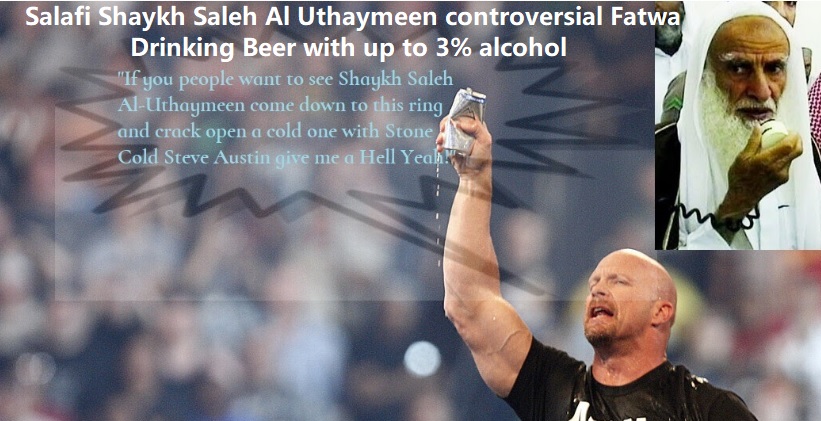
Salafi Shaykh Saleh Al Uthaymeen Controversial Beer Drinking Fatwa:

“By which Allah guides those who pursue His pleasure to the ways of peace and brings them out from darkness into the light, by His permission, and guides them to a straight path.”(Qur’an 5:16)

﷽ 

F1 Racing, Tourism, WWE Wrestling… the Middle East had a new Sheriff in town.

Abu Dhabi opens its first ever brewery. Where U.A.E goes Saudi usually follows.

https://www.middleeasteye.net/news/uae-abu-dhabi-first-brewery

“Never did We send a Messenger or a Prophet before you but that when he recited Satan would make insinuations about the revelations But Allah abrogates whatever insinuations Satan may make, and then He confirms and establishes His Revelations. Allah is All-Knowing, All-Wise.” (Qur’an 22:52)

“They will ask you about intoxicants (khamri) and games of chance. Say: “In both, there is great evil as well as some benefit for man; but the evil which they cause is greater than the benefit which they bring.” And they will ask you as to what they should spend Say: “Whatever you can spare.” In this way, Allah makes clear unto you His messages, so that you might reflect.” (Qur’an 2:219)

“Oh, you who have attained to faith! Intoxicants (khamru), and games of chance, and idolatrous practices, and the divining of the future are but a loathsome evil of Satan’s doing:’ shun it, (fa-ij’tanibuhu) then so that you might attain to a happy state!(Qur’an 5:90)

What does Allah (swt) tell us about Satan?

“Eat what Allah has provided for you and do not follow the footsteps of Satan. Indeed, he is to you a clear enemy.” (Qur’an 6:142)

Would you even sip from a cup from someone who was unto you a clear and open enemy? Think about it.

“By means of intoxicants (khamri) and games of chance, Satan seeks only to sow enmity and hatred among you, and to turn you away from the remembrance of God and from prayer. Will you not, then, desist?’ “(Qur’an 5:91)

The terms khamri, khamru also find another form here:

“And tell the believing women to reduce [some] of their vision and guard their private parts and not expose their adornment except that which [necessarily] appears thereof and to wrap [a portion of] their head-covers (bikhumurihinna) over their chests and not expose their adornment.” (Qur’an 24:31)

From the trilateral root khā mīm rā the word khamar means to cloud, obfuscate, conceal or cover.

Allah (swt) tells us about Khamar in verse 5:90 above to shun it (fa-ij-tanibuhu)

Let’s TAKE A LOOK AT THE TERM ‘IJTANIBU’

“And We certainly sent into every nation a messenger, saying, “Worship Allah and avoid (wa-ij’tanibu) Taghut.” And among them were those whom Allah guided, and among them were those upon whom error was deservedly]decreed. So proceed through the earth and observe how was the end of the deniers.” (Qur’an 16:36)

Comment: Now would anyone say that oppression in small quantities is good? Can I oppress my neighbor, fellow believer, fellow human being, wife, husband, parents, children just as long as it’s a little oppression and I don’t full-on oppress?

“That has been commanded, and whoever honors the sacred ordinances of Allah – it is best for him in the sight of his Lord. And permitted to you are the grazing livestock, except what is recited to you. So avoid (fa-ij’tanibu) the uncleanliness of idols and avoid (wa-ij’tanibu) a false statement.” (Qur’an 22:30)

Comment: Now is anyone going to say that it is ok to dabble with the uncleanliness of idols just a bit? Is anyone really going to say that it’s o.k to partake in false statements here and there just don’t make it a habit?

“And mention, when Ibrahim said, “My Lord, make this city secure and keep me and my sons away from (wa-uj-nub’ni) worshiping idols.” (Qur’an 14:35)

Comment: Now is anyone going to say that worshiping idols in small quantities or a bit is fine? It means to be careful when indulging in such things? Of course not!

Just as strong as the term ‘Haram’ the term ‘Ijtanibu’ is to avoid, shun, decline, reject, repudiate.

The other ayat that people will often use to say that alcohol was prohibited gradually or that you can drink as long as you don’t come to pray drunk  is the following verse:”O you who believe, do not approach prayer with a confused mind (Sakara) until you can understand all that you say. Nor in a state of ceremonial impurity, until after washing your entire body. If you are ill, or on a journey, or one of you comes from offices of nature, or you have been intimate with your woman, and you find no water, then take for yourselves earth, and rub your faces and hands with it, for Allah removes sins and forgives again and again.” (Qur’an 4:43)

*Note* This is taken from: (A.L Bilal Muhammed et al 2018) translation of the Qur’an in English which is the most sensible translation of the entire list here: https://www.islamawakened.com/quran/4/43/default.htm

Honestly, these other translations when it comes to this verse are horrible. Don’t approach the prayer drunk or intoxicated so the unassuming English reader will think this relates to alcohol and it doesn’t!

The word ‘Khamar’ is not where in the Arabic text. The term used in the Arabic text is Sakara, which can mean intoxicating drinks like in the following text.

“And from the fruit of the date-palm and the grape-vine, you derive both intoxicants (sakaran) and wholesome provision. There is certainly a Sign in that for people who use their intellect.”(Quran 16:67)

However, the term Sakara refers to a confused and befuddled mind, be that from alcohol or not. Notice the text continues ‘until you can understand what you say‘.

So the text in 4:43 in no way is a proof text to advocate minimal drinking of alcohol or drinking in between prayers. It does not even address the issue of alcohol as it addresses being in a conscious and aware and sober state when approaching the prayers regardless if the cause is alcohol or not.

Finally for those who say well Allah (swt) is going to allow us to drink wine in heaven so how can Satan’s handiwork get into heaven?

“A cup shall be made to go round them from water running out of springs, White, delicious to the drinkers, Neither will these (drinks) cause any ruinous effect, nor they be deprived of intellectual faculties thereby.” (Qur’an 37:45-47)

Allah (swt) has told us that this drink will be pure not causing fatigue, or deprivation of mental faculties and thus it will not be like the drinks we find on Earth.

Mantiq-Logic. It is amazing that Muslims think that they are able to go from ritual impurity to ritual impurity and yet do not believe that Allah (swt) can make something that is impure into something that is pure.

So now we come to the fatwa of the Shaykh of the Salafiyah, Shaykh Saleh Al Uthaymeen.

So here is the link where the Shaykh said it is O.K. to drink beer with ‘ minuscule’ amounts of alcohol in it. You can find the original fatwa here: https://islamqa.info/en/answers/33763/ruling-on-drinking-beer

Insh’Allah I am reproducing the text here:

Question

What is the ruling on drinking beer, noting that there are two kinds of beer – one with an alcoholic content and one with no alcoholic content? Is that regarded as an intoxicant?.

Answer:

“Praise be to Allah. It is essential to differentiate between the two kinds of beer” -Shaykh Saleh Al Uthaymeen

“The first is the intoxicating beer that is sold in some countries. This beer is khamr (an intoxicant) and it is haram to sell it, buy it and drink it. The Prophet (peace and blessings of Allah be upon him) said: “Every intoxicant is khamr and every intoxicant is haram.” Narrated by Muslim, 2003.”-Shaykh Saleh Al Uthaymeen

“It is haram to drink a lot or a little of it, even a single drop, because the Prophet (peace and blessings of Allah be upon him) said: “Whatever intoxicates in large quantities, a little of it is haram.” Narrated by al-Tirmidhi, 1865; classed as sahih by al-Albaani in Sahih al-Tirmidhi.”-Shaykh Saleh Al Uthaymeen

“The second type is the beer that is not intoxicating, either because it is completely free of alcohol, or because it contains a minuscule amount of alcohol that does reach the level of causing intoxication no matter how much a person drinks of it. The scholars have ruled that this is permissible.”-Shaykh Saleh Al Uthaymeen

Shaykh Ibn ‘Uthaymeen said:

“The beer that is on sale in our marketplaces [in Saudi Arabia] is all halal, because it has been inspected by the officials and is completely free of alcohol. The basic principle concerning all kinds of food, drink and clothing is that they are permissible until and unless proof is established that they are haram. Allah says (interpretation of the meaning):

“It is He Who created for you all that is on the earth.”

(Qur’an 2:29)

So if anyone says, this drink is haram, or this food is haram, or this garment is haram, say to him, Bring your proof. If he brings proof then we should do whatever is indicated by the proof. If he does not bring proof, then his words are to be rejected because Allah says (interpretation of the meaning):

“It is He Who created for you all that is on the earth.”

(Qur’an 2:29)

Everything in this world Allah has created for us. This general meaning is confirmed by the word jamee’an (translated here as “all”). And Allah says (interpretation of the meaning):

“while He has explained to you in detail what is forbidden to you.”

(Qura’n 6:119)

“So if something is haram, there should be a clear and detailed indication that it is haram. If there is no such proof then it is not haram. The beer that is to be found in our markets here in the Land of the Two Holy Sanctuaries (Saudi Arabia) is all halal and there is no doubt concerning that in shaAllaah.”-Shaykh Saleh Al Uthaymeen

“We do not think that any alcoholic content in a thing makes it haram, rather if something contains a percentage of alcohol which will make a person intoxicated if he drinks it, then it is haram. But if the amount is minuscule and does not have any effect, then it is halal.”-Shaykh Saleh Al Uthaymeen

“Some people think that the words of the Prophet (peace and blessings of Allah be upon him), “Whatever intoxicates in large quantities, a little of it is haram”, meaning that if a small percentage of an intoxicant is mixed with a large amount of a substance that is not intoxicating, then it is haram. This is a misunderstanding of the hadith. “Whatever intoxicates in large quantities, a little of it is haram” means that if a lot of something will cause intoxication, and a little of it will not cause intoxication, then a lot or a little are both haram, because you may drink a little that does not cause intoxication, then you may be tempted to drink more and become intoxicated. But if something is mixed with alcohol but the alcohol is a small amount and does not have any effect, then it is halal and does not come under the ruling of this hadith.” -Shaykh Saleh Al Uthaymeen

Al-Baab al-Maftooh, 3/381-382.

COMMENTS

Where to begin?

Let us take a first look at the absolute abuse of the following verse:

“It is He Who created for you all that is on earth.” (Qur’an 2:29)

It is true that Allah (swt) is the creator of everything on this Earth. No one disputes this. However, the assumption that everything on the Earth is permissible is certainly mistaken.

“So consume of the lawful and good food which Allah has provided for you, and thank the bounty of your Lord if it is Him you serve.” (Qur’an 16:67)

Allah (swt) has made plutonium and uranium and yet I do not think the desire of Allah (swt) is for us to make weapons-grade materials and kill each other with them!

The reasoning of Shaykh Uthaymeen and those like him is evidently flawed.

Shaykh Uthaymeen says,

“So if anyone says, this drink is haram, or this food is haram, or this garment is haram, say to him, Bring your proof. If he brings proof, then we should do whatever is indicated by the proof. If he does not bring proof, then his words are to be rejected,……”

Well, we have done exactly that. This whole article was about giving the proofs of why it is forbidden to be shunned, a handiwork of Satan, and any sane person would not receive a drink from one who is an open enemy to them.

Now let us juxtapose three texts together that Shaykh Uthaymeen uses and see if it makes any sense.

The Prophet (peace and blessings of Allah be upon him) said: “Every intoxicant is khamr and every intoxicant is haram.” Narrated by Muslim, 2003.

Shaykh Uthameen says,

Some people think that the words of the Prophet (peace and blessings of Allah be upon him), “Whatever intoxicates in large quantities, a little of it is haram”, meaning that if a small percentage of an intoxicant is mixed with a large amount of a substance that is not intoxicating, then it is haraam. This is a misunderstanding of the hadith.

Yet didn’t Shaykh Uthaymeen just quote a hadith that said every intoxicant is kharm and every intoxicant is haram? Yet here we have Shaykh Uthaymeen saying, a small percentage of an intoxicant is fine??

That is a flat contradiction!

Not only that but Shaykh Uthaymeen says,

“Whatever intoxicates in large quantities, a little of it is haram” means that if a lot of something will cause intoxication, and a little of it will not cause intoxication, then a lot or a little are both haram, because you may drink a little that does not cause intoxication, then you may be tempted to drink more and become intoxicated.”

So here Shaykh Uthaymeen seems to have his wits about him. Here he is acknowledging the problem of saying it only contains a bit of intoxication because the person will end up drinking more and becoming intoxicated. This looks like the light is on upstairs. He has finally come to his senses!

Yet he finishes with saying,

” But if something is mixed with alcohol but the alcohol is a small amount and does not have any effect, then it is halal and does not come under the ruling of this hadith. “

What on Earth is going on! How does that not lead to the problem he mentioned in the paragraph just above the sentence? How does this not lead to someone drinking a small amount of another small amount and another small amount and another small amount?

Who or what determines what this ‘small amount‘ is? Who or determines the effects it will have on various weight classes, men, women, children?

Yet low and behold this so-called ‘non-alcohol‘ and so-called ‘low-level alcohol‘ is gaining ground in Saudi Arabia. Yes, that is correct, Saudi Arabia!

https://www.euromonitor.com/beer-in-saudi-arabia/report

Arab nations ranked by alcohol consumption:

https://stepfeed.com/arab-countries-ranked-by-alcohol-consumption-from-lowest-to-highest-5822

and this article: https://www.reuters.com/article/uk-gulf-muslim-alcohol/alcoholic-drinks-market-booming-in-muslim-gulf-idUSLNE72904E20110310

The truth of the matter is that psychologically this need or desire to drink alcohol or even ‘halal beer’ comes from an inferiority complex.  The need to fit in and the desire to be accepted by western businessmen, the socially upward, etc…

Allah (swt) knows best!

We even have a video of Shaykh Saleh al Uthaymeen mentioning the drinking of alcoholic beverages with 1,2, and even 3% alcohol!!


Saleh al Uthaymeen was asked about beers. He said all the beers are halal in Saudi Arabia, then he continues to discuss the beers with alcohol content. He says even though if a beer has an alcohol content of about 1,2 or 3% it is still Halal.

Some people have misunderstood the hadith “Whatever intoxicates in larger quantities is also haram in smaller quantities”.

That if a smaller amount is mixed then it is haram as well, this is a wrong understanding.

Rather the correct understanding is if a larger quantity intoxicates and the smaller quantity doesn’t intoxicate then both quantities are haram, Why?

Because if a person takes a smaller quantity then his conscience asks for more and then he consumes a larger quantity thus becomes intoxicated.

However, if the amount of alcohol is smaller, then it is fine to drink it, as it is Halal.

Heineken has 3.2% alcohol content!!!

I have seen with my own eyes in Singapore in a place called Little India that our brothers from Bangladesh have begun picking up drinking.

They can get unruly and get into fights. In Algeria, alcohol consumption has picked up, which has led to domestic abuse and an increase in divorce cases.

Alcohol was the weapon of the colonizer against the Aboriginal people of Australia and against the Native people of North America.

These tailor-made fatwas are there for the benefit of the ruling elite and excuses for those who wish to satisfy their nafs! Can you imagine giving dawah at Hide Park while holding a can of 3% Heineken? Imagine going to a lecture on Islam and you have your beverage of choice, your 3% alcohol just sipping away on it during the conference!

Imagine breaking your fast with Heineken!

The unfortunate thing is, that it is actually Western nations and people that are slowing down their alcohol consumption whereas apparently Muslims and Muslim countries are slowly and steadily increasing their alcohol consumption!

May Allah (swt) protect the Ummah of the Blessed Messenger (saw). May Allah (swt) forgive the Ummah. It is my hope that the Muslim ummah will drop the scholars that call to fitna darkness and haram and follow those scholars that call them to peace, light and the permissible.

The following article has some excellent advice for Shaykh Saleh Al Uthaymeen.

https://www.canstar.com.au/health-insurance/what-does-alcohol-do-to-your-body/

The article says,

Alcohol affects everyone differently based on: 

  • Size, weight, and health
  • Whether the person is used to drinking it
  • Whether other drugs are taken around the same time
  • The amount consumed
  • The strength of the drink

Is there a safe alcohol limit?

Alcohol is a drug and, at the risk of being labeled a wowser, there is no safe level of drug use. The use of any drug, legal or illegal, always carries some risk. Due to the radically different ways that alcohol can affect people, there can be no one-size-fits-all safety rule for everyone. While there will always be some risk to general health and social well-being from consuming alcohol, there are ways to minimize the risks of alcohol-related harm.

So when Shaykh Saleh Al Uthayeem made such a fatwa did he consider.

size, weight, health, prescription drugs, amount consumed?No, he wrote a blank check by playing with what he felt were ambiguities in the sacred law!

Yet, when you look at the Qur’an carefully there are no ambiguities about this!

Dear brothers and sisters, the colonial powers introduced alcohol to the proud and noble Aborigines and Native American people before they worked their evil on them.

I leave you with the words of Allah (swt).

“Oh, you who have attained to faith! Intoxicants (khamru), and games of chance, and idolatrous practices, and the divining of the future are but a loathsome evil of Satan’s doing:’ shun it, (fa-ij’tanibuhu) then so that you might attain to a happy state!” (Qur’an 5:90)

May Allah Guide the Ummah

May Allah Forgive the Ummah.

10 Comments

Filed under Uncategorized

Saudi Dr. Saad Al-Humid Professor of Hadith Sciences in Medina flees from debate with Shaykh Saeed Al-Qanoubi on Creation of Qur’an

“Invite to the way of your Lord with wisdom and good instruction, and argue with them in a way that is best. Indeed, your Lord is most knowing of who has strayed from His way, and He is most knowing of who is rightly guided.”(Qur’an 16:125)

﷽ 

Saudi Dr. Saad Al-Humid flees from debate with Shaykh Saeed Al-Qanoubi and his evasion of contact with Shaykh Dr.Khaled Abdali on the issue of the creation of the Qur’an.

Honorable Shaykh Saeed bin Mabrouk Al-Qanoubi is one of the contemporary Omani scholars specializing in the sciences of hadith. He is called by Omanis the Imam of the Sunnah and the Fundamentals, and they consider him their reference in the sciences of the Prophetic Sunnah.

Saad Al-Hamid is a professor of Hadith sciences at the Imam Muhammed bin Saud University in Medina (May Allah honor her). However, he appeared in a T.V episode with a stray Egyptian brother and hurled insult after insult and lied about Al-Ibadiyah.

Honorable Shaykh Saeed Al-Qanoubi stands upon what is the truth and the firm position. But those misguided people are not able to confront him.

We are posting this video to show the Muslims the reality and the truth. May Allah (swt) protect us from being perverts and those who treat lying like a minor thing.

Noble Shaykh Khalid Al Abdali (h)has an excellent 10-part series in Arabic on the Qur’an being created. Huge thanks to Brother Ahmad Abu Azzan for this!

Just as their premier scholar, Ibn Baz, refused to debate our Shaykh, the honorable Ahmed bin Hamad Al-Khalili (h). So his followers follow him in escaping from the people of truth and straightness. You can see that here:

With Allah (swt) is the victory and the help of Allah (swt) alone is sought.

If you are interested to see more articles on the issue of rather or not the Qur’an is created or uncreated you are invited to read:

https://primaquran.com/2022/10/04/lets-attack-hamza-yusuf-in-ramadan-the-quran-is-created/

https://primaquran.com/2022/10/04/speech-of-allah-is-the-quran-created/

May Allah Guide the Ummah.

May Allah Forgive the Ummah.

5 Comments

Filed under Uncategorized

Jabir Bin Zaid not Ibadi? Imam Al Rabi’ ibn Habib unknown? The Musnad of Imam Al Rabi’i falsified?

“My Lord, increase me in knowledge.” (Qur’an 20:114)

﷽ 

The Muslims, (The People of the Truth and Steadfastness) Ahl al Haqq Wal Istiqamah, are not well represented in the books of our opponents.

As with all works that deal with heresiography one should not expect unbiased, impartial and fair treatment of the subject.

Jabir Bin Zaid not Ibadi?

Imam Al Rabi’ ibn Habib unknown?

The Musnad of Imam Al Rabi’i falsified?

May Allah (swt) bless all the brothers who contributed in the making of this post. May Allah (swt) continue to open the eyes and the hearts of the Ummah of the Blessed Messenger (saw).

May Allah (swt) Forgive the Ummah.
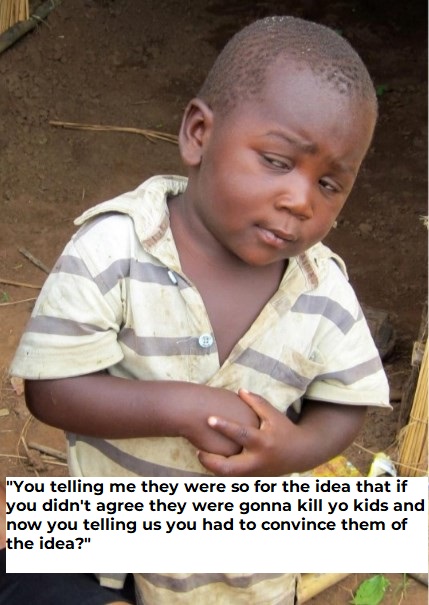
May Allah (swt) Guide the Ummah.

2 Comments

Filed under Uncategorized

Ahl al-Haqq Wa-l istiqama Resource Page

“So remain on the right course as you have been commanded, you and those who have turned back with you to Allah, and do not transgress. Indeed, He is Seeing of what you do.” (Qur’an 11:112)

﷽ 

This will be a resource page that will be updated from time to time. It is hope that this gives you various resources to know more about the school of Ahl al-Haqq wa-l istiqama (The People of Truth and Straightness)  Otherwise, this school is commonly known as the ‘Ibadi’ school.  For those Muslims who are curious about the Ibadi school and/or the Not-Yet Muslims who when coming to Islam want to choose the Ibadi school.

It is hoped that this will continue to be a wellspring of beneficial resources for your continued guidance and wellbeing. You will find contained blogs, websites, YouTube channels and pdf files in Arabic, English, Swahili, French, & Russian

General Information on the Ibadi school:

The Following are websites in English with general information on the Ibadi school:

http://bintibadh.blogspot.com/

I will say that this sister is the FIRST presence of Istiqama daw’ah on the internet. She is due immense credit. May Allah (swt) bless her in this life and the hereafter

A link to our brothers in the United Kingdom. If you are in the U.K why not pay a visit to the brothers here:

https://www.ahlulistiqamah.co.uk/index.php/en/

A great channel by our brother Assad Al Muharami who translates important issues from Arabic into English.

An amazing channel that clarifies doubts and accusations that are hurled at our school. Perhaps the first channel in the English language in the history of the school, to do so!

https://www.youtube.com/channel/UCiYKj6BG1S3B4_N-OHj4ntw

A great channel by our brother the Ibadi theologian who translates important issues from Arabic into English

For those of you always keen to learn more about the Ibadi school and want more resources in the English language I can only give a huge endorsement to this YouTube Channel.

https://www.youtube.com/@Ibaditheologian

I know the person behind the channel to be passionate about sharing the truth, humble, kind and always ready to rectify his errors or shortcomings before his Lord-as should be the case for all of us. You will find a great deal of very useful information.

The YouTube channel of the Noble Shaykh Al-Muatasim al- Maawali. (May Allah continue to benefit us by him)

https://www.youtube.com/channel/UCAAArancZv-LGQpw005WFAQ

Those two PDF files are titled: Ibadhism a moderate sect of Islam & Ibadism in the studies of Ali Yahya Mu’ammar and they are available for download here:

Click on the following link to read my brief entry sharing my thoughts about these next two PDF books.

https://primaquran.com/2024/05/09/ibadhism-a-moderate-sect-of-islam-ibadism-in-the-studies-of-ali-yahya-muammar/

Studies in Ibadism by Dr. Amr K. al-Nami (May Allah continue to benefit us by him)

studies_in_ibadhismDownload

Resources on how to perform prayer in the Ibadi school

The Prayer of the Blessed Prophet (saw) as though you saw it with your own eyes. (According to the People of Truth and Steadfastness)

Salaat Simplified – z-card

Premier Basic Ibadi Fiqh book in the English language on the performance of the Prayer.

al-Muatamad English Part no.1, Version no.1Download

This is truly a monumental work and achievement by Shaykh Al-Muatasim Al-Mawali (Religious Studies Supervisor at Sultan Qaboos University). This book, Al-Muatamad (The Reliable Jurisprudence on Prayer) was going for a fee. However, Shaykh Muatasim has given me permission to share the pdf file to this website. Many times people will come and take and not appreciate the efforts that others have done. So I am humbly asking you that if you follow this method in your prayers to ask Allah (swt) to reward Shaykh Muatasim for delivering to us in the English speaking world the method of prayer as instructed by the Blessed Messenger (saw).

Prayer in Sketches and Color Prints by Dr. Ali Bin Hilal Al-Abri.

Another great resource on performing the prayer.

10 reasons that prohibits raising the Hands and folding them in prayer by Shaykh Naser Bin Sulaiman As-Sabe’i

(May Allah preserve him and continue to benefit the ummah by means of him).

Information on Ibadi Theology.

The Overwhelming Truth” By the honorable Shaykh Ahmed Al Khalili (May Allah continue to benefit us by him). 

The Overwhelming Truth

Ghayat Al Murad (A poem on theology) by Shaykh Imam Noor Al Deen Al Salimi (r)

Information on Ibadi Hadith methodology.

Towards Understanding Hadith-Ibadi approach (Our Noble Teacher, the respected Shaykh Juma Al Mazrui (hafidhullah)

May Allah (swt) bless him his family and his descendants. May Allah (swt) grant him felicity in this life and in the life to come. He has certainly benefited many. Those who would like to hear more from Shaykh Mazrui you may find many of his talks on YouTube: https://youtu.be/O0rHyn9N_m8

Please download the following pdf in English.

The Critique of hadith in Early Ibadi literature by Abdulrahman al-Salimi (May Allah continue to benefit us by him)

the_critique_of_hadith_in_early_ibadi_liDownload

Jami Sahih-the Musnad Al Rabi bin Habib (English from a French translation) by Al Rabi Bin Habib Al-Farahdidi (May Allah have abundant mercy on him)

jami_sahih_the_musnad_al-rabi_bin_habib_english_from_french_translation_by_al-rabi_bin_habib_al-farahidi_z-lib.org_1Download

Information about Ibadi History, Battles of Siffin & Nahrawan etc.

Al-Khawarij Reality or Legend series: The is a set of books from the honorable Shaykh Juma Muhammad Rashid Al-Mazrui (May Allah continue to benefit us by him).

Al-Khawarij Reality Or Legend 1

Alkhawarij Reality Or Legend 2

AL-KHAWARIJ REALITY OR LEGEND 3

Ibadhism: The Cinderella Story of Islam.  This is an excellent book by the noble  Sheikh Soud H. Al-Ma’awaly (May Allah continue to benefit us by him)

IBADHISM The Cinderella of islam

Ibadism East of Mesopotamia (Early Islamic Iran, Central Asia and India) by Abdulrahman Al-Salimi. (May Allah continue to benefit us by him).

Abdulrahman al-Salimi, is working in early Islamic sources. He is currently editing and studying Ibadi texts of the 8th and 9th centuries, in regard to their authenticity, and contents, in an effort to further the understanding of early Islamic political and theological thought.

Ibadism-east-of-mesopotamiaDownload

Ibadi Texts from the 2nd 8th Century by Abdulrahman al-Salimi (May Allah continue to benefit us by him)

ibae1b88di-texts-from-the-2nd8th-century-by-abdulrahman-al-salimi-wilferd-madelung-z-lib.org-1Download

Major sins in Islam and their Repentence

Major Sins & Their Repentance. An excellent book by the noble Sheikh Abdullah Amor Al-Marhuby (May Allah continue to benefit us by him)

Major Sins & Sincere Repentance

Basic Ibadi Moral and Ethical Guide for Children: Instructing Children on what is required of the Human Being.

русский

Блог для растущего сообщества в России и Центральной Азии.

https://ibadhis.blogspot.com/

Телеграмм-группа для растущего сообщества в России и Центральной Азии.

https://t.me/ibadi_ru

kiswahili


Tovuti ya Ibadhi kwa Kiswahili kwa walio Afrika Mashariki

https://ibadhi.com/sw/

مکتبہ اباضیہ کے بارے میں مزید معلومات کے لیئے

Situs web dalam bahasa Indonesia

https://ahlulhaqqid.github.io

Siapaka Ibadhiyyin Itu?

Informations en français

 Istiqama Daw’ah en Algeria.  Une Super chaine YouTube avec anglais/arabe/francais.

https://www.youtube.com/channel/UCECdAXyvcyPc-QLqNGEJeUw

Türkçe bilgiler

عربي

ﻣﺻدر راﺋﻊ ﺑﺎﻟﻠﻐﺔ اﻟﻌرﺑﯾﺔ. ﺗﺳﻌﻰ اﻟﻘﻧﺎة إﻟﻰ ﺗﺣﻘﯾق اﻟﺳﻼم واﻟﻣﺣﺑﺔ واﻟوﺋﺎم واﻟﺗﺳﺎﻣﺢ ﻓﻲ اﻟﻣﺟﺗﻣﻌﺎت اﻟﻌرﺑﯾﺔ واﻹﺳﻼﻣﯾﺔ، ﻣن ﺧﻼل ﺑراﻣﺞ ھﺎدﻓﺔ ﺗﻐطﻲ ﻣﺧﺗﻠف ﺟواﻧب اﻟﺣﯾﺎة.

http://www.istiqama.tv/ & https://www.youtube.com/@MidadALQalim

ﻣوﻗﻊ راﺋﻊ ﯾﺣﺗوي ﻣراﺟﻊ إﺑﺎﺿﯾﺔ ﺑﺎﻟﻌرﺑﯾﺔ.

https://alsaidia.com/

ﻣوﻗﻊ آﺧر راﺋﻊ ﯾﺣﺗوي ﻣراﺟﻊ إﺑﺎﺿﯾﺔ ﺑﺎﻟﻌرﺑﯾﺔ.

http://noor-alestiqamah.com/

اﻟﺣق اﻟداﻣﻎ

اﻟﻧﺳﺧﺔ اﻟﻌرﺑﯾﺔ:

https://primaquran.com/wp-content/uploads/2020/06/d8a7d984d8add982-d 8a7d984d8afd8a7d985d8ba.pdf

إذا ﻛﻧت ﺗﺳﺗطﯾﻊ ﻗراءة اﻟﻌرﺑﯾﺔ، ﻓﮭذا ﻓﻌﻼً ﯾﺟب ﻗراءﺗﮫ!

اﻟﺧوارج واﻟﺣﻘﯾﻘﺔ اﻟﻐﺎﺋﺑﺔ – اﻟﺷﯾﺦ ﻧﺎﺻر ﺑن ﺳﻠﯾﻣﺎن ﺑن ﺳﻌﯾد اﻟﺳﺎﺑﻌﻲ

noor-book.com-d8a7d984d8aed988d8a7d8b1d8ac-d988d8a7d984d8add98 2d98ad982d8a9-d8a7d984d8bad8a7d8a6d8a8d8a9-d986d8a7d8b5d8b1-d 8a8d986-d8b3d984d98ad985d8a7d986-d8a8d986-d8b3d8b9d98ad8af-d8a 7

Al-Jami’i Al-Sahih (Musnad Al- Imam Al-Rabii) In the Arabic language.

10 reasons not to raise the hands in prayer.

Al-Jawahir AlMuntaqah الجواهر المنتقاه The selected gems By Abul-Qasem Bin Ibrahim Al-Barradi -May Allah have mercy on him -available for download here:

This is prepared by the noble and respected, Shaykh Abu Tayyib Khalfan ALtywani. May Allah (swt) bless him for this enlightening work!

42 Comments

Filed under Uncategorized

Refutation: Those who claim Heaven is not only for Muslims.

“Indeed, the religion in the sight of Allah is Islam. And those who were given the Scripture did not differ except after knowledge had come to them – out of jealous animosity between themselves. And whoever disbelieves in the verses of Allah , then indeed, Allah is swift in account.” (Qur’an 3:19)

May Allah (swt) reward our brother who has done an excellent service in provided a translation to those seeking the truth in the English language. May Allah (swt) continue to bless and reward our noble Shaykh, and illustrious scholar, Abdullah bin Saeed Al Ma’mari (May Allah benefit us from him.)

“And whoever desires other than Islam as religion – never will it be accepted from him, and he, in the Hereafter, will be among the losers.” (Qur’an 3:85)

 “And whoever denies the faith – his work has become worthless, and he, in the Hereafter, will be among the losers.” (Qur’an 5:5)

 “But for those who deny the Truth, their deeds are like a mirage in the desert, which the thirsty supposes to be water until he comes to it only to find that it was nothing; he found instead that Allah was with Him and He paid his account in full. Allah is swift in settling the account. Or its similitude is that of depths of darkness upon an abysmal sea, covered by a billow, above which is a billow, above which is cloud, creating darkness piled one upon another; when he puts forth his hand, he would scarcely see it. He to whom Allah assigns no light, he will have no light. (Qur’an 29:39-40)

“And We will regard what they have done of deeds and make them as dust dispersed. (Qur’an 25:23)

“And it was already revealed to you and to those before you that if you should associate anything with Allah , your work would surely become worthless, and you would surely be among the losers.” (Qur’an 39:65)

As for the evidences that those rely upon, the followers of Perennialism, the religion of Humanism and the like:

“Indeed, those who believed and those who were Jews or Christians or Sabeans [before Prophet Muhammed] – those [among them] who believed in Allah and the Last Day and did righteousness – will have their reward with their Lord, and no fear will there be concerning them, nor will they grieve.” (Qur’an 2:62)

“Indeed, those who have believed [in Prophet Muhammed] and those [before Him] who were Jews or Sabeans or Christians – those [among them] who believed in Allah and the Last Day and did righteousness – no fear will there be concerning them, nor will they grieve.” (Qur’an 5:69)

It is important to understand that Islam has manifested through the previous Prophets/Messengers.

So this is why it is important to understand the word ‘Muslim’ as-a state of being.

So the verses above are in reference to those Christians, Sabeans and Jews who believed and died as Muslims will have no fear nor shall they grieve.

“And the same did Ibrahim enjoin on his sons and (so did) Yaqoub. O, my sons! surely Allah has chosen for you (this) faith, therefore die not unless you are Muslims (muslimuna). (Qur’an 2:132)

O you who believe! be careful of (your duty to) Allah with the care which is due to Him, and do not die unless you are Muslims.” (Qur’an 3:102)

“And if only the People of the Scripture had believed and feared Allah, We would have removed from them their misdeeds and admitted them to Gardens of Pleasure. “ (Qur’an 5:65)

“Indeed, they who disbelieved among the People of the Scripture and the polytheists will be in the fire of Hell, abiding eternally therein. Those are the worst of creatures.” (Qur’an 98:6)

It is narrated on the authority of Abu Huraira that the Blessed Messenger of Allah (saw) said:

By Him in Whose hand is the life of Muhammed, he who amongst the community of Jews or Christians hears about me, but does not affirm his belief in that with which I have been sent and dies in this state (of disbelief), he shall be but one of the denizens of Hell-Fire.

You may wish to see our article here:

Repent! Accept the Truth! May Allah (swt) guide you!

May Allah Guide the Ummah.

May Allah Forgive the Ummah.
Leave a comment

Filed under Uncategorized