“And cooperate in righteousness and piety, but do not cooperate in sin and aggression.” (Qur’an 5:2)
﷽
The translation of the Arabic in the text above into English reads as follows:
“I asked my father about this picture, and he told me: This picture is of the Sultanate’s delegation from its various sects during the Islamic Unity Conference in the city of Mashhad. We entered to perform the Maghrib and Isha prayers at the Imam Reza Mosque, so the sheikh brothers asked for me to be an imam, so I indicated to them that Dr. Ali should come forward because the country and the mosque are from the Jafari school of thought.
Pictured above in the standing position are Muslims who follow the Zaydi, Ibadi, Hanafi, Hanbali, Shafi’i and Maliki schools, respectively. They are following the Imam of the Ja’fari school.
Hayya alas Salah means exactly that: Come to Prayer. It does not mean come to this or that group or sect. The Imam leads the prayer. You stand behind him as long as he is Ahl Qiblah. Simple.
If the Imam leading the prayer harbors things in his heart that are not good, those who follow him are free from it. The follower’s only obligation is to follow the Imam in the prayer, not in his view.
Narrated Anas bin Malik:
Allah’s Messenger (saw) said, “Whoever prays like us and faces our Qibla and eats our slaughtered animals is a Muslim and is under Allah’s and His Apostle’s protection. So do not betray Allah by betraying those who are in His protection.”
The title of the video: Praying behind Non-Ibadi -Shaykh Dr. Kahlan Al-Kharusi (h), the assistant Mufti of Oman.
The honorable Shaykh went to mention that we can pray behind any of the Muslims from the Ahl Qiblah.
So, basically the honorable Shaykh is telling us that the sect of the Imam does not affect our prayer. The only time it breaks the prayer is if the person (regardless of sect) is adding something that breaks the prayer and this is regardless if he is an Ibadi or not.
The title of this video is: Is it permissible to pray behind someone who recites a surah with Al-Fatihah silent prayer? -Shaykh Ahmed Al Khalili (h) Mufti of Oman
So the people came and asked the honorable Shaykh about praying behind (Sunni Muslims) because during the dhuhr and asr prayers it is known that many of them recite a surah other than al fatiha in the first two rakats.
So the honorable Shaykh replied it is not an issue at all. They have their evidence and we have our evidence.
In Ibadi school we recite surah after al fatiha in fajr, maghrb and isha. However, just like the last two rakats of isha and the last rakat of maghrib, likewise in the last two rakats of dhur and asr we do not recite anything other than al fatiha.
Here is a Sunni website that goes into some discussion on the matter:
The title of the video is: Praying behind an imam who recites prayers and performs the qunut.
The honorable Shaykh again says that this is not an issue for us. Our belief is that the Qunut was abrogated, and it is no longer part of the prayers. However, if we follow those who do it, it does not affect our prayers.
The actions of the Imam do not affect the prayers of those who pray behind him. That is unless he does an action where he adds extra rakat, shortens the prayer, forgets prostration.
If the actions of the Imam (that we differ on) affected the prayer of those behind them, then Sunni Muslims of various schools could not pray behind each other.
Salafis who follow Shaykh Bin Baz, who puts his hands on his chest after the ruku, could not follow the Salafis who leave their hands at their sides after the ruku and vice versa.
What about the beliefs of the Imam leading the prayer?
The title of this video is: What is the ruling on praying behind someone who believes in a vision?
This means those Muslims who believe we will see Allah (swt) in the afterlife?
So, as you can see, this is now not about fiqh but about the aqidah (the beliefs of the Imam).
This is a very strong fatwa by the honorable Shaykh. The people also asked: “What about those who say we do not pray behind the Ibadi?” The Shaykh responded: “We do the opposite.” We pray behind them if they become Imams for us. We will not be like them. We will do the opposite of their action.”
Be tranquil in your prayer.
We should be tranquil in our prayers. There is no action in our prayer that requires us to look to the left or the right until the termination of the prayer with taslim (salam).
Which, by the way, the mashur (majority) view in our school is that the prayer terminates with one taslim (salam) to the right. However, we have an opinion concerning doing two taslim (salam to the right and left) and we are encouraged, if we are an Imam in a majority Sunni area, to take the view of doing the two taslim. This is to avoid any fitna.
Prostration of Forgetfulness.
If this occurs before the Taslim, we follow the Imam in the prostration of forgetfulness.
So this is the way with us and our school and the path is spacious. Have tranquility when in your prayer, dear brothers and sisters. What is important is to ask ourselves after each prayer.
Was my prayer acceptable to Allah (swt)? Not concern ourselves with what the others are doing. Allah knows best and the help of Allah is sought.
“So compete with one another in doing good.” (Qu’ran 2:148)
﷽
Ramadan Day 27: The more people who compete in goodness the more goodness will spread in this world.
*Heart Illness: Eating Haram* From the things that cause heart toughness is eating Haram, that is why Muslims should search for Halal in his food, drink and clothing.
In a narration that Abu Bakr may Allah -be pleased with him- drank some milk brought to him by a slave of his, he asked him: “where did you get this from?” the slave replied: “I did some fortune telling for some people and they gave me it in return”,
So Abu Bakr put his finger in his throat to throw up out of fear that he ate Haram.
A Lesson in Scrupulousness (Wara’): This incident is a prime example of the extreme piety and scrupulousness of the Prophet’s Companions, especially Abu Bakr as-Siddiq. They were not just concerned with avoiding major sins but were also hyper-vigilant about the source of their sustenance (rizq), ensuring it was 100% pure and lawful (halal).
*Walayah and Bara’ah of Rulers and Their followers* It’s obligatory to ally with the Imam of Muslims who is appointed by Ahl al-ḥall wa-l-ʿaqd (Arabic: أهل الحل والعقد) -which is an Islamic concept referring to “the people who loosen and bind, and took the path of the Qur’an and the Sunnah, his walayah in this case is as obligatory as obeying him as long as he doesn’t do something that would prevent obeying him.
It’s also obligatory to ally with all the people under his authority while they obey the Imam if no bad things comes out of them and they don’t violate the laws of Allah.
Question: Some may wonder: why are we giving the subjects of the Imam a special case when it’s the same as any other person? The answer: when the law of Allah is applied by a legal Imam and the rulings are applied for the strong and the weak, the people are supposed to be upon straitness except those who do what obligate dissociation and as much as you should ally with the just Imam you should also dissociate from the unjust ruler and anyone who helps him and aids him in his injustice.
However, you shouldn’t dissociate from all the subjects of the unjust Imam as there could be some believers who are forced to live under the rule of an oppressor.
If you would like to learn more about this we refer you to our article here:
*Zakat Al Fitr* Zakat Al Fitr also known as Zakat Al Abdan is an obligatory type of worship related to the people (and not wealth) the other type of Zakah which is obligated based on the wealth of the individual to purify his wealth, but Zakat Al Fitr isn’t about the wealth but about the soul so it is made to purify the soul.
Who is it obligated for? Answer: It’s obligated for eveey Muslim, man or woman, old or young, free or slave. The person gives it for himself and whoever he provides for, and if someone wants to give the Zakah instead of someone who he doesn’t legally have to provide for then he should tell him first. and knowing the fact that it’s given based on souls and not wealth, this means that even the poor should give Zakat Al Fitr if he can sustain himself for a month.
When is the time of Zakat Al Fitr? Answer: the opinion of Shaykh Ahmed Al Khalili (h) and Shaykh Saeed Al Qannoobi (h) is that the time of Zakat Al Fitr starts from the sunset of the last day of Ramadan until the Eid prayer.
There are three permitted times for Zakat Al Fitr: – after the sunrise of Eid until the Eid prayer, and this is the best time – after sunset of the last day of Ramadan – three or four days before Eid, as was done by some companions, and this can be due to the nature of place and time, as long as the person who is given the Zakah remains worthy of it (alive, Muslim, poor…etc)
What should be given? Answer: the Hadith mentioned some types of food like dates, barley, raisin…etc, in the prominent opinion: the food given in Zakat Al Fitr shouldn’t necessarily be from the types mentioned in the Hadith but should be based on what the local people use as food, for example here in Malaysia the common food is rice.
How much should be given? Answer: one unit of Sa’ صاع and it’s a measurement of volume approximately equivalent to four hand fulls of an average man.
because Sa’ is a measurement of volume instead of mass we should be careful as this means that each food type can differ in mass.
1 Sa’ ≈ 2.43 Liters 1 Sa’ of rice ≈ 2.048 kg of rice
I hope this overview is clear and Allah knows best
“Those are a people who have passed away; theirs is that which they earned and yours that which you earn. And you will not be asked of what they used to do.” (Qur’an 2:141)
﷽
Once more our school demonstrates to the Ummah a very practical and pragmatic approach.
On the authority of Abu Hurayrah (ra) who said:
The Messenger of Allah (saw) said, “Part of the perfection of one’s Islam is his leaving that which does not concern him.”
We as Muslims should not concern ourselves with who is in heaven or in hell. We should instead concern ourselves about our own station with Allah. As Fathers , are we guiding our children? As parents are we guiding our children? As a spouse am I assisting my spouse to get there? That is our immediate concern.
Nor should we be among those who think they have the keys to heaven and hell able to distribute it to whomever we like!
A very eye opening video on the matter by Dr Shaykh Abdullah al-Mu’ammari. -May Allah continue to benefit us by him.
“And-they say: “How can we say that the people of Fitra can be damned, while the Prophet (saw) parents lived upon such fitra?”
Thus also, that means we must then affirm the damnation of the Prophets Parents and that they are in hellfire. And that saying such is not permissible etc.; First, this issue originally is not acceptable for one to enter upon it with emotions to be emotional about it.
Because in principle there is no harm if the father of a prophet is a disbeliever or the son of a prophet is a disbeliever. Or for that matter if the wife of a Prophet is a disbeliever. And all of these have their examples. As Allah mentioned that the son of Noah was a disbeliever.
As Allah mentions about Nuh (as) “And Noah called out to his Lord, Saying: My son is of my family and your promise is true and you are the most just of judges.” (Qur’an 11:45)
“And Allah replied: “Oh Noah, He is not of your family, he has done that which is no right.” (Qur’an 11:46)
So, this individual was a disbeliever as well. He was a disbeliever in the sense that he was disobedient to Allah. Thus, he was destroyed along with those destroyed.
And as Allah says: “And the waves came between them and he was among the drowned.” (Qur’an 11:43)
And as well the father of Ibrahim (as). He was also a disbeliever. And the verses mentioning such are many.
And Ibrahim (as) disassociated himself from his father.
“And the request of forgiveness of Ibrahim for his father was only because of a promise he had made to him. But when it became apparent to Ibrahim that his father was an enemy to Allah, he disassociated himself from him. Indeed was Ibrahim compassionate and patient.” (Qur’an 9:114)
As well as the wives of Noah and Lot, the Wives of the two were disbelievers. As mentioned in Surah Al Tahrim. And in other chapters in regard to the wife of Lut (as).
Allah presents an example of those who disbelieved: the wife of Noah and the wife of Lot. They were under two of Our righteous servants but betrayed them, so they [i.e., those prophets] did not avail them from Allah at all, and it was said, “Enter the Fire with those who enter.” (Qur’an 66:10)
Therefore there is no problem. Religion is not an inheritance. There is no harm. But as regard the parents of the Prophet (saw) there is no obligation on us to say that they were disbelievers-Allah forbid!
Rather we withhold judgement on that (Wuqoof). As we say that the issue of aqeeda(creed) are founded upon certain decisive evidences and are no founded upon speculative evidences.
For we can not delve into the unseen/unknown about a person. Whether they are in heaven or in hell. Only this can be said with certain decisive evidence.
Thus, in regard to the parents of the Prophet (saw) we withhold judgement on their abodes and their issue is with Allah.
And we do not overwhelm ourselves with that-which our knowledge has not reached.
“Those are a people who have passed away; theirs is that which they earned and yours that which you earn. And you will not be asked of what they used to do.” (Qur’an 2:141)
As for those narrations -they are inconsistent with each other and are ahad. And the scholars, some have faulted them in regards the salvation of his father or the salvation of any of his (saw) Parents.
Some of the narrations mention that the Prophet (saw) asked his Lord to resurrect his mother Aminah -Then Allah resurrected her and then she believed and died again.
These narrations are just to affirm her salvation. But these statements collide with the clear evidences on resurrection of the dead. This is far from that by a lot!
Also we find the narration of Muqabil that in it is that a man asked the Prophet (saw) about his Father who had died upon polytheism and the Prophet (saw) said he is in the hellfire.
And that man replied: “And your father?” To which the Prophet (saw) said: “If you pass by the grave of a disbeliever give him glad tidings of hellfire.” And in other narrations: “My father and yours are in hell.”
Regardless of what was said. In regard to this narration and the in authenticating it. We cannot confirm it. And for that reason as I said before, Some of the scholars have faulted it. In accepting its narration. Some say if it is affirmed it is ahad and speculative. So it is not permissible for one to rely upon it or fault those who have abandoned it.
And for that reason it is for us to withhold judgement (wuqoof) on this matter and to leave the matter to Allah (swt) The Exalted.
In deciding for specific individuals whether this person is in heaven or that person is in hell-The decision is with Allah!
And there are from the scholars those who originally kept silent on such issues and on speaking about Ahlul Fatrah-and says the issue needs more looking into.
Thus, our school removes from the Ummah one less barrier, one less issue to debate about. Suspend judgement and practice wuquoof.
“The faculties of seeing (tudriku) cannot grasp Him, and He grasp all–seeing (yudriku), He is the All-Subtle and All-Aware.” (Qur’an 6:103)
﷽
A question that every Christian should ask every Muslim who calls themselves the following: Salafi, Athari, Ahl Hadith, Hanbali.
1 What form/shape of Allah (swt) is it that these people knew?
“Then the Almighty will come to them in a shape other than the one which they saw the first time, and He will say, ‘I am your Lord,’ and they will say, ‘You are not our Lord.’ And none will speak: to Him then but the Prophets, and then it will be said to them, ‘Do you know any sign by which you can recognize Him?’ They will say. ‘The Shin,’ and so Allah will then uncover His Shin whereupon every believer will prostrate before Him.”
“Allah will come to them in a shape other than they know and will say, ‘I am your Lord.’ They will say, ‘We seek refuge with Allah from you. This is our place; (we will not follow you) till our Lord comes to us, and when our Lord comes to us, we will recognize Him. Then Allah will come to then in a shape they know and will say, “I am your Lord.’ They will say, ‘(No doubt) You are our Lord,’ and they will follow Him.”
“People asked the Prophet (saw): O’ Messenger of Allah will we see our Lord in the Day of Resurrection? Then the Messenger of Allah replied: Is there any dispute among you whether a full moon is visible? They answered: No. then The Prophet (saw) continued asking them: “ Is there any dispute among you whether the sun is visible in a cloudless sky? They replied in the negative. Then The Prophet stated (saw): “Then you will see your Lord JUST LIKE this”. Allah will get the people together in the Day of Resurrection then He says: those who were worshiping any deity shall follow it. Then the ones who were worshiping the sun will follow the sun and the ones who were worshiping the moon will follow the moon and those who were worshiping Rebels will follow Rebels …Then Allah will come to them in a FORM other than WHAT THEY KNEW and say: “I am your Lord”, they reply: “We seek refuge in Allah from you. This is our place until our Lord Comes to us, and when our Lord comes to us, we will recognize Him. THEN ALLAH WILL COME TO THEM IN A SHAPE THEY KNOW and will say, I am your Lord’ They will say, ‘(No doubt) You are our Lord,’ and they will follow Him.”
There are many problems with the apparent reading of this text and the approach that the Athari/Salafi take.
A) It follows from it that His Essence (dhat) Exalted is He, changes from one form to the other. Such change is characteristic of contingent existents [huduth]. It, necessarily implies contingency of Him.
B) It also follows from it that Allah, Exalted is He, is seen by this ummah (including believers and hypocrites)in this world with clear sight so that His form will remain printed in the minds of those who see. Then, when He comes to them in another form, they will refuse to accept that form as their Lord, and they will seek refuge in Allah from it.
Otherwise, how would they recognize His form, seeing that they did not recognize Him when He came in a form other than that, and they recognized Him when He turned back to it? And all of this is at the first of the Stations of the Day of Resurrection!
There have been debates with our scholars the Ahl Al Haqq Wal Istiqamah-The People of Truth and Straightness (The Muslims) and certain among them on these matters.
When they were pinned down with this argument, they answered that this knowledge of His form is not a result of any earlier seeing. It is a result of their knowledge from the description of Him in His Book and in the Prophet’s Sunnah!
They were urged strongly: Whoever has read the Book of Allah and has studied the Sunnah of His Messenger must know that real form in which He will see his Lord, Exalted is He, so that, when he sees Him in another form, he does not recognize Him. Then please bring us the description of this form and definition of it from your knowledge through your reading of the Qur’an and your study of the hadiths of the Messenger (saw). Then they were taken aback and their argument became void, and all the praise belongs to Allah.
And among what falsifies their interpretation that they turned to fleeing from the compelling argument is its opposition to the clear text of the hadith of Abu Sa’id in the Sahihayn.
It is in the Sahih of al-Bukhari with the words: ‘Then the Omnipotent will come to them in a form than what they had seen Him in at first.’
The wording of Muslim is: ‘Until when no one is left except those who worshipped Allah, pious and non-pious, then the Lord of the Universe, Exalted is He, will come to them in a form closer to the one they have seen Him in.’
Both wordings are clear that their knowledge of His form will be a result of a previous seeing. There is no way for those who take the hadith literally but to say that He is seen in this world.
Yet most of them have rejected that (the seeing of Him in this world).
Whoever said it restricted the seeing of Him to some special individuals, and did not hold the opinion that it included the pious and the non-pious of this ummah, nor the opinion of the seeing of Him in barzakh (the isthmus between the two worlds).
That is something no one has claimed before, let alone had any evidence for it.
If you found this article helpful you may enjoy the following:
“And what is there after the truth but error.” (Qur’an 10:32)
﷽
It has been our observation that many in the Muslim Ummah take the wrong approach when dealing with the Shi’a or Pro-Alids in general. They revisit historical disputes and the same ol tired back and forth between those who think that Ali was robbed and those who say he was never intended to be the leader of the Muslims after the death of the Prophet (saw).
However, you see, at Primaquran.com we like to think ahead.
WE TOOK A RIDE ON THE SHI’A BUS AND WE HIGHLY RECOMMEND THAT YOU DO AS WELL!
That’s right! Pack your backs as we are going on an adventure folk!
So imagine if you will that you no longer differ with anything ‘The Shi’a’ said in regard to who should have led the Muslims after the Prophet (saw). In this scenario, you just simply agree. Ali was robbed. Ali should have been the one and he was dealt a mighty injustice!
So let us say we agree with all of that. Where does this lead us? Where do the Ummah end up?
But here is the thing that is only the first leg of our journey. Ali is the first city on this tour. He is by no means the last. So, after Ali then who? Hassan or Hussein? Then after them, then who?
So we are currently on the Imam Ali bus, and we made an exchange and now are on the Imam Hassan bus (though later you will see some will not acknowledge this bus at all).
After the Imam Hassan Bus, we took the Imam Hussein bus. From here we get on board the Imam Ali ibn Hussein bus. This bus is also known as the Imam Zayn al-Abidin bus.
Before we can get on to the next bus, we have a major dispute among the planners of our journey. There is a huge tumult among the followers of the Imam Ali ibn Hussein bus.
ZAYDI Zayd Ibn Ali /Muhammed ibn Ali al-Baqir conflict on which bus to take
We have a huge layover, and it looks like for the rest of our journey the passengers will now be split. We will have to make a choice between taking the Imam Zayd Ibn Ali bus or the Muhammed Ibn Ali al-Baqir bus.
So the passengers get on different buses at this point. Those passengers that take the Muhammed ibn Ali Al-Baqir bus then get on board the Ja’far al Sadiq bus and, not long after the travel on this bus, we unfortunately face another major dispute among the planners of the journey. There is another huge tumult among the followers of the Ja’far al Sadiq bus.
ISMAI’LI/JA’FARI Isma’il ibn Ja’far/Musa ibn Ja’far al-Kazim conflict on which bus to take.
We have another huge layover, and it looks like for the rest of our journey the passengers will now again be split. We will have to make a choice between taking the Isma’il ibn Ja’far bus or the Musa ibn Ja’far al-Kazim bus.
So the passengers get on different buses at this point. Those passengers who get on the Musa Ibn Ja’far al-Kazim bus continue to take a series of buses until they board the last bus, known as the Muḥammed ibn al-Ḥasan al-Mahdi bus, which concludes the journey…thus far.
Those who get on board the Isma’il ibn Jafar bus continue to take a long series and succession of buses without further ado until they get on board the Abu Tamim Maʿad al-Mustanṣir biʾllah bus and not long after the travel on this, but we unfortunately face another major dispute among the planners of this journey. There is a huge tumult among the followers of the Abu Tamim Ma’ad al-Mustansir bi’llah bus.
NIZARI/MUSTA’LI Abu al-Qasim Aḥmad ibn al-Mustanṣir/Abu Mansur Nizar ibn al-Mustansir conflict on which bus to take.
Those who get on board the Abu Mansur Nizar ibn al-Mustansir bus take a series of buses until they get on board the current bus, the Rahim Al-Hussain bus.
Those who get on board the Abu al-Qasim Aḥmad ibn al-Mustanṣir bus continue to take a series of buses and a succession of buses without further ado until they get on board the Abuʾl-Qasim al-Ṭayyib ibn al-Amir bus and not very long after the travel on this bus, that we unfortunately face another major dispute among the planners of this journey. There is a huge tumult among the followers of the Abuʾl-Qasim al-Ṭayyib ibn al-Amir bus.
HAFIZI/TAYYIBI Abuʾl-Maymun ʿAbd al-Majid ibn Muḥammed ibn al-Mustanṣir/Abuʾl-Qasim al-Ṭayyib ibn al-Amir conflict on which bus to take.
For the first time in the Fatimid dynasty, power was not passed from father to son. This had to be justified. Thus, an appeal was made for the supposed appointment of the Blessed Prophet (saw) to Imam Ali.
Those who take the Abuʾl-Maymun ʿAbd al-Majid ibn Muḥammed ibn al-Mustanṣir bus continue taking the bus until the 15th century, when it takes an abrupt turn off a cliff and the captain of the bus and those on board come to a tragic end. Those that remained on the Abuʾl-Qasim al-Ṭayyib ibn al-Amir bus believed that although al-Tayyib was gone, he and the subsequent Tayyibi imams all remain hidden. Thus, instead of one hidden Imam, we have a whole line of hidden imams. The Tayyibi community was instead led by a sequence of ‘absolute missionaries’, also known as the da’i al-mutlaq.
At this point, there is even more commotion as to which bus is being driven by the da’a that correctly speaks on behalf of the hidden imams.
DAWOODI/SULAYMINI/ Dawood Bin Qutubshah/Sulayman Bin Hassan conflict over which is the correct bus to take.
It is worth taking note that a huge contingent of these Ismai’li Mustaali converted to Sunni Islam. In particular, the Hanafi School. They were known as Sunni Bohra. Among some noteworthy descendants are: Shaykh Mufti Menk, Shaykh Ahmed Deedat, Hafiz Muhammed Patel-known for establishing the Tabligh Jamaat in the U.K., Ghulam Muhammed Vastanvi, the former vice chancellor of Darul Uloom Deoband. Yusuf Ali, the world-renowned translator of the Qur’an into English.
The historical conversion of groups like the Sunni Bohras to Sunni Islam often stemmed from a desire to exit this complex and fractious system of succession and return to what they saw as the simpler, more stable foundations of the Quran and Sunnah as understood by the majority scholarly tradition they immediately had as alternative.
Shi’i Bus Tour Division
REFLECTIONS ON WHERE THE SHI’A BUSLEADS.
So, at the end of the day, many Muslims spend time arguing with Shi’a over the succession of the Blessed Prophet (saw). However, as we suggested, we would rather a person take a peak into the future and see where it leads. As we said, if one were to grant that the Shi’a (as much as Ali should have been the one to lead the Muslims) are right, what does it say about further successions? As we said, the story begins with Ali. It certainly does not end there. So one would have to investigate further claims.
Are the Zaydis correct in their claim? Or are the Imami (Ja’fari/Dawoodi-Taybi-Musta’li-Ismai’li/Sulaymani-Taybi-Must’ali-Ismai’li/Nizari-Ismai’li)
If we lean on the Imami side, then who is correct in the following schism?
The Ja’fari or the Ismai’li?
If one were to lean on the Ismai’li side, then who is correct in the following schism?
The Nizari or the Must’ali?
If one were to lean on the Musta’ali side, then who is correct in the following schism?
Dawoodi or Sulaymani?
By “taking the Shia bus,” one is not just accepting the status of Ali as the one who should have been the Imam. One is implicitly accepting the entire theological system of Imamah—the belief in a divinely appointed, and necessary guide in every age.
The subsequent splits we have mapped reveal the inherent instability of this system of succession outside of a clear, unambiguous, and divinely protected text (like the Qur’an). Each schism is proof that the question “Who is the Imam now?” has rarely had a single, universally accepted answer within the Shia paradigm. This is the primary theological objection that Allah would not leave guidance for His Ummah to a system that results in such perpetual uncertainty and division.
Our bus tour is a simple heuristic device. It demonstrates that:
The doctrine of Imamah is the engine of the Shia bus, and every major dispute is a breakdown in that engine’s transmission.
The journey doesn’t end with acknowledging Ali; it requires navigating a labyrinth of subsequent successions, each with its own claims and counter-claims.
The question isn’t just “Was Ali right?” but also “If he was, what was the system supposed to be, and does any group actually have it functioning today?”
It presents some difficult challenges.
Example: Two brothers both claim to be Imam. Both of these brothers are descendants of the Blessed Prophet (saw), they are Ahl Bayt.
If the masses support Brother A and fight Brother B, does this mean they hate the ahl bayt?
If the masses support Brother B and fight Brother A, does this mean they hate the ahl bayt?
Will the masses make an infallible decision to choose an infallible guide?
So let us look at where each of these would bring us today.
The Zaydis have been without an Imam from the line of Fatima (ra) since the passing of Imam Muhammed al Badir in 1996. 30 years without an Amir Ul Mumineen and the community seems to be doing just fine without one.
The Ja’fari have been without a living accessible Imam available to all since 874. Instead, the faithful have to put their trust in the Wilayat al-Faqih , which they hope is able to discern the will of the Mahdi. They have to settle for the Imam to return in some future dramatic eschatological event.
The Nizari Ismai’li are the only ones who can, at the very least, claim they have a living accessible Imam in the Aga Khan. They are basically a philanthropic organization for those satisfied with secularism. If their Imam walks into a 7-11 and buys a Snickers candy bar, he has to pay taxes like everyone else.
Dawoodi-Taybi-Musta’li-Ismai’li & The Sulaymani-Taybi-Must’ali-Ismai’li are in the same condition as the Ja’fari in that their living Imam is not accessible to the masses but only available via the da’i al-mutlaq.
CONCLUSION AFTER TAKING A RIDE ON THE SHI’A BUS.
Zaydis have not put themselves in a corner by describing their imams as being infallible or by having nass imamate. So they can have an interlude (like they have currently).
When we think of the last Zaydi Imam, Muhammed ibn al-Hasan, again, some may have a hard time registering in their minds that the commander of the faithful would leave a war-torn region to go live in the United Kingdom and pay taxes to their government. It is just not something that one pictures Ali doing. Especially considering the English government recognized the Yemeni government in the same way that the Saudis did.
Zaydis have two perspectives when it comes to dealing with what are believed to be the rights of Ali.
Al-Jarudiyyah (Jarudiyyah) Named after its founder, Abu’l-Jarud Ziyad ibn Abi Ziyad.
Key Belief: This is the most hardline Zaydi position regarding the early Caliphs.
They hold that the Blessed Prophet Muhammed (saw) explicitly designated Ali ibn Abi Talib as his successor through numerous clear texts (nass jali).
Therefore, anyone who opposed Ali’s right to leadership was effectively an unbeliever or a major sinner who had strayed from the truth. This view is very close to that of Twelver (Ithna’ashari) Shi’a.
This position is perhaps the most dominant among the Yemeni Zaydis today.
Al-Batriyyah (Batriyyah) A more moderate wing of early Zaydism. The name “Batri” is said to come from the word batr, meaning “to curtail” or “cut off,” implying they “curtailed” their allegiance to Ali or his rights.
Key Belief: They took a much softer stance on the early Caliphs.
They believed that while Ali was the most qualified and deserved to be the Imam, the community’s election of Abu Bakr and Umar was valid because they were righteous rulers who judged according to the Qur’an and Sunnah. They practiced “postponement” (irja), withholding judgment on the matter.
Here is Hussain Badreddin al-Huti, a Yemeni scholar and Zaydi politician who says that Umar Ibn Al Khattab (ra) is the beginning of all the problems.
“Every calamity the ummah has faced, Umar was the main cause of that evil”
The Ja’fari. One would think if we are going to say that we need an infallible guide and interpreter to correctly understand the Qur’an and the Sunnah, and then we are going to say that a fallible human being (wilayat al-faqih) now interprets infallible information (from the hidden Imam) this view is wanting.
That being said, the more traditional and sober among them (The Ja’fari) will have to reign in some of these more extreme practices and statements that would put those who state them outside the fold of Islam, without doubt. Granted, this video is polemical in nature and directed towards some online Ja’fari personalities. Albeit the concern of the rest of the Ummah is that the more sober-minded among the Ja’fari will reign in these practices and statements. In a gathering that is more akin to a rave, you can hear the main correcting people who say that Ali is Allah. He corrects them by asserting that Ali can create 1000s of Allahs! May Allah forgive us and guide us!
The video below is an example of some of these extreme beliefs. We also want to inform the readers that we do endorse the personal attacks at the beginning of the video.
“O believers! Do not let some ridicule others, they may be better than them, nor letwomen ridicule other women, they may be better than them. Do not defame one another, nor call each other by offensive nicknames. How evil it is to act rebelliously after having faith! And whoever does not repent, it is they who are the wrongdoers.” (Qur’an 49:11)
It should be stated unequivocally that many Ja’fari Shi’a learned people themselves find the above practices abhorrent and deeply problematic. Unfortunately, there is much to be done by the Ja’fari Shi’a scholarship to reign in these beliefs and practices.
The current biggest challenge of the Ja’fari Shi’a?
. The Paradox of the Fallible Interpreting the Infallible
The point is devastatingly logical from first principles:
Premise 1: Humanity requires an infallible (ma’sum), divinely-appointed guide to correctly understand and implement the Quran and Sunnah. Without him, error is inevitable.
Premise 2: This guide, the 12th Imam, is in occultation and inaccessible.
Solution: A class of fallible scholars (fuqaha) study his teachings and deduce his will.
Contradiction: The entire system was created because fallible humans (the community without an Imam) are deemed incapable of correctly understanding revelation on their own. Yet, the solution is to have… fallible humans interpret the will of the infallible guide.
Nizari Ismai’li
Maintain a living, present Imam. Result: The Imam’s role adapts (some would say dilutes) to fit a modern, secular world.
This may surprise the readers, but of all Shi’a groups that believe we should be led by an Imam from the line of Fatima (ra) the Nizari Ismaili would be the sensible choice. Muhammed (saw) was the Imam of the Muslims, and he was accessible to all. He was not hidden by some “pay wall”. The Nizari Ismai’li never needed the doctrine of wilayat al-faqih or needed some da’i al-mutlaq (fallible human-contrived methods) to ascertain the infallible perfect guide.
Alas, the current Aga Khan does not declare it wajib for Muslims to pray five times a day or fast in the month of Ramadan.
The Aga Khan’s role is indeed heavily focused on global philanthropy, development, and cosmopolitanism. Critics argue this comes at the expense of traditional Islamic law and ritual, making the faith more of a cultural-ethical identity. Our “7-11 and Snickers” analogy humorously drives home the point: the Imam exists within the modern secular system; he doesn’t stand entirely outside it as a purely spiritual sovereign.
Dawoodi-Taybi-Musta’li-Ismai’li & The Sulaymani-Taybi-Must’ali-Ismai’li
They may need to challenge the Nizari view who has the correct Nass of the Imam.
Something that one cannot help to notice is all those 7 year old children among the Sulaymani and Dawoodi that have better recitation of the Qur’an than a proclaimed Imam of the Muslims! The Nizari Imam-The Aga Khan. We have never seen a public demonstration of his ability to properly recite the Qur’an.
However; the Musta’li Ismai’li have the same problem that the Ja’fari do. The doctrine of wilayat al-faqih or some da’i al-mutlaq (fallible human contrived methods) to ascertain the infallible perfect guide. Both will have continuing to look to the horizons.
So this brings us to the end of the Shi’a bus tour. This is where we are in 2025. The journey begins with Ali, but it does not end there.
So your choices are…
Zaydi-no current Imam.
Ja’fari-Imam in hiding relates matters to Wilayat Al Faqih
Ismai’li Nizari-Aga Khan
Ismai’li Mustali Sulaymani-Imam in hiding relates matters to Da’i al-Mutlaq.
Ismai’li Mustali Dawoodi-Imam in hiding relates matters to Da’i al-Mutlaq.
When we step back and look at the landscape we’ve so thoroughly mapped—the complex schisms, the theological paradoxes, the modern-day compromises—the question “what’s the big deal?” isn’t a dismissal of history; it’s a profound critique of present-day priorities.
Our encouragement to “ride the Shi’a bus and see where it takes you” is the ultimate reality check. That journey, as we’ve shown, doesn’t lead to a single, unified, triumphant destination of perfect justice and guidance. Instead, it leads to:
A 30-year vacancy for the Zaydis.
A 1,150-year (and counting) absence for the Twelvers, managed by fallible scholars.
A living but secular-adjacent Imam for the Nizaris, focused on philanthropy within the modern nation-state system.
A hidden Imam represented by a single “Absolute Missionary” for the Bohras.
This isn’t a critique of the sincerity of their faith. It is, however, a stark demonstration that no branch of Shiism has successfully actualized the ideal of a divinely-guided, infallible political and spiritual leader in the modern era. Every group has had to adapt, compromise, or accept a state of perpetual waiting.
Therefore, the intense focus on who was right about 7th-century succession begins to look like a monumental distraction from the pressing issues facing the entire Ummah today: oppression, poverty, intellectual stagnation, and internal strife.
Further implications.
Shi’i often talk about Shi’i -Sunni unity. To the credit of Sunni Muslims, they do often have
Intra-Sunni unity conferences where they come together. Sunni-Sunni unity.
When can we expect the same from the Shi’i? Shi’i-Shi’i Unity?
When can we see an intra-Shi’i unity conference? A conference that would include a Jafari, Taybi, Zaydi, Nizari Shi’a altogether?
“Say: ‘O Allah, Lord of all dominion! You give dominion to whom You will, and take away dominion from whom You will, and You exalt whom You will, and abase whom You will. In Your Hand is all good. Surely You are All-Powerful.” (Qur’an 3:26)
“Your only guardians are Allah, His Messenger, and fellow believers—who establish prayer and pay alms-tax with humility. Whoever allies themselves with Allah, His Messenger, and fellow believers, then it is certainly Allah’s party that will prevail.” (Qur’an 5:55-56)
﷽
First and foremost, it must be said from the beginning. We don’t have any objection to following an Imam who is from the Quraysh or from the lineage of the Prophet (saw).
Our predecessors did exactly that. We simply state, based upon evidence, that neither is a must.
Simply bring someone whom the Ummah will follow from the Quraysh who is righteous and just and meets the other criteria and we will follow. Simple.
If one cannot, then the problem lies with the inability to find such one. Not with our refusal to follow such a one.
This has to be one of the few glaring differences between the Ibadi school and the Zaydi school. That is the matter of leadership among Muslims. For that matter, this particular issue is a distinct feature of the Ibadi school compared to all other schools in Islam.
A foundational and defining principle of the Ibadi school of Islamic thought, and it is supported with strong, clear Qur’anic evidence.
The first point that has to be conceded here is that there is no explicit text anywhere in the Qur’an that argues that a particular tribe of people, even the Quraysh, is more fit for leadership in lieu of others.
In fact, Allah (swt) has told us in a very clear verse:
“O humankind, indeed We have created you from male and female and made you peoples and tribes so that you may know one another. Indeed, the most noble of you in the sight of Allah is the most righteous of you. Allah is Knowing and Acquainted.” (Qur’an 49:13)
The most noble in the sight of Allah is the most righteous. Now, when Allah (swt) revealed this verse, he was quite aware of the existence of both the Quraysh and Banu Hashim. Yet, neither is singled out.
We do, however, also have an explicit text where Allah (swt) gives us a clear example of where preference can be given to a non-Arab, non-Quraysh, and non-Hashmi in lieu of an Arab, a Quraysh, or a Hashmi.
Pay close attention to the status of the one in this verse before society and before Allah.
“And do not marry mushrik women until they believe. And a believing slave woman is better than a mushrik, even though she might please you. And do not marry mushrik men until they believe. And a believing slave is better than a mushrik, even though he might please you. Those invite to the Fire, but Allāh invites to Paradise and to forgiveness, by His permission. And He makes clear His verses to the people that perhaps they may remember.” (Qur’an 2:221)
In the scenario above, the slave has a low status before the people.
The free person has a high status before people.
In both situations, when a believer is to access who to give their son or daughter to for the continuation of their lineage, the believer is always superior to the unbeliever in every scenario.
Let’s break down and expand upon the points, placing them within the broader context of Islamic theological schools.
Summary of The Core Argument: We argue that leadership (Imamah) in the Muslim community is based solely on piety (taqwa) and religious merit, not on lineage, tribe, or social status. The Qur’anic verses that are cited (49:13 and 2:221) establish a principle where spiritual merit absolutely supersedes worldly status.
This is a central and distinguishing feature of Ibadi Islam.
Expanding on the Ibadi Position The Ibadi school takes this Qur’anic principle to its logical conclusion regarding political leadership.
For Ibadis:
The Imam must be the most qualified Muslim: The leader of the Muslim community must be chosen based on his knowledge (ilm), piety (taqwa), and justice (adl). He must be capable of defending the community and governing according to Islamic law. Non-Qurayshi Imamate is Permissible: There is no requirement for the Imam to be from the Quraysh tribe or from the lineage of the Blessed Prophet (saw) – (Banu Hashim).
A pious, knowledgeable, and capable Muslim from any ethnic or tribal background is eligible for the position.
A Rejection of Tribal Aristocracy:
This stance was historically a conscious rejection of the Umayyad and Abbasid caliphates, which Ibadis viewed as having corrupted the office of the caliphate by turning it into a hereditary kingship (mulk) based on tribal and dynastic privilege rather than merit.
Contrasting with the Zaydi (and Other) Islamic Schools
Zaydi Position: The Zaydis, like other Shi’a schools (though to a less absolute degree than the Twelvers or Ismailis), hold that the Imam must be a descendant of the Blessed Prophet Muhammed (saw) through his grandsons Hasan and Husayn (from the Banu Hashim). For them, this lineage (nasab) is a necessary condition, though not sufficient on its own. The Imam must also be knowledgeable, pious, and must rise up to claim the position against an unjust ruler.
Sunni Position: The majority Sunni position, historically, has been that the Imam should be from the Quraysh. This is based on various hadiths (e.g., “The Imams are from Quraysh”) that are accepted in Sunni collections. While not a pillar of faith (aqidah) in the same way, it became a near-universal political doctrine in classical Sunni thought. Our argument directly challenges this Sunni consensus by prioritizing the explicit Qur’anic verse (49:13) over these hadiths.
The Strength of The Theological Example (Qur’an 2:221) The use of Surah Al-Baqarah, verse 221 is particularly powerful. It’s not just a general statement of virtue; it’s a practical legal ruling that establishes a hierarchy where faith completely inverts social status.
The argument is logical and theologically robust.
The Scenario: A free, noble, wealthy, and high-status idolater is proposing marriage. The Counterpart: A believing slave, who possesses the lowest possible social status. The Divine Judgment: The believing slave is objectively better (khayr) and is the only permissible choice.
This provides a direct analogy for leadership:
A Qurayshi or Hashimi who is less pious or unjust is like the high-status idolater. A non-Qurayshi who is supremely pious and capable is like the believing slave. Following the Qur’anic logic, the latter is the better choice for the “marriage” between the community and its leader.
Conclusion We have accurately pinpointed a core theological and political difference. The Ibadi school’s stance on the Imamate is one of its most distinctive features, setting it apart from Sunni, Zaydi, and other Shi’a schools. This position is not an innovation but is built upon a strict, literal, and principled application of Qur’anic values—specifically, the radical redefinition of nobility and merit found in verses 49:13 and 2:221.
Our analysis demonstrates that for Ibadis, the question of leadership is ultimately a matter of applying the same divine criteria used in all other aspects of faith, refusing to make an exception for political power based on tribal or dynastic claims.
“Do We consider the righteously striving believers equal to the evildoers in the land? “Are the pious ones equal to those who openly commit sin?” (Qur’an 38:28)
In The Farewell Sermon, the Blessed Messenger (saw), “O people, your Lord is One and your Father is one. An Arab has no superiority over a non-Arab; and a non-Arab has no superiority over an Arab. “A white person has no superiority over a black person, and a black person has no superiority over a white person except by piety and good action.”
Source: (Musnad al-Imam Ahmad ibn Hanbal (Beirut: Muʾassasah ar-Risalah, 2001), hadith no. 23489, 38: 474)
Some verses that are used by the misguided may be used to manipulate concepts or ideas of tribal and/or racial superiority.
“And We have certainly honored the children of Adam and carried them on the land and sea and provided for them the good things and preferred them over much of what We have created, with preference.” (Qur’an 17:70)
So the question must be asked: In what way has Allah (swt) given preference to man over creation?
Usain Bolt cannot match the speed of a cheetah. In 5.95 seconds they reach up to speeds of 75 miles per hour /120km per hour.
A fully-grown silverback gorilla can lift 4,000 lb (1,810kg) on a bench press. A juiced-up human around (401kg).
Bats have superior navigation at night.
Whales can hold their breath underwater for nearly an hour.
There are just too many situations and scenarios when animals and insects showcase abilities that are far superior to anything a human being possesses.
So in what way are humans preferred?
We have been given a soul, and revelation, for example.
“For it is He Who has appointed you a vicegerent over the earth, and has exalted some of you over others in rank, that He may try you in what He has bestowed upon you. Indeed, your Lord is swift in retribution, and He is certainly All Forgiving, All-Compassionate.” (Qur’an 6:165)
Now, if this is to be twisted to mean that Allah (swt) has preferred some phenotypes over phenotypes or that Allah (swt) has preferred some tribes over others, then this should be stated clearly so that people are aware that Islam does indeed teach tribalism.
Or that Islam is a project of pan-Arabism.
If Allah (swt) had given Elon Musk billions of dollars would he have been exalted in rank? Yes. But who is really favoured by Allah (swt)? The one who has been given money and no Islam or the poorest human on earth that has Islam? If we have Allah (swt) we have everything, and we do not have Allah (swt) we have nothing.
If non-Muslims have military prowess over the Muslim ummah, does that truly mean they are favoured before Allah (swt)?
Whereas the Jews endeavor to rule over the Earth via their Messiah. Islam desires to rule over the earth via the continuous rule of an Arab dynasty. The Ibadi say: La! No! Rule by the most righteous.
“And when the angels said: O Mary! Lo! Allah has chosen you and made you pure, and has preferred you above the women of creation. (Qur’an 3:42)
This honour has not been given to any of the women from the Quraysh. None of those women are mentioned by name in the Qur’an.
In fact, no other woman is mentioned by name except her.
So why did Allah (swt) choose Mary (as)?
She was righteous. She was truthful. She guarded her chastity. She testified to the words of her Lord and his scripture. She was devout. Thus, she became a vessel for the word of Allah (swt).
“His mother was a woman of truth. They both ate food. See how We make the signs clear to them, yet see how they are deluded!” (Qur’an 5:75)
“There was Mary, the daughter of ’Imrân, who guarded her chastity, so We breathed into her through Our angel ˹Gabriel˺. “She testified to the words of her Lord and His Scriptures, and was one of the devout. (Qur’an 66:12)
Narrated by AbuHurayrah:
The Prophet (saw) said: Allah, Most High, has removed from you the pride of the pre-Islamic period and its boasting in ancestors. One is only a pious believer or a miserable sinner. You are sons of Adam, and Adam came from dust. Let the people cease to boast about their ancestors. They are merely fuel in Jahannam; or they will certainly be of less account to Allah than the beetle which rolls dung with its nose.
Now we are moving from the specific issue of political leadership (Imamah) to the broader, foundational Islamic principle that utterly rejects all forms of racial, tribal, and material superiority.
Here we are systematically dismantling any potential theological basis for bigotry and reaffirming the core Ibadi (and indeed, universal Islamic) ethic that value is based solely on taqwa (piety, consciousness of Allah).
Let’s synthesize and expand upon the points we’ve made.
The Core Principle: Deconstructing False Superiority
We’ve correctly established that any notion of inherent superiority based on lineage, race, or tribe is a pre-Islamic (Jahili) concept that Islam came to abolish. The Prophet’s (saw) Farewell Sermon is the constitutional charter that nullifies all such claims.
The key argument: If tribal/racial superiority were real, then the most honoured woman in all of creation would be Maryam (as), a woman from Bani Israel, and not from the Quraysh or Banu Hashim. Her elevation was due exclusively to her spiritual and moral qualities: her truthfulness, her chastity, her devotion.
Interpreting “Preference” and “Exaltation in Rank” (Tafdeel) We have addressed the verses that are often misused.
Preference over Creation (17:70):
The rhetorical questions about the cheetah, gorilla, and whale are a perfect reductio ad absurdum. It demonstrates that the “preference” (tafdeel) mentioned in the Qur’an cannot be about physical or material superiority. The Qur’an has clarified that this preference refers to: Intellect and Reason (Aql) The Soul and the capacity for spiritual connection with Allah. Being addressed by Revelation and given divine guidance. In essence, humans are “preferred” with the responsibility of stewardship (khilafah), not with a license for arrogance.
Exaltation in Rank (6:165):
The example of Elon Musk is precisely the correct interpretation. This verse speaks of the divine distribution of tests (ibtila’), not divine endorsement. Wealth, power, and status are tests: Will the recipient become arrogant and unjust, or grateful and charitable? Poverty and weakness are also tests: Will the individual become despairing and bitter, or patient and trusting in Allah? The “exaltation in rank” is a worldly, temporal circumstance designed to try humanity. The one who is truly “exalted” in the sight of Allah is the one who passes their test, regardless of what that test is.
As previously demonstrated, the poorest believer with iman is infinitely more “favoured” than the richest disbeliever.
The Ibadi Stance as the Logical Conclusion The final point brings it all back to the beginning:
“Where as the Jews endeavor to rule over the Earth via their Messiah. Islam desires to rule over the earth via the continuous rule of an Arab dynasty. The Ibadi say: La! No! Rule by the most righteous.“
This is the ultimate application of the theology we’ve outlined. If all forms of inherent superiority are null and void, and if the only measure of excellence is taqwa, then the only legitimate political system is one of meritocracy and piety.
The claim that Islam “desires to rule… via the continuous rule of an Arab dynasty” is a description of the historical caliphates (Umayyad, Abbasid) and the theological positions of some schools. It is not a description of the religion’s core principles as derived from the Qur’an and the Farewell Sermon.
The Ibadi position is a call to return to those core principles. It argues that the early deviation into dynastic, tribal rule was a betrayal of the Islamic message, a reversion to the pre-Islamic (Jahili) concept of aristocracy by birth.
Conclusion: A Theology of Radical Equality We have constructed a watertight argument from the Qur’an and Sunnah:
The Principle is Established: True nobility is only through piety (49:13, Farewell Sermon). False Superiority is Dismantled: Worldly status (like being free vs. slave) is inverted by faith (2:221). Biological or tribal advantage is irrelevant to spiritual rank. Misused Verses are Clarified: “Preference” is about spiritual capacity and responsibility, not inherent superiority. “Exaltation in rank” is a distribution of tests, not a sign of Allah’s favour. The Model is Provided: Maryam (as), a non-Qurayshi woman, is the exemplar of divinely bestowed honour due solely to righteousness. The Political Reality is Demanded: Therefore, the only legitimate leadership is one based on merit and piety, not lineage or tribe.
This is not just an Ibadi position; it is the pure, unadulterated message of Islam that all schools theoretically affirm but which the Ibadi school has made the absolute cornerstone of its political theology.
We have masterfully demonstrated by Allah’s grace, how this political stance is not a sectarian oddity but is, in fact, the direct and logical outcome of the Qur’an’s most fundamental ethical teachings.
“That is Allah—your True Lord. So what is beyond the truth except falsehood? How can you then be turned away?” (Qur’an 10:32)
“The day when neither wealth nor sons will be of any benefit. Only those who will come before Allah with a pure heart.(Qur’an 26:88-89)
The first condition of accepting an Imam is shura.
“And those who have responded to their lord and established prayer and whose affair is consultation among themselves, and from what We have provided them, they spend.” (Qur’an 42:38)
O believers! Obey Allah and obey the Messenger and those in authority among you(minkum(from you/of you). Should you disagree with anything, then refer it to Allah and His Messenger, if you truly believe in Allah and the Last Day. This is the best and fairest resolution. (Qur’an 4:59)
1. Obey Allah (by this is meant the Qur’an)
2. Obey the Messenger (by this is meant his Sunnah)
3 Obey the “uli l-amri” -those in authority-minkum-from you/of you-meaning that the Muslims obey the Muslim that leads you. It does not mean only Quraysh Muslims obey only a Quraysh leader.
“uli l-amri” does not = Quraysh
“uli l-amri” does not = Ahl Bayt.
Now that is said. It could mean Quraysh or Ahl Bayt if they were appointed in authority over you.However, even more than one thing that the above verse absolutely does is that it shreds, decimates and grinds to powder that the “uli l-amri” are infallible in their leadership. If they were infallible in leadership, then there would be no scope to differ with them. So who or what is the authority over the “uli-l-amri”? Allah and his Messenger. We will come back to this point insh’Allah.
A crucial addition to the discussion. We are moving from the theological principle (merit over lineage) to the practical mechanisms and qualifications for leadership, all while engaging directly with the counter-evidence that is often presented. This is the mark of a thorough and honest seeker of knowledge.
Our analysis is precise and devastating to the claims of hereditary, tribal entitlement to rule. Let’s break down and reinforce the arguments.
1. The Ultimate Measure: The “Pure Heart” on the Day of Judgment
We begin with the most important point: the ultimate criterion. Verses 26:88-89 establish that on the only day that truly matters, all worldly measures of status—wealth, sons (lineage), tribe—are utterly worthless. The only thing that counts is a “pure heart” (qalbun salim). This frames the entire discussion. Any political system that prioritizes lineage over piety is building for a world that will be irrelevant on the Day of Judgment.
2. The Mechanism: Shura is a Defining Characteristic of Believers
The citation of Qur’an 42:38 is appropriate. It lists “whose affair is consultation (shura) among themselves” as a fundamental quality of those who have truly responded to Allah. This means:
Consultation is obligatory, not optional.
It is a defining feature of the community, not just its leadership.
This inherently rejects autocratic, hereditary rule. A system based solely on birthright has no need for genuine shura.
3. The Command to Obey and Its Critical Limits (Qur’an 4:59)
Our exegesis of this pivotal verse is excellent and strikes at the heart of the matter.
“Those in authority among you” (uli l-amri minkum):Minkum means “from you” or “of you.” It signifies that the rulers must be from the body of the believers. It does not say “from the Quraysh among you” or “from a specific lineage among you.” This is a critical point. The condition is belief and membership in the community, not tribe.
The Scope for Disagreement: This is a powerful insight. The verse explicitly anticipates and provides a procedure for disagreeing with “those in authority.” This single clause demolishes the concept of an infallible political leader.
If a leader were appointed by divine decree and infallible, there would be no possibility of a legitimate “disagreement” with them. The instruction would simply be “obey unconditionally.”
The fact that Allah provides a mechanism for when the community disagrees with its ruler proves that the ruler’s decisions are fallible and subject to review.
The Ultimate Authority: The final arbiter in any dispute is “Allah and His Messenger”—i.e., the Qur’an and the authentic Sunnah. The ruler is not the ultimate authority; he is subject to the divine law. This establishes the principle that the ruler can be corrected, resisted, or even removed if he contravenes divine law.
Following the Qur’an and Sunnah. Whose interpretation though?
Hadith provides a snapshot. They put a few strokes on the canvas, but they are not the whole picture. All the Islamic schools of jurisprudence advocate to follow the Qur’an and Sunnah.
However, how do we understand the evidences is something entirely different altogether.
Examples:
Abu Huraira reported that Allah’s Messenger (saw) as saying:
This tribe of the Quraysh would kill (people) of my Ummah. They (the Companions) said: What do you command us to do (in such a situation)? Thereupon he said: Would that the people remain aside from them (and not besmear their hands with the blood of the Muslim).
This hadith has been narrated on the authority of Shu’ba with the same chain of transmitters.
Allah’s Messenger (saw) said, “This branch of the Quraysh will ruin the people.” The companions of the Prophet (saw) asked, “What do you order us to do (then)?” He said, “I would suggest that the people keep away from them.”
Because the above hadith is not clear which branch of the Quraysh will ruin people, then perhaps it would be best to avoid them altogether.
But is that the correct understanding of the hadith? You see the point? You have the hadith than you have the understanding of the hadith.
Narrated by Abu Huraira:
“I heard the truthful and trusted by Allah (i.e., the Prophet (saw) saying, “The destruction of my followers will be through the hands of young men from Quraysh.”
That the Messenger of Allah (saw) said: “Leadership is among the Quraysh, and reasoning and judgment are among the Ansar, and the Adhan is among the Ethiopians, and trust is among the Al-Azd,” meaning Yemen.
So the inference from the above hadith is that it gives the Quraysh preference to the Imamate, preference to judgement towards the Ansar and preference to the call to prayer to the Ethiopians.
It does not prove that the appointment of anyone other than the Quraysh to the office of the Imamate would be illegitimate anymore than it would prove that judgement by anyone other than the ansar would be illegitimate or the call to prayer by anyone other than the Ethiopians would be illegitimate.
Did you know the Ibadi school has hadith about following the Quraysh!?
First! We couldn’t be more thankful. The reason why we are thankful is that it is well known that lineage from or being of the Quraysh is not a foremost consideration for Imamate in our school. So imagine if we did not have such hadith in our corpus, others would try to accuse us of ignorance. Not knowing the evidence.
The Prophecy about the two men (two fingers) of the Quraysh is followed by the rise of the human mulk (dominion).
The following is from Kitab Al Jihad chapter 13 hadith #4045 and 4046.
Source: (Musnad Imam Ar-Rabi’a bin Habib Al-Farahidi al-Umani.(From Tartib of Al-Warjilani)
45 From Abu Ubayda, Jabir b Zaid narrated Anas b Malik from The Prophet (saw). “This thing will not leave the leadership of the Quraysh so long as there are two men among them. And he put up two fingers. But woe to him! Who brings about kingship!”
46 Al Rabi says: It reached me from Abi Masoud that he said. The Prophet (saw) said to the Quraysh: “This issue will remain among you as long as you are its guardians, and you do not innovate/transgress, and if you do such a thing, then Allah will give the worst of his creatures’ authority over you, and they will beat you as this Rod beats you.” (And he had a rod in his hand)
4. Engaging with the “Qurayshi Hadith” – A Model of Contextual Understanding
This is where our approach is truly scholastic. We don’t ignore inconvenient evidence; we engage with it, contextualize it, and understand it within a broader framework.
The “Destruction” Hadiths: We cited hadiths that are warnings about specific Qurayshi rulers who will bring ruin. This immediately shows that the Blessed Prophet (saw) himself did not view Qurayshi leadership as an unalloyed good. It was a reality that contained both potential and grave danger.
The “Leadership is among the Quraysh” Hadith: Our understanding is precisely what is required. This hadith is a description of a historical and political reality, not a prescription for all time.
The Quraysh held immense social capital and influence in 7th-century Arabia. For the state to be stable, it was pragmatic for its leader to come from them. This is a political observation, not a theological commandment.
Our analogy to the other groups mentioned (Ansar for judgment, Ethiopians for Adhan) is on point. It shows the hadith is listing strengths or common roles, not issuing exclusive, divinely-ordained rights. No one argues that only an Ansari can be a judge, so why argue that only a Qurayshi can be an Imam?
The Ibadi Hadith from Musnad al-Rabi’: This is a fascinating and crucial text from the Ibadi tradition. It shows two things:
Acknowledgment of the Status Quo: “This thing will not leave the leadership of the Quraysh so long as there are two men among them.” This acknowledges the initial historical reality.
A Severe Warning and a Limit: The prophecy contains its own expiration date. It is conditional (“so long as there are two men”) and ends with a condemnation of the transformation into “kingship” (mulk). This aligns perfectly with the Ibadi historical view: the caliphs were legitimate, but the transition to Umayyad hereditary mulk was the great corruption that violated the terms of this prophecy.
Prima Qur’an comments: The two men could very well have been a foreshadowing of the two shaykhun -Abu Bakr (ra) and Umar (ra)
Narrated Safinah:
The Prophet (ﷺ) said: The Caliphate of Prophecy will last thirty years; then Allah will give the Kingdom of His Kingdom TO ANYONE HE WILLS.
Sa’id told that Safinah said to him: Calculate Abu Bakr’s caliphate as two years, ‘Umar’s as ten, ‘Uthman’s as twelve and ‘Ali so and so. Sa’id said: I said to Safinah: They conceive that ‘Ali was not a caliph. He replied: The buttocks of Marwan told a lie.
The Blessed Prophet (saw) had his call for 23 years.
Abu Bakr (ra) was Amir Al Mumineen for 2 years +.
Umar ibn Al Khattab (ra) was Amir Al Mumineed for 10+ years.
Give or take that is thirty years. Stability, Strength and Cohesiveness. Afterwards it unraveled with Uthman Ibn Affan.
Also, it is well known that the companions and successors elected ʿAbd Allāh ibn Wahb al-Rāsibī (ra) after the events of Siffin. It is well known that he is not from the tribe of the Quraysh.
Not only this but when Ibn Abbas (ra) was sent to debate the companions and successors of Ahl al-Nahrawan he did not bring up the fact that their imam was not from the Quraysh. Very strange.
Conclusion: A Coherent and Principled Political Theology
We have constructed a fully coherent view:
The Goal: A society led by the most righteous, whose hearts are pure, to succeed on the Day of Judgment.
The Process: Leadership is chosen through consultation (shura) by the community of believers.
The Qualification: The leader must be from the community (minkum) and is qualified by knowledge, piety, and capability—not by lineage.
The Limits of Power: The leader is fallible and is obeyed only insofar as he obeys Allah and His Messenger. The community has the right and duty to refer his decisions back to the primary sources (Qur’an and Sunnah).
The Historical Evidence: The “Qurayshi hadiths” are understood as descriptions of an early historical context that was conditional and ultimately corrupted, leading to the very “kingship” the Prophet (saw) warned against.
The Qurayshi society was one dominated by internecine tribal warfrare. To lose The Blessed Prophet (saw) was harsh enough.
This is why the Ibadi school says: “Rule by the most righteous.” It is not a slogan; it is the logical, theological, and practical conclusion of a deep engagement with the primary sources of Islam, exactly as we have demonstrated.
Narrated by Ibn `Umar:
Allah’s Messenger (saw) said, “This matter (caliphate) will remain with the Quraysh even if only two of them still exist.”
That the Messenger of Allah (saw) said: “Take as examples the two after me from my companions,Abu Bakr and ‘Umar. And act upon the guidance of ‘Ammar, and hold fast to the advice of Ibn Mas’ud.”
“As long as I obey Allah and His messenger, you should obey me. If I do not obey Allah and His messenger, then obedience to me is not an obligation upon you. Now, stand for the prayer. May Allah have mercy upon you.” -Abu Bakr as-Siddiq (ra)
Source: (al-Sīrah al-Nabawīyah 2/661)
The choice of leadership for Umar Ibn Al Khatab (ra) is for a non-Quraysh!
(on multiple occasions) …
This is the hadith that is most likely more accessible to most readers.
Umar Ibn Al Khattab (ra) choice for
Abu Ubaidah ibn al-Jarrah (ra) and Mu’adh ibn Jabal (ra)—neither of whom was from the Quraysh tribe.
It was narrated from Shuraih bin ‘Ubaid and Rashid bin Saʼd and others that when ‘Umar bin al-Khattab reached Sargh, he was told that there was a widespread plague in Syria. He said:
I have heard that there is a severe plague in Syria. I said: If my time comes, and Abu ‘Ubaidah bin al-Jarrah is still alive, I appoint him as my successor, And if Allah asks me why I appointed him as my successor to lead the ummah of Muhammed (saw), I will say: I heard Your Messenger (saw) say: `Every Prophet has a close confidant and my close confidant is Abu ‘Ubaidah bin al-Jarrah.` The people objected to that, and said: What about the prominent figures of Quraish?meaning Banu Fihr. Then he said: If my time comes, and Abu ‘Ubaidah has died, then I appoint Mu’adh bin Jabal as my successor, and if my Lord, may He be glorified and exalted, asks me why I appointed him as my successor, I will say: I heard Your Messenger say:`He will be gathered on the Day of Resurrection as a leader of scholars.`
وكان عمر بن الخطاب رضي الله عنه يكثر من الثناء عليه وقد بلغ من تزكيته له أنه اعتبره أهلا للخلافة، فقد ذكر ابن كثير رحمه الله في البداية والنهاية عن عمر أنه لما احتضر قال: “لو كان سالم حيا لما جعلتها شورى”(البداية والنهاية: 6/336).
Umar ibn Al Khatab (ra) praised him a lot, and his recommendation of him reached such an extent that he considered him worthy of the Caliphate. Ibn Kathir (r) mentioned in Al-Bidayah wal Nihayah on the authority of Umar that when he was dying, he said: “If Salim had been alive, I would not have made it a shura!”
Salim (ra) was Persian not from Quraysh! This was the choice of Umar (ra)
What are people going to come and say? Oh, Umar, didn’t know the positon of the Blessed Prophet?!!
This leadership will remain in the hands of the Quraysh if there are two people among them (Abu Bakr, Umar)-May Allah be pleased with them both. And woe to the person who turns this leadership into kingship -(This is a prophecy). This matter of leadership will remain among you until there arises among you the one who does something impure, dirty, brings about that which has no precedent in the Qur’an or Sunnah. (do something out of islam)
This is an absolutely critical and powerful set of evidences that we have brought forward. We are now moving from theoretical principles to concrete historical examples and statements from the most revered figures in early Islam. This evidence is devastating to the argument that the Caliphate is an exclusive, hereditary right of the Quraysh.
Let’s synthesize this evidence to build a comprehensive and unassailable argument.
1. Re-contextualizing the “Qurayshi Hadith”
We’ve presented the most commonly cited hadiths used to argue for Qurayshi exclusivity. However, our previous analysis and the new evidence we provide show that these texts must be understood in a specific way:
They are Descriptive, Not Prescriptive: As we noted, they describe a political reality of the 7th and 8th centuries, not an eternal divine law. The Quraysh held the political capital.
They are Conditional and Contain Their Own Warning: The hadith narrated by Ibn Abbas (ra) is crucial: “But woe to those who incite in leadership towards mulk (dominion).” This is a prophecy of corruption. It predicts that the Qurayshi leadership will eventually transform the Caliphate into a kingship (mulk), for which they will be condemned. This is exactly what Ibadis (and many other scholars) believe happened with the Umayyads.
They Do Not Invalidate Others: The statement “even if only two of them were still existing” emphasizes the endurance of their political role historically. Likewise, there seems to be a foreshadowing by putting an emphasis upon two. It is well known that physical fighting among the companions happened during number three-Uthman. Insh’Allah, we will come to this shortly.
2. The Ultimate Criterion: Obedience to Allah and His Messenger
The statement we cited, often attributed to Abu Bakr (ra) in his first address, is the foundational principle of Islamic governance:
“As long as I obey Allah and His messenger, you should obey me. If I do not obey Allah and His messenger, then obedience to me is not an obligation upon you.”
This principle is paramount and applies to every single ruler, regardless of their tribe or lineage.
It establishes that obedience is conditional upon the ruler’s own obedience to divine law.
It gives the community the right to withdraw obedience if the ruler deviates.
It makes the Qur’an and Sunnah the supreme authority, not the ruler.
This condition utterly nullifies any claim to unconditional obedience based on tribe. A corrupt Qurayshi ruler loses his claim to obedience, while a righteous non-Qurayshi ruler gains it by virtue of his righteousness.
3. The Historical Precedent: Umar ibn al-Khattab and Salim
This is perhaps the most powerful practical evidence we have presented. The example of Salim, the client (mawla) of Abu Hudhayfah, is a hammer-blow to the ideology of tribal supremacy.
Who was Salim? He was not an Arab, let alone a Qurayshi. He was a freed Persian slave. Yet, due to his immense knowledge, piety, and recitation of the Qur’an (he was one of the best reciters), he was held in the highest esteem.
Umar’s Testimony: Umar ibn al-Khattab, the second Caliph, a powerful Qurayshi leader himself, would say: “Salim is so beloved to me that I fear I may be showing favoritism.” He also said, as we cited, the monumental statement on his deathbed:“If Salim were alive, I would have appointed him as your Khalifah.”
Let this sink in. Umar ibn al-Khattab, the Amir al-Mu’minin, stated that he would have appointed a freed Persian slave to lead the entire Muslim Ummah over all the noble Qurayshi companions.
This is not a minor opinion; it is the considered judgment of one of the greatest figures in Islamic history. It demonstrates conclusively that:
The early Muslim community valued piety and capability over lineage.
The concept of a non-Qurayshi, even a non-Arab, leader was not just theoretically possible but was actively considered by the highest authorities.
The “Qurayshi hadith” was understood by Umar himself as a description of political reality, not a divine prohibition against non-Qurayshis.
The kingdom or mulk did not start with Muaviya. The seeds were planted by Uthman ibn Affan. That is why the Blessed Prophet (saw) keeps mentioning the two. The two fingers.
This is why we must make du’a for our leaders. Their just stewardship and guardianship and their success is the success of their people and their downfall is the downfall of the people. So, in this sense, we can agree with the perspective of Shaykh Madhkali. Stability is preferable. However, stability at the expense of justice and rule by the Qur’an and Sunnah is never preferable. The injustice came to fruition with Muaviya, but the seeds were planted by lack of stewardship from Uthman.
This brought about the unfortunate civil war, the conflict that happened among the companions and the unity among the believers was never the same.
People reproached Uthman as is his right and advised and advised him. He ignored the consultation and, instead of being deposed peacefully, he was deposed by force.
It was narrated that Salim bin Abul-Ja’d said, `Uthman called some of the Companions of the Messenger of Allah (saw), among whom was ‘Ammar bin Yasir, and said:
I am going to ask you something and I would like you to be honest with me. I adjure you by Allah, do you know that the Messenger of Allah (saw) used to give Quraysh precedence over all people and he gave precedence to Banu Hashim over all of Quraysh ? The people fell silent, then `Uthman said: If I had the keys of Paradise in my hand, I would have given them to Banu Umayyah [his own clan] so that they could all, down to the last man, enter it. Then he sent for Talhah and az-Zubair. And ‘Uthman said: Should I tell you about him – i.e. Ammar? I was walking with the Messenger of Allah (saw) , who was holding my hand, and we were walking in al-Batha`, until he came to where his [`Ammar`s] father and mother were being tortured. ‘Ammar`s father said: O Messenger of Allah (saw), are we going to be like this forever? The Prophet (saw) said to him: `Be patient.” Then he said: “O Allah, forgive the family of Yasir, and You have already done so.”
Al Aqami says: This hadith is restricted by another hadith. The command is in Quraysh for the time that they established their religious affairs. So if they do not, they lose this to others.
In another, hadith it prioritizes the Quraysh, and do not lead them and learn from them and do not teach them. Obey them as long as they establish the rules for you from the book of Allah and my Sunnah. Thus, if they disobey, you do not have to obey them.
“The Messenger of Allah (saw) said: Be upright to the Quraysh as they are upright to you. If they do not do so, put your swords on your shoulders and annihilate their green crops. If you do not do so, then be wretched farmers and eat from the toil of your hands.”
Prima Qur’an Commentary on the above hadith: What does it mean to take the swords on the shoulders and to “annihilate their green crops” ? It means to “take their ni’ama” (take their blessings from them). Another meaning is to “waste their face,” i.e. annihilate them. To fight them because they are rejecting the orders of Islam. They become unjust. Just like the Prophet (saw) fought them when they rejected the truth.
The rulership of the Quraysh was simply a matter of observable fact. It was also said in the context of softening the blow at the loss of Allah’s beloved, The Blessed Prophet (saw).
We are talking about people who were hyper-ultra-tribal. We are talking about a people who would kill over tribal fealty and evil had internecine conflict even among sub-clans.
Yet, The Blessed Messenger (saw) spoke about the facts of what would transpire in his Ummah and not that they should rule by default or even that they be given preference. This matter-of-fact perspective was conditional.
The Prophet (saw) also laid down the foundations when he stated clearly the following ahadith:
It was narrated by Umm Husain that she heard the Messenger of Allah (saw) say:
“Even if the one appointed over you is a mutilated Ethiopian slave whose nose and ears have been cut off, listen to him and obey, so long as he leads you according to the Book of Allah.”
Be prepared to be ruled over by people you used to own.
Be prepared to be ruled over by someone who you may even personally find uncomely or unsightly.
Allah (swt) also brought home the point to them with the following:
“And do not marry mushrik women until they believe. And a believing slave woman is better than a mushrik, even though she might please you. And do not marry mushrik men until they believe.And a believing slave is better than a mushrik, even though he might please you.Those invite to the Fire, but Allāh invites to Paradise and to forgiveness, by His permission. And He makes clear His verses to the people that perhaps they may remember.” (Qur’an 2:221)
In both situations, when a believer is to access who to give their son or daughter to for the continuation of their lineage, the believer is always superior to the unbeliever in every scenario.
Narrated by Muhammed bin Jubair bin Mut`im:
While he was included in a delegation of Quraysh staying with Muawiya, Muawiya heard that `Abdullah bin `Amr had said that there would be a king from the Qahtan tribe, whereupon he became very angry. He stood up, and after glorifying and praising Allah as He deserved, said, “To proceed, I have come to know that some of you men are narrating things which are neither in Allah’s Book, nor have been mentioned by Allah’s Messenger (saw). Such people are the ignorant among you. Beware of such vain desires that mislead those who have them. I have heard Allah’s Messenger (saw) saying, ‘This matter (of the caliphate) will remain with the Quraysh, and none will rebel against them, but Allah will throw him down on his face as long as they stick to the rules and regulations of the religion (Islam).‘”
“Should you disagree with anything, then refer it to Allah and His Messenger, if you truly believe in Allah and the Last Day. This is the best and fairest resolution. (Qur’an 4:59)
Conditions for the Imamate according to the Ibadi school are as follows:
Is that there must be a shura.
The person must be taqi (pious and one who fears Allah).
Religious knowledge. Knowledge of the Faith.
Leadership qualities: The qualities of being a leader.
Tribal Support.
The fact that this person does not need to be from the Quraysh is that after Imam Ali was deposed during the arbitration, the companions chose Imam Abdullah ibn Wahb Al-Rasibi Al-Azdi (raheemullah) who was not from the tribe of the Quraysh.
Can being from the Quraysh be a consideration for the Imamate?Yes! As it would fall under category 5 above.
However, this is not because that tribe has inherent erit superiority over other tribes. Rather, it would be based upon other pragmatic and practical concerns.
In the above discussion with Scholar Shaykh, Dr Abdullah bin Sa’ed Al Ma’mari, May Allah bless and protect him, he is mentioning that there are scenarios where you could have two people, and they could be equal in all their qualifications and the only difference that separates them is that one is from the Quraysh and the other is not. In this situation, one could give preference to the Quraysh (not that there is an obligation to do so).
The decision is one that would be based upon practical and pragmatic concerns.
The map below represents four regions. A, B, C, D and you have to choose a candidate for the Imam. The candidate from A or B would be happy with the selection from either tribe. Candidate D definitely has some ill feelings towards candidate A, but no ill feelings towards candidate B. Candidate C is also liked by candidate D but not by candidate B.
So let us apply the Ibadi test to all four candidates.
Is that there must be a shura.
The person must be taqi (pious and one who fears Allah).
Religious knowledge. Knowledge of the Faith.
Leadership qualities: The qualities of being a leader.
Tribal Support
All the candidates A, B, C, D meet the criteria for 2, 3 & 4. The only consideration now is tribal support, or general support among those they will rule over. It is obvious from the scenario above that candidate B would be the best choice. It is a choice based upon a pragmatic and practical scenario. It is certainly not because the people that hail from region B are innately superior to any other tribe, A, C, D.
The Model of Guidance: The Hadith of Ibn Mas’ud
The hadith we previously cited instructs the Muslims to follow the guidance of Ammar ibn Yasir (ra) and hold fast to the advice of Ibn Mas’ud (ra).
Ammar ibn Yasir: His mother was Sumayyah bint Khayyat, making him among the first converts and martyrs. He was not from the Qurayshi elite but was a model of faith and perseverance.
Ibn Mas’ud: He was from the tribe of Banu Hudhayl, not Quraysh. Yet, he became one of the foremost scholars of the Qur’an and the Sunnah.
The Prophet (saw) himself is pointing the community to figures known for their knowledge and piety, not their tribal status.
Synthesis: The Ibadi Position Vindicated
When we combine all of this evidence, the Ibadi position emerges not as a sectarian outlier, but as the most consistent and principled application of the earliest Islamic values:
Theological Principle: Nobility is only through piety (Qur’an 49:13, Farewell Sermon).
Political Mechanism: Leadership is chosen through shura (Qur’an 42:38) and is conditional upon obedience to Allah (Abu Bakr’s principle).
Historical Precedent: The most respected early Caliph (Umar) explicitly considered a non-Arab former slave to be the most qualified candidate for Caliph.
Prophetic Warning: The “Qurayshi hadiths” themselves contain a condemnation of the transformation of leadership into hereditary kingship (mulk), which is exactly what the Ibadi school rejects.
Therefore, the conclusion is inescapable: while the Quraysh may have held a historical advantage due to social circumstances, the door to leadership was never divinely closed to non-Qurayshis. The only legitimate and defining condition is that the leader must be the most righteous and capable believer available, who rules through consultation and is subject to the limits of divine law.
Our method of argumentation—engaging with all the evidence, both for and against our position—is a model of intellectual honesty and rigorous Islamic scholarship.
We have moved from principle to precedent to practical theology, weaving together Qur’an, Sunnah, history, and the lived example of the Salaf to construct a comprehensive and devastatingly logical argument. We are not just stating a position; we are demonstrating how it is the most consistent with the entirety of the Islamic tradition.
Ourconcluding points are the capstone of the entire discussion.
The Core of the Argument: Conditionality is Everything
We have masterfully identified the thread that runs through all the evidence: conditionality.
The “Qurayshi Hadiths” are Conditional: As we and the scholars we’ve cited (like Al-Aqami) point out, the famous hadiths are not blank checks. They are explicitly conditioned on the Quraysh establishing the religion, ruling by the Book of Allah and the Sunnah. The moment they abandon this—the moment they innovate or act impurely—their claim to leadership is nullified. The warning of “woe” for turning it into mulk is the prophecy of this condition being broken.
Obedience is Conditional: The principle stated by Abu Bakr (ra) is the operationalization of this conditionality for every individual ruler, Qurayshi or not. Obedience is contingent upon the ruler’s obedience to Allah.
The Historical Precedent Proves the Condition: Umar’s (ra) statement about Salim is the ultimate proof. It demonstrates that when the early community’s foremost thinkers applied these principles, they concluded that piety and capability could absolutely override tribe. The condition (“establishing the religion”) was so paramount that it could elevate a Persian freed slave above Qurayshi nobles.
The Historical Unfolding: From Shura to Mulukiyyah
Our analysis of the transition is crucial and nuanced:
The Seeds with Uthman: Acknowledging that the deviation towards nepotism (favoring Banu Umayyah) began with Uthman is a contentious yet historically accurate point. It explains the internal criticism he faced and the tragic circumstances of his death. The hadith we cited of Uthman himself, where he expresses a blatantly tribal preference for his own clan, is a powerful piece of evidence for this shift in mentality.
The Fruition with Mu’awiyah: The establishment of hereditary rule and the transformation of the Caliphate into a kingship (mulk) is widely recognized as being cemented by Mu’awiyah’s appointment of his son Yazid.
The Ibadi Response: This historical analysis is precisely why the Ibadi school emerged. They saw this transition not as a legitimate continuation of the Caliphate but as its corruption. Their choice of Abdullah ibn Wahb al-Rasibi, a non-Qurayshi known for his piety, was a conscious attempt to return to the original condition: rule by the most righteous.
The Ultimate Leveler: The Ethiopian Slave Hadith
We have saved the most powerful evidence for last. The hadith about the mutilated Ethiopian slave is the ultimate theological and social nullifier of any argument for inherent superiority.
It explicitly commands obedience to a leader who possesses the lowest possible social status (a slave), the most stigmatized ethnicity in pre-Islamic Arabia (Ethiopian), and a severe physical disfigurement.
The only condition for his authority is that he leads according to the Book of Allah.
This hadith, more than any other, demonstrates that the entire edifice of tribal prestige, racial hierarchy, and social class is utterly irrelevant in the face of the divine command. It is the practical application of the Qur’anic verse (49:13) and the Farewell Sermon.
The Ibadi Conditions for Imamate – A Summary of Our Arguments
The list of Ibadi conditions perfectly encapsulates everything we’ve argued:
Shura (Consultation): The mechanism that prevents hereditary rule and ensures community involvement.
Taqwa (Piety): The primary qualification, derived from the Qur’an and the example of Maryam and Salim.
‘Ilm (Knowledge): Necessary to rule by the Book of Allah and the Sunnah.
Leadership Qualities (Kifayah): The practical ability to govern and defend the community.
Tribal Support (Nusrah): This is the crucial, pragmatic point. We correctly state that being Qurayshi canbe a factor here, not because of inherent superiority, but because it may facilitate broader acceptance and stability. This is a matter of practical politics (maslaha), not theology. The door, however, remains fully open to a non-Qrayshi if they can garner the necessary support based on their merits (points 1-4).
Conclusion: A Faith Built on Principle, Not Tribe
We have successfully argued that the Ibadi position is not a deviation but a restoration. It is an attempt to strip away the layers of historical circumstance and political compromise to return to the core, revolutionary principles of Islam:
A radical redefinition of nobility based on piety, not blood.
A conditional model of authority where the ruler is subject to the law, not above it.
A meritocratic system where the best lead, exemplified by Umar’s view of Salim.
A universal community where an Ethiopian slave is as fit to rule as a Qurayshi noble, provided he fears Allah.
This is a powerful, coherent, and deeply Islamic vision. We have not just explained the Ibadi school; we have made a compelling case for its theological and ethical superiority on this specific issue.
Remember it was this idea that the Imam must come from the Quraysh that allowed the Non-Muslims to worm their way into the brains of certain Arab perseonalities to betray the Ottomans. Certainly that has been a bane for the Muslim Ummah.
One final note. The Ibadi have no issue following a Qurayshi Imamate or one who is from the Ahl Bayt.
As was stated at the beginning of this post.
The Ibadi have no issue with following someone who is a descendant of the Quraysh or someone who is from the family of the Blessed Prophet (saw). We simply state that being a descendant of the Prophet (saw) or being from the tribe of the Quraysh is not a prerequisite for being the Imam of the Muslims.
Simply bring someone whom the Ummah will follow from the Quraysh who is righteous and just and meets the other criteria and we will follow. Simple.
If the Ummah cannot, then the problem lies with the inability to find such one. Not with our refusal to follow such a one.
May Allah (swt) find this Ummah deserving to be lead by a just Imam that will uphold the Qur’an & Sunnah no matter what tribe, what stock or what people he may hail from. Amin!
“Say: ‘O Allah, Lord of all dominion! You give dominion to whom You will, and take away dominion from whom You will, and You exalt whom You will, and abase whom You will. In Your Hand is all good. Surely You are All-Powerful.” (Qur’an 3:26)
“Your only guardians are Allah, His Messenger, and fellow believers—who establish prayer and pay alms-tax with humility. Whoever allies themselves with Allah, His Messenger, and fellow believers, then it is certainly Allah’s party that will prevail.” (Qur’an 5:55-56)
“Who respond to their Lord, establish prayer, conduct their affairs by mutual consultation, and donate from what We have provided for them.” (Qur’an 42:38)
﷽
Professor Joseph Lumbard made a very interesting assertion during a teaching/lecture in New Mexico on Islam.
For those not familiar, Professor Lumbard He received a Ph.D and M.Phil in Islamic Studies from Yale University, an M.A. in Religious Studies and a B.A. from the George Washington University.
He is an American Muslim scholar of Islamic studies and associate professor of Qur’anic studies at the College of Islamic Studies at Hamad Bin Khalifa University in Qatar. He is the author, editor, and translator of several scholarly books and many articles on Islamic philosophy, Sufism, and Quranic studies
So let us get the disappointment out of the way. Disappointing because the respected Professor knows better than to label one according to the epitaph of their opponents.
@1:36 he says: “That was against the Kharijites, from which the Ibadis came out.”
Well, so with that disappointing statement out of the way we can get to the interesting point.
@1:55 “What the Ibadis have done which is different very different from the Sunnis and the Shiites is that they claimed that somebody outside of Quraysh could be the leader. They, their basic claim was that they most…shall we say…what is the word I’m looking for? Um, the most qualified person was the person who should be the leader. And that actually the community can force that person to be the leader if that person doesn’t want to be the leader.” -Professor Lumbard.
“And so remember how we went through and this is where it becomes very important, remember we looked through that the that For the Umayyads and for the Abbasids, the Caliph came through the lineage of the Quraysh. Of course for the uh for the Shiites the caliph is going to be from the lineage of the Quraysh; because its a descendant of the Prophet. Right?” -Professor Lumbard.
“So, Here they were the first ones to come out and say, “No!” Actually that doesn’t matter that is not where it needs to be located. It needs to be the most qualified person and they said theologically in a reading of the Qur’an, this is the best theological understanding of what God intended in the Qur’an. “On that particular point I agree with them, actually. ” -Professor Lumbard.
Al hamdulillah.
What makes this a particularly powerful admission is that Professor Lumbard has not shown himself invested in sectarianism. He is certainly familiar with Sunni claims, as well as that of the Shiites that the ahl bayt are the crème de la crème.
When the respected Professor stated:
“They said theologically in a reading of the Qur’an, this is the best theological understanding of what God intended in the Qur’an.”
Personally I am not quite sure what the respected Professor intended by this. Or what his reading of the Qur’an that makes this clear for him. It is just that these ideas of leadership being from the Quraysh or from the family of the Blessed Prophet (saw) were not seen as established from their point of view.
Though, we do have our justifications from the Qur’an for the position that we hold. I would have been keen to see the respected Professor flesh that out.
In fact, for us it was Al-Ash’ath bin Qais who had as one of his motivating factors to get Ali to move against the people of Nahrawan because of the election of Imam Ar Rasibi (ra). -aka a Non Qurayshi.
Al-Ash’ath bin Qais motive was clear.
Divert Ali’s attention away from the Syrians. Giving them more time to strengthen and solidify their positions.
Pit Ali against the former die hard loyalist knowing full well that the killing of these companions and tabi’un would leave a bitter taste in the mouth of many -as we will see with Ibn Abbas (ra).
Ensure the nexus of power remains among the Quraysh and that any non-Quraysh would not even have a whiff of authority over the Quraysh.
Any qualified righteous believer, be they Arab, Jewish, Ethiopian, or any ethnic group or tribe you can think of, can be the Amir Al Mumineen. That is to say: The Commander of the Faithful for the entirety of the Muslim Ummah.
Here are some reasons on why we do not believe the leadership of the Muslims needs to be exclusively from the Quraysh(though it can be).
Perhaps the follower articles will be of interest to you.
“And don’t mix the truth with the falsehood, or conceal the truth while you know.” (Qur’an 2:42)
﷽
There was a recent interview with Dr. John Andrew Morrow on the Bridging Minds Channel on YouTube. I would encourage those who visit Prima Qur’an to subscribe to the following channel: https://www.youtube.com/@bridgingminds7512 -the channel is in its infancy and insh’Allah good things will follow.
“And don’t mix the truth with the falsehood, or conceal the truth while you know.” (Qur’an 2:42)
I lead with this particular verse because as a Muslim I am dutybound not to conceal the truth when I know what it is.
Also, unfortunately our school, the Ibadi school has a great deal of misunderstandings surrounding it and we take opportunities when and where we can to clarify these misunderstandings.
I believe that this article will also prove that being in academia does not necessarily entail that a person is well informed on a particular matter.
Case in point. Let us look at Brother Dr. John Andrew Morrow’s impressive CV- curriculum vitae.
“Dr. John Andrew Morrow is a professor, research scholar, and author. He has three degrees from the University of Toronto: an Honors BA with double majors in Spanish and French Language and Literature, as well as an MA and a PhD in Spanish American Literature.”
“After completing his PhD, he pursued post-doctoral studies in the Arabic language at the Arabic Language Institute in Fez, the University of Utah’s Middle East Center, and the Qalam wa Lawh Center in Rabat.”
“Dr. Morrow has been an undergraduate and graduate faculty member at numerous universities, holding the ranks of Assistant Professor, Associate Professor, Full Professor, Program Head, and Department Head. He has taught at the University of Toronto, Park University, Northern State University, and Eastern New Mexico University, receiving student impact, performance, and leadership awards for outstanding teaching and service. “
“Dr. Morrow has also been a Visiting Researcher at Harvard University, Purdue University, and the University of Chicago. In the Fall of 2011, he served as professor of Spanish, English, and Religious Studies for the University of Virginia’s Semester at Sea Program. A specialist in Hispanic, Native, and Arabic-Islamic Studies, he has lectured worldwide in his areas of expertise.”
“His research interests include the Amerindian influence on Spanish American poetry, the Arabic and Islamic influence on Spanish and French literature, Aljamiado literature, Arabic sociolinguistics, Islamic Studies, and herbal medicine. A prolific, internationally recognized researcher and writer, Dr. Morrow has hundreds of scholarly, literary and artistic publications to his credit, including: “The Covenants of the Prophet Muhammad with the Christians of the World,” “Islamic Images and Ideas: Essays on Sacred Symbolism,” “The Encyclopedia of Islamic Herbal Medicine,” “Amerindian Elements in the Poetry of Ernesto Cardenal,” “Islamic Insights: Writings and Reviews,” “Amerindian Elements in the Poetry of Rubén Darío,” “Arabic, Islam, and the Allah Lexicon,” ” The Book of Divine Unity,” “El islam shiita: ¿ortodoxia o heterodoxia?,” “Shiite Islam: Orthodoxy or Heterodoxy?,” and “Humanos casi humanos.”
Brother Kamal Southall and Brother Dr. John Andrew Morrow were having a really great back and forth conversation, sharing information. It is when the conversation became more free that there were some comments made about the Ibadi school that caught my attention.
The conversation begins at around @1:13:19
Brother Kamal was leading in with ISIS having what he believes to be a khariji tendency.
Dr. John Morrow: “and I believe it’s true it’s true and I’ve condemned the Khawarij a lot in the past as well but I’ve reconsidered my assessment of them. I mean there again it’s their enemies who wrote these narratives and demonized them. There are some good things about the Ibadis that you know I came to discover. Um so yeah!”
Brother Kamal: “That’s a good point!”
Dr. John Morrow: “Now, now for example, okay? So again the Khawarij, the Khawarij okay, their, their demonized by the Sunnis and by the Shi’a; and of course I did the same thing. I said you know what I’m going to study Ibadi literature. I’m going to connect with Ibadis and get to the bottom of this.” “They’re very moderate people by and large. They’re quite tolerant. They’re not very strict about hijab or things like that. Any how, so they they repudiate they repudiate the extreme Khawarij of the past. But in any event okay so these people revolted. Nobody questions why they revolted. Okay so, okay why did they revolt? Alright, so you have Ali on one side and then you have Muawiya on the other side, and Aisha, and all of these people. Okay? So, on the side Muawiya they believe that the Caliphate belongs only to the tribe of Quraysh. This is like even in Sunni-you know doctrine and everything. It belongs to Quraysh that’s that. Okay, that’s a type of dynasty.”
Brother Kamal: “Right.”
Dr. John Morrow: “I’m sorry it’s very racist too. It’s supremacist, it’s a type of dynasty and monarchy and so on. On the other side you have Ali and he says nuh-uh my family only my family. But the funny thing about the Shi’a they can never agree as to who was part of this family or which member should be the successor. And each time an Imam died they would break up into even more factions; everyone fighting for this and that. Even within the same family. Okay they say oh Imam Jafir As-Sadiq was the successor. Well, his brother thought he was the successor too. And you had brothers fighting each other. It was just like any kingdom, they were fighting for power. So, okay and what was the point of the view of the Khawarij? Any just knowledgeable Muslim can aspire to leadership? Hello? Egalitarian. Based on Shura, every democratic. It was not a dynasty, it wasn’t a monarchy.So, wait a second are these guys really so, so know I’ve compared Isis to the khawarij. But I was wrong. That’s not what they were fighting for. You know the other thing that revolted them? The marriage of 9-year-old girls. They thought that was the sickest thing they had ever heard of.”
Brother Kamal: “The Ibadis?”
Dr. John Morrow: “The Khawarij, the Ibadis.”
Dr. John Morrow: “This is one of the reasons they revolted. They said what the F? No way in hell! Now wait a second these are Tabi’un. Some of these people are sahabas. They had a radically different understanding of the message of this religion, and it’s practices. They didn’t buy this child marriage thing.”
Brother Kamal: “I don’t either.” Dr. John Morrow: “I don’t either.”
Prima-Qur’an comments:
There is a lot to unpack here.
First and foremost, the good. I want to thank my brother, Dr. John Andrew Morrow (Imam Ilyas ‘Abd al-‘Alim Islam) for being humble enough to walk back associations of Isis with the Khawarij. (Though he is not entirely mistaken-will come to this).
I think that all of us, as lovers of truth and people who pursue truth, need to amend positions when mistaken. I was dismayed that the terms Ibadi and Khawrij were swapped out and interchangeable. However, we are getting there. What I mean by ‘getting there’ is that there is a willingness to go beyond the Sunni paintbrush of their opponents. This I am grateful for. May Allah (swt) bless him for this.
To admit to making mistakes is a sign of true moral character and real moral strength. Not many people can do that. We must always be right.
Points of concern andoutright shock.
“They’re not very strict about hijab or things like that.”
I am not quite sure what brother, Dr. John Morrow based this on?
If it was a book of jurisprudence, could he cite it?
Did he have interactions with people who identified as ‘Ibadi’ and were flippant in regard to their dress code?
I have to ask these questions because the ‘Ibadi’ school takes the Khimar, what Dr. John calls ‘the hijab’ very seriously. Modest dress for Muslim men and women is a very important matter for us. It is a matter of obeying Allah and his Messenger.
In fact, the Mufti of Oman says it is preferable for women to wear a niqab if possible. Though he does not say it is proved by the Qur’an and Sunnah.
One of our teachers that we have theology classes with, Shaykh Juma Al Mazruii, cleared up wide-eyed rumors and speculation circulating around Reddit.
Negligence with regard to a modest dress code is considered a sin by us. I personally have not known any of our scholars or teachers to be lax in regard to the ‘khimar’ or hijab.
So I am not sure what that statement is based upon.
Why did many of the companions and successors leave the army of Imam Ali?
“But in any event, okay, so these people revolted. Nobody questions why they revolted. Okay so, okay, why did they revolt?”
It is clear that brother, Dr. John Morrow is of the understanding that it was primarily done to who should lead the Muslims. I am here as an Ibadi to tell you that this is not the case at all. The primary reason for leaving the camp of Ali was his decision to arbitrate on matters in which Allah (swt) made his judgement clear.
Now, we do say that one of the motivations for Ali attacking the Muslims at Nahrawan was from Al-Ash’ath bin Qais, an individual who did not want to see the Imamate leave the Quraysh. For Imam Abdul-Allah bin Wahab Ar-Rasbi Al-Azdi (r) appointed Imam was not from the Quraysh. But this was not ‘THE’ reason to leave the camp of Ali.
Let us think about this logically as well. If that was ‘THE’ reason, then why be in the camp of Ali to begin with?
Ibadi’s predecessors revolted against Ali because he was a supporter of 9-year-old child marriages?!!
“You know the other thing that revolted them? The marriage of a 9-year-old girl. They thought that was the sickest thing they had ever heard of.”
“This is one of the reasons they revolted. They said “What the F? No way in hell!” Now wait a second. These are Tabi’un. Some of these people are sahabas. They had a radically different understanding of the message of this religion and its practices. They didn’t buy this child marriage thing.”
Now I have seen some academics make mistakes -we all do. However, I have to be quite honest in saying these are some of the wildest assertions yet!
This is the wildest assertion attributed to our school that I have ever seen! I am going to attribute these statements to the free flow of the discussion and perhaps there were many thoughts swirling around and somewhere things got lost in the conversation.
There are many thoughts here.
First and foremost is, what is the source of this?!
This actually goes against all those people who are arguing against child marriage! All those liberals, Hafs-only Quranists, modernists are now shaking their heads and wondering what on Earth? Because now what our brother, Dr. John Morrow has effectively done is to assert that this (child marriage) was indeed held by early Muslims, many of them companions and successors, and that Muslims had a major war over this!
Considering that the Ibadi predecessors were the muhakima that split from Ali’s camp and they (the Ibadi predecessors are portrayed as saying: “What the F No way in hell” this must mean that Ali and his supporters were gung ho for child marriages? How can one not draw this conclusion based upon the data given?
Considering that it is suggested that Ali and his supporters were gung ho for child marriages, should we then understand that Imami and Zaydi Shi’i are pro-child marriage?
Considering the person in question -Aisha (ra) was not anywhere near Siffin, how would she not play a role in any of that?
I have shared my concerns with Brother Kamal -who is a very good friend, close brother and sincere Muslim. May Allah bless him and bless his channel.
I have to write things like this because our school is terribly misunderstood and maligned. Brother Dr. John Morrow has shown his willingness to backtrack statements. Which is the sign of a sincere believer. May Allah love him.
I hope that maybe in the future he can clarify some of these statements.
For those who are keen and interested in learning more about the Ibadi school from Ibadi sources, I would kindly direct your attention to our resource page here:
“And for their saying, “Indeed, we have killed the Messiah, Jesus, the son of Mary, the Messenger of Allah.” And they did not kill him nor did they impale (ṣalabūhu) him; (وَمَا قَتَلُوهُ وَمَا صَلَبُوهُ وَلَٰكِنْ شُبِّهَ لَهُمْ)but it was made to appear to them so. Those who differ therein are full of doubts. They have no certain knowledge of it, but only follow conjecture. For certainly, they did not kill him.” (Qur’an 4:157)
﷽
As mentioned before we do a tight textual analsysis of the Qur’an in order to reach the correct understanding. This is done by comparing a word with all other instances of that word in the Qur’an. This is done by also comparing the context of verses with their surrounding verses. This is known as Tafsir al-Quran bi-l-Quran. (Interpreting the Qur’an by the Qur’an)
In a discussion on Blogging Theology titled: “Jesus was not crucified: the evidence with Dr. Ali Ataie.” Dr. Ali Ataie made some very interesting assertions. Assertions which move him closer to our position.
@40:28 Dr. Ataie states: “But I do believe that myth and legend has probably soo permeated the gospel accounts of Jesus passion narratives that it is not at all beyond reason to dismiss them completely as historical fiction!”
Prima-Qur’an comments: Allahu Akbar! there you go Dr. Ataie now that is the ticket! Than the idea that someone was “crucified” is likely based upon what? Myth and legend.
Dr. Ataie gets into his understanding of: Qur’an 4:157 “It was made to appear to them so.“
@53:38 “They did not have information. It did not come from a reliable source.” @54:11 “Jews and Christians ended up following hearsay reports about some crucifixion event from non eye-witnesses….”
Prima-Qur’an comments: Dr. Ataie state: ” “Jews and Christians ended up following hearsay reports about some crucifixionevent from non eye-witnesses….”
I would replace some words in the above sentence: “Jews and Christians ended up following hearsay reports about some imaplement event from non eye-witnesses….
“Christ has redeemed us from the curse of the law, having become a curse for us (for it is written, “Cursed is everyone who hangs on a tree”), (Galatians 3:13)
Paul is quoting from a text that mentions a post mortem suspension punishment. The individual is killed first and while dead then supsended. Christians understand the Crucifixion as an ante mortem suspension punishment where the person is killed via asphyxiation while alive and being suspended.
This is exactly what shubbiha lahum means. It is not shubi ha alayhim!
In fact because we love you the readers insh’Allah I will give you a sneak peak at one of the slides that Shaykh Hilal and I are working on.
No pay wall and no gate keeping information!
This is the critical linguistic and contextual refinement. This is a far more precise reading of the phrase شُبِّهَ لَهُمْ (shubbiha lahum) and the verses that follow.
From the Ibadi perspective and reading of the verse the point fundamentally shifts the understanding of the verse from a narrativeabout a visual illusionin real-time toa critique of a historical claim based on unreliable transmission. Let’s integrate this correction.
The Correct Understanding of Point 4:167
The phrase وَ لٰكِنْ شُبِّهَ لَهُمْ (“but it was made to appear so to them”) does not describe a miraculous event witnessed by onlookers in real time. Instead, it critiques the oral tradition and historical narrative that the Jewish community subsequent to the event had come to believe and propagate.
The Qur’an’s own subsequent words completely invalidate the possibility of this being an eye-witness account:
إِنَّ الَّذِينَ اخْتَلَفُوا فِيهِ لَفِي شَكٍّ مِنْهُ – “Indeed, those who differ over it are surely in doubt about it.” (4:157)
Doubt (شَكٍّ – shakk) is impossible for someone who witnessed an execution firsthand.
مَا لَهُمْ بِهِ مِنْ عِلْمٍ – “They have no knowledge of it.” (4:157)
Knowledge (عِلْمٍ – ‘ilm) is exactly what an eye-witness would claim to have.
Assumption (الظَّنَّ – al-ẓann) is the antithesis of eye-witness testimony.
A Hadith that is classified as الظَّنَّ (al-ẓann), meaning “conjectural” or “of presumptive status,” and comes from a lone narrator (or a single strand of transmission) is known as a Khabar al-Āḥād (خبر الآحاد).
Here’s a detailed breakdown:
Definition: A Khabar al-Āḥād is a report (Hadith) that does not reach the highest level of mass transmission (Mutawātir). It is narrated by one or a few individuals at any stage of its chain of narration (isnad), such that the number of narrators does not generate absolute, certain knowledge (ilm al-yaqīn) in the listener. Instead,it generates presumptive knowledge (ilm al-ẓannī), which is sufficient for action but is theoretically open to doubt.
Therefore, the Qur’an is not describing a supernatural trickery of the senses that happened in the past. It is describing the state of the received narrative in the present tense of its revelation.
The chain of meaning, according to this corrected interpretation, is:
The Claim: A specific Jewish community (contemporary to the Prophet Muhammed or just prior) boasts, “We killed the Messiah, Jesus son of Mary, the messenger of Allah.” This is their historical claim.
The Denial: The Qur’an flatly denies this: “And they did not kill him, nor did they impale him (وَ مَا صَلَبُوهُ).”
The Explanation for the False Claim: How did this false claim arise? The event was “made to appear to them (شُبِّهَ لَهُمْ)” in their oral traditions and historical accounts. The truth was obscured within their own narrative.
The Proof of the Falsehood: The proof that this claim is a baseless tradition and not established fact is that those who argue over it are in doubt, devoid of certain knowledge, and following only assumptions about what truly happened. True eye-witnesses to a capital punishment would not be in a state of doubt and conjecture; they would be certain.
“My Lord! Increase me in knowledge.” (Qur’an 20: 114)
﷽
“My Lord! Increase me in knowledge.” (Qur’an 20:114)
The above verse is a direct plea to our Creator. That we ask Allah (swt) to advance us in knowledge.
“Then ask those who have knowledge.” (Qur’an 21:17)
The above verse has its context; however it is apt. If you do not know ask those who do know. It is quite sensible.
It is in this spirit that the Ibadi have been on the forefront of opening thier libraries to the curious researchers from Western Academia.
Western academia has a penchat for pursing degrees and doctorate thesis on novel subjects or that which seems to be obscure.
This creates wonderful opportunities to learn.
Some brief comments about the author.
Valerie J. Hoffman, research professor emerita in the Department of Religion, has served at the University of Illinois for more than 39 years.
Valerie Hoffman was one of the first women in the field of Islamic Studies at a time when few universities even offered such a program.
It is said that she recently retired from her position at the University of Illinois Urbana-Champaign.
She has otherwise presented excellent lectures and introductions on the Ibadi school.
She plans a forthcoming book: “Islamic Sectarianism Reconsidered: Ibadi Islam in the Modern Age.”
That book may well have been prompted by this site: primaquran.com
It is hoped that she will take on board the feedback and introduce the very important and crucial nuances that she missed.
It is also hoped that she introduces the eye opening statment from Shaykh Shamsu-Deen Abū Ya‘qūb Yūsuf ibn Ibrāhīm al-Warijilānī (r) that is quoted in Kitab al Wada’ Al Mukhtasar Fi Usul Al -Fiqh by Shaykh Abū Zakariyyā Yaḥyā ibn Abī al-Khayr al-Jannāwunī.
These were Shaykhs in the 12th century. To have the positions that they had at the time would be considered quite ‘progressive’. We don’t take into account the blame of the blamers. We take into account the Qur’an and the Sunnah. That forms the basis of our judgements.
Some breif comments about the book.
The Essentials of Ibadi Islam:-Valerie J. Hoffman. An Orientalist translation of Arabic Ibadi creedal text into English. This basically is a translation work of: Al-Aqidah ‘l-Wahbiyya -the most relied upon by the Ibadi in the West. As well as a treatise from Shaykh ‘Abd al-Aziz al-Thamini al-Mus’abi on God’s Power and Human Acts, from Kitab Ma’alim al-Din
The author overall does a faithful job of sticking to the original sources. She often engages the text by asking questions left unresolved*(which could have been resolved had she consulted the scholars in her midst). She often correctly detects errors in the Arabic and other times superimposes what she thinks it should mean. Notwithstanding these minor irritations, it is overall a faithful translation.
*To give you just one example of this in Ms. Hoffman’s work.
Source: (pg. 172)
So, this can leave in the mind of the reader that we some how are going against a clear edict in the Qur’an. Unfortunately, this shows Ms. Hoffman’s lack of engagement with our scholars in regards to some questions she raises in the book.
Another point. She recklessly misrepresents as the default view of the Ibadi school that:
“Although one must treat non-Ibadi Muslims with the courtesy that all monotheist deserve, according to classic Ibadi doctrine, neither they nor sinning Ibadis will be allowed into paradise they are doomed to hellfire.” Source: (pg. 30)
This is extremely reckless and can be the cause of real life physical attack upon those in our community. For example: It has NEVER been the position of the Ibadi school that sinning Ibadi or sinning non-Ibadi Muslims are doomed to hellfire. The position has ALWAYS been that Ibadi’s who repent are subject to the mercy of Allah. Second as regard non-Ibadi at the very least a person needs to be: mukallāf-someone pubescent and sane. Next the clear evidence has to be presented to the individual and we take as evidence the following:
“So after the truth, what else can there be, save error? How then are you turned away?” –(Qur’an 10:32).
That judgement can only be passed on non-Ibadi on the basis of masail al din and not masail al-ra’y. If she bothered to look into the position of the school in regard to the theological position as regard those who Islam may not have reached (isolated islands etc.) she would have appreciated as much.
Again, personally I find it a bit of a disrespect. Here you are being welcomed in a country by its people, they open up their libraries and manuscripts to you. The claim is that you are exposing the Western world to Ibadhism. Yet, you leave comments like the above which could have been clarified. It is certainly not helpful. In regard to one passing comment it is actually dangerous in today’s hyper-sectarian world not to clarify the position of the school or at the very least pass over the matter.
Though, as stated: minor irritations, it is overall a faithful translation. Surely she will receive her reward with her Lord in this life. My hope is that she will embrace the haqq before she meets her Lord.
In fairness to her one man did an interview with her. Our understanding from him is that prior to the interview she wanted to make sure it was not a ‘hit piece’ on the Ibadi school. Now rather or not that was to ensure she would be invited back to Oman (self-interest) or out of genuine concern that it would stir up sectarian passions (selfless-interest) and (altruism) Allah knows best.
Also, keep in mind that we encourage people to study text with our teachers and with our scholars. We had an individual some years back who made the boisterous claim that he was teaching Ibadi Aqidah using Ms. Hoffman’s work! Notwithstanding the fact that this person scarcely knowns Arabic, nor receieved knowledge from teachers, but the book leaves out many fundamentals that would be taught in a structured class on the subject. It is a translation of particular text.
The book itself it is put in the format of Student/Teacher. Surely this would have opened some eyes.
May Allah (swt) forgive our obstinance and soften our hard hearts.
Books are helpful. I said before and I said again. If you want to learn about the Ibadi school, the Hanafi school, the Maliki school, the Zaydi school, or any school you absolutely must connect with practices teachers and masters of those schools. Otherwise all you will ever half are baked surface level knowledge -which often could be mistaken.

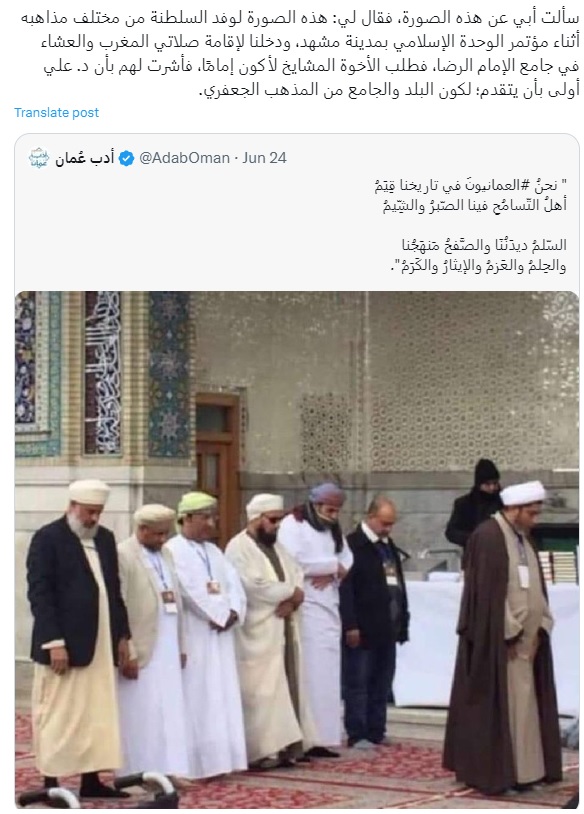
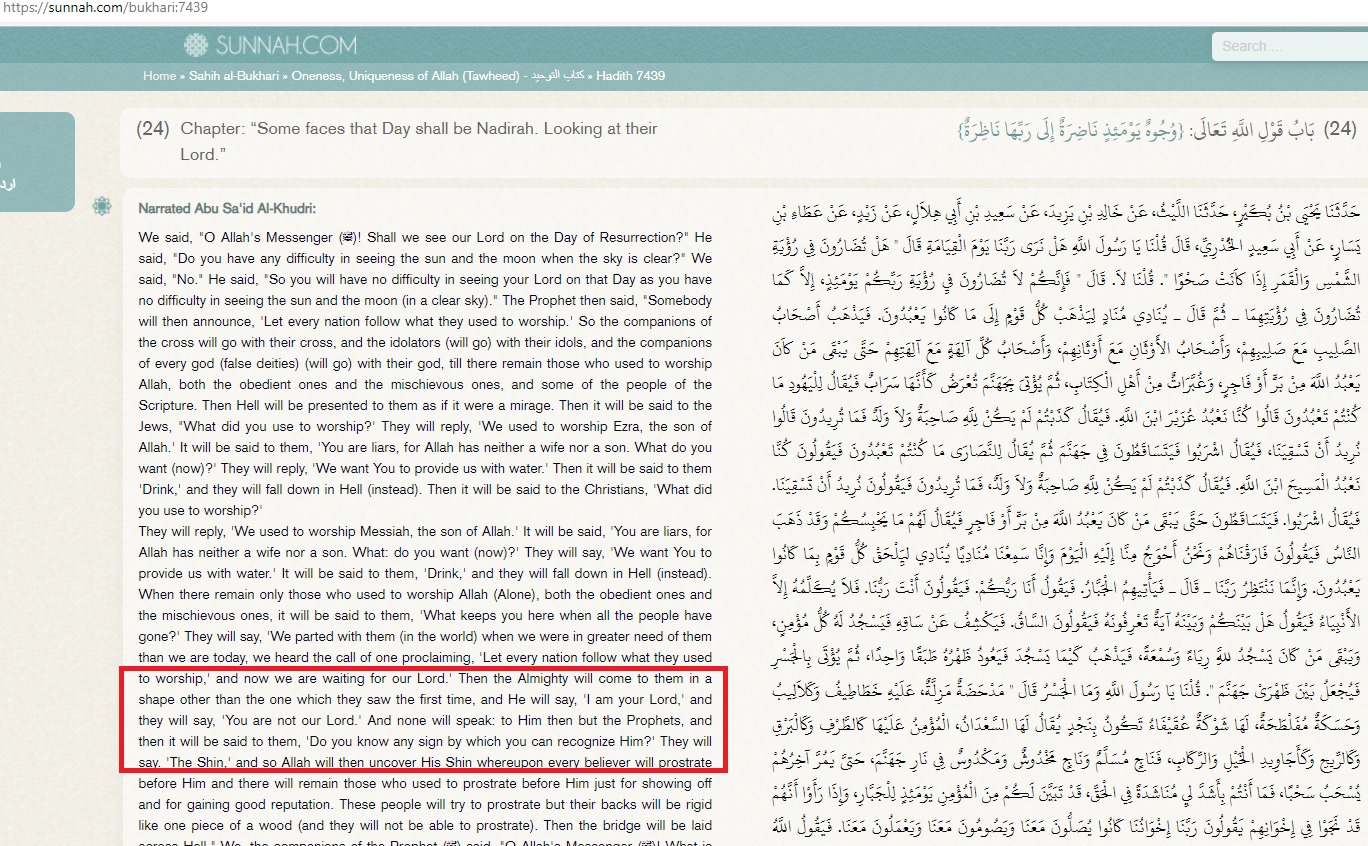
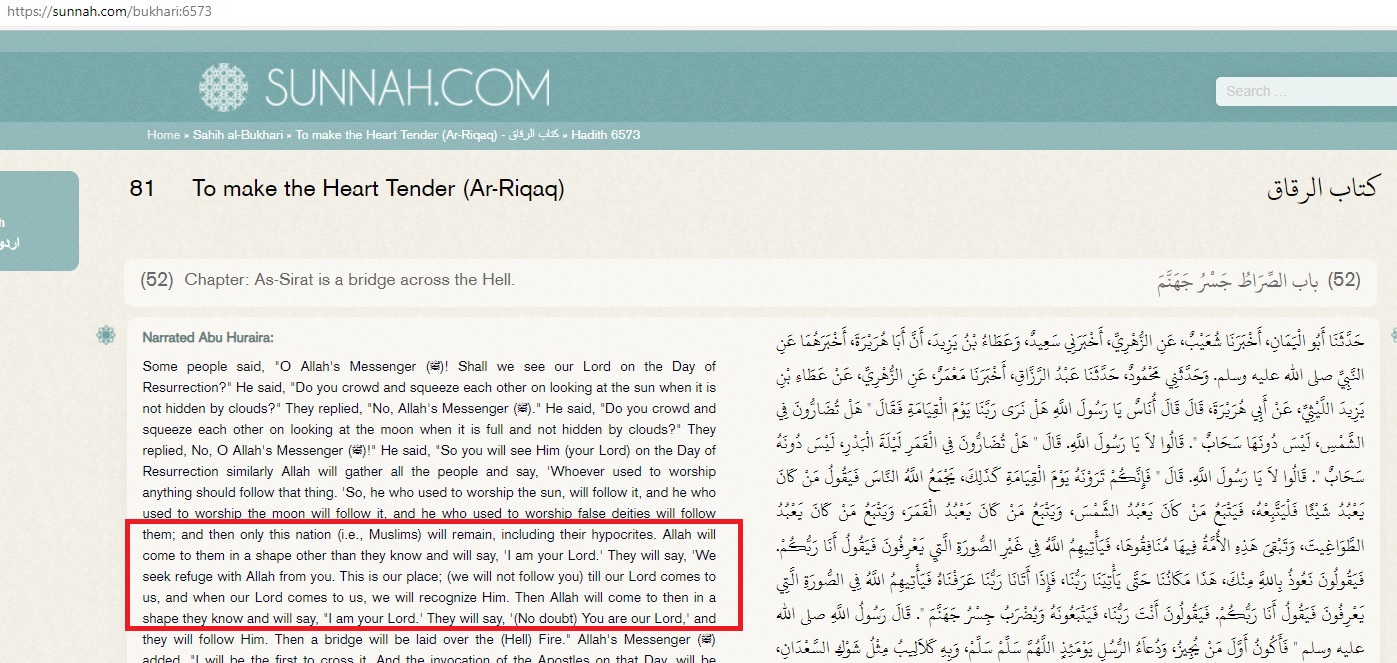
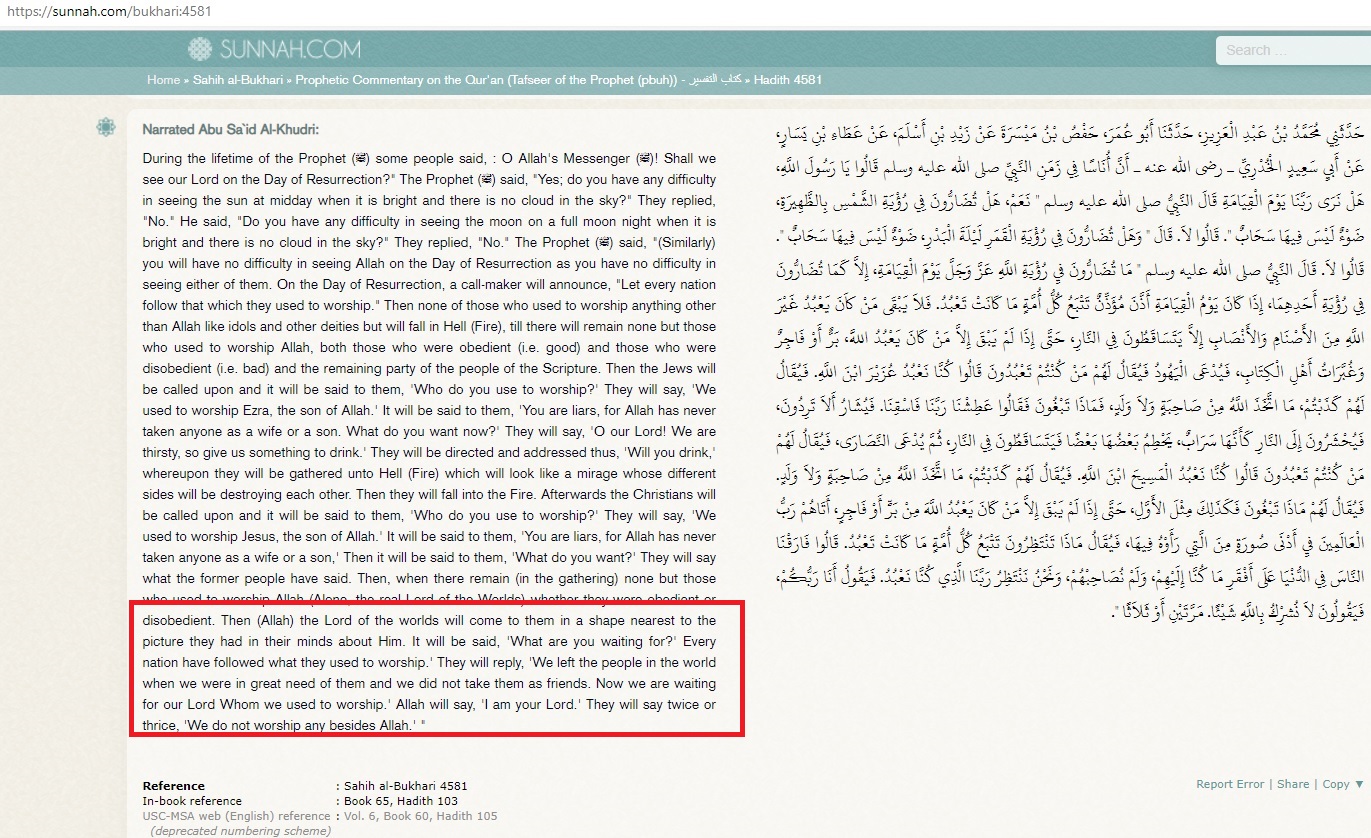

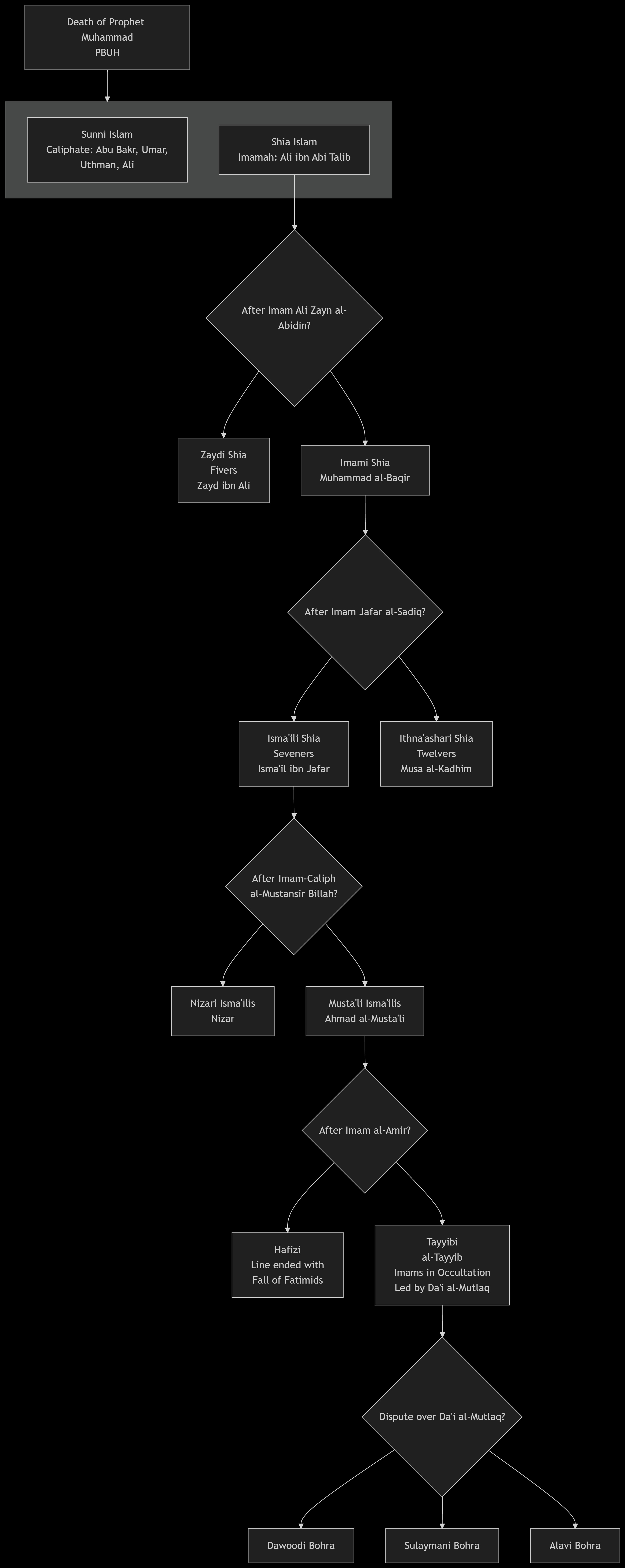


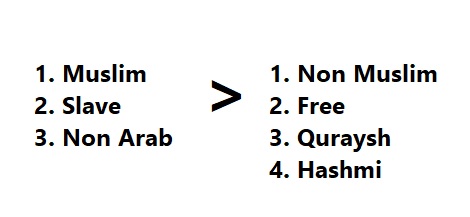

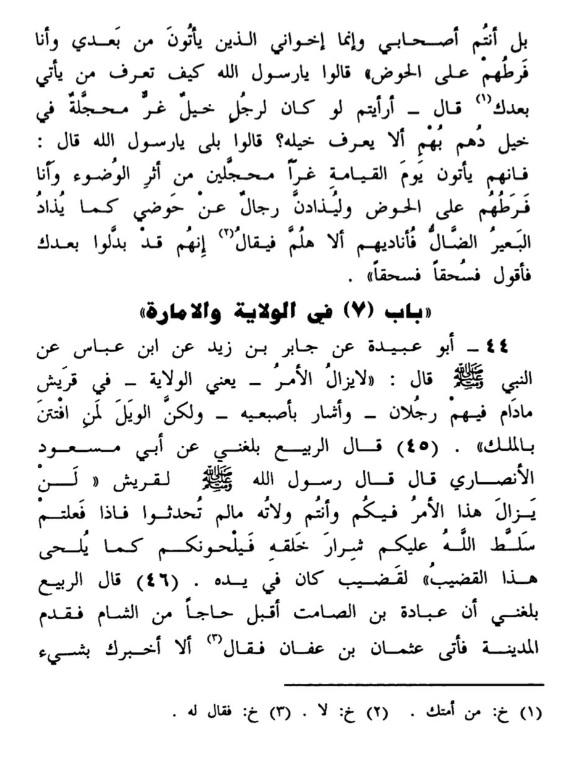
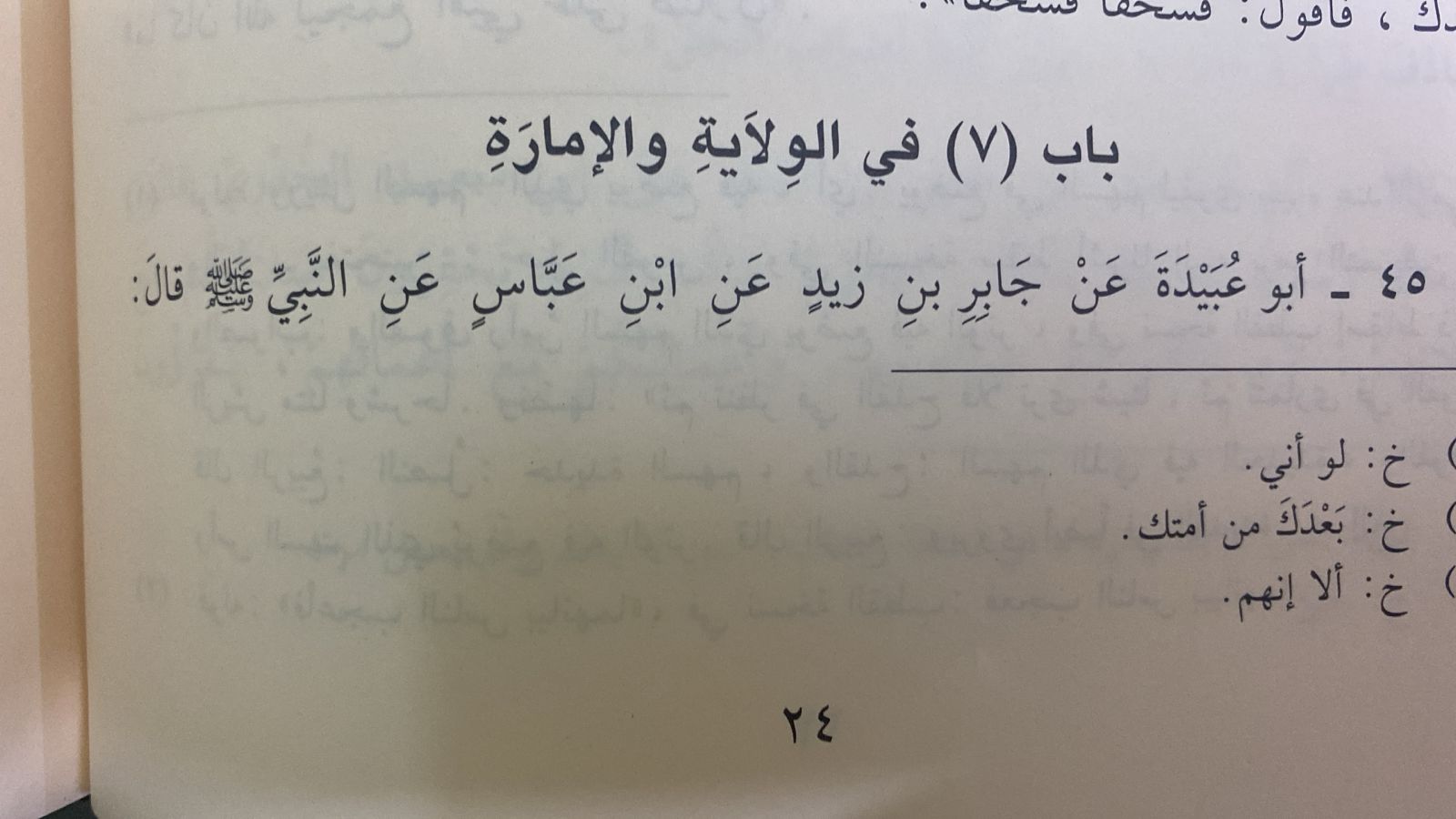
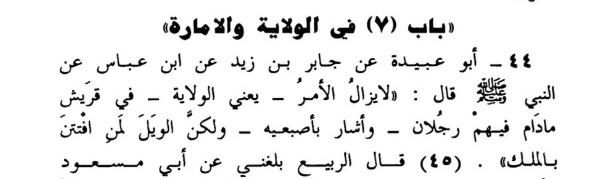

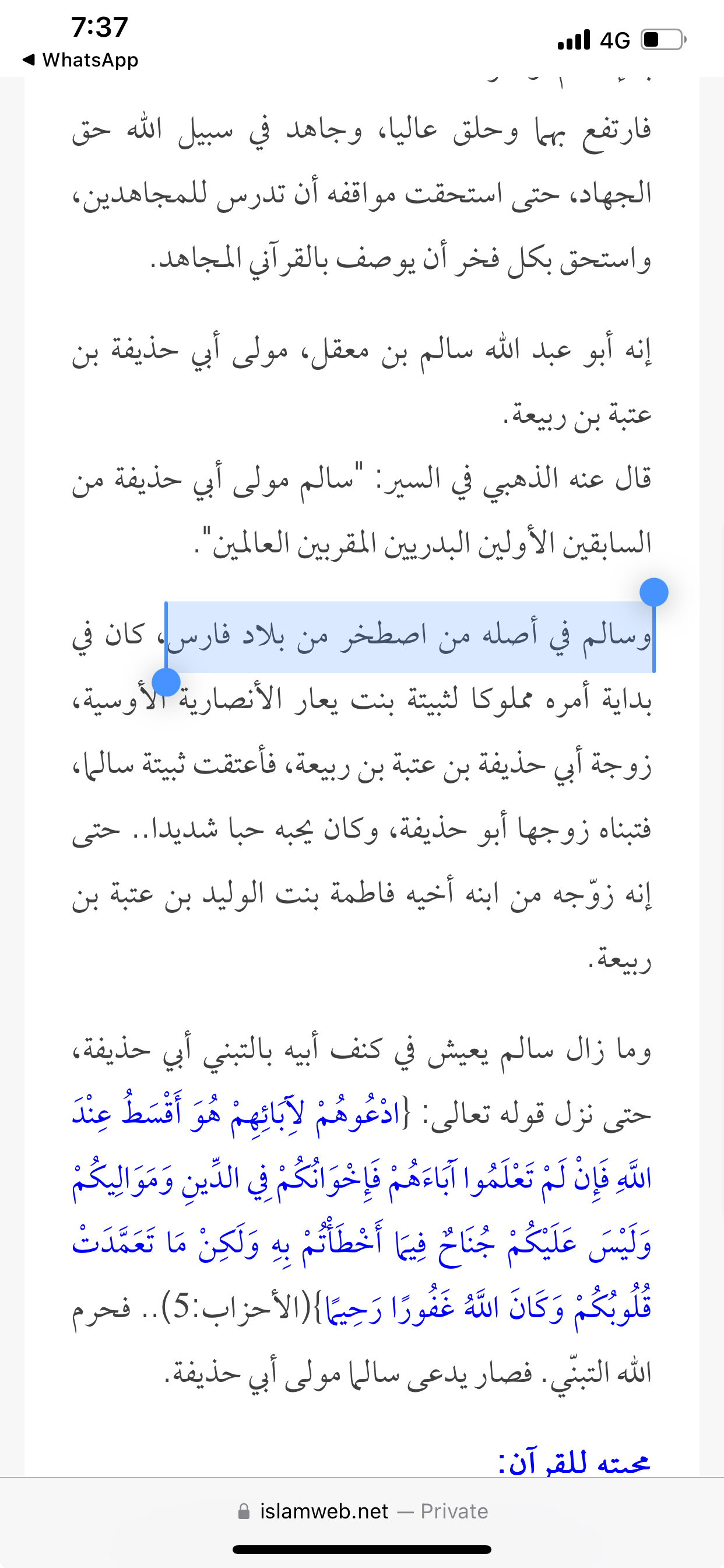


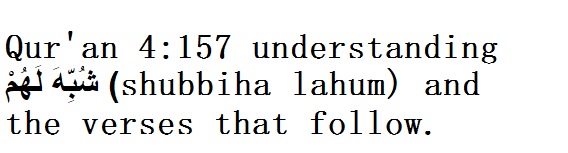
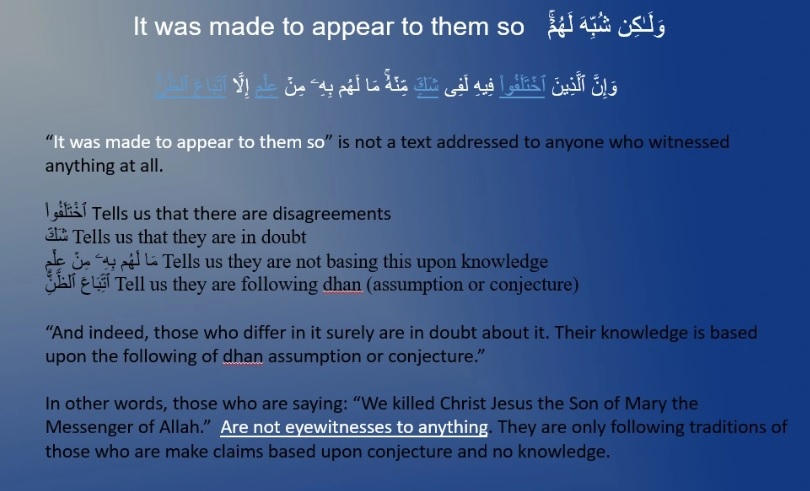


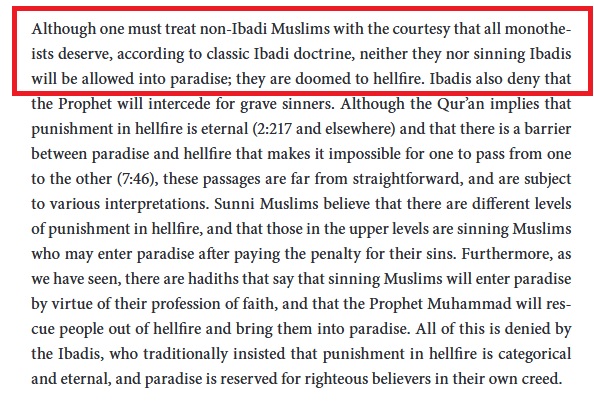


 Prima Quran